


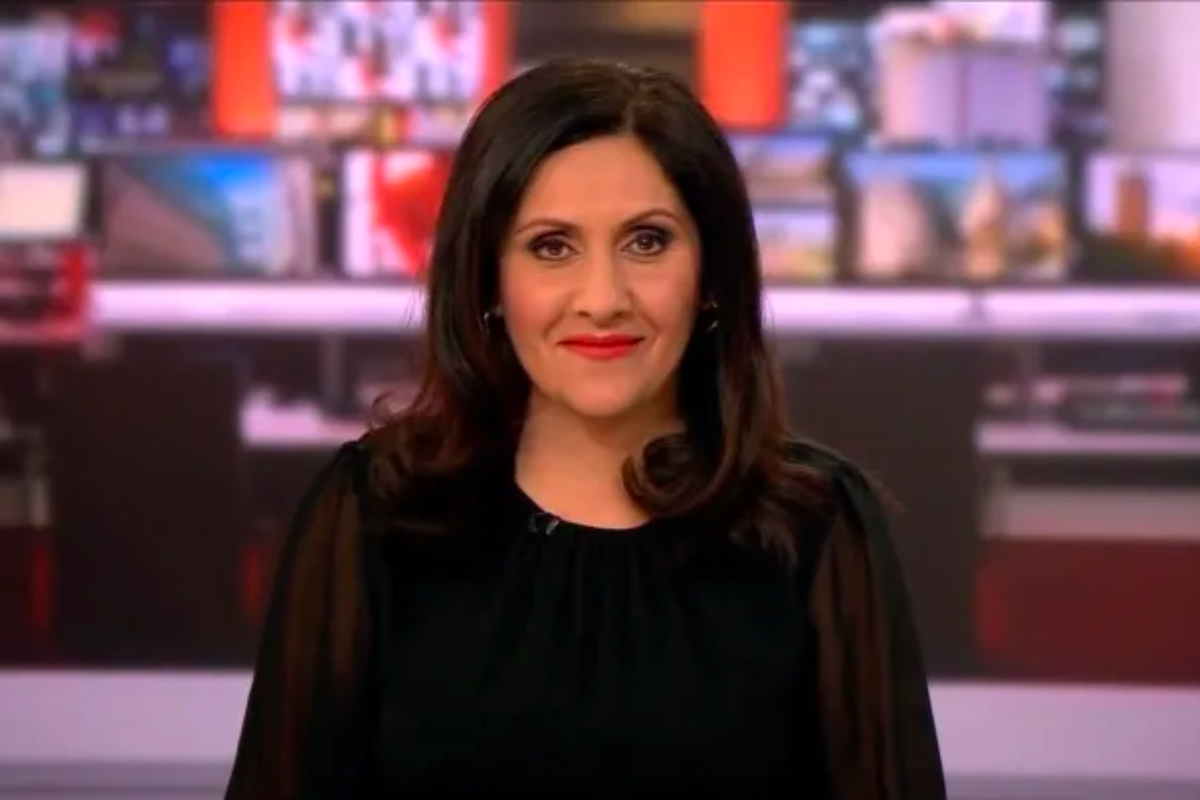
BBC News presenter Maryam Moshiri has revealed that she has been undergoing treatment for an incurable blood cancer for the past two years.
A familiar face on the BBC, Ms Moshiri presents The World Today, and has reported from the coronation of King Charles, the papal conclave, and Eurovision, as well as fronting coverage of the Iran war. She has been working at the public broadcaster since 2003, and two years was diagnosed with an incurable type of blood cancer.
In an interview with The Times published this weekend, Ms Moshiri spoke about the realities of living with Polycythaemia vera (PV), a rare type of cancer that affects the bone marrow and makes the blood thicker than normal.
The 49-year-old received the diagnosis in November 2024 and has continued work through managing the treatment.
 open image in gallery
She told the paper: “I love what I do. I love being where the story is. I don’t want to allow blood cancer to stop me from doing my work.”
Her treatment involves having blood removed to reduce the concentration of red blood cells, something that leaves her exhausted. She recalled being sent to Rome for two weeks in April last year to cover the death of Pope Francis, while fatigued from the cancer treatment.
She said: “I was working 14-hour days, constantly on air, constantly having to think on my feet, and holding it together, despite the fact that I had this chronic tiredness and fatigue.
“When you’re doing live news, you have this rush of adrenaline, and you just have to get on with it.”
The BBC presenter is backing a new campaign called Here for This, by Blood Cancer UK, which aims to highlight the things that suffers miss due to illness.
Ms Mosihri, who is a mother to three children, aged 13, 11, and 9, told The Times: “During my worst times when I was going through really quite gruelling treatment, I wasn’t there for my kids. I’d be lying on the sofa, and my son would say, ‘mummy, can you come play football with me in the garden?’ And you just can’t. You’re too tired.”
More than 310,000 people are living with or in remission from blood cancer, according to statistics from Blood Cancer UK.