


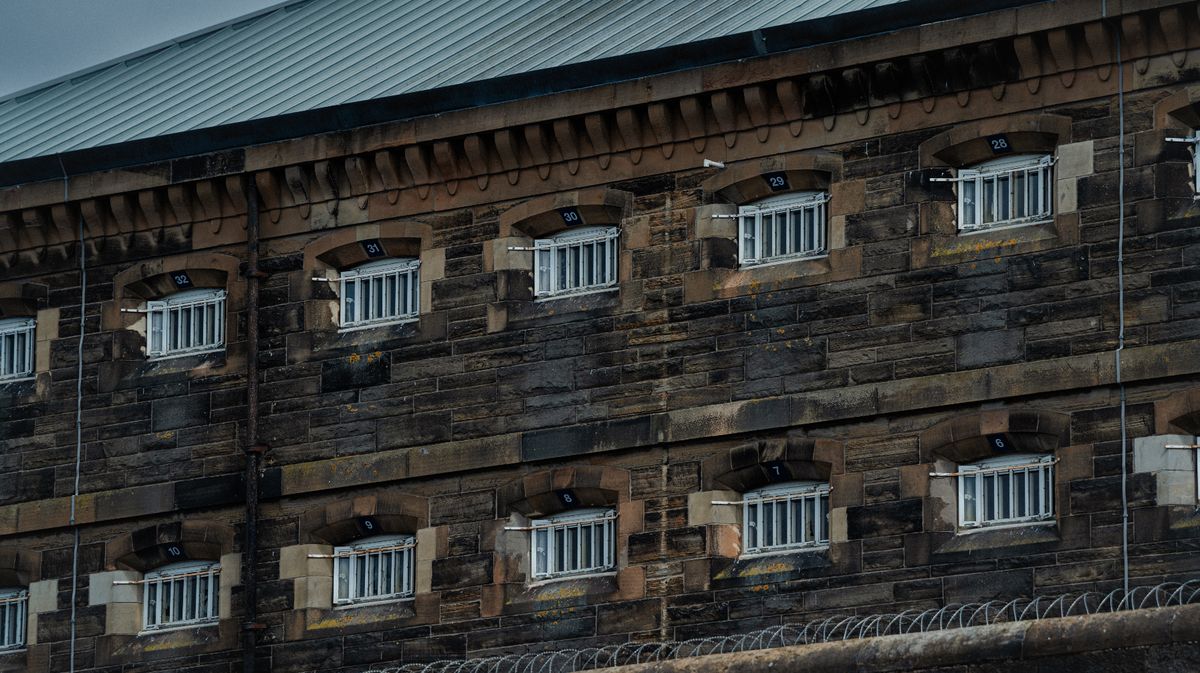
A shocking new documentary series highlights the stark cycle of reoffending and relapse that often follows release from Scotland’s biggest prison.
The latest episode of BBC Scotland’s Inside Barlinnie follows inmates battling addiction while serving time in the country’s most notorious prison.
It also reveals more than a quarter of prisoners display symptoms of ADHD or other neurodivergent conditions — more than five times the national average.
Early diagnosis and support can help manage impulsive behaviour and significantly reduce repeat offending but staff said many prisoners go undiagnosed and rely on illegal drugs to cope.
 View 6 Images
(Image: HANDOUT)
Angela, from the Resource Hub at HMP Barlinnie, said: “The link between ADHD and offending is often impulsive behaviour and an inability to regulate emotions, which can lead to poor decision-making.
“People with ADHD are also often predisposed to mental health issues such as anxiety and depression.
“I would say a large number of the men I work with show symptoms associated with ADHD.
“Some are medicated, but many use substances as a way of coping. Unfortunately, that can lead them into prison.”
 View 6 Images
Sean, who was diagnosed with ADHD through a prison screening programme, struggles to cope when he returns to his community in Cambuslang(Image: HANDOUT)
The programme which airs on Tuesday follows repeat offender Sean, 36, who was serving a 45-month sentence for multiple assaults and robberies linked to his drug addiction.
Sean, who was diagnosed with ADHD through a prison screening programme, struggles to cope when he returns to his community in Cambuslang.
After getting clean in prison he returns to alcohol and drugs and later absconds from court while facing an outstanding armed robbery charge.
After months on the run, he is arrested, found guilty, and sentenced to a further 33 months in prison.
He said: “I was the class clown. Always the bad one, always in trouble, always sitting outside the classroom doing punishment exercises.
“I went to high school and got suspended 11 times. I was expelled on my first day of second year.
“I didn’t get diagnosed with ADHD until I was 24 years old and in Barlinnie.
“No one has ever given me the care that I needed.
“Now it’s like, ‘The best we can do with him is lock him in a cell and keep him in jail for the rest of his life.’
“This isn’t what I want for my life. I want to be free.”
 View 6 Images
Self-styled vigilante Frankie(Image: HANDOUT)
The episode also follows self-styled vigilante Frankie, who lives by his own brutal code of “jail justice”, targeting sex offenders.
He admits he finds the stability of prison life easier for managing his mental health and addiction issues.
Frankie said: “Prison saved my life. I came in here broken mentally and physically.
“I smoked cannabis from the age of nine and I’ve been sober since May. This is the longest I’ve ever been sober.
“It’s embarrassing to say, but I love it in here.”
 View 6 Images
Mick Stoney, Governor of Barlinnie(Image: Friel Kean Films/BBC)
Barlinnie governor Mick Stoney said: “Getting people mentally healthy is a critical route towards stopping people from offending.
“That means helping people support themselves, avoid criminal activity and prevent future victims.
“We try to do our best.”
 View 6 Images
HMP Barlinnie(Image: CREDIT LINE:Friel Kean Films)
The Victorian-era Glasgow prison houses more than 1,400 inmates across five halls.
Barlinnie is due to be replaced by HMP Glasgow, which is now expected to open in 2028 — three years later than originally planned and after significant cost overruns.
Article continues below