


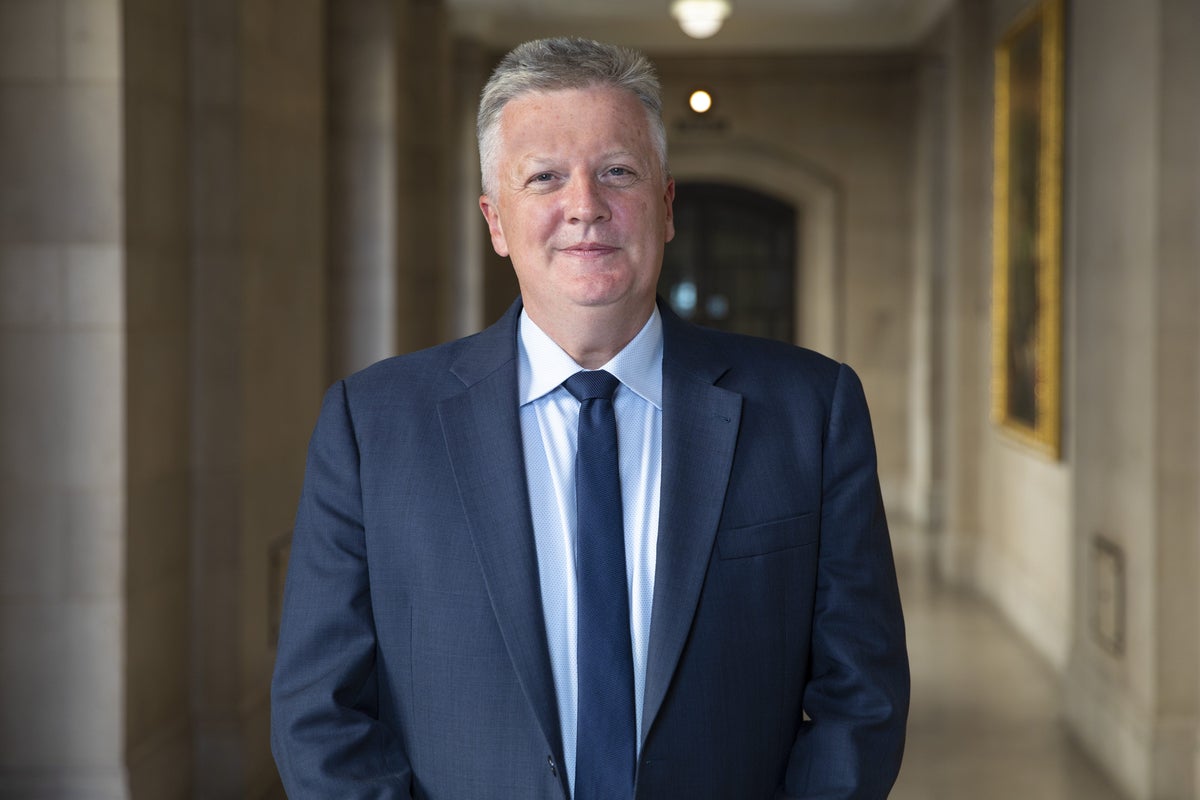
Interest rates should be increased to curb growing inflation risks triggered by the energy crisis in the Middle East, the Bank of England’s chief economist has warned.
Huw Pill said he was “uncomfortable with a ‘wait-and-see’” stance from his fellow policymakers.
Mr Pill also warned of the dangers of holding rates steady while awaiting firmer evidence on how the conflict involving Iran will influence inflationary pressure across the UK economy.
In July, he stood as one of just two figures on the nine-member Monetary Policy Committee (MPC) who backed an interest rate rise.
The majority, which featured governor Andrew Bailey, voted instead to hold benchmark rates at 3.75 per cent.
He added that raising interest rates to 4 per cent would deliver a “clear and unambiguous signal of the MPC’s willingness and ability to address upside risks stemming from events in the Middle East”.
Mr Pill said in a speech at the Edinburgh Chamber of Commerce: “There is ample reason to doubt that we will see a definitive resolution of the multiple and profound uncertainties we currently face any time soon.
“In my view, in this environment we cannot wait for uncertainties to resolve themselves before acting.
“It is now six months since the onset of conflict in the Middle East.
“How or when the conflict will be resolved and, more importantly, the magnitude of its implications for UK inflation, remain unclear: essentially as unclear as they were six months ago.
“Given all this, I am uncomfortable with a ‘wait-and-see’ framing of the MPC’s current decisions over bank rate.”
Mr Pill said he was concerned that keeping interest rates on hold may signal a “bias to the status quo” in terms of decision-making on the MPC, which risks letting monetary policy fall behind in addressing emerging inflationary pressures.
“Raising bank rate on this basis need not be the start of a prolonged and aggressive series of increases,” he said.
“Indeed, implemented and communicated effectively, a prompt increase in bank rate may serve to head off some of the potential insidious ‘catch-up’ nominal dynamics that threaten to make temporary departures of inflation from target more persistent.”
Meanwhile, Mr Bailey has cautioned governments across the globe that artificial intelligence could trigger a major international financial downturn.
In a message addressed to G20 finance ministers who are currently gathered in North Carolina, USA, he stated that any potential collapse of the AI bubble could lead to a “future market correction” spreading worldwide.
His letter further highlighted the “volatility” stemming from the fallout of energy supply shocks caused by the US-Iran war.