


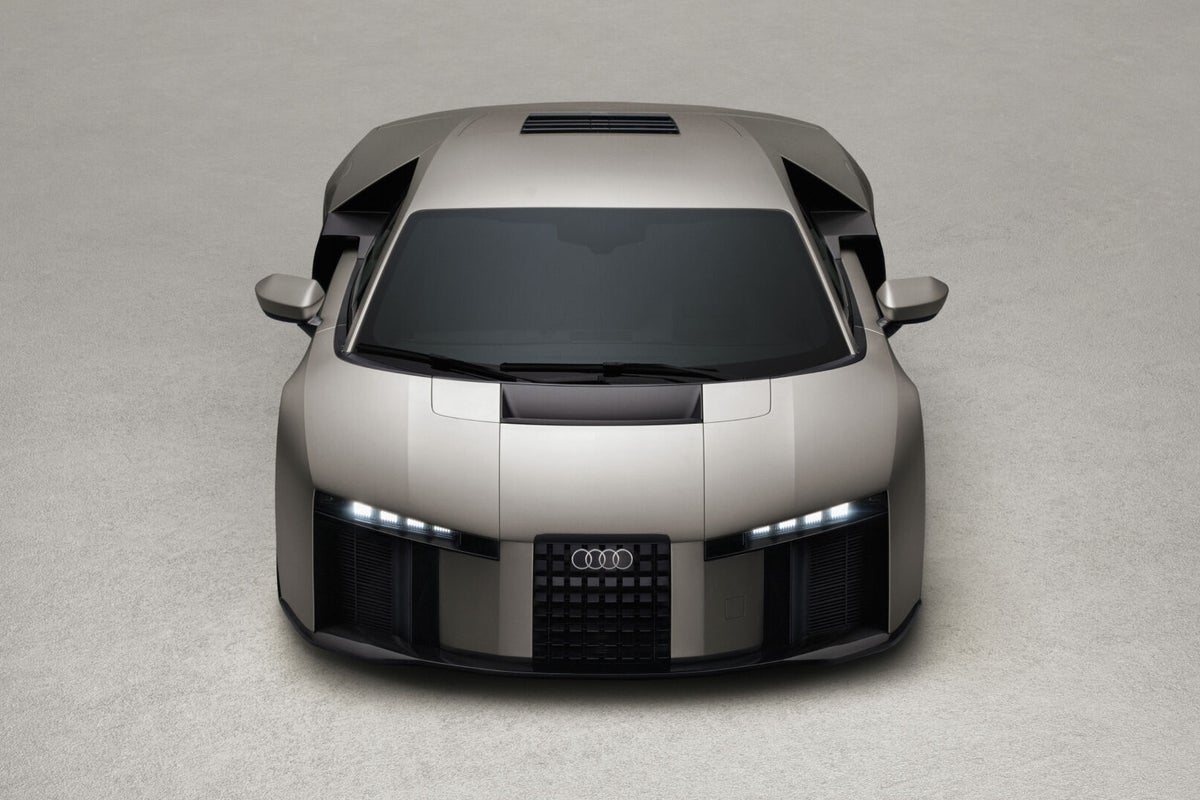
Audi is about to do something it has never done before: launch a proper supercar with a high-performance hybrid powertrain. And, judging by the numbers, it’s not exactly easing itself in gently.
This is the new Audi Nuvolari, a near-production prototype that previews a limited-run model due to reach customers in the first half of 2027. Just 499 will be built, and Audi says it will be the fastest and most powerful production car in the company’s history.
Audi is claiming a top speed of more than 217mph, with 0-62mph taking 2.6 seconds and 0-124mph (200 km/h) in just 6.8 seconds. Power comes from a hybrid set-up producing 987bhp, mixing a mid-mounted 4.0-litre twin-turbo V8 with three electric motors and a small, 7.3kWh lithium-ion battery.
 open image in gallery
That puts the Nuvolari in the same rarefied air as the most extreme road cars from Ferrari, Lamborghini, McLaren and Aston Martin. But the bigger story here is what it says about Audi itself. This is a brand that has just entered Formula 1 with its own factory team, and the Nuvolari is being billed as the first road-going sign of what the new era of Audi means.
“With the Audi Nuvolari, we are accelerating technological progress,” said Gernot Döllner, Chairman of the Board of Management of Audi AG. “It shows what is possible when the focus is on technology, performance, and execution through teamwork — and when we achieve progress together.”
The name is a nod to Tazio Nuvolari, the Italian racing driver widely regarded as one of motorsport’s greats. Audi says he was known for fearlessness, ingenuity and a single-minded will to succeed, which gives you a fair idea of the mood Audi is going for here.
 open image in gallery
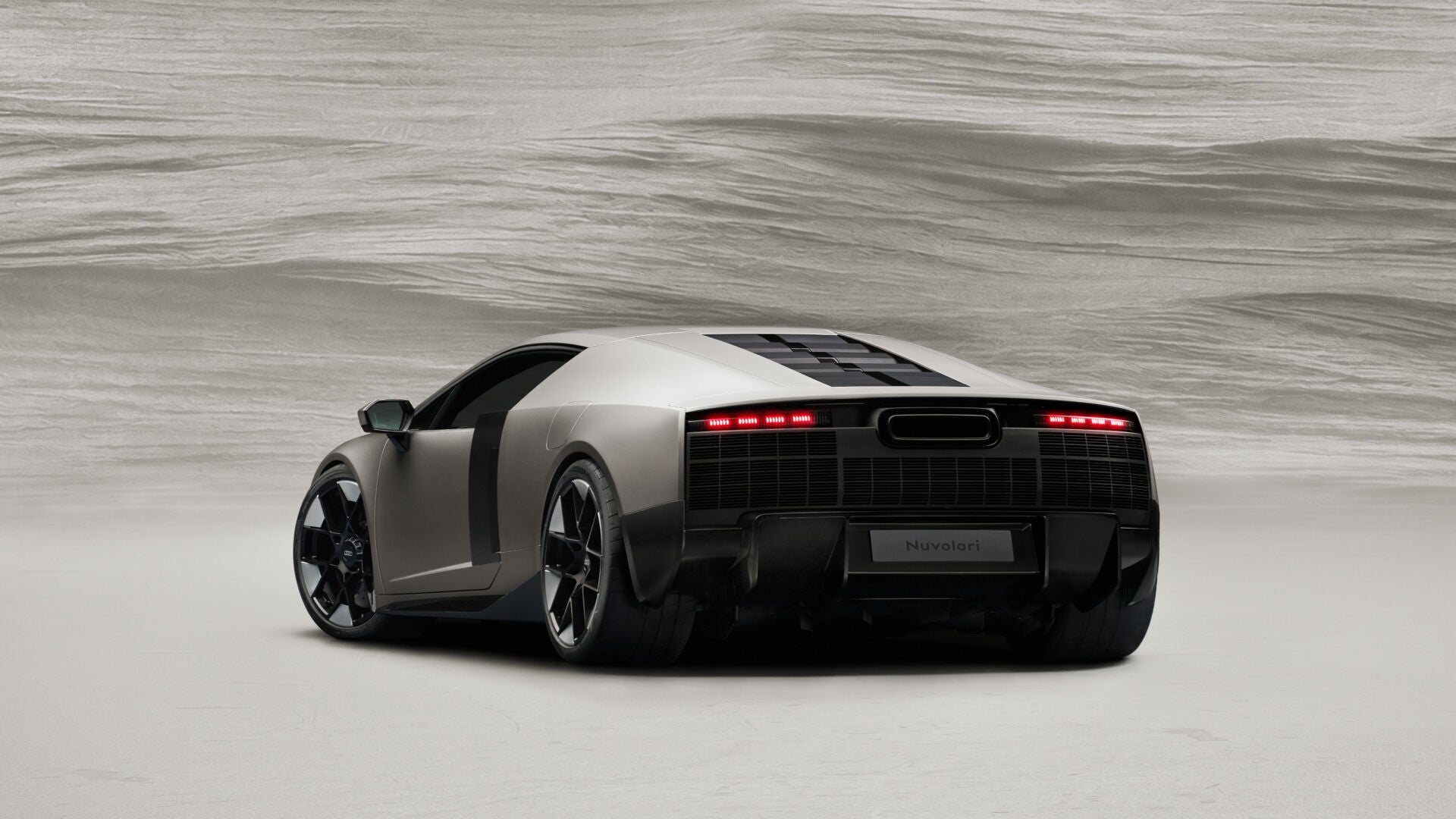
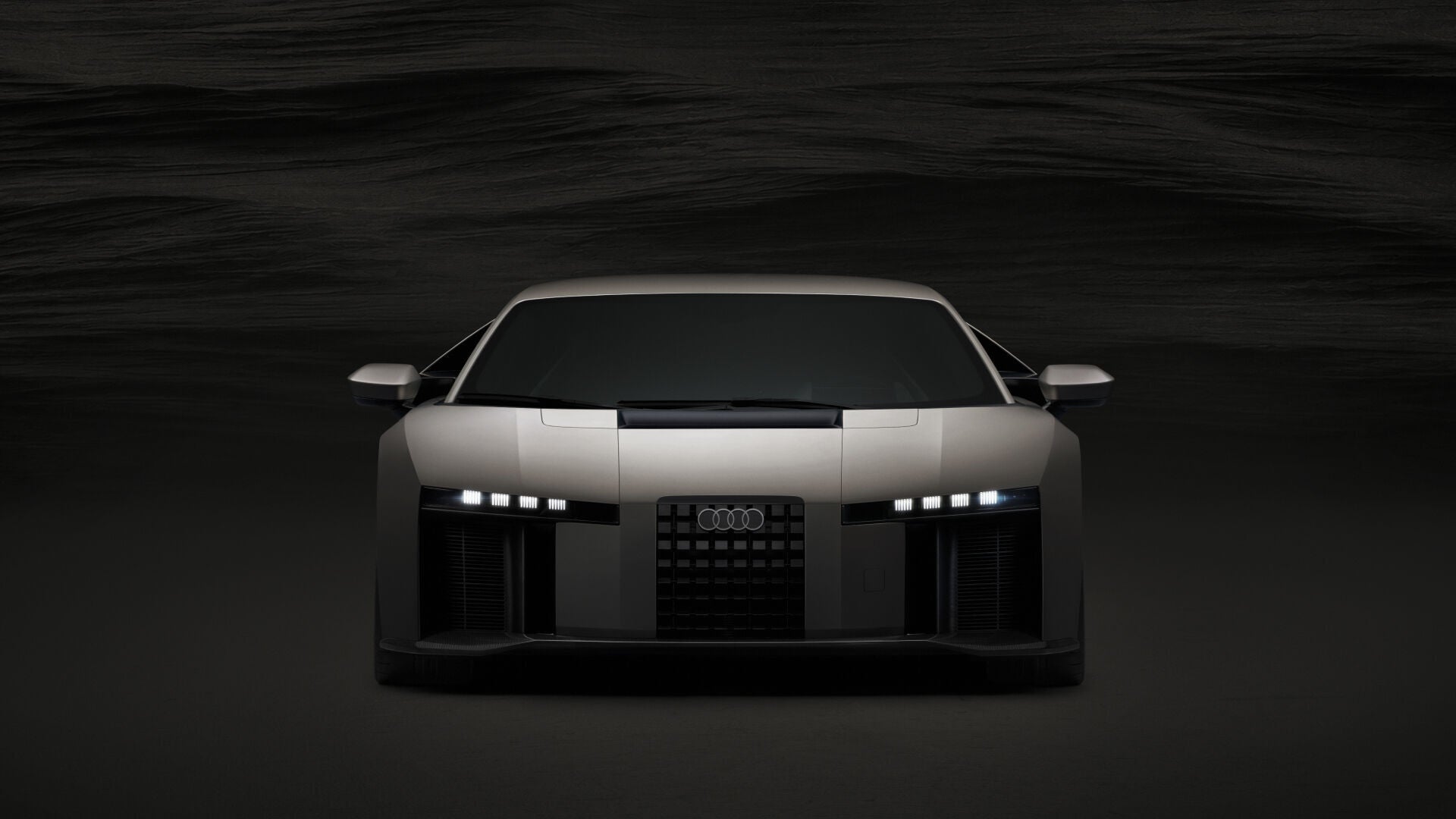
The styling is just as important as the performance. Audi says the Nuvolari is the first production car to follow the brand’s new design philosophy, which was shown last year by the rather stunning Audi Concept C. That concept is still expected to turn into a compact sports car in the mould of the old Audi TT, but the Nuvolari takes the same clean, technical look and stretches it into something much lower, wider and more dramatic. As such, it’s more of a spiritual successor to the Audi R8 supercar, which went out of production in 2024 with no immediate replacement.
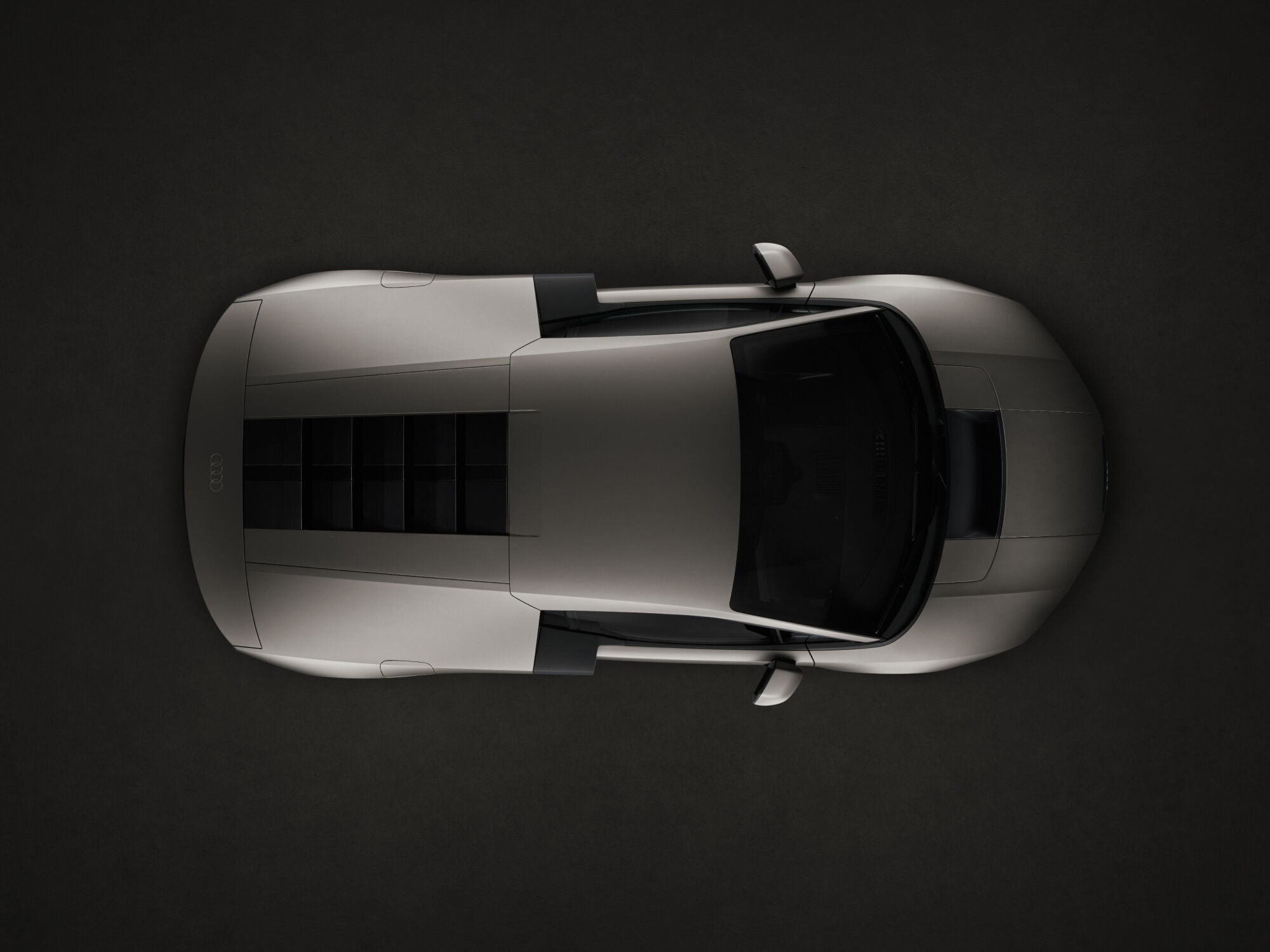
There are taut surfaces, neat aero details and very little fuss. The mid-engine layout gives the car its short, purposeful stance, while Audi’s new Titanium paint colour links it to both the Concept C and Audi’s Formula 1 car. Carbon elements are used across the body, not just for show, but to save weight and help guide air around and through the car.
The powertrain is a big part of the story. The 4.0-litre V8 produces 789bhp on its own and revs to 10,000rpm, which is not the sort of thing you expect to read in many Audi brochures. It is joined by two oil-cooled electric motors on the front axle and a third electric motor between the engine and transmission.
Each electric motor produces 148bhp, with the two front motors also playing a key role in the car’s four-wheel-drive system. Audi says the layout allows very fast and very precise torque distribution, so the car can shuffle power around to help it turn in, stay stable and put its power down.
“With the Audi Nuvolari, our entire team has once again demonstrated its technical expertise, innovative strength, and dedication,” said Rouven Mohr, CTO of Audi. “This is reflected not only in the vehicle’s performance and its Formula 1-inspired technologies, but also in the ability to transfer innovations quickly and precisely into a production vehicle.”
 open image in gallery
One of the big new systems is called quattro predictive ride. In simple terms, it uses sensors to work out what the car is doing and what might happen next. It looks at steering angle, acceleration, yaw rate and grip level, then adjusts the motors, brakes and aerodynamics before things get messy.
Audi says that should help the Nuvolari stay composed in fast corners, in the wet or even on snowy roads. There are four main driving modes: E-Hybrid for electric driving in town or on short trips, Balanced for everyday use, Dynamic for sharper responses and Dynamic+ for the full dramatic effect. There is also a Track Mode, where traction settings can be adjusted from wet-weather security, right through to everything being switched off.
The body is another first for Audi. The Nuvolari uses a so-called Audi Space Frame structure, with a carbon exterior and almost all outside panels being made from carbon fibre reinforced polymer. Audi says the carbon parts have been developed using Formula 1 know-how, including processes where pre-impregnated carbon fibre is cured under high pressure and heat.
 open image in gallery
The result should be a car that is both lighter and stiffer than it would be using more conventional materials. Audi also says the carbon construction allows it to create more complex shapes, including door panels and aero channels that help air flow through the front of the car.
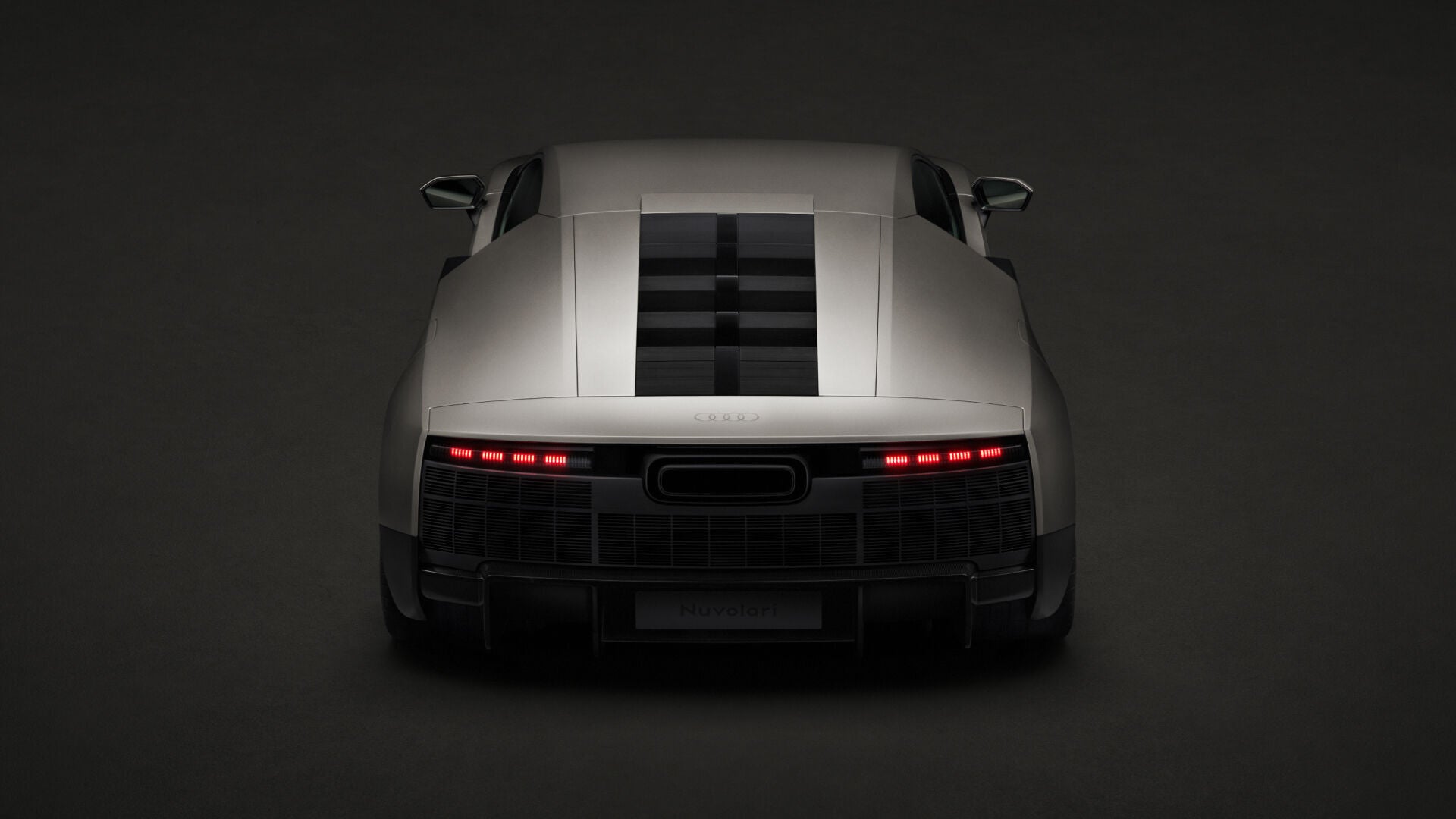
The aero package is active, too. There is a front splitter, rear diffuser, S-duct in the nose and a deployable rear wing. Audi says its Formula 1 drivers helped fine-tune the system during development.
The rear wing has three positions: Closed, Low Downforce and High Downforce. In its closed position it cuts drag for efficiency. In faster driving modes, it moves automatically to help the car either slice through the air on straights or press itself into the road under braking and cornering. There is even an F1-style Drag Reduction System, or DRS, which the driver can activate using a steering-wheel button.
 open image in gallery
In its maximum downforce setting, Audi says the Nuvolari can generate more than 400kg of downforce, depending on the situation. The Audi rings in the rear wing are made from solid metal and fitted flush into the surface to improve aerodynamic efficiency.
The brakes are suitably serious. Audi has developed a new Ceramic Pro braking system with brake-by-wire technology, meaning the pedal is not mechanically linked to the brakes in the traditional way. The system blends energy recovery from the electric motors with hydraulic braking, keeping the pedal feel consistent while recovering energy where possible.
In normal driving, a decent amount of slowing down can be done electrically, with up to 0.3g of deceleration available through energy recovery. When more stopping power is needed, the hydraulic brakes join in. Audi says the system can absorb up to 2.8 megawatts of energy, which it describes as being on a par with a current Formula 1 car.
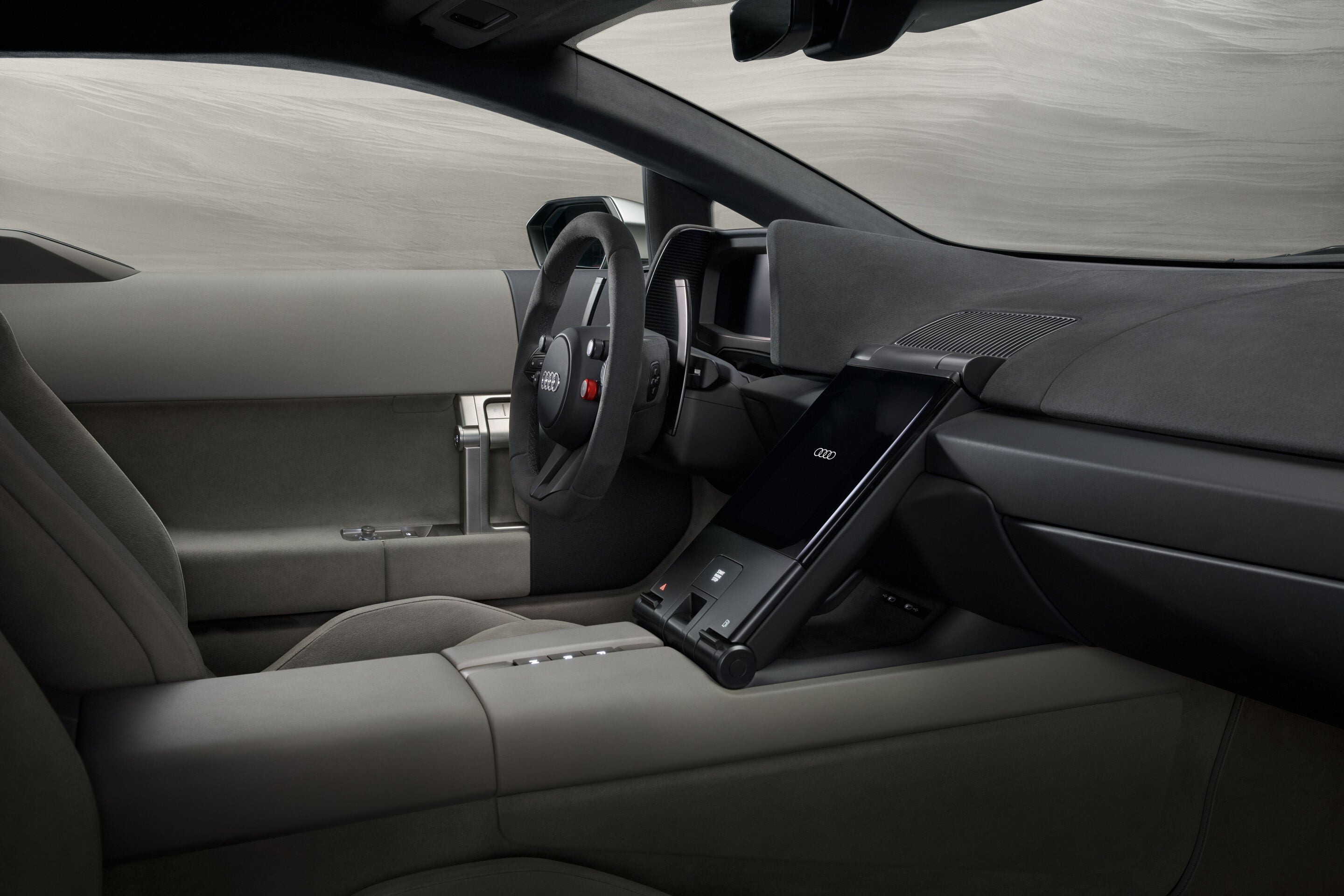
Inside, the Nuvolari is all about the driver. Audi says the cabin has a reduced layout, with the most important controls placed directly in the driver’s view. There are still digital displays, but they are paired with physical controls, which should please anyone who has spent too long prodding at a touchscreen to change something simple.
 open image in gallery
The front part of the cabin is finished in a dark colour scheme to help concentration, while the rear section uses a lighter tone called Shadow Dune. There are also colour accents inspired by the Auto Union Type C racing car of the 1930s, plus anodised aluminium details and lightweight seats with carbon fibre structures.
The official efficiency figures are still preliminary. Audi quotes fuel consumption of 25mpg, electric consumption of around 8.0 miles/kWh and CO2 emissions of 270g/km. With the battery discharged, fuel consumption is listed at 19mpg. So, while this is a hybrid, it’s still a supercar.
The Nuvolari looks like a rolling statement of intent for the next chapter of Audi. It blends the cleaner design language previewed by Concept C with a powertrain and chassis packed with Formula 1 knowhow. It also arrives at a time when Audi is trying to add more emotion and focus to its model range.
Whether the Nuvolari becomes a halo car, a collector’s piece or a signpost for future Audi Sport models, the message is pretty clear: Audi is betting big on Formula 1, and it wants its road cars to look and feel like they are coming along for the ride.