


Asylum seekers will have to pay back £10,000 to the Home Office to cover their own housing and financial support once they start work under new plans that mirror the student-loan structure.
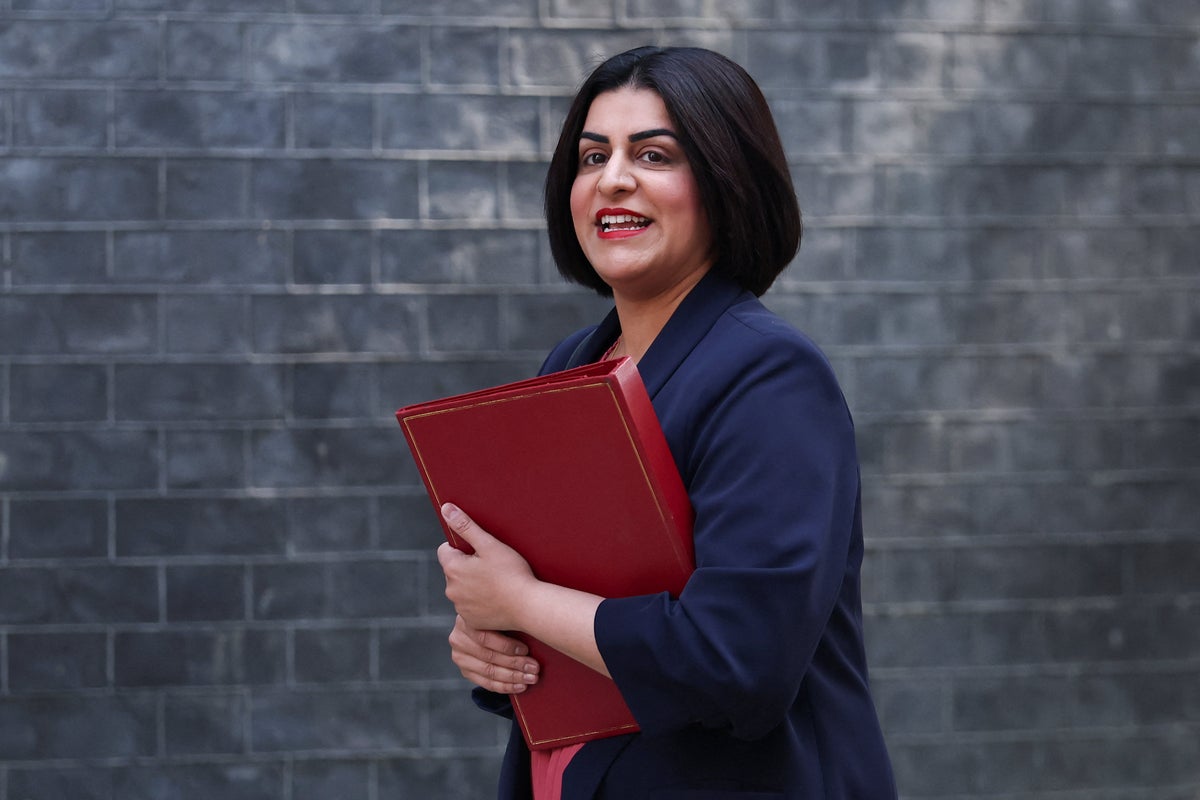
New powers introduced to parliament on Monday by Shabana Mahmood will allow the Home Office to recover costs from adults who have been housed or who have received financial support while waiting on their asylum claim.
The money will only be extracted from those who have “sufficient” funds, the Home Office has said, but further details about which asylum seekers would have to pay and how this will happen have yet to be finalised.
Eligible adults will be required to pay off an amount each month, adding up to a total sum of around £10,000.
Charities and campaigners have criticised the plans as “performative cruelty” that fail to “tackle chronic delays in the asylum system, which is the real reason people spend years in asylum accommodation”.
Imran Hussain, director of external affairs at Refugee Council, said the plan “amounts to an extra tax on refugees”.
Zoe Dexter, housing manager at the Helen Bamber Foundation, warned it would harm the integration of refugee’s into communities, saying: “Burdening them with debt just as they begin rebuilding their lives is grossly unjust and entirely self-defeating”.

Kolbassia Haoussou, from charity Freedom from Torture, said: “As someone with lived experience of the UK asylum system, I am deeply shocked by this proposal. I struggle to see what is fair about asking some of the most vulnerable people in our society – including survivors of torture and sexual violence – to repay the cost of the support they were forced to rely on.”
Asylum seekers in the UK are generally not allowed to work while they are waiting on a decision on their claim. If they have been waiting for more than a year, then they can apply for permission to work.
As a result, they are reliant on the Home Office for housing and support as they cannot work to pay for accommodation.
According to analysis by the think tank IPPR, the average annual cost of housing and supporting an asylum seeker was approximately £41,000 in 2023-24.
Marley Morris, associate director at the IPPR, said there are “better ways of bring down” costs of asylum such as “speeding up asylum processing and appeals, reforming the existing asylum contracts”.
The current average cost for Home Office accommodation per person per night is £23.25 in dispersal accommodation, such as multi-occupancy hostels, and £144 in hotels. Subsistence payments range from £9.95 to £49.18 per week.
Asylum support cost the Home Office some £4bn last year. Under sweeping changes to the asylum and immigration rules in March, the home secretary changed the amount of time a refugee can stay in the UK, saying that her reforms offered “a compassionate but controlled asylum system”.
Asylum seekers’ cases will now be reviewed every 30 months, after which they could be sent back to their country of origin. Previously, refugees with successful asylum claims were given a five-year visa and could apply to stay in the UK indefinitely after the five-years.
Government figures from between 2015 and 2023 show that a quarter of 16- to 64-year-olds who were granted asylum in the UK were in employment within the same year they were granted status. This rose to half after two years.
Of those in employment eight years after they got a refugee grant, 37 per cent were in full-time work with median earnings of £23,000.
The charity Asylum Aid has warned that the new changes, which makes refugee status in the UK temporary, will impede asylum seekers’ ability to find work.
Charlotte Khan, at Care4Calais said: “What a Labour government should be doing is lifting the ban on people seeking sanctuary from working. That’s a real solution that benefits the person seeking sanctuary and the UK economy, not this latest harebrained idea that lacks detail and credibility.”
Ms Mahmood said: “The cost of asylum accommodation on the British taxpayer is too high.
“We have already reduced asylum costs by £1bn, but it is also right that we ask those who can contribute to do so.
“Receiving asylum support is a right, but it is also a responsibility. Once people can contribute and repay the generosity of the British people, we expect them to do so.”
Other European countries do not require asylum seekers to pay back the costs of their support, however the Home Office has been looking to the Canadian asylum system for inspiration.
In Canada, resettled refugees are responsible for paying for travel documents, some medical services, and the transportation costs of getting to Canada. They are able to access an immigration loans programme, but have to start repayments one year after arrival.
Over the weekend, Ms Mahmood announced the introduction of new safe routes for refugees to enable communities and certain “trusted” universities to sponsor refugees seeking sanctuary in the UK.
The initiative was inspired by a Canadian scheme that has successfully settled 400,000 people since 1979. A separate route allowing employers to sponsor refugees is also anticipated to launch next year.