


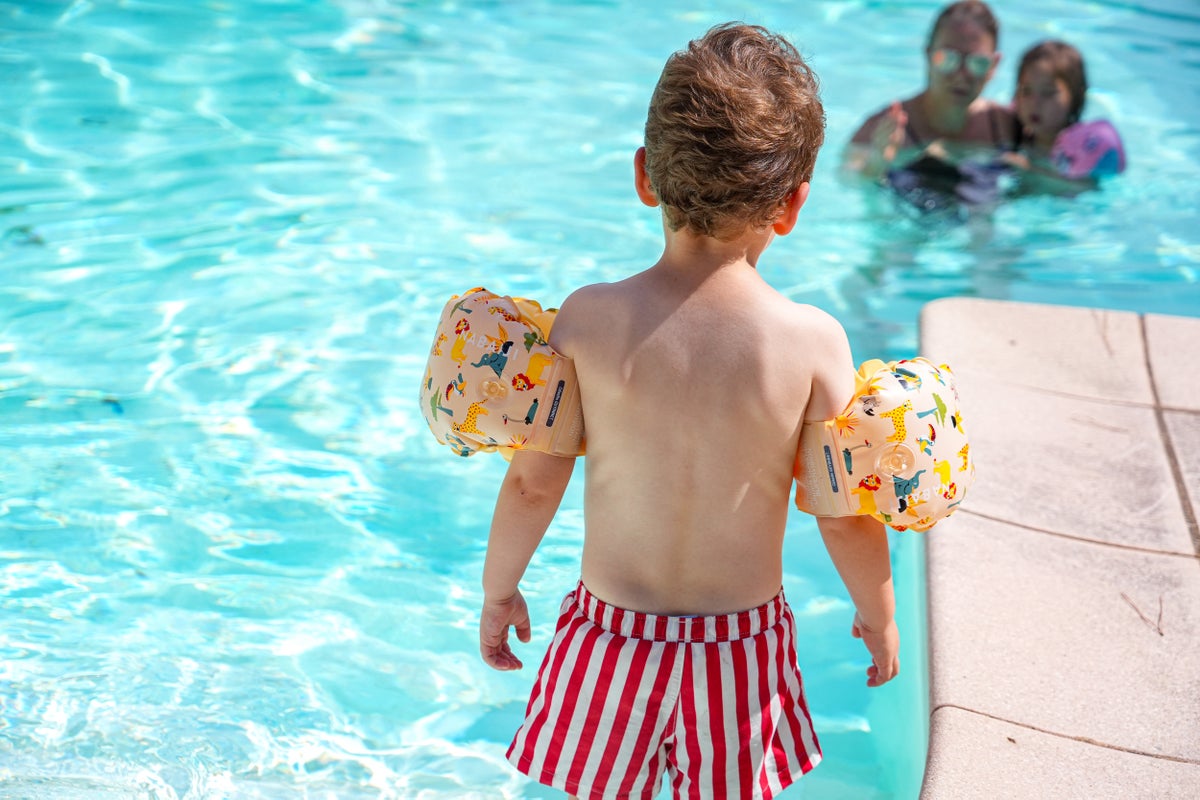
It was summer 2018 and Morgan Miller was spending time at a neighbor’s house in Orange County, California, when all of a sudden it became quiet.
She was there with her 5-year-old son Nate, 3-year-old stepson Nash and 19-month-old daughter Emmy. The children had been playing not more than 15 feet away.
“We were mid-conversation and I stood up and I turned and I walked right to where the boys were and I said, ‘Where is Emmy?’” Miller, a former professional volleyball player, later told The Today show.
Morgan found Emmy floating in the swimming pool. She jumped in to get her out and then started performing CPR. Emmy was rushed to hospital where she died a day later.
“The doctor said that her brain had just not had enough oxygen for too long of a time,” her husband Olympic skier Bode Miller added.
 open image in gallery
A growing crisis
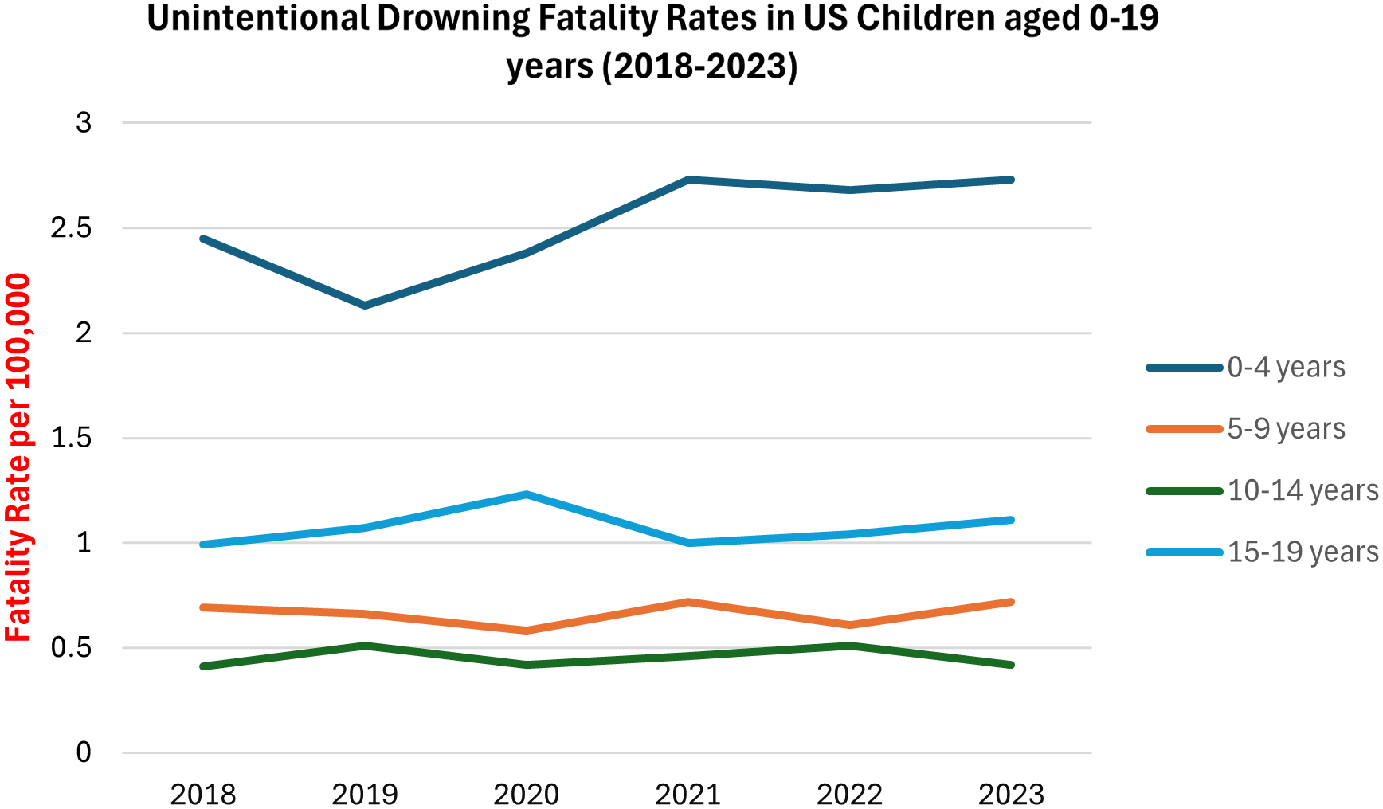
The Millers’ story is a nightmare that a growing number of parents are experiencing in the U.S. Drowning is the leading cause of death in children under the age of 5 – and the number of deaths has significantly increased in the past seven years, according to a June report from the American Academy of Pediatrics.
Child drowning deaths rose from 756 in 2019 to 865 in 2024, the most recent year for which complete data is available.
It’s likely partly because swimming lessons and access to pools was disrupted by pandemic restrictions. Pediatricians had warned in 2020 about the dangers of suspended swim lessons and that children isolating at home could have more drowning risks.
 open image in gallery
Many of these deaths were preventable, emergency physician Dr. Leana Wen told CNN last week.
“One of the report’s central messages is that preventing drowning requires multiple layers of protection, including close supervision, swimming skills, barriers around pools, life jackets and policies that improve water safety,” she explained.
The troubling uptick in child drownings has seen renewed focus on water safety campaigns by the Millers and the family behind the Northeast grocery store chain Stew Leonard’s.
In 1989, the Leonards were having a birthday party for their eldest daughter, Blake, when both parents, Kim and Stew, believed the other was watching 21-month-old son, Stewie. The toddler was found face down in the pool and later died.
.jpeg) open image in gallery
open image in gallery“My mom was in the kitchen making a birthday cake for my sister, Blake, and my dad was outside by the pool, decorating with my aunts and uncles for the party. My mom thought my dad was watching Stewie, and my dad thought Stewie was in the kitchen with my mom,” the Leonards’ second-oldest daughter, Ryann Leonard, 36, told The Independent.
“It happened within minutes,” Leonard, executive director of the family’s charity Stewie the Duck Swim School, and mother of two toddlers, added.
‘Water watchers’, lifejackets and fences
A key part of prevention is knowing what drowning looks like. Often, it happens quietly and a child is not thrashing around. Someone who is in trouble may appear to vertically bob or be trying to climb an invisible ladder.
“A child who is struggling in the water is typically focused on trying to breathe,” Dr. Wen said. “They usually cannot wave their arms or call out for help because they are using all their energy trying to keep their mouth above water.”
Beyond knowing when a child is in trouble, it is crucial that someone is watching children in the water at all times.
Lack of supervision is a factor in nearly three-quarters of child drowning deaths for kids age 0-14, the U.S. National Water Safety Action Plan says.
The “water watcher” should avoid using their cell phone and supervise within arm’s reach of children, even if there are lifeguards are present, switching with other responsible adults for breaks, the academy advises.
 open image in gallery
There are physical tools that can help, as well. Fences can prevent more than half of all swimming pool drownings of young children and should be at least four feet high with no openings, the academy says.
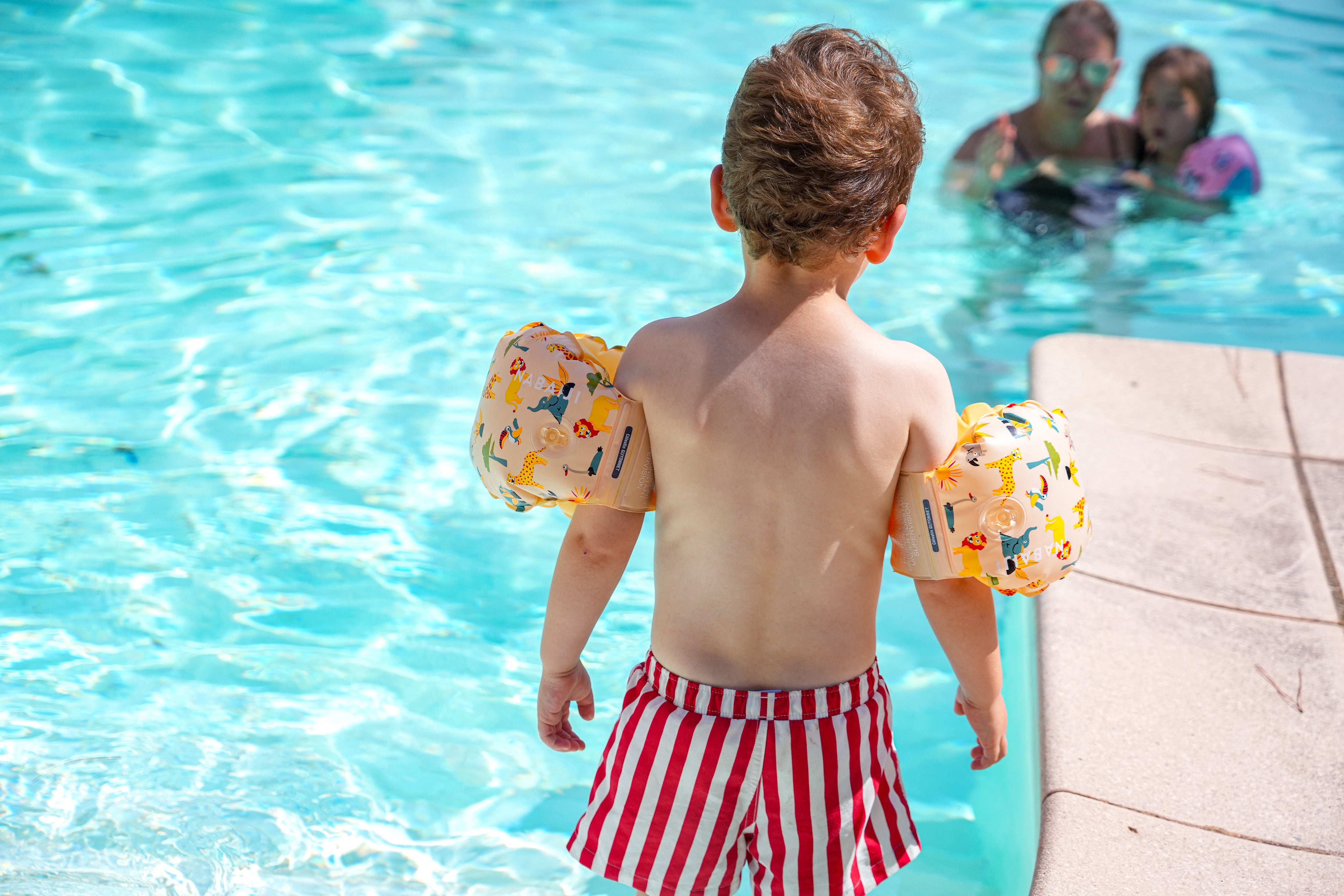
Parents should supply children with life jackets when necessary, too. Floaties do not reduce the risk of drowning and can give kids the misconception they know how to swim independently, Bode Miller pointed out in a May interview with The Today Show.
Lastly, learning CPR and taking swimming lessons are important steps for both children and adults in any situation.
Swim lessons should start after age one, the academy says.But introducing babies to water even earlier can help, Leonard said.
“Swim lessons are the single most important first step you can take,” she told The Independent.
“Starting as early as six months helps babies acclimate to the water, learn to float and feel comfortable getting their faces wet before fear can set in. The older kids get, the harder it can be to overcome that nervousness.”