


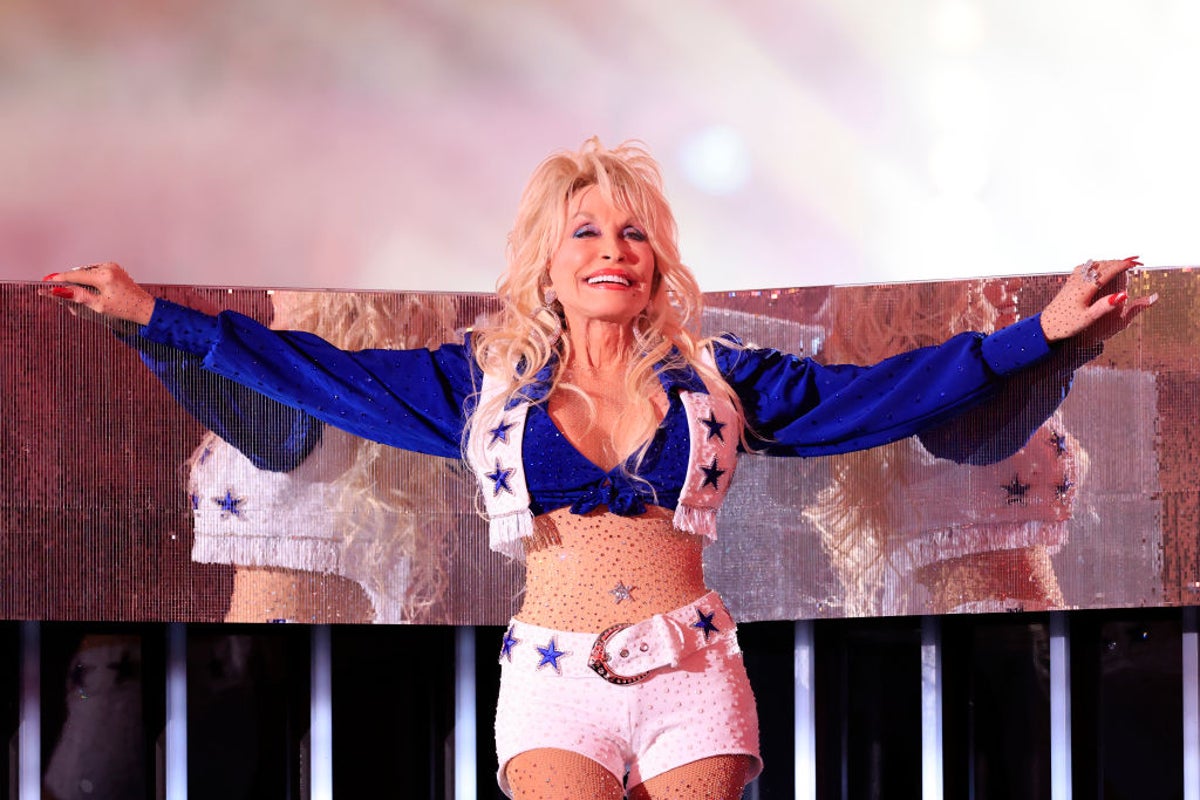
Back in 1977, the legendary music journalist Lester Bangs wrote an obituary for Elvis Presley in which he foresaw the atomization of popular culture and predicted “we will never again agree on anything as we agreed on Elvis.” While he was ahead of his time in understanding the splintering of society that was to come, there was one person he hadn’t quite counted on. Almost half a century after the death of the King of Rock’n’Roll, America still agreed about its Queen of Country.
When news broke Tuesday that Dolly Parton had died of cancer at the age of 80, the announcement was swiftly followed by an outpouring of grief that, for a brief moment, truly united both the nation and the planet. Rich or poor, young or old, liberal or conservative, it seemed everybody had something good to say about the woman who assured us “I Will Always Love You.”
Even Donald Trump was uncharacteristically dignified, writing on social media that: “This is a true loss for millions of people. There has never been anyone like her, and never will,” and ordering flags to be flown at half mast. He was joined in paying his respects by every living former president, bringing together Republicans and Democrats in a rare outpouring of shared sorrow.
Joe Biden called Parton “an American original.” Barack Obama highlighted her work to fund the Moderna COVID vaccine. George W. Bush said he “loved her music and her style.” Bill Clinton recalled first seeing her perform in 1974, and praised her for rising “high from her East Tennessee roots” and never forgetting “where she came from.”
.jpeg) open image in gallery
open image in galleryIt would be easy to think that this universal acclaim from across the political divide can be attributed to Parton not “doing” politics, which she often claimed herself. It’s true that she took care not to be seen as partisan. She turned down the Presidential Medal of Freedom three times, twice from President Trump because on one occasion her husband was ill and the next was during Covid travel restrictions. The third time, she declined to receive the prestigious award from President Biden for fear of appearing to show favoritism.
During an appearance on the Prime Time Country! talk show in 1999, she was asked if she would ever consider running for office herself and was ready with a perfect zinger. “I think of myself more as a diplomat,” she replied. “That’s the kind of people who tell you to go to hell in such a way you look forward to the trip.”
However, it isn’t entirely accurate to say that Parton was apolitical. She spent her life (and her fortune) supporting and raising money for the causes she believed in, including HIV/Aids-related charities and efforts to preserve the bald eagle. Her outspoken support for trans people or her belief in Christianity could have seen her become more politicized if she wasn’t so deft at defusing controversy.
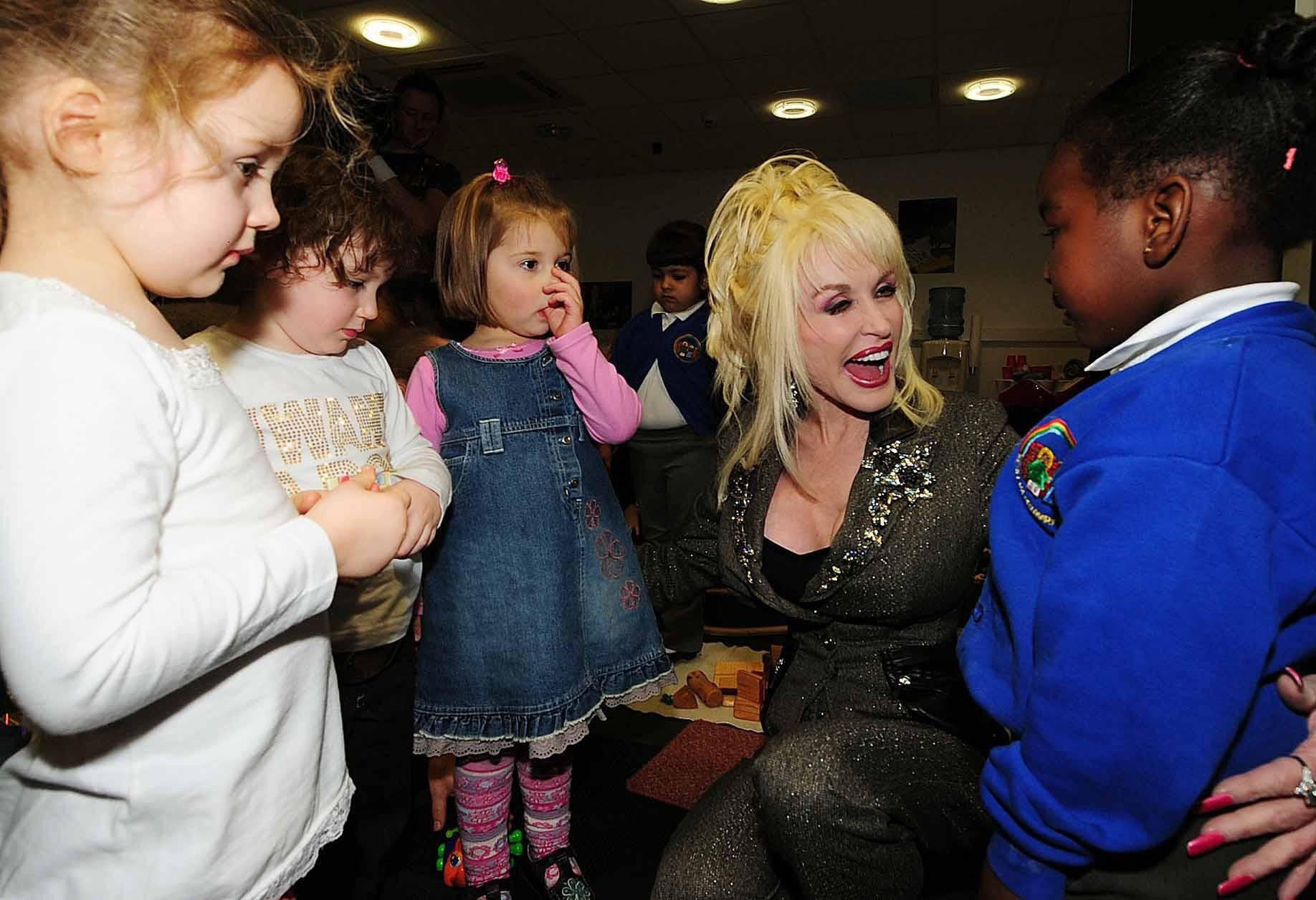
It was Parton’s remarkable achievement in creating her Imagination Library, which sends out hundreds of thousands of age-appropriate books to children each month, which earned her praise from some of the world’s wealthiest people. Harry Potter author J.K. Rowling called the scheme “the best contribution to child literacy ever made by a celebrity,” while Amazon founder Jeff Bezos posted a photograph of himself with Parton and wrote that: “Dolly spent her whole life showing us what it means to lead with love.” Bezos donated $100 million to Parton’s charity in 2022, but in the wake of his tribute many people online pointed out how paltry his charitable donations are compared to the late singer’s. It is estimated that Parton would have died a billionaire if she had not been so intent on donating at least $500 million (more than her remaining estate) to charitable causes throughout her lifetime.
 open image in gallery
Enjoy unlimited access to 100 million ad-free songs and podcasts with Amazon Music
Sign up now for a 30-day free trial. Terms apply.
ADVERTISEMENT. If you sign up to this service we will earn commission. This revenue helps to fund journalism across The Independent.
Culturally, Parton brought together musicians and artists from disparate genres. Tributes rolled in from young country stars she’d inspired, such as Taylor Swift and Kacey Musgraves, but also from Paul McCartney, Mick Jagger and Pitbull, who said onstage that Parton was “very special to me and showed me love and believed in me when a lot of folks didn’t.” Eminem shared a letter she’d sent him, noting: “Even for a kid who mostly listened to rap music, she was an icon.” A festival of artists inspired by Parton would have the most eclectic line-up imaginable.
The love for her extended well beyond the shores of America. In Britain, the official social media account for the Royal Family shared a video of the the Changing of the Guard’s military band playing a rendition of Parton’s working class anthem “9 to 5” outside Buckingham Palace. Who could have possibly imagined something like that when she was a young girl growing up in a log cabin in rural Tennessee? Only a dreamer like Parton.
She was the great unifier and equalizer, capable of winning over fans and critics not just with the beauty of her music but with her Southern charm and the purity of her spirit. Lester Bangs was almost right: We will never again agree on anything as we agreed on Dolly.