


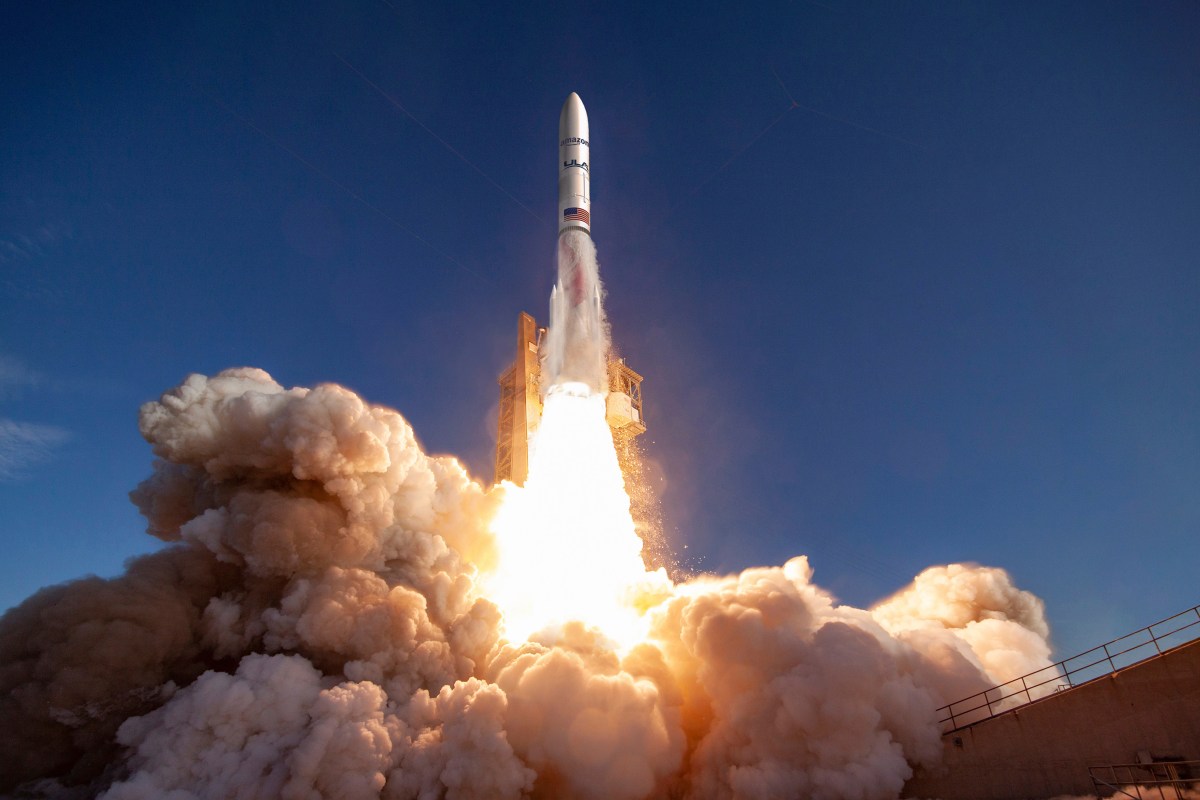
Amazon filed an application with the Federal Communications Commission for a license to operate a new network of 5,105 satellites that would provide service to mobile phones, with plans to start launching them in 2028.
The move comes several months after Amazon acquired the satellite operations of Globalstar, which provides emergency connectivity to Apple iPhones and internet-of-Things devices. The filing revealed the company’s plans to leverage Globalstar’s radio spectrum to expand these offerings and integrate them with Leo, Amazon’s broadband internet satellite network.
That sets up more competition with SpaceX, which has dominated both the satellite internet and satellite-to-mobile services market. SpaceX will spend $20 billion buying spectrum from Echostar to build out its mobile constellation, one of the key growth strategies described in its IPO filings.
Still, it’s not yet clear how valuable satellite-to-mobile connections will be. Most offer limited bandwidth, suitable only for text messages or emergency situations. The CEO of T-Mobile, which uses SpaceX satellites to offer customers satellite connectivity, said this spring that there wasn’t significant customer interest.
“Just to give you an example, we look at our data in May, and satellite usage is 0.0002% of our total network usage. That’s three zeros,” Srini Gopalan said at a conference in May. “We’re seeing it largely focused on the national parks.”
Amazon has an additional challenge: It doesn’t have its own fleet of rockets. It had planned to depend on Jeff Bezos’ space company, Blue Origin, to launch its satellites, but the company’s rocket, New Glenn, has been delayed and is now grounded following an anomaly that destroyed its launch pad in May. The company had to request an extension to the deadline imposed by its FCC license to build out its network.
While Amazon still lags behind SpaceX, its massive capital reserves — $255 billion in current assets on the books as of the end of April — mean that it can keep investing in its network, while SpaceX’s capital needs appear far more pressing.