


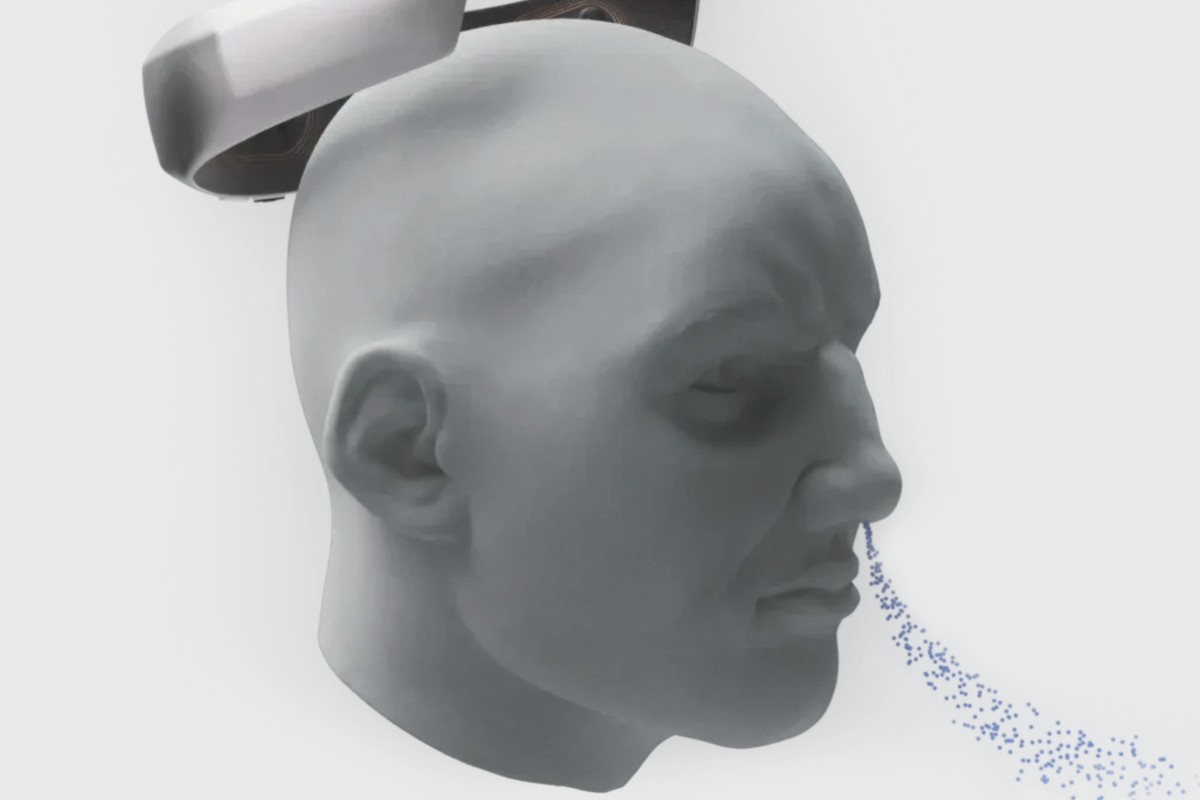
Artificial intelligence pioneer Ray Kurzweil has joined a neurotechnology startup that is aiming to connect people’s brains to computers using inhaled nanoparticles.
Silicon Valley-based Subsense is pursuing an alternative brain-computer interface (BCI) to Elon Musk’s Neuralink. Rather than relying on invasive surgery to implant electrodes in the brain, the company plans to use a nasal spray.
The technology works by sending charged nanoparticles up the nasal passage to the brain via the olfactory nerve, which is responsible for delivering information about smell.
Once inside the brain, the particles position themselves near neurons, where they can respond to magnetic fields generated by an external headset. This allows neural activity to be read and stimulated without surgery.
“For years, I have believed that the convergence of AI, nanotechnology and neuroscience could fundamentally change how humans interact with technology,” said Kurzweil.
“Subsense is pursuing an approach that brings those fields together in a particularly compelling way, with the potential to move brain-computer interfaces beyond today’s surgical constraints and, over time, toward much broader applications.”
 open image in gallery
Kurzweil, who has worked as a principal AI researcher at Google since 2012, is best known for his technological singularity theory from 2005. In it, he posits that artificial intelligence will reach human intelligence by the year 2029, before humans merge with machines in 2045, triggering a runaway intelligence explosion.
“Some of the ideas Ray has spent his career thinking about still belong to the future,” said Tetiana Aleksandrova, co-founder and CEO of Subsense.
“Our job is to figure out, rigorously and step by step, which parts of that future we can begin building today.”
Subsense has already raised $27 million to develop its novel technology, with experimental tests already undertaken on mice.
The startup is still years away from testing on humans, but early applications are aimed at focusing on neurological conditions like Parkinson’s disease and ALS.
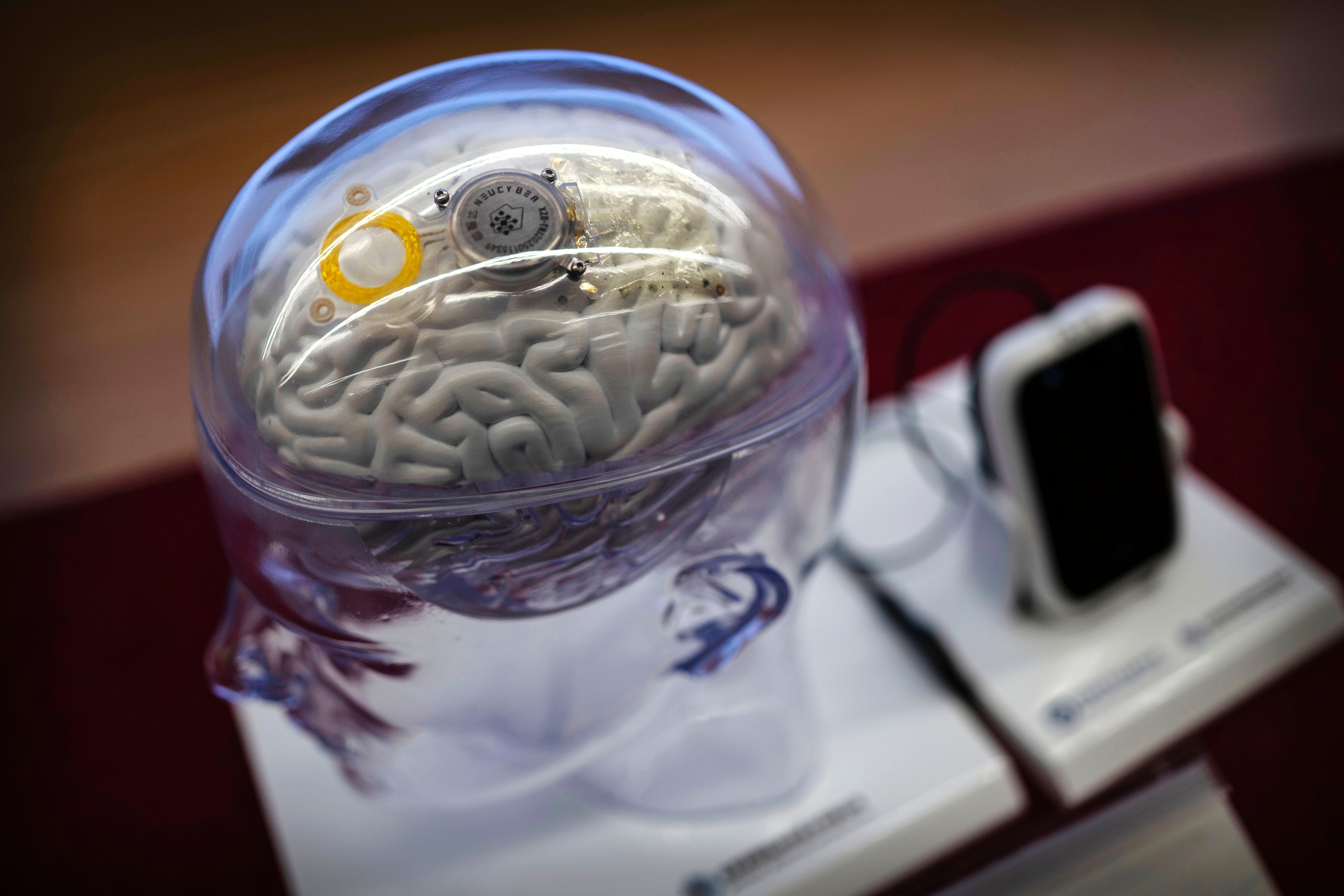
The latest announcement comes amid growing interest in BCIs, with Chinese authorities recently launching a major push towards developing the technology.
 open image in gallery
Earlier this year, China became the first country in the world to approve BCI devices for commercial use, with several products already on sale for medical use.
Musk’s Neuralink has already successfully demonstrated several use cases for its brain chip, including allowing users to control robotic limbs and computers using only their thoughts.
More than 10,000 people have already signed up to the firm’s patient registry in the hope of partaking in future trials.