


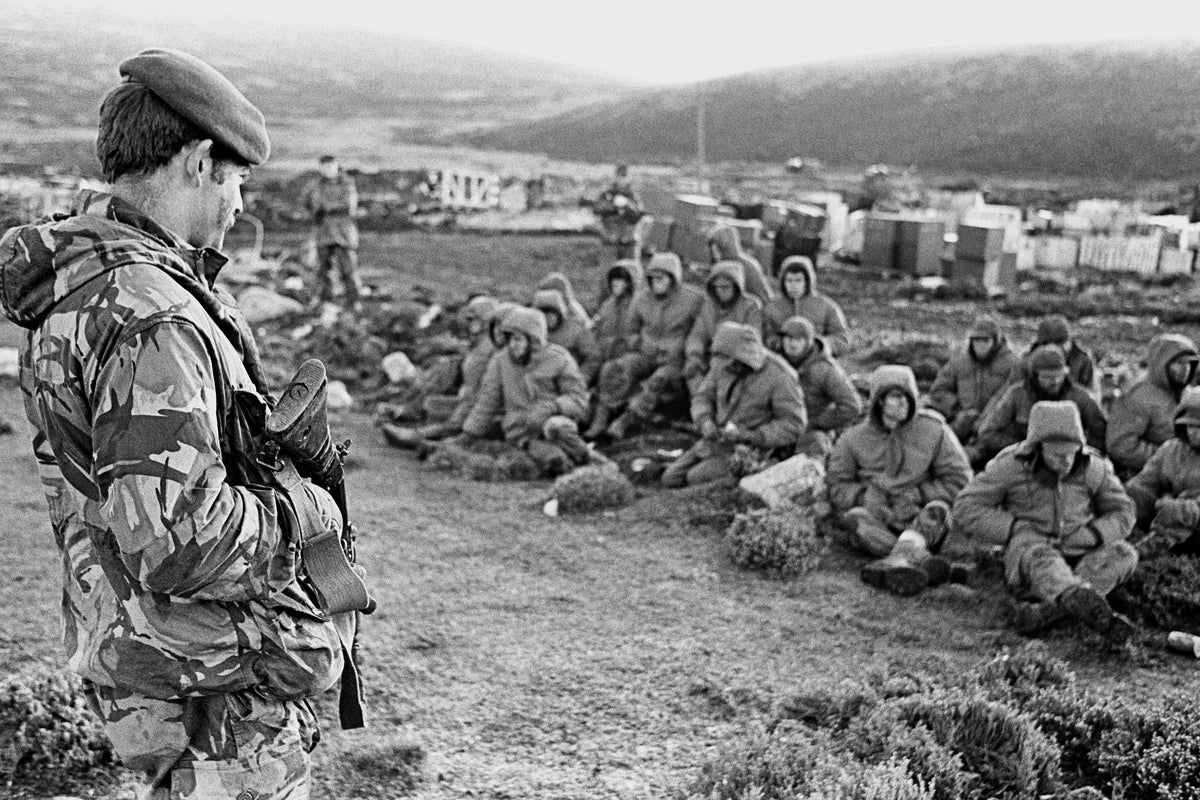
Britain’s dedication to the Falkland Islands remains “absolute and unshakeable”, the Defence Secretary affirmed, following statements by Argentinian President Javier Milei that his country must reclaim them.
Speaking in a national address, Mr Milei reasserted Argentina’s claim over the islands and pledged sanctions against oil companies operating in the vicinity.
The revived friction over the British overseas territory comes after President Donald Trump hinted the US would not assist the UK during any future Falklands conflict.
Responding on social media, Defence Secretary Wes Streeting wrote: “Milei’s statement overnight tells us more about domestic politics in Argentina than it does about the Falkland Islands.
 open image in gallery
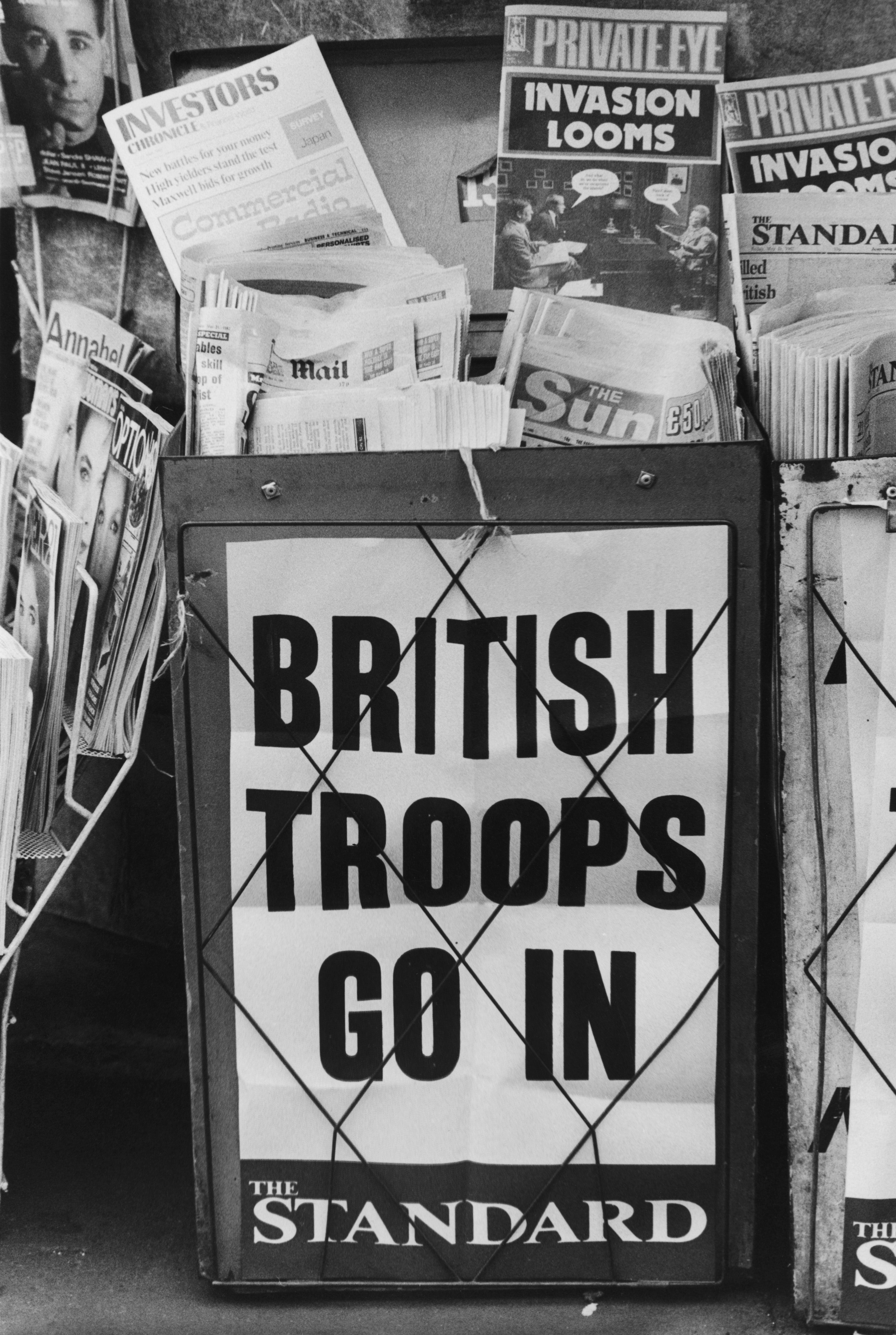
With renewed debate regarding sovereignty over the Falkland Islands, here is a recap of key events from the 74-day war between the UK and Argentina in 1982:
March
March 19: Workers from Argentine Davidoff scrap metal company land on the island of South Georgia without permission. In the ensuing dispute the HMS Endurance, which had been earmarked for retirement, is dispatched to the island.
April
April 1: Falklands governor Rex Hunt is informed that an Argentine task force is gathering. UN Security Council meets at UK request.
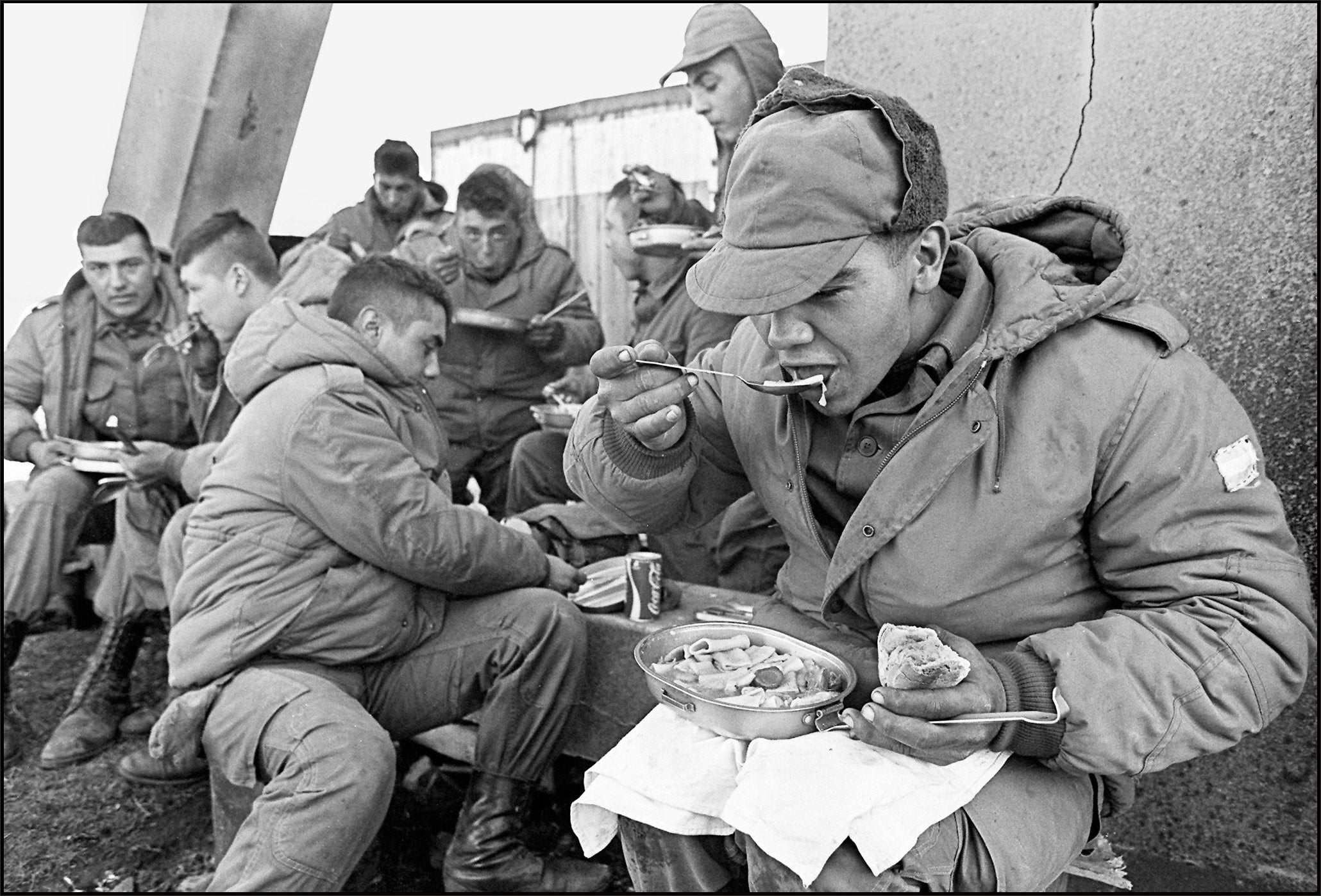
April 2: Argentine invasion of the Falkland Islands overpowering 80 Royal Marines and local volunteers.
April 3: Argentine forces take South Georgia.
– Margaret Thatcher announces a task force will sail to the South Atlantic.
– UN General Assembly passes resolution 502 calling for the cessation of hostilities, withdrawal of Argentine troops and the resumption of sovereignty talks between Britain and Argentina.
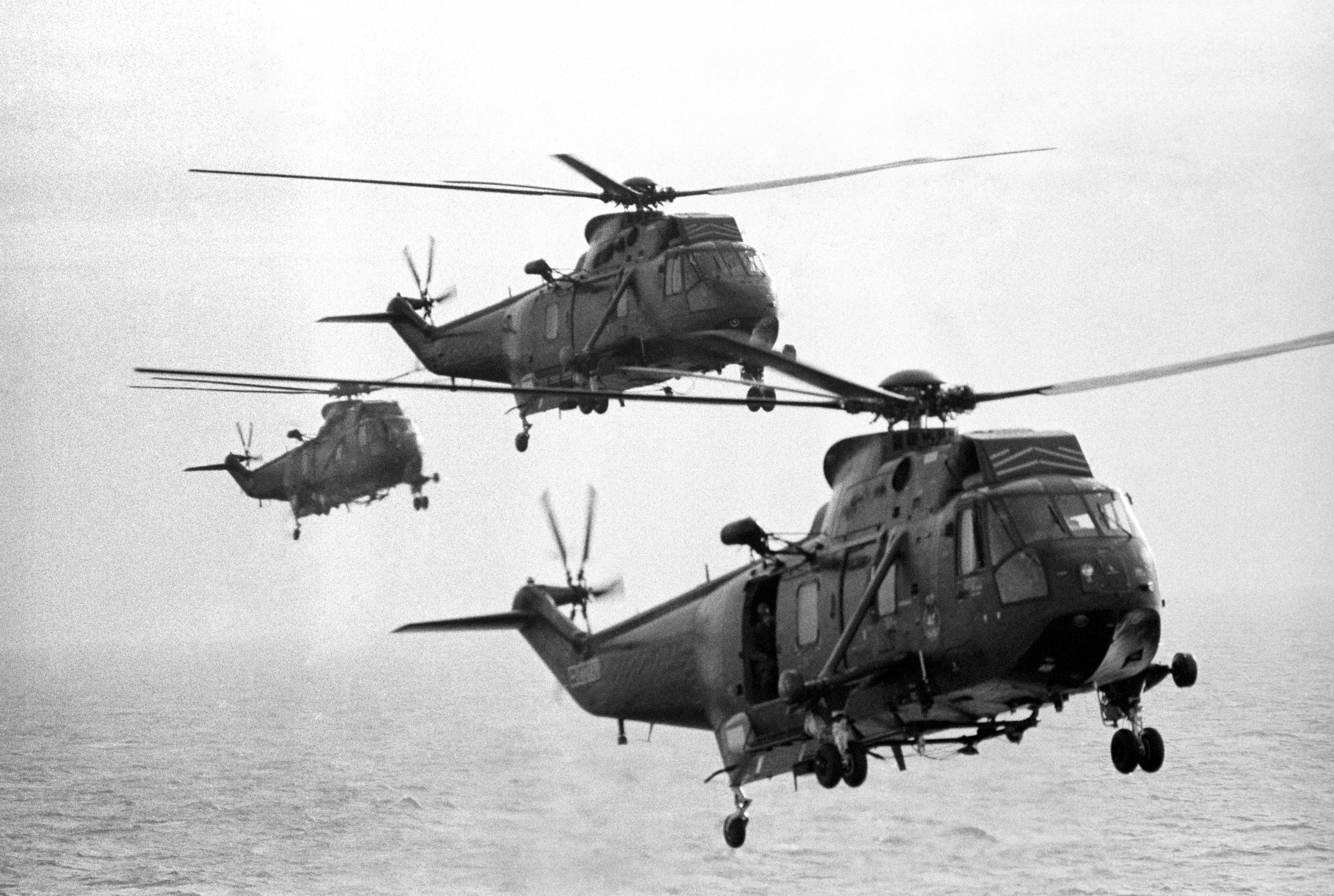
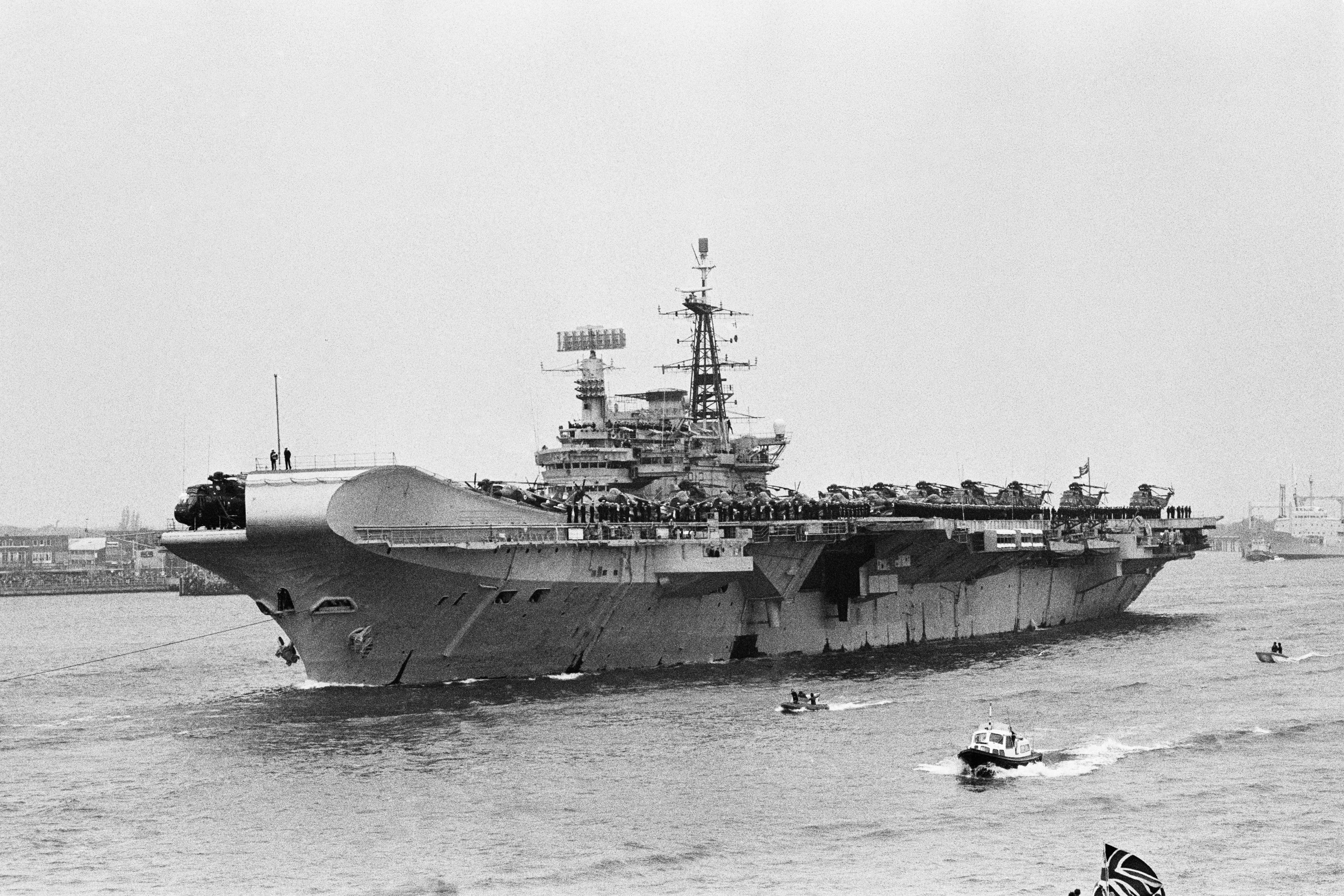
April 5: Resignation of foreign secretary Lord Carrington. Task force, including the aircraft carriers HMS Hermes and HMS Invincible, sets sail.
 open image in gallery
April 10: European Economic Community (EEC) agrees sanctions against Argentina.
April 12: UK announces a maritime exclusion zone 200 miles around the islands.
April 25: British forces recapture South Georgia.
April 30: Britain declares a total exclusion zone around the islands.
May
May 1: First British attacks. RAF bomb Port Stanley airfield in an 8,000-mile round-trip from Ascension Island.
May 2: Argentine cruiser General Belgrano sunk by the British.
May 4: HMS Sheffield hit by Argentine Exocet missile, killing 20 officers and ratings and injuring 26.
May 14-15: SAS raid on Pebble Island. Several Argentine Pucara aircraft damaged or destroyed.
 open image in gallery
May 20: UN secretary-general admits failure of UN talks.
May 21: British forces land at San Carlos on East Falkland and establish a beachhead. HMS Ardent is sunk, killing 22 crew members.
May 23: Attack on HMS Antelope, it later explodes and sinks.
May 25: HMS Coventry sunk by air attack, killing 19 of her crew. Container ship Atlantic Conveyor destroyed by Exocet missile, killing 12, becoming the first British merchant vessel lost to enemy fire since the Second World War.
May 27: British forces move forward to Teal Inlet and Mount Kent.
 open image in gallery
May 28: British victory in the battle for Darwin Hill and Goose Green (2 Battalion the Parachute Regiment) – 17 British servicemen are killed.
June
June 1: 5 Infantry Brigade arrive at San Carlos.
June 8: Royal Fleet Auxiliaries Sir Galahad and Sir Tristram bombed at Fitzroy killing 51.
June 11-12: British forces take Mount Harriet, Two Sisters and Mount Longdon.
– HMS Glamorgan hit by land-launched Exocet missile, killing 14 Britons.
June 13-14: British forces take Tumbledown Mountain, Wireless Ridge and Mount William approaching Port Stanley.
June 14: Argentine General Menendez surrenders to British Major-General Jeremy Moore, bringing the war to an end.