


A moment that changed me: I became an uncle – and it helped me heal from childhood bullying
My ‘niblings’ gave me a positive reason to return to the home town where I’d experienced homophobia as a boy. Over time, they transformed my sense of family and self
When I found out I had become an uncle, I was 22 and on a year abroad as part of a languages degree, living in Madrid. I’d spent much of my time there having raucous fun on the city’s gay scene, dancing till the early hours then sloping off with Spanish men. It felt a long way from my family life back home in Bolton.
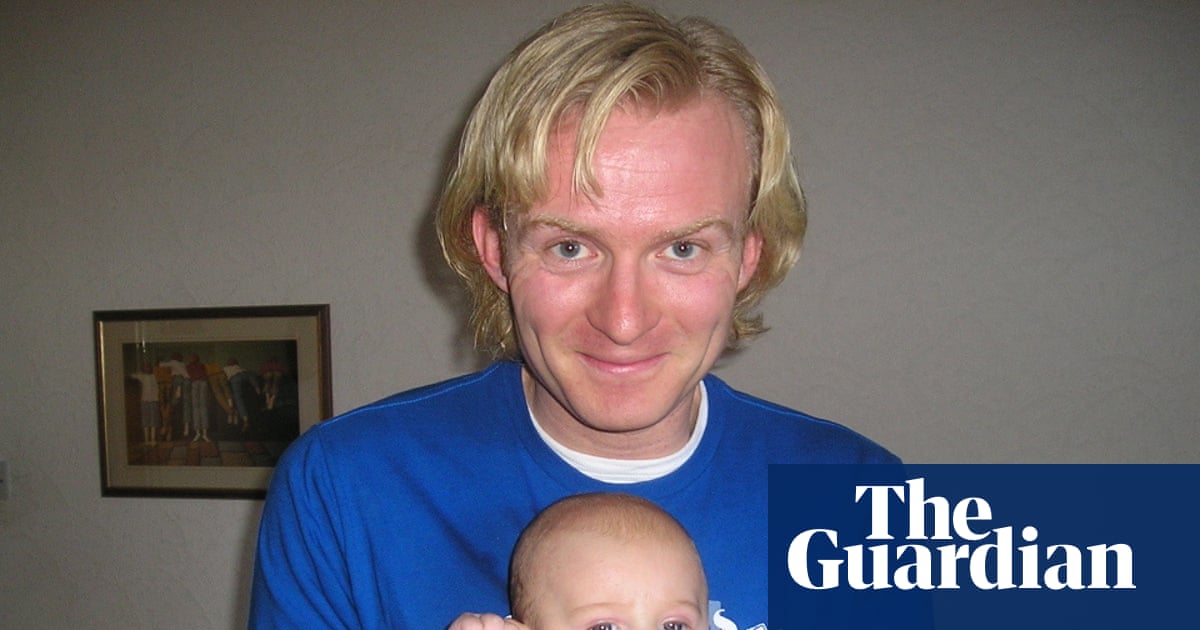
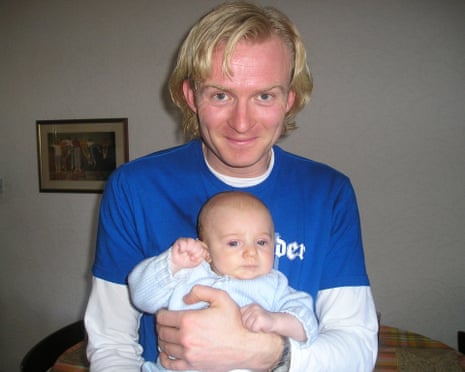
As this was 1997 – a time before mobile phones – calls from landlines had to be rationed to once a week. But my mum phoned to tell me my sister had gone into labour and then, two days later, the phone rang again with the news that I had a nephew. It felt like an abstract concept, not quite real.
I was desperate to meet the baby but had to wait six weeks till the end of the academic year and my flight home. So I reverted to having wild nights out in Madrid. When I woke up with a strange man and an apocalyptic hangover, I couldn’t see how my life was compatible with the responsibility of being an uncle.
When I finally met my nephew, I fell instantly in love. But he was so small and fragile, I was nervous about picking him up. And he cried the entire weekend. I had no idea how to calm him or how to wind him, and although I was bursting with love, I wasn’t sure how to express it. The idea made me feel uncomfortable.
I’d grown up in a time when gay men were widely considered to be a danger to children – deviant sexual predators who wanted to “recruit” or “convert” the young. Section 28 existed to stop us “promoting” our sexuality in schools. But I’d been out of the closet for years and there was no way I was going back in. So I needed to learn how to be a gay uncle.
There was no manual to consult. My nephew was born just a few weeks before Tony Blair’s Labour government came to power, before gay men were given the equal age of consent, when we could still be fired from our jobs for being gay. Equal marriage and adoption rights were well down the line. It didn’t occur to me that, one day, I might be able to have my own children, so I thought being an uncle was the closest I’d get.
Over 15 years, one nibling became six. I spent as much time with the children as possible, setting aside a week each year to look after each set of kids during the school holidays. After university, I settled in London – and I soon discovered that, with children, trips on the London Eye were sometimes less exciting than catching an underground train or sitting upstairs on a bus.
As the kids grew older, I took them on several holidays, spending hours throwing keys into the pool to see who’d catch them first. Then I married a man with a second home in Italy, and within months we were flying out there with the niblings in tow. They loved hunting for lizards, flying kites on the beach and scouring the local restaurants for the perfect carbonara.
Now I was finally in a stable relationship, gay men had equal rights and I was surrounded by queer parents, I considered whether I wanted to be a dad. But I no longer felt the need; my six niblings were more than enough. Then a seventh was born three years ago.
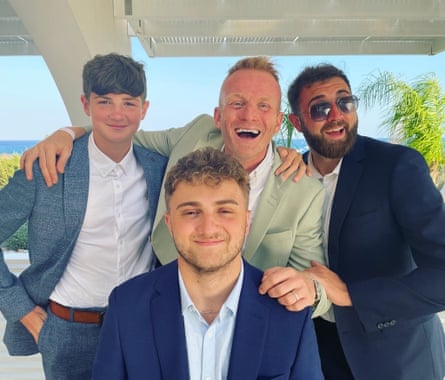
My nephews and nieces also helped heal my relationship with my home town. After a childhood marred by homophobic bullying, they gave me a reason to look forward to going home. I’ve had several gay friends who turned their backs on their small home towns, but I soon found my role as an uncle drew me to return.
As the children grew up, they lost their hero worship of me; I was sad to hear them say they were embarrassed when I sang to them in public. But we adjusted from the uncle-nibling relationship to one of two grown adults, each with their own likes and dislikes – and sometimes very different politics.
I now consider it a privilege that I wasn’t able to default to the traditional parent-child relationship but had to invent a role that reflected my individuality. I haven’t done the drudgery of early mornings, forcing breakfast down them and corralling them out of the house, but I like to think I have helped broaden their horizons and encouraged them to dream big.
In return, the children have taught me a valuable lesson. They made me see that one of the greatest privileges of being queer is being able to break free of the boxes and labels created by society and invent a unique way of life. It made me realise that the idea of “family” could be redefined, rather than left behind. And since all families are unique in one way or another, it’s an approach that holds value beyond the LGBTQ+ community, too.
The Castle of Stories by Matt Cain is published 4 June (Pansy, £9.99). To support the Guardian, order your copy at guardianbookshop.com. Delivery charges may apply