


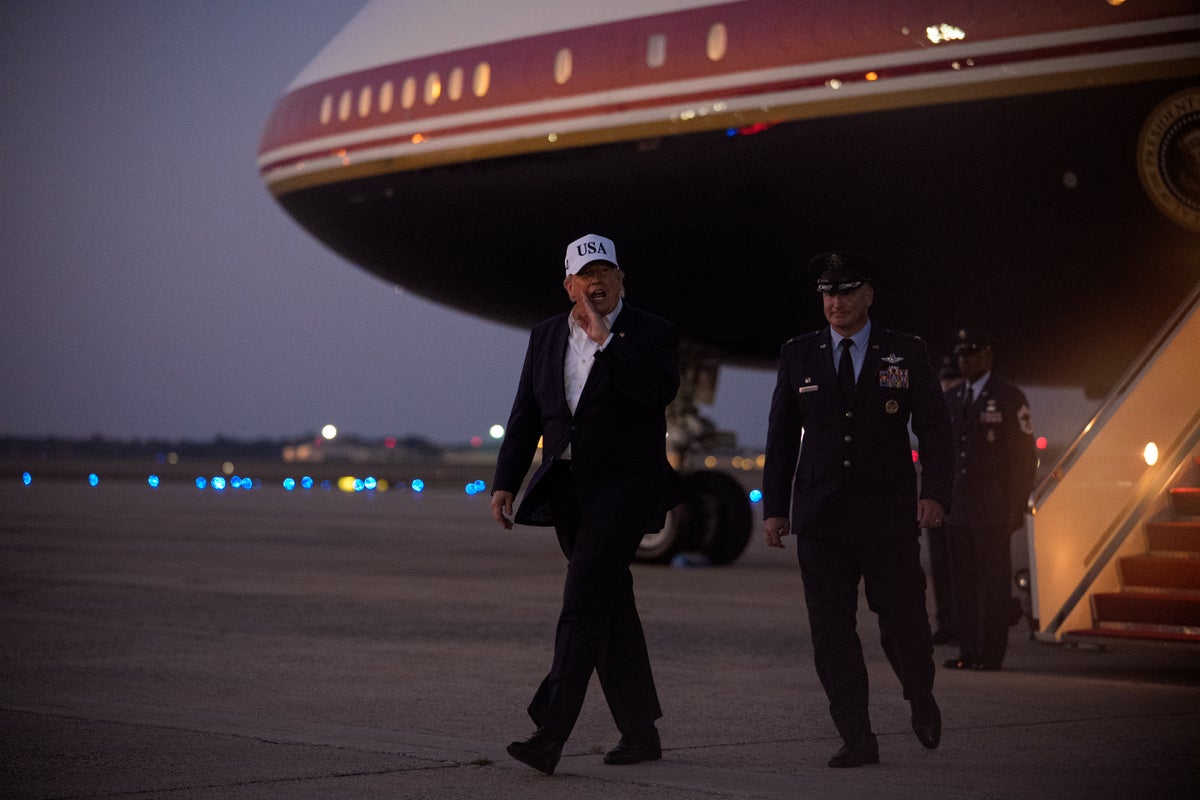


Indirect talks between Tehran and Washington have ended in a stalemate in Doha despite President Donald Trump insisting the US is getting along “very well” with Iran.
The discussions, which were handled by mediators, concluded on Wednesday evening, as sources said teams largely focused on issues that had supposedly already been settled.
Iran has said it would not initiate the remaining clauses of the memorandum of understanding (MoU) until the initial five clauses were fully stabilised and finalised.
But President Trump told reporters that the “denuclearisation of Iran is moving along well” and that “very good meetings” were held in Qatar as he and his vice president played down any suggestion of a return to all-out combat.
Trump’s envoys Steve Witkoff and Jared Kushner arrived in Qatar on Tuesday to meet mediators, but no direct talks have taken place.
Qatar’s foreign ministry said the talks made “positive progress” on issues related to the interim agreement and were “building on the outcomes” of a previous summit in Switzerland.
Back in the US, Vice President JD Vance slammed critics of Iran negotiations during a visit with troops, claiming they wanted the war “to just keep going and keep going.”
Gaza marks 1,000 days of war
Palestinians face an uncertain future as Gaza marked the 1,000th day of war since Israel launched an offensive in Gaza following a Hamas-led attack.
Other conflicts have emerged in the region, and fragile ceasefires show scars of persistent attacks.
Both Israelis and Palestinians are weary of the strain.
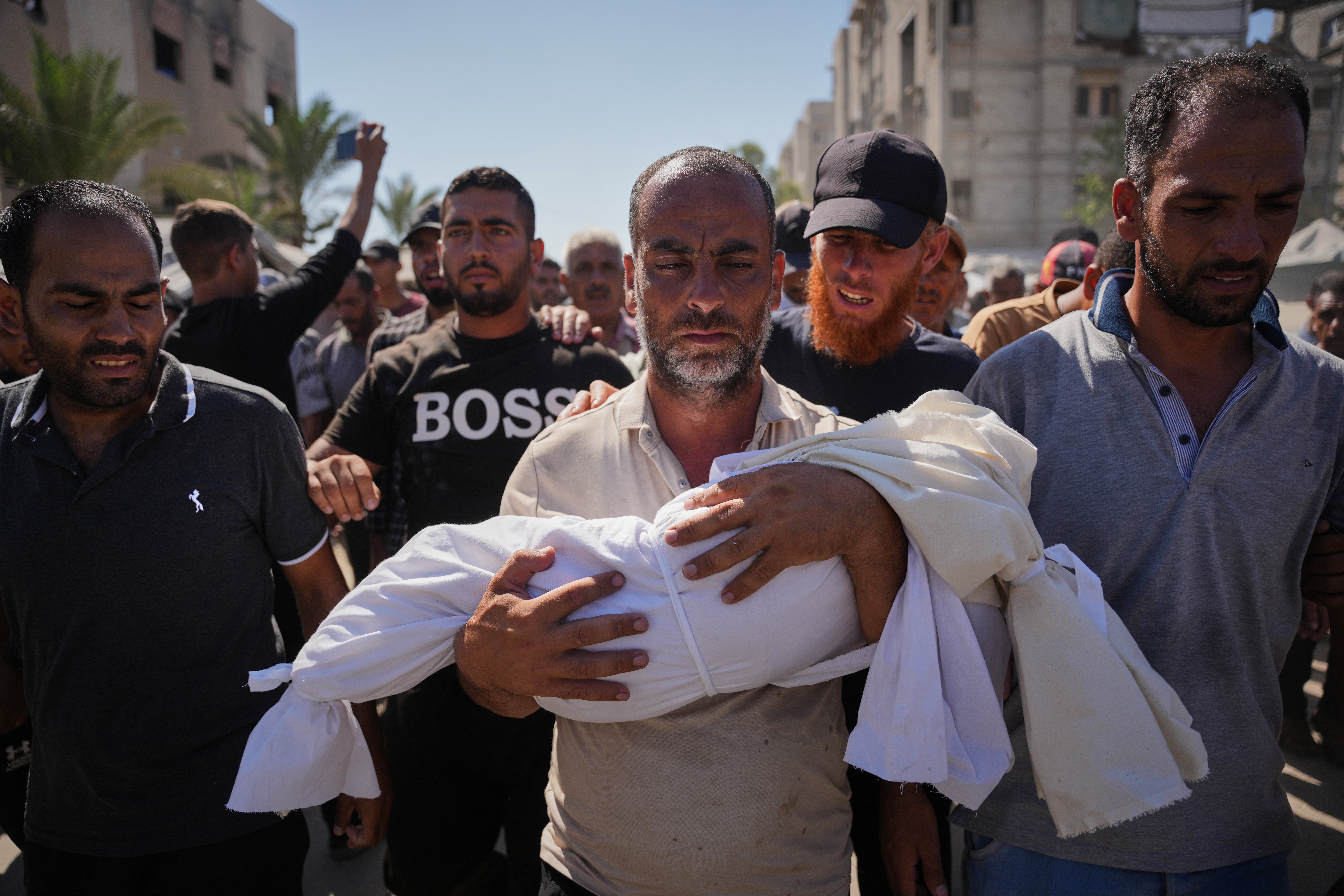
The fate of over 2 million Palestinians in Gaza, largely displaced and living amid ruins, remains uncertain.
Israeli forces controlled over half of the territory under the ceasefire that took effect on October 10, but Israel’s government has expanded that and says it aims to hold 70%.
“Much more needs to be done so that even a semblance of normality can come back, and we are far, far away from this,” the International Committee of the Red Cross regional director, Nicolas von Arx, said this week.
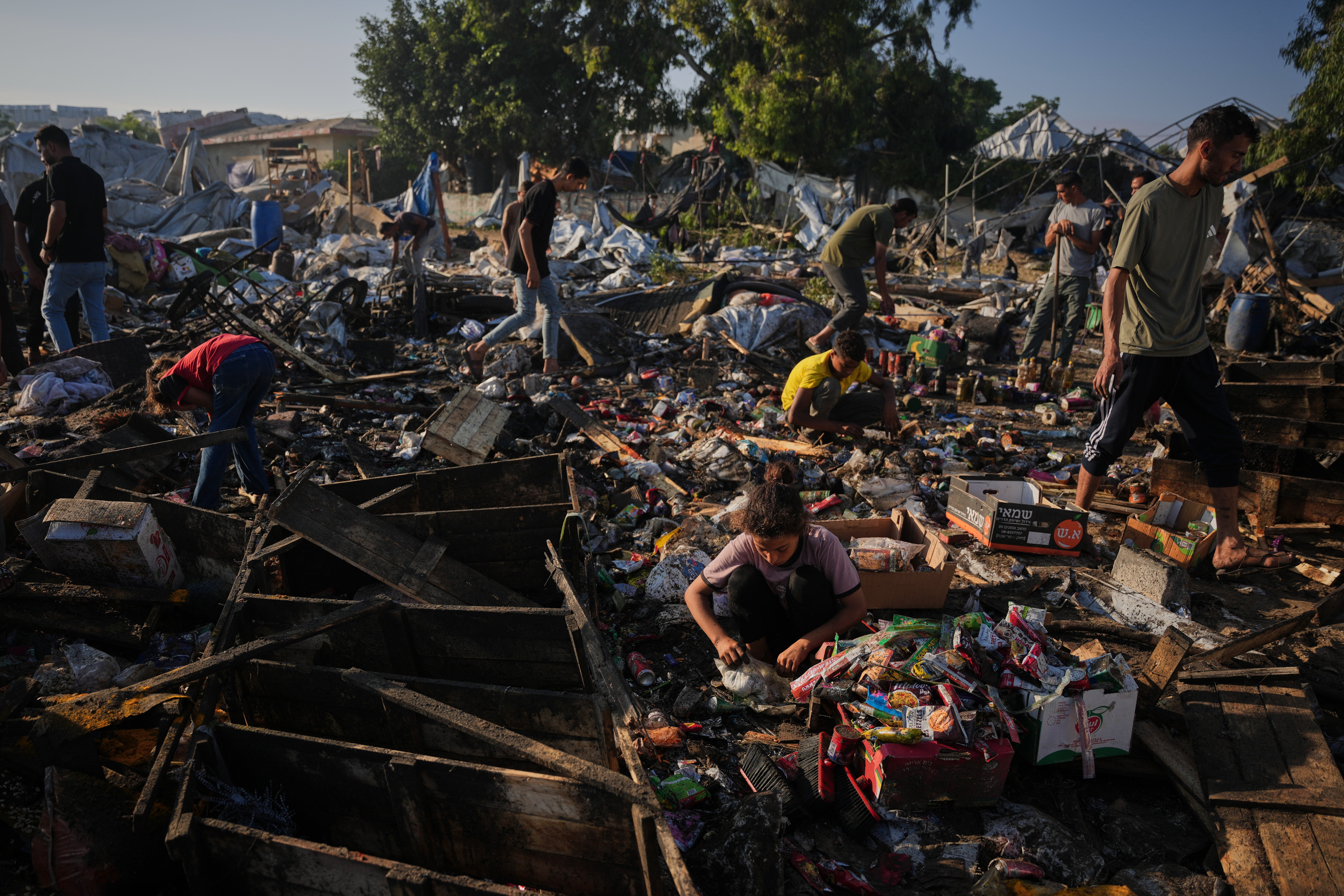
Israeli strikes have lessened considerably since the ceasefire took effect, but they continue almost daily.
Gaza’s health ministry counted 1,053 Palestinians dead since the ceasefire as of Tuesday, including over 350 women and children.
The United Nations on Wednesday warned that the Israeli expansion in Gaza increases deadly risks for civilians in “areas lacking clear demarcation on the ground.”
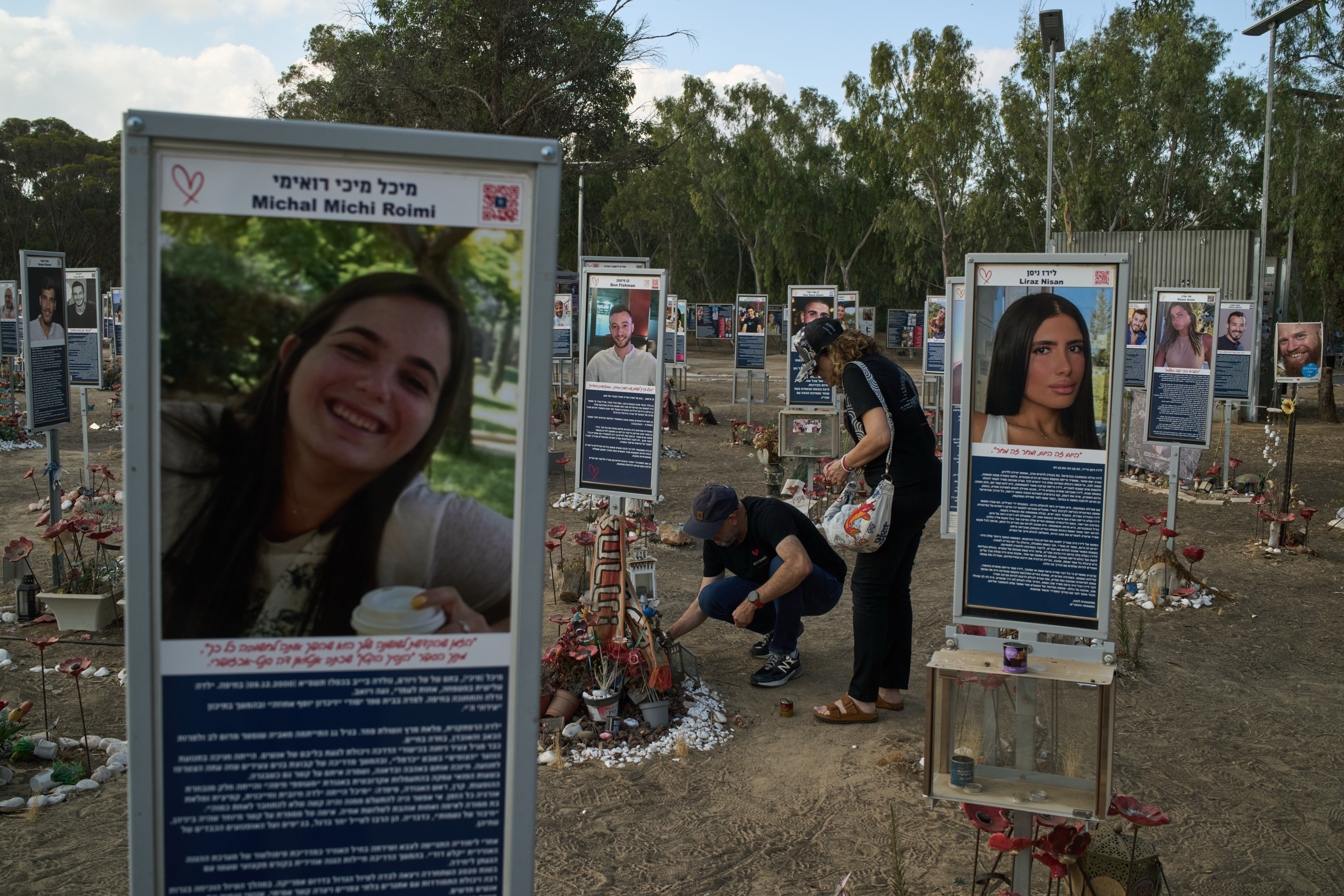
The health ministry said over 3,400 people have been wounded since the ceasefire.
The ministry is part of the Hamas-led government and maintains detailed casualty records seen as generally reliable by UN agencies and independent experts.
Shweta Sharma2 July 2026 07:21
Iran war cut into construction spending in US: data
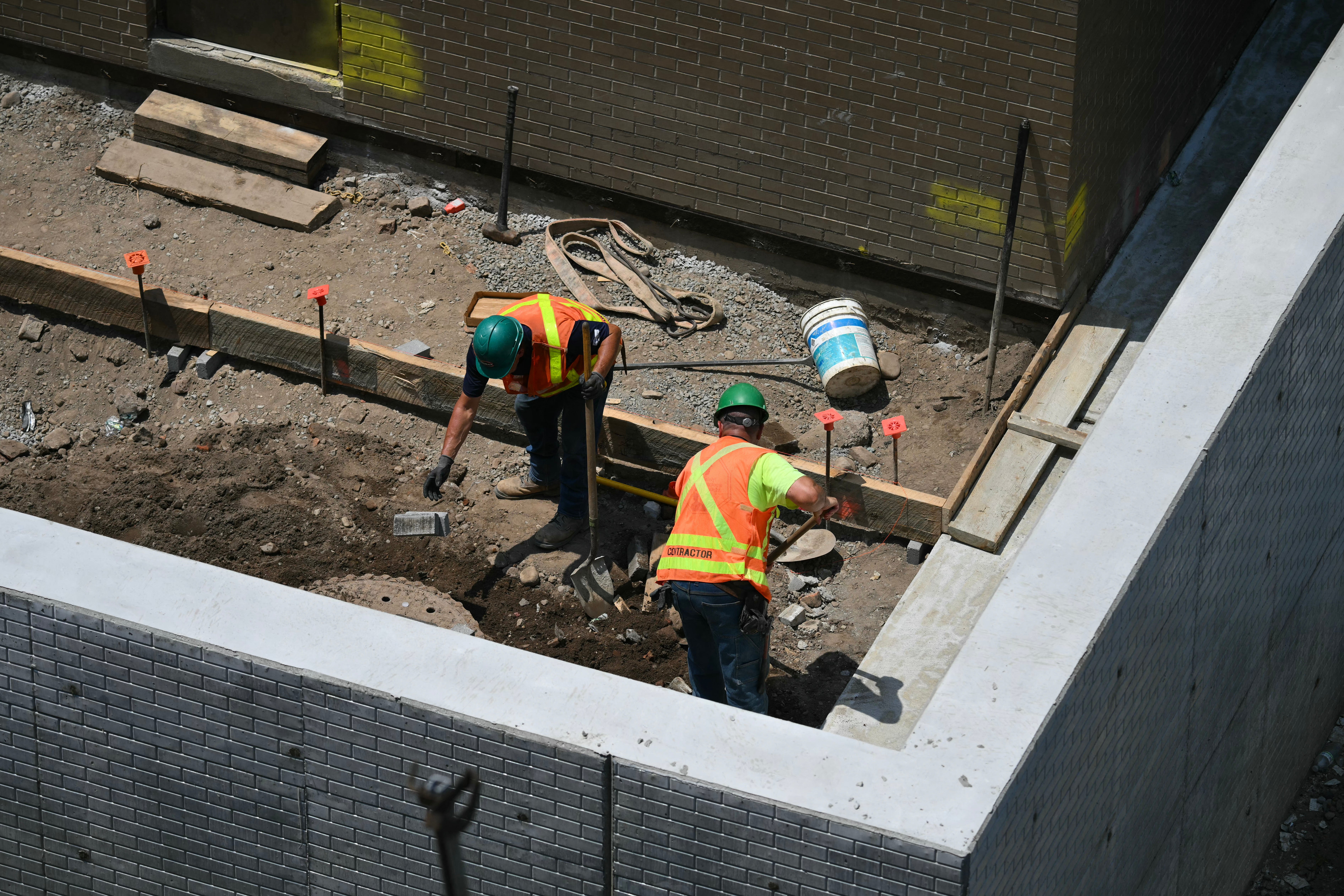
Construction spending in May was down 4 percent year-over-year, according to new U.S. Census Bureau data, a change homebuilders are blaming on the macroeconomic impacts of the Iran war.
EJ Johnson, president of the Lance Johnson Building Company in Arkansas, had been expecting a strong selling season before the conflict kicked off in late February.
“Then we decided to go to war,” Johnson told Marketplace. “We’re still moving houses, but we’re not moving them at the rate that we should be today.”
Mediators note ‘positive progress’ in US-Iran talks in Doha
Qatar and Pakistani mediators concluded separate meetings with the US and Iranian negotiators in Doha on Tuesday, Pakistan’s foreign ministry said.
It said “positive progress” had been made on the issues related to the MoU.
“Parties have agreed to continue discussions over the coming period with the next meeting set at the earliest possible time following the funeral processions of the former Iranian Supreme Leader,” it said.
Shweta Sharma2 July 2026 06:38
Oil prices extend losses as traffic partially resumed through Hormuz
Oil prices continued to fall in early trading as traffic has partially resumed through the Strait of Hormuz.
Brent crude futures fell 73 cents, or 1.02 per cent, to $70.84 a barrel by 01.02 GMT, while US West Texas Intermediate crude dropped 83 cents, or 1.21%, to $67.75 a barrel.
Both benchmarks had already fallen more than 1% in the previous session, hitting their lowest levels in four months as investors weighed the prospect of continued diplomacy between Washington and Tehran.
Kpler, a data and analytics firm, said shipping traffic through the Strait of Hormuz remained steady on Tuesday, with 34 verified vessel crossings recorded and traffic evenly balanced in both directions.
Shweta Sharma2 July 2026 06:09
Vance praises troops for giving Trump ‘leverage’ to seek Iran deal
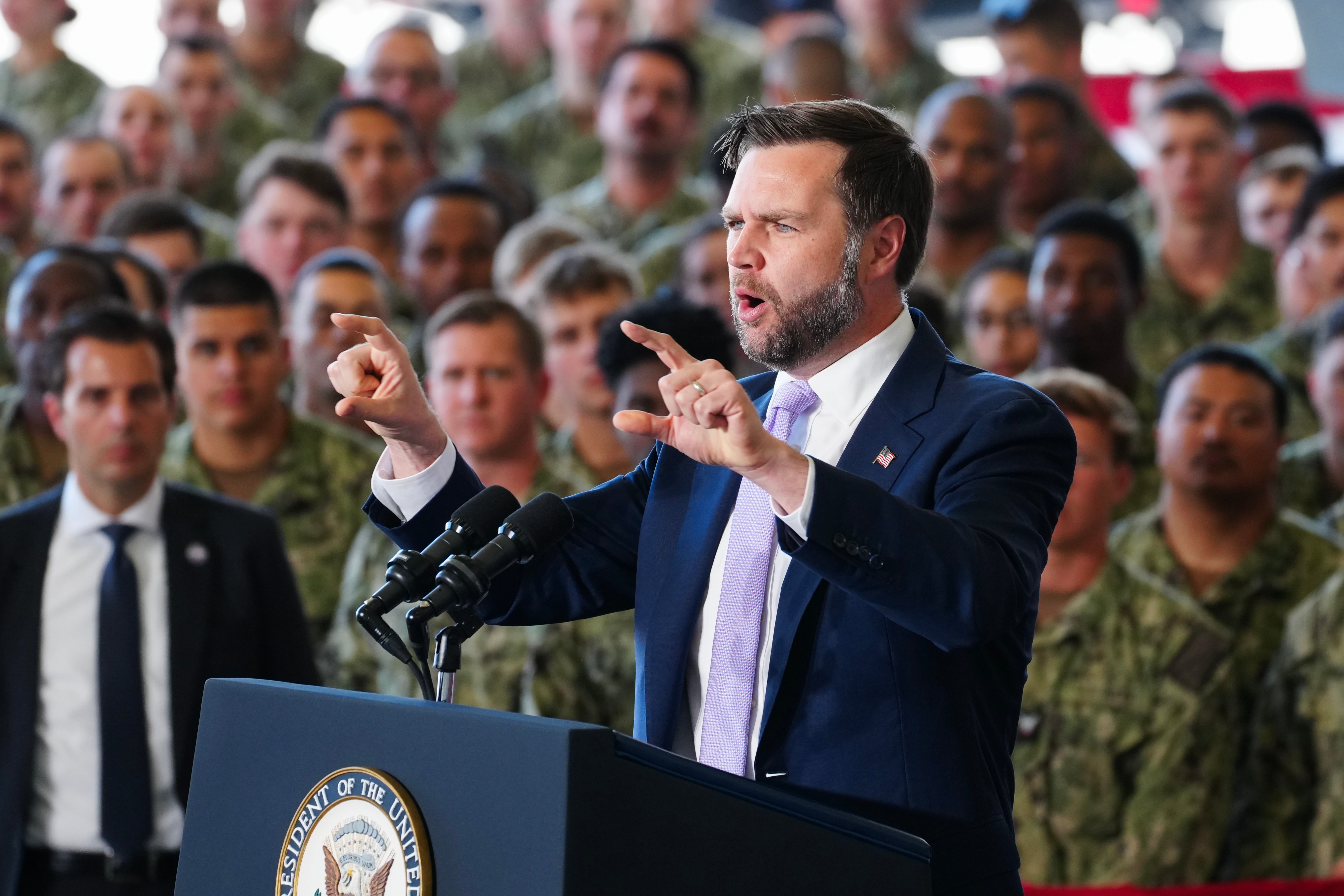
U.S. Vice President JD Vance praised American troops — and the Trump administration’s Iran deal tactics — during a visit Wednesday to a naval base.
“Today, as I sit here, there are people in this country who want you to just keep going and keep going,” Vance, a longtime critic of foreign wars, told service members at Naval Air Station Oceana in Virginia.
He also blasted critics who he said “attack the president of the United States for using the leverage that you gave him to engage in negotiation.”
“And why do we engage in negotiation?” Vance added. “Because of you. It’s not out of weakness, but it’s out of strength.”
How much leverage Trump really has remains to be seen.
The conflict, which the Republican promised would be a brief military operation, has evaded a tidy resolution for months.
Iran preparing for largest state funeral for Khamenei
Iran is preparing for the largest state funeral in the history of the country for late Supreme Leader Ali Khamenei, months after he was killed in US-Israel strikes.
Iran will hold a six-day, multi-city funeral, including in Iraq, amid tight security and fragile US-Iran talks over Hormuz.
The ceremonies will begin on Saturday with Khamenei’s body lying in state at Tehran’s Grand Mosalla prayer complex.
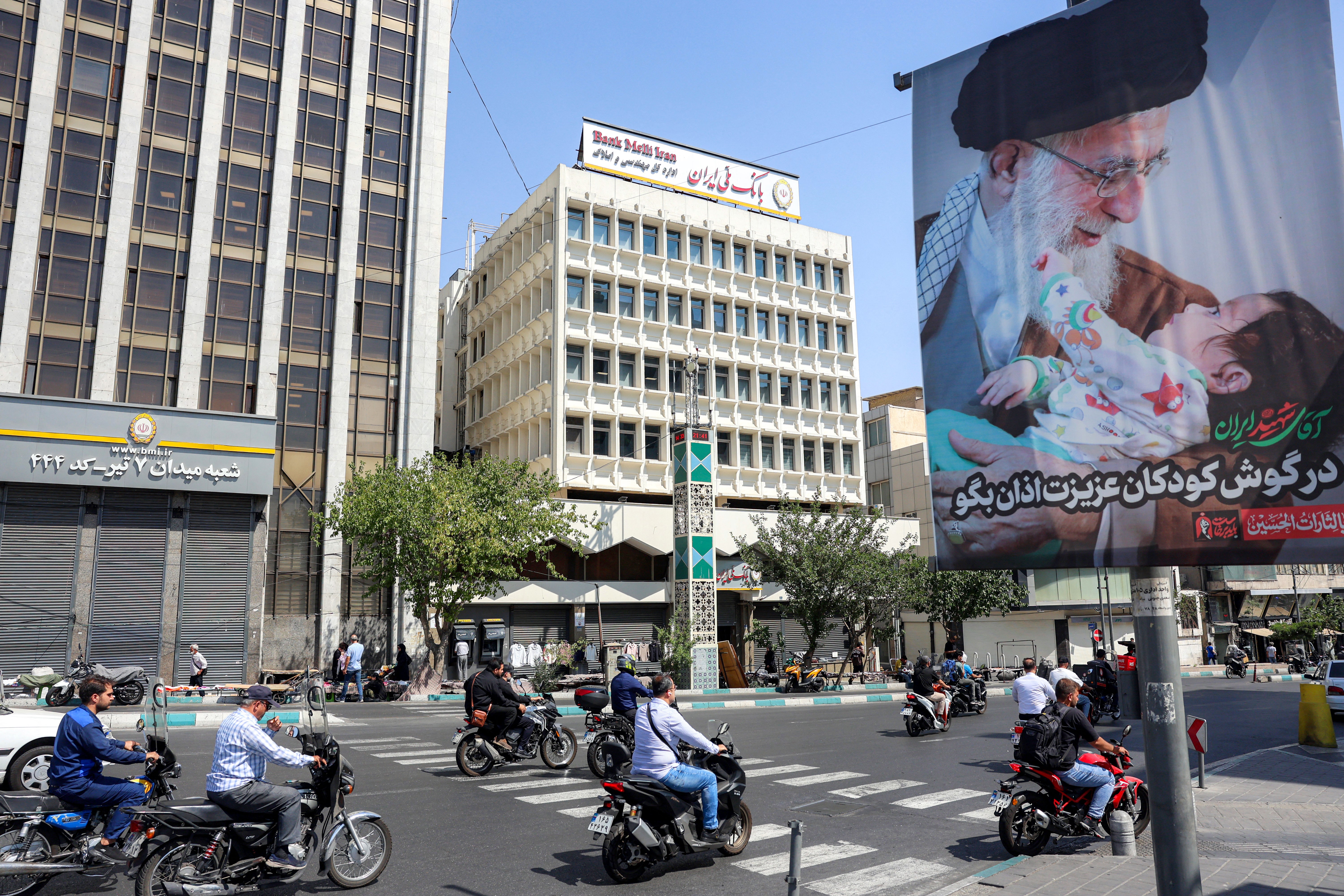
On Monday, the procession will be held in the streets of Tehran and reach the holy city of Qom on 7 July followed by the cities of Najaf and Karbala in Iraq, the two holiest cities in Shiite Islam.
The body of the leader who was killed on 28 February will return to his home city in Iran’s Mashhad on 9 July.
Authorities are preparing for more than 15 to 20 million mourners who are expected to participate from various parts of the world.
Police have declared a state of high alert for the event as senior officials and representatives from more than 30 countries, including Russia, China, Pakistan, India, Georgia and Cuba, are expected to attend.
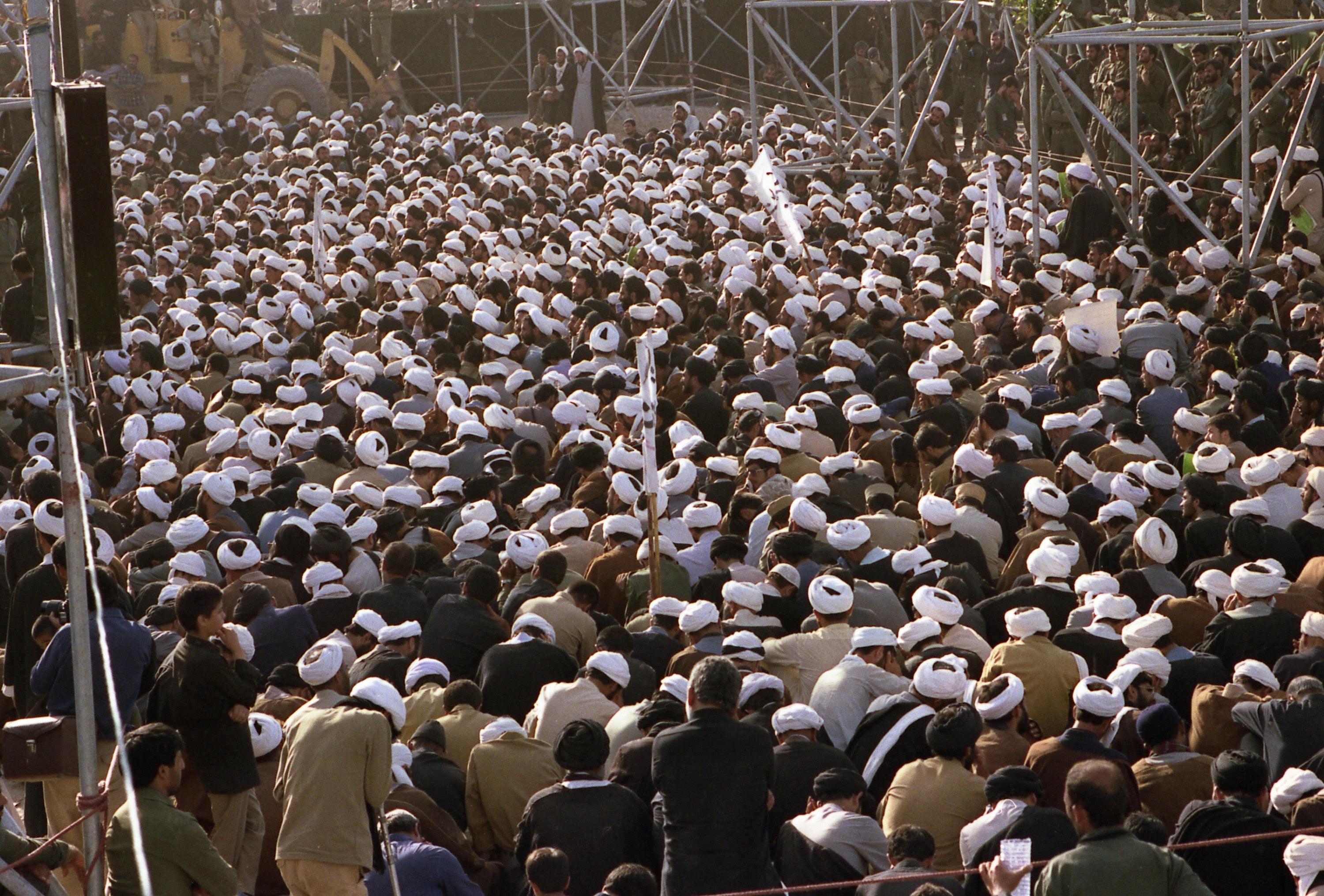
Religious leaders from 90 countries will also take part.
Tehran’s highways will be turned into temporary parking areas, while mosques, schools, sports halls and universities will be repurposed as emergency accommodation.
Prime minister Shehbaz Sharif confirmed earlier this month that he would attend.
Shweta Sharma2 July 2026 05:44
Iran protests to UN over Israeli threat against Supreme Leader
Iran’s ambassador to the United Nations, Amir-Saeid Iravani, has lodged a formal protest over what Tehran says is Israel’s latest threat to assassinate Supreme Leader Mojtaba Khamenei.
In a letter addressed to UN Secretary-General Antonio Guterres, the Security Council and the General Assembly, Iravani described remarks by Israeli defence minister Israel Katz as part of a “deliberate and systematic policy of state terrorism” targeting Iran’s political leadership.
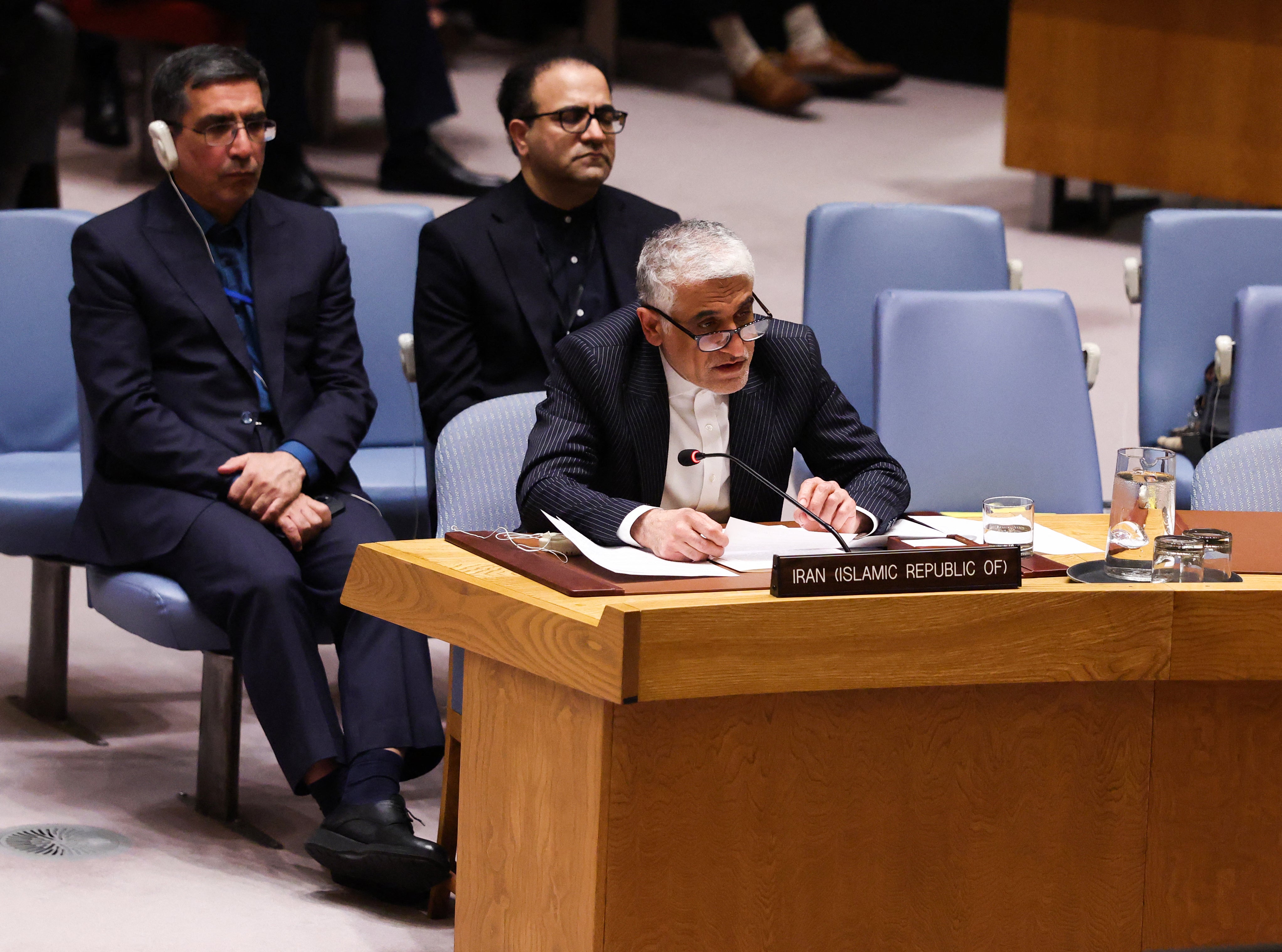
The letter also accused Israel of carrying out what it called unlawful acts of aggression against Iran, including the killing of former Supreme Leader Ayatollah Seyyed Ali Khamenei and other senior political and military officials, alleging the operations were conducted with the “participation, coordination, and support” of the United States.
Iravani criticised the UN Security Council for failing to hold Israel accountable, arguing that its inaction had emboldened Israel and normalised what Tehran described as state terrorism.
“Unfortunately, the failure of the Security Council to fulfill its responsibilities under the UN Charter has reinforced the climate of impunity and has made the Israeli regime more brazen in normalising state terrorism, which sets a very dangerous precedent and poses a serious threat to international peace and security.”
Shweta Sharma2 July 2026 05:28
Iran war cost American households $1,000 each, economist estimates

The fighting may have come to a pause, but Americans are still feeling the pain from the Iran war.
The conflict, which paralyzed global oil traffic and sent prices spiking, has cost the typical American household $1,000 each, Moody’s chief economist Mark Zandi estimates.
“The true cost is likely higher—meaningfully higher,” he wrote in a recent op-ed in The Philadelphia Inquirer. “It’s fair to ask whether it was worth it.”
Qatar says US-Iran talks made ‘positive progress’, next round after Khamenei funeral
Qatar has said the latest round of indirect talks between the United States and Iran made “positive progress”, with both sides agreeing to resume negotiations after the funeral ceremonies for Iran’s former Supreme Leader.
It came even as talks ended in a stalemate in Doha without any indication of a breakthrough.
In a post on X, Qatari foreign ministry spokesperson Majed Al Ansari said Qatari and Pakistani mediators held separate meetings with US and Iranian negotiators in Doha on Wednesday.
He said the discussions made “positive progress” on issues related to the Islamabad Memorandum of Understanding and built on the outcomes of the Lake Lucerne Summit.
Al Ansari added that the parties had agreed to continue negotiations, with the next round to be scheduled “at the earliest possible time” following the funeral processions for Iran’s former Supreme Leader.
Shweta Sharma2 July 2026 04:59
Iran says Strait of Hormuz is under its control, rejects US military role
Iran’s deputy foreign minister Kazem Gharibabadi has asserted that the Strait of Hormuz is “under Iran’s command, not Centcom’s”, dismissing any suggestion that US-led military efforts can determine security in the strategically vital waterway.
In a post on X on Wednesday, Gharibabadi said a military meeting in Bahrain could not establish a legal or security framework for the Persian Gulf.
“Hormuz is defined under Iran’s command, not Centcom. A military summit in Bahrain cannot establish legal order and security for the Persian Gulf,” he wrote.
He added that regional security could only be achieved through an end to foreign intervention, the withdrawal of US forces from the region, respect for the sovereignty of regional states, and recognition of what he described as “new geopolitical realities” – “not under the military umbrella of America.”
Shweta Sharma2 July 2026 04:30NewerOlder