


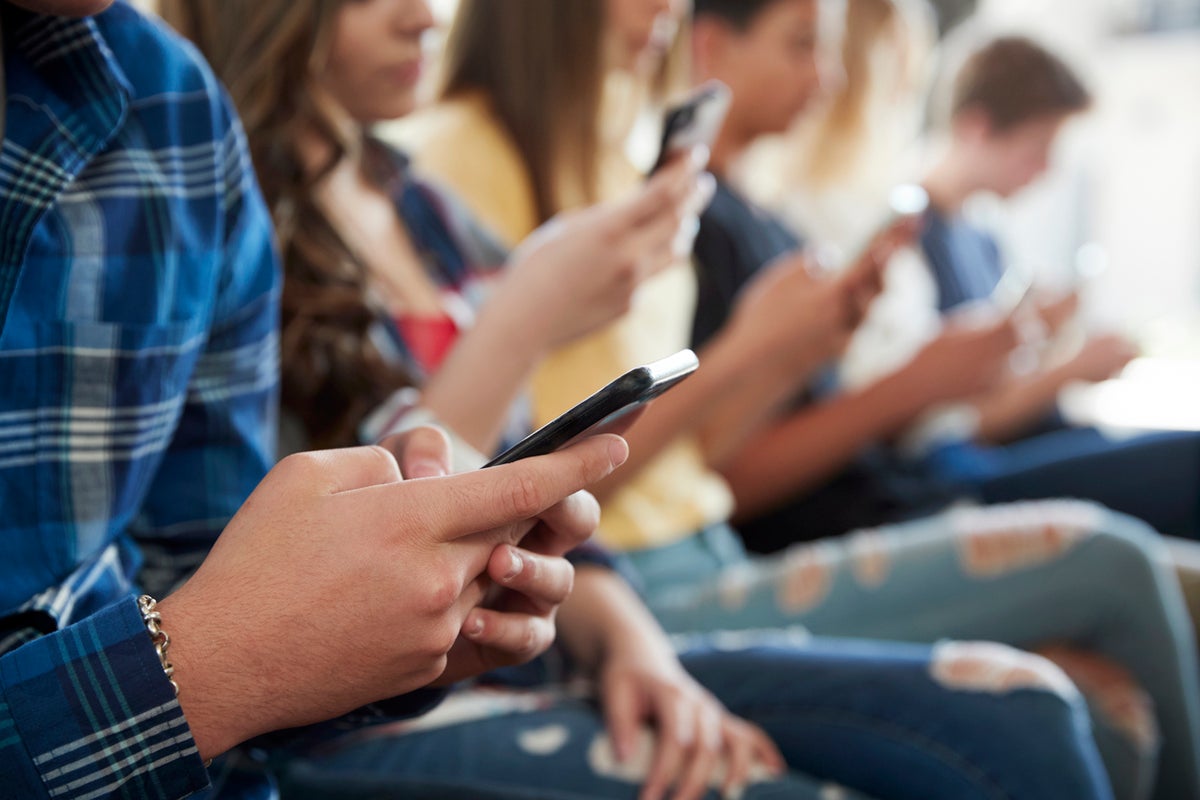
Banning smartphones in schools is likely to be “ineffective” and “overly simplistic” and fail to address the underlying causes of harm, a new study has suggested.
The research, from University College London (UCL), warned outright bans can create a “displacement effect”, where the visibility of online harms such as sexual harassment and cyberbullying is reduced because children feel less able to report issues, while the platforms and content itself remains unaddressed.
Published on Tuesday, it comes the day after the government’s school smartphone ban became enforceable in law across England. Schools must now ensure that pupils do not have access to their mobile phones or similar smart devices throughout the entire school day.
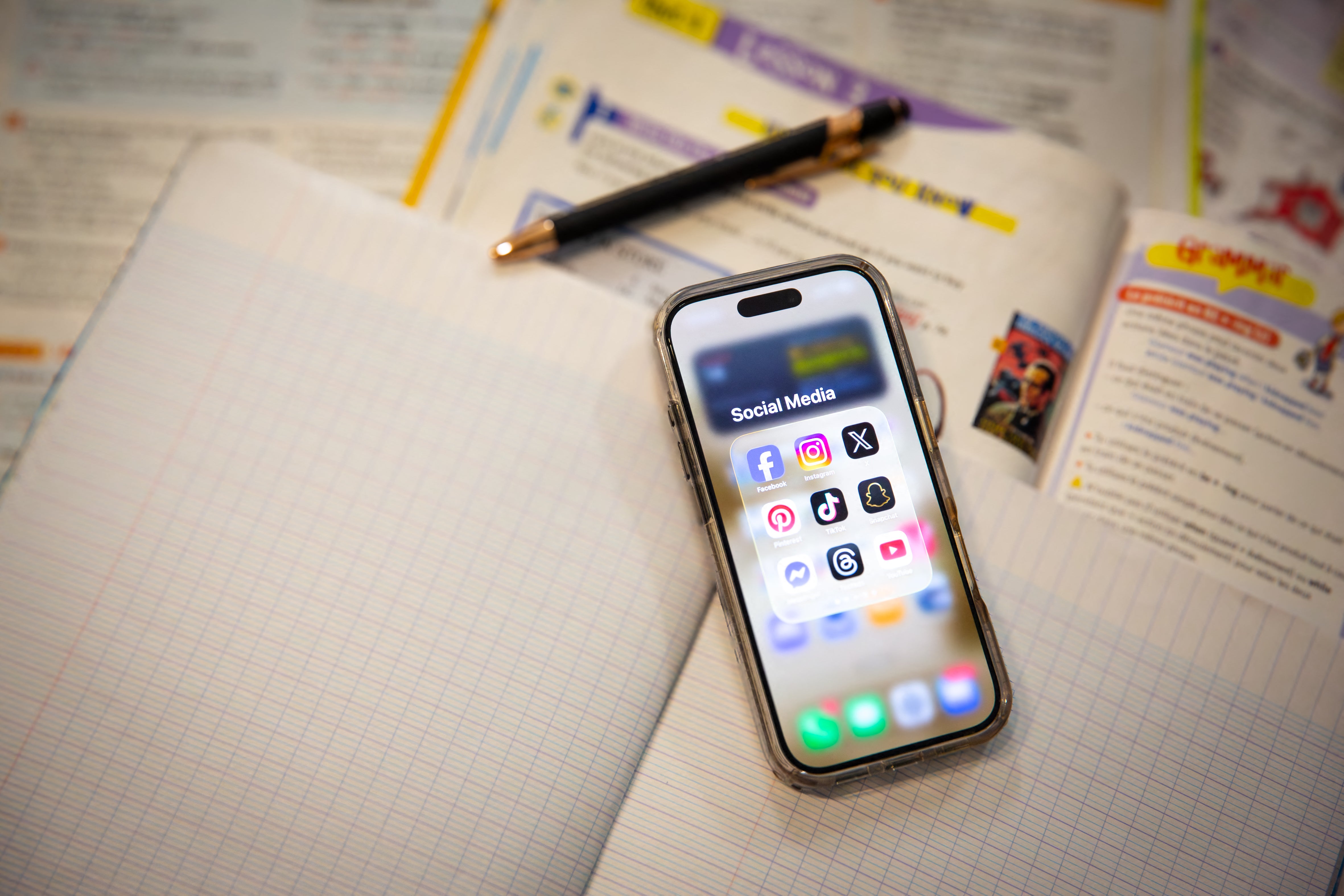
The study also comes after the recent announcement of a social media ban for all under-16s by the UK government, to be introduced in early 2027. While research suggests support for the ban from parents is high, campaigners have warned it “fails to address the fundamental safety issues” on social media apps.
Researchers captured the views of 732 secondary school students, 27 educators and 41 parents through questionnaires, focus groups and arts-based methodologies for a report into school smartphone policies.
 open image in gallery
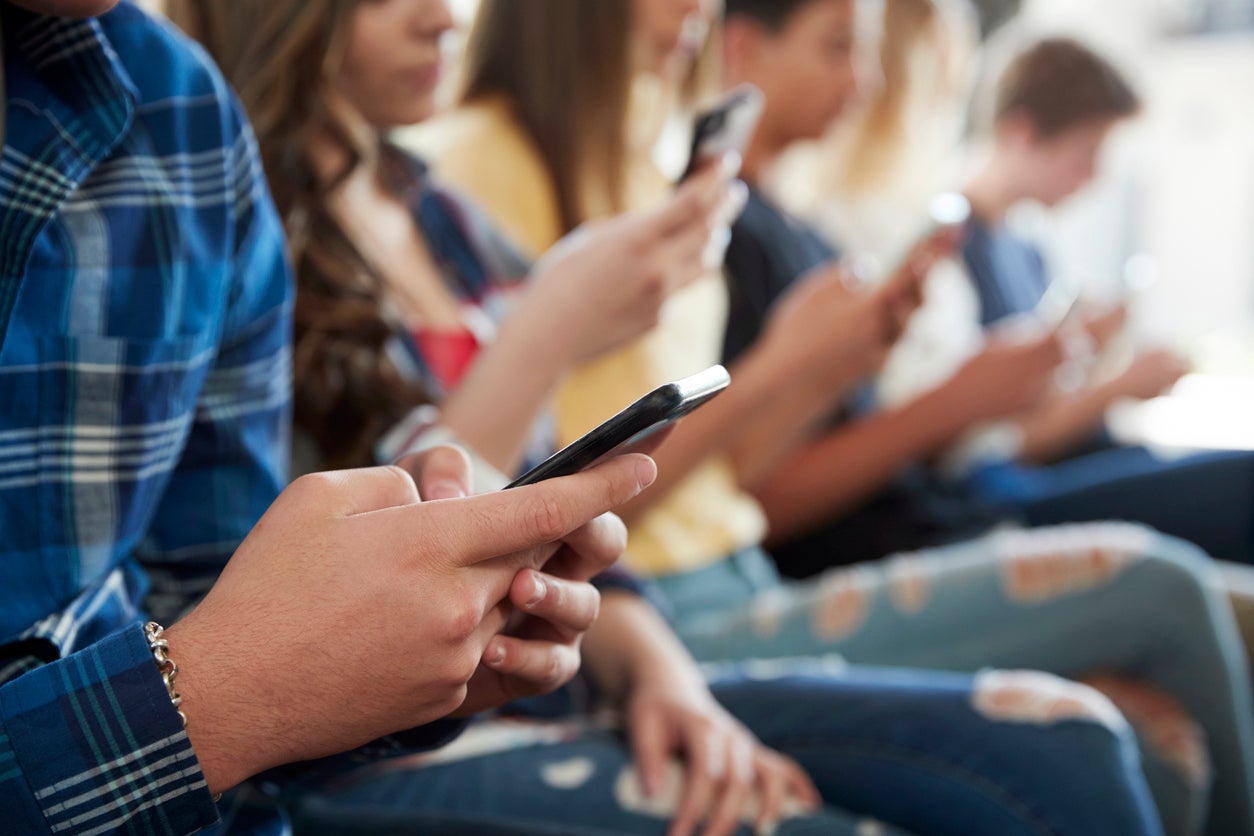
The report found that smartphone bans in schools are popular among adults, with 87 per cent of teachers and 88 per cent of parents supportive, but are seen as overly punitive among students, with 75 per cent disagreeing with the policy.
Students told researchers their smartphones are “essential tools” used for homework, bus timetables, and weather forecasts. Girls in particular reported feeling less safe when travelling alone without a smartphone.
They also reported being able to break lockable phone cases with strong magnets or by smashing them on tables.
Furthermore, the report found blanket bans can erode young people’s trust in adults and make them less likely to report online harms. Researchers have dubbed the phenomenon a “displacement effect”, whereby the visibility of digital issues are reduced, but the root causes of these behaviours, the harmful platforms and content continue.
“This displacement can exacerbate existing problems by intensifying home-based screen time, and eroded trust can make young people less likely to report online harms,” the report says.
 open image in gallery
The study’s lead author, Professor Jessica Ringrose said their study shows students tended to “perceive blanket bans as punitive, rather than supportive”. “They felt bans undermined trust between them and the adults in their lives, who they felt misunderstood the integral role phones play in their day-to-day routine,” she continued.
Co-author, Edith Rodda, a PhD candidate at UCL Institute of Education, added: “Rushed school smartphone policies that don’t consider students’ perspectives, however well-intentioned, risk creating a cycle of punishment that ultimately undermines the policy’s aims. Students inevitably find workarounds, like breaking open lockable phone pouches.”
A Department for Education spokesperson said: “This government is restoring childhood to the safe and happy time it should be, with less time scrolling, and more time for learning and play.
“We’re using the power of government to drive a culture change that is widely backed by parents and school leaders alike – enabling children to benefit from the best of technology, while protecting them from the worst of it.
“Banning mobile phones in schools doesn’t sit alone. We’re giving children the skills to navigate the online world safely, introducing the first-ever screen use guidance for parents of 5-16 year olds, banning social media proven to harm under-16s, supporting the building of safe AI tutoring tools, and updating the curriculum so every child can identify misinformation and build real media literacy skills.”