


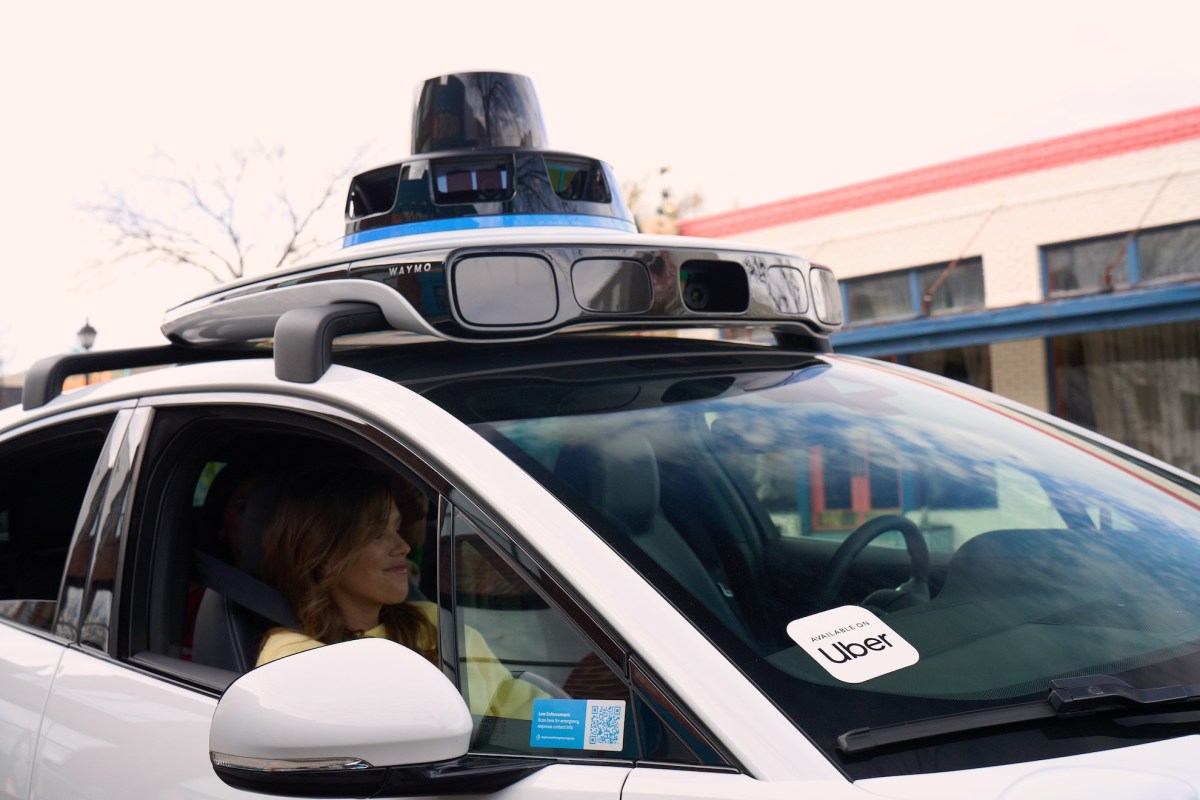
Waymo robotaxis are no longer available on Uber’s ride-hail app in Phoenix, Arizona, ending a nearly three-year partnership in the city, both companies confirmed to TechCrunch on Monday.
Uber said it is readying the launch of a separate autonomous vehicle partnership in the city, but did not name the partner. Waymo told TechCrunch that the vehicles Uber used for this “pilot” program have already been integrated into its own Phoenix fleet, available through its app. Waymo users started noticing that the company’s vehicles were absent from Uber’s network in recent days. Waymo’s vehicles are still available on Uber in Austin and Atlanta, for instance.
The quiet end to this partnership in Phoenix, which Waymo said happened in May, comes as the Alphabet-owned company is starting to put its newest robotaxis — the Zeekr-made van it calls Ojai — on the road. It’s also happening as the Uber-Waymo relationship appears to be wearing in some places, with the two companies poised to directly compete against each other in London as early as this year.
Still, both companies praised the collaboration in Phoenix as a successful jumping-off point for their respective robotaxi plans, which have gotten increasingly ambitious since 2023.
“This was a productive pilot that paved the way for future expansions and partnerships across the globe. After hundreds of thousands of trips with Uber, we have integrated these vehicles back into our Phoenix fleet, where they will continue to serve riders through Waymo, including our public transit integration with Via, and delivery with DoorDash,” Waymo told TechCrunch. “We’re grateful to all of the Uber customers who took fully autonomous trips with us, and we look forward to continuing to serve the Phoenix community.”
“Phoenix was our first pilot market with Waymo and was an intentionally limited deployment, reaching just over a dozen vehicles dedicated to the program. We learned a lot from that collaboration, which helped us to quickly scale Austin and Atlanta, where hundreds of Waymo AVs are available exclusively on Uber and our coverage area continues to expand,” Uber said.
The robotaxi landscape looks much different than it did when these two companies kicked off this collaboration in 2023. Back when it was first announced, the idea of Uber and Waymo partnering up still seemed unlikely given their messy legal battle that ended in a settlement in 2018. Robotaxis as a technology were in a far more uncertain place, as no operator had reached scale yet. Cruise was still seen as a viable competitor, as it had not yet gone through its own scandal and been absorbed into General Motors.
In the three years since, Waymo has grown its fleet to around 4,000 vehicles, and Uber has inked deals to add dozens of autonomous vehicle partners to its network.
This Phoenix partnership remained an unusual one, as it was the only city where Waymo operated directly and through Uber. Waymo is in the process of launching in around 20 new cities this year, is operating in 11 major U.S. metro areas, and the company offers more than 500,000 trips every week.