


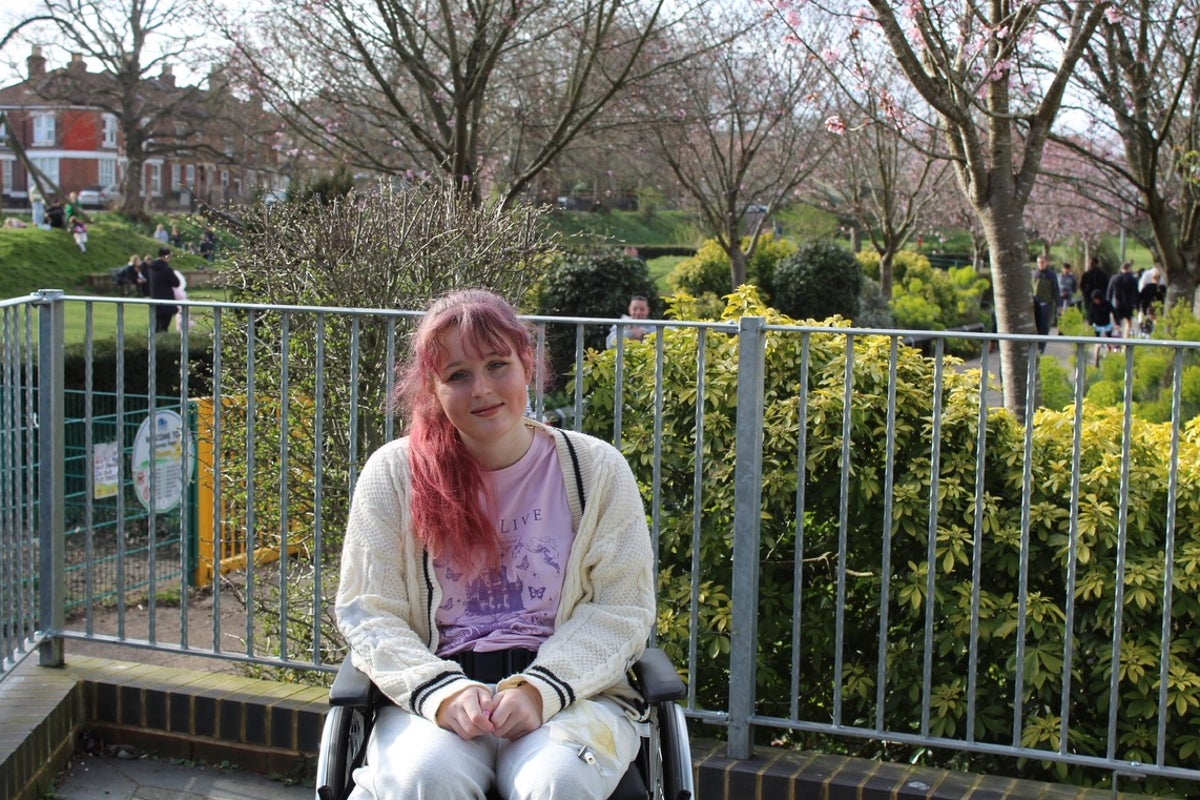
Severely depressed and paralysed from the waist down, Niamh Buckell was forced to spend her final days washing herself with baby wipes and sleeping on a mattress on the floor because her psychiatric care unit was not equipped to deal with her disability.
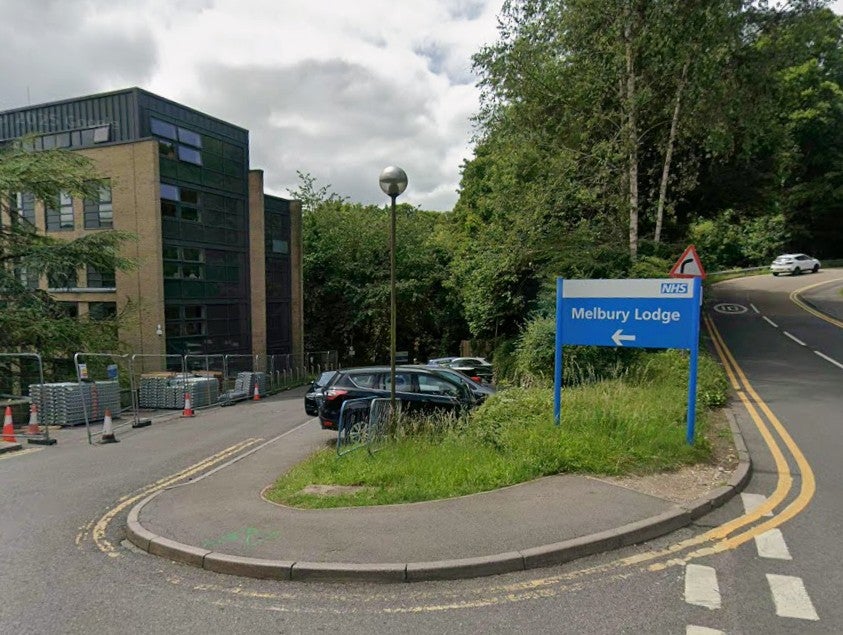
The 21-year-old spent 10 months as an inpatient at Melbury Lodge, in Winchester, where she used a wheelchair and struggled with complex medical needs after suffering a spinal cord injury. She had been known to services for four years as she had a history of depression.
She had no access to accessible washing and toilet facilities, and could only use communal showering areas, often supervised by male carers, leaving her feeling uncomfortable and embarrassed.
She also spent a month suffering with chronic pain while sleeping on an unsuitable mattress, as she awaited repairs on her specialist bed, which her family said “compounded all the physical difficulties she had”.
“She found the situation difficult, she felt her dignity was being compromised and that had a big impact on her,” her friend Bella Kirwan said, who is speaking on behalf of the family. “She felt humiliated.”
In May 2026, Niamh was found dead just days after being transferred to Elmleigh Hospital in Havant.
Now, her family want assurances that physically vulnerable patients are treated with dignity in mental health settings, including ensuring wards are adequately equipped and accessible for people with disabilities.
 open image in gallery
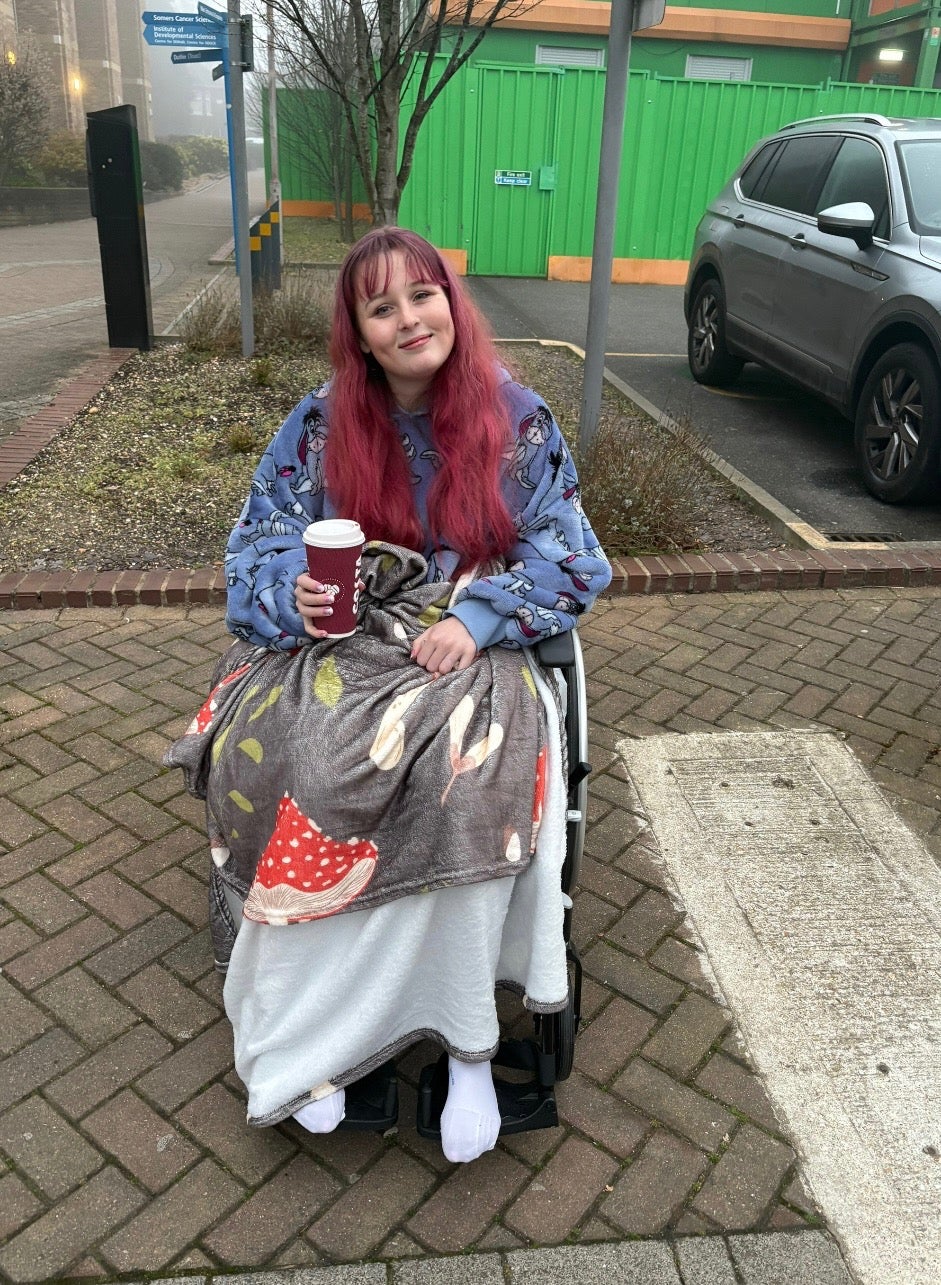
Niamh’s family made complaints to Hampshire and Isle of Wight NHS Trust about the lack of suitable facilities, the trust conceded, in a response seen by The Independent, that “the current environment for accessing washing facilities is not fit for wheelchair access”.
While they apologised for her discomfort and said a nurse would devise a care plan, they stressed that male staff members sometimes had to supervise female patients due to “clinical need, staffing availability and skill mix, it is not solely determined by gender”.
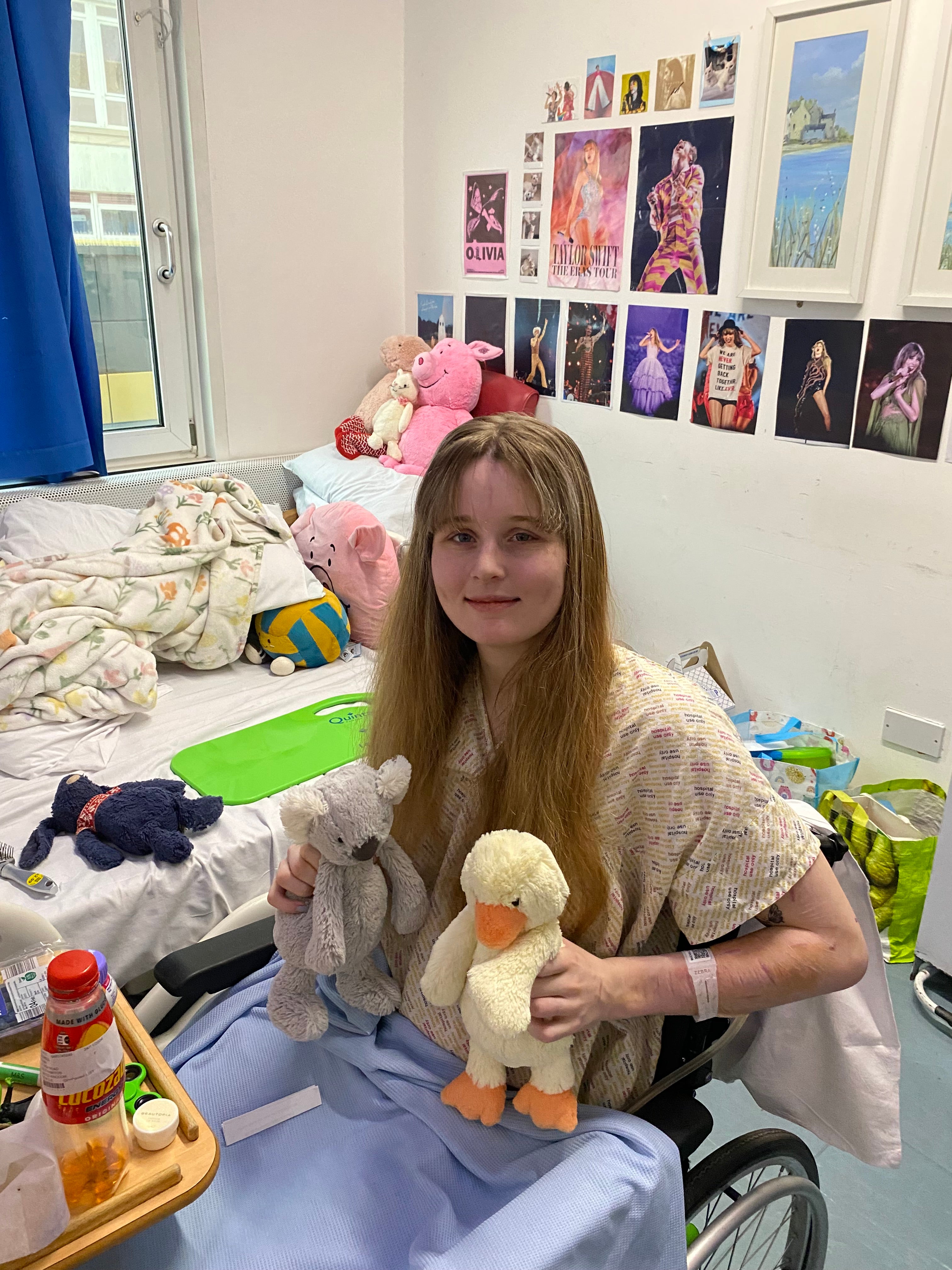
The hospital also apologised that she was left to sleep on a seclusion mattress – a specialised heavy duty mattress made from supportive foam with no zips or cords, designed for for high-risk environments such as mental health facilities – for several weeks instead of a specialist height adjustable bed, which required repairs.
The trust acknowledged that while Niamh had requested to be transferred to another care unit, they were working to find an appropriate placement, but this was “not a quick process”.
 open image in gallery
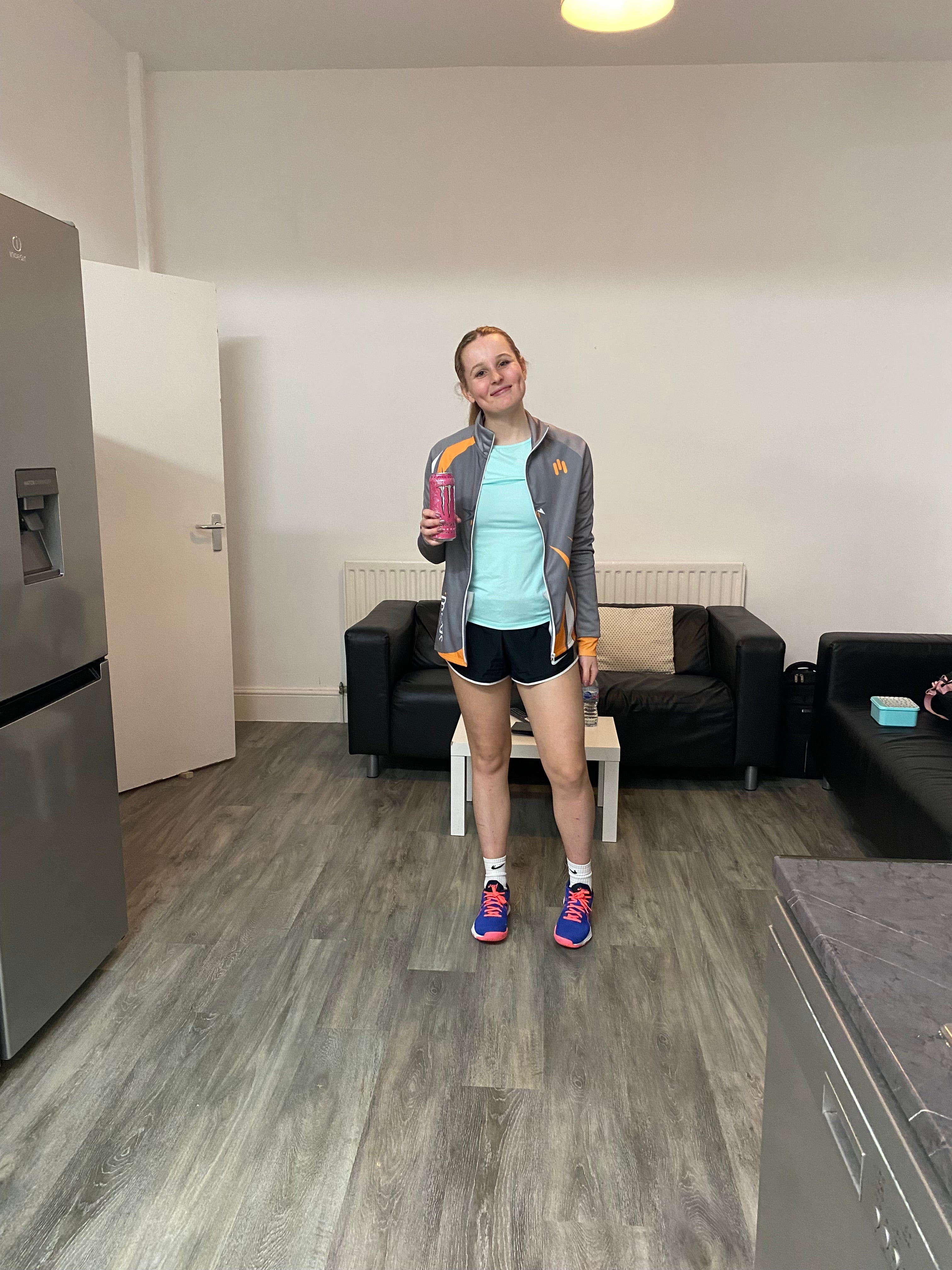
In the years prior to her admission to hospital, Niamh had been an avid sports player, a talented artist and a keen fan of musician Phoebe Bridgers.
But her worsening mental health led her to attempt to take her own life in January 2025, which left her wheelchair bound with a spinal cord injury.
After spending six months at Southampton General Hospital, she was transferred to the Rosemary Ward at Melbury Lodge, which is a general acute psychiatrist ward that does not specialise in patients with physical needs.
During her time there, her family raised concerns that staff had not received specialist training in how to restrain Niamh when she suffered a mental health episode, which had left her in “severe pain” for days due to her injury.
Miss Kirwan said: “I was concerned she wasn’t being properly monitored and given the correct treatment to mitigate the pain she endured as a result of being restrained. She was much more vulnerable to pain and injury.”
In a letter seen by The Independent, the trust said “there is no ideal use of restraint”, and that it was strictly used as a “last resort” when an individual’s behaviour presented an immediate risk to themselves or others. They added that the previous ward matron had highlighted these concerns, and a care plan had been made.
 open image in gallery
Due to her disabilities and the lack of appropriate training by staff, as well as nursing availability, Niamh was often left on the ward and denied the ability to participate in activities or visit the garden.
She also told her family that she would be denied activities if she had self-harmed, in a bid to discourage her from doing so, but this only increased her sense of isolation.
While her parents regularly visited the ward, they were unable to take her out on their own as her care plan dictated she required constant staff supervision, which they believe may have helped boost her spirits.
After four months as an inpatient, she was not offered a regular anti-depressant, antipsychotic medication or mood destabilisers.
Miss Kirwan said: “There is a distinct lack of knowledge and understanding and a lack of join up between specialist physical practitioners and mental health practitioners. There needs to be joint input from both practitioners, they must have communication when someone has complex needs, there must be a holistic treatment plan.”
 open image in gallery
Niamh’s death is now the subject of an inquest, which is set to take place next year.
“She was a lovely person,” Miss Kirwan said. “She really cared about other people even when she was suffering. She often extended her hand online to the friends she had made in the online mental health community, she wanted to advocate for the system and she hated how the system operated.
“She had a very big heart and was very kind and sweet-natured”.
Rachel Coltart, director of quality and professions for secure, acute and crisis services from Hampshire and Isle of Wight Healthcare NHS Foundation Trust, said: “We express our deep condolences to Niamh’s family, friends and loved ones. We take the concerns raised very seriously, are looking into these closely and will involve Niamh’s family to help ensure we get a full understanding of the situation.
“We will also be working with the coroner in due course as part of the inquest process.
“Our commitment is to provide the best possible care to people in our mental health services irrespective of their physical health or other needs.”
If you are experiencing feelings of distress, or are struggling to cope, you can speak to the Samaritans, in confidence, on 116 123 (UK and ROI), email jo@samaritans.org, or visit the Samaritans website to find details of your nearest branchIf you are based in the USA, and you or someone you know needs mental health assistance right now, call or text 988, or visit 988lifeline.org to access online chat from the 988 Suicide and Crisis Lifeline. This is a free, confidential crisis hotline that is available to everyone 24 hours a day, seven days a week.If you are in another country, you can go to www.befrienders.org to find a helpline near you.