


Your lawn may look lush and verdant during the cool, damp spring months, but as temperatures rise, your grass faces an entirely different challenge: scorching heat, reduced rainfall and blazing sunshine. While perfect for beach trips and garden barbecues, a summer heatwave can take a serious toll on your lawn.
The sweltering conditions can leave your grass looking brown, patchy and parched. If you notice this occurring, don’t worry.
What your lawn is experiencing is heat-induced dormancy, which is perfectly normal during prolonged spells of intense heat.
One mistake many gardeners make is failing to water their lawn properly during heatwaves. Founder and CEO of Green Grass Nick says that watering is the most important factor in achieving a green and fuller lawn.
 View 2 Images
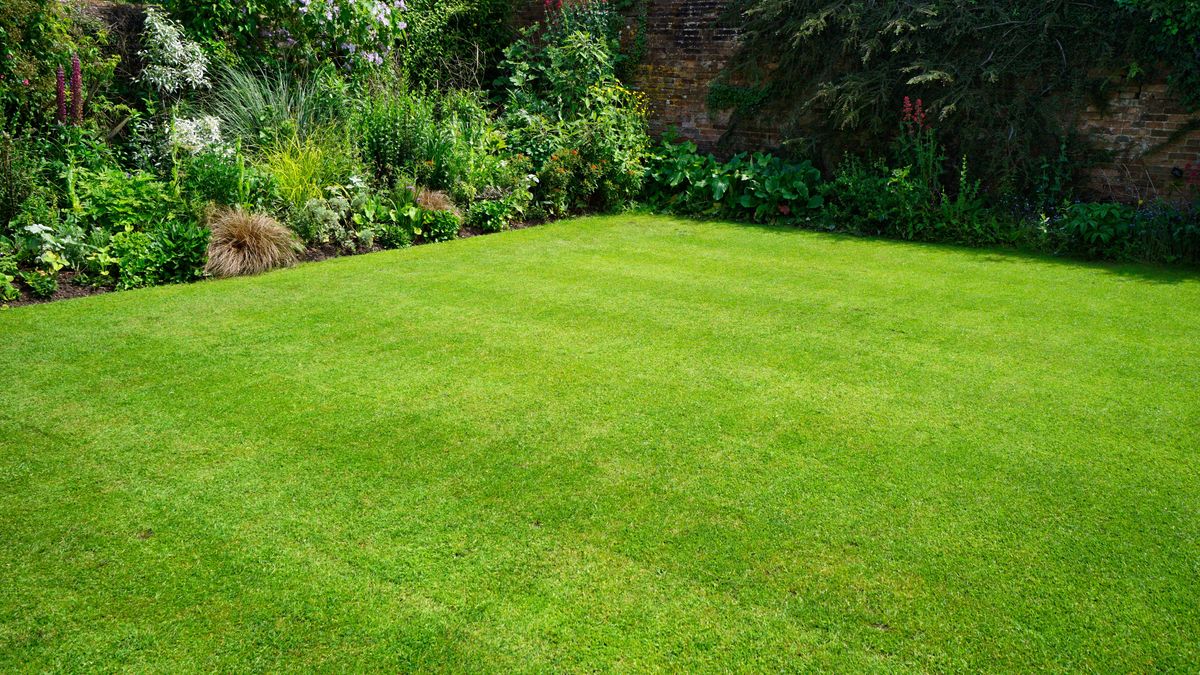
The hot weather can result in your lawn turning brown, patchy and brittle(Image: Robin Gentry via Getty Images)
He said, “If you want truly green grass in this heat, you need to water it thoroughly with a sprinkler for 40 minutes to an hour every other day. That’s enough to soak the soil and encourage deep root growth – the key to healthy lawns in hot weather.”
However, Nick recognised that not everybody has the time or inclination to move a sprinkler around their garden every other day.
In that instance, watering every three to four days is the bare minimum required to keep the grass growing and preserve some colour – though don’t expect it to look as vibrant as a thoroughly watered lawn.
Gardening experts at C-I-L Lane and Garden also emphasised the vital importance of watering lawns during summer, pointing out that this should be carried out thoroughly but less frequently.
They stated: “Lawns need at least one inch of water per week. Assuming that there are no watering restrictions, you need to water deeply and infrequently. Supply that amount all at once, not in tiny amounts, scattered over a week.”
They suggested using a rain gauge or even an open can or jar as a practical way of monitoring exactly how much water your lawn is actually getting.
Watering should only be carried out in the early morning, when water is more readily absorbed and the leaves have ample time to dry out.
Article continues below
Watering at midday is largely wasted through evaporation, while watering late in the evening raises the risk of encouraging disease.