


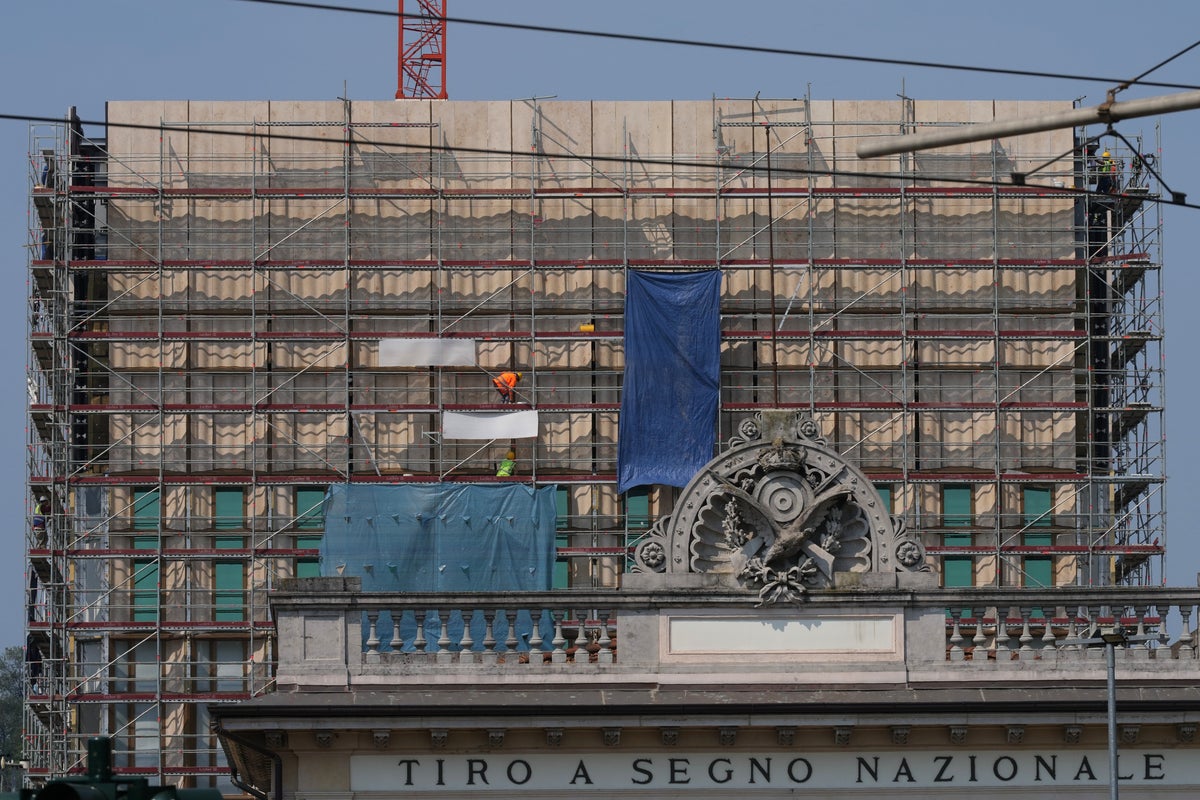
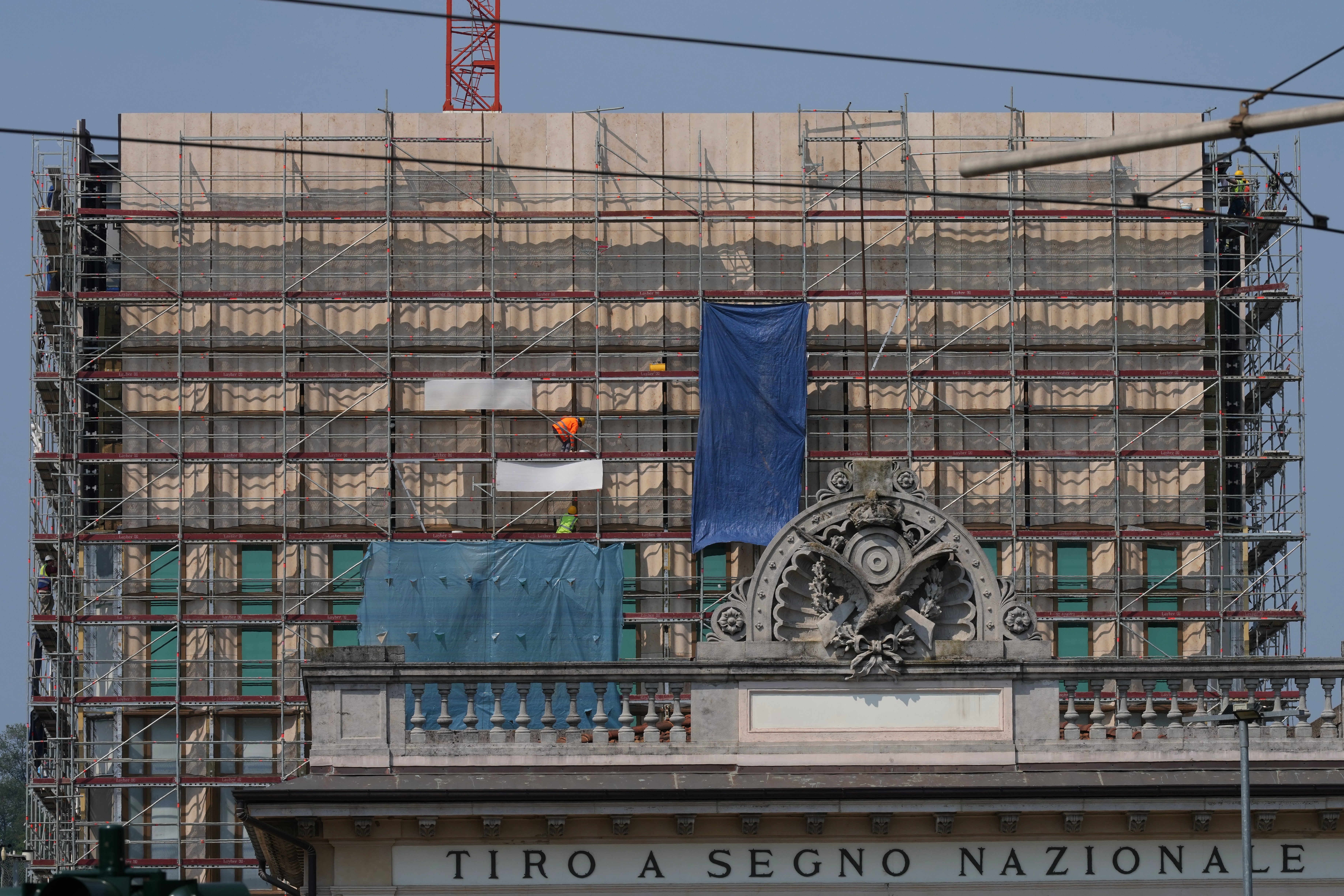
Foreign workers constructing a sprawling new $350 million American Consulate in Milan were allegedly paid as little as $2 an hour in some cases, despite being promised fair wages, according to an Associated Press investigation.
The findings, based on interviews with five former employees and a review of their employment letters and pay stubs, have triggered a major labor exploitation probe by Italian prosecutors.
Montgomery, Alabama-based Caddell Construction, a prominent builder of U.S. diplomatic missions, is at the center of the investigation.
 open image in gallery
Two of its managers in Italy were arrested this month on suspicion of labor exploitation, with one apprehended while attempting to board a flight and another reportedly planning to flee.
The probe, led by prosecutor Paolo Storari, who has a history of investigating sweatshops supplying luxury brands, has so far named only Caddell as a target, not its subcontractors.
Launched approximately six months ago, the consulate investigation involves around 70 workers, predominantly from India.
 open image in gallery
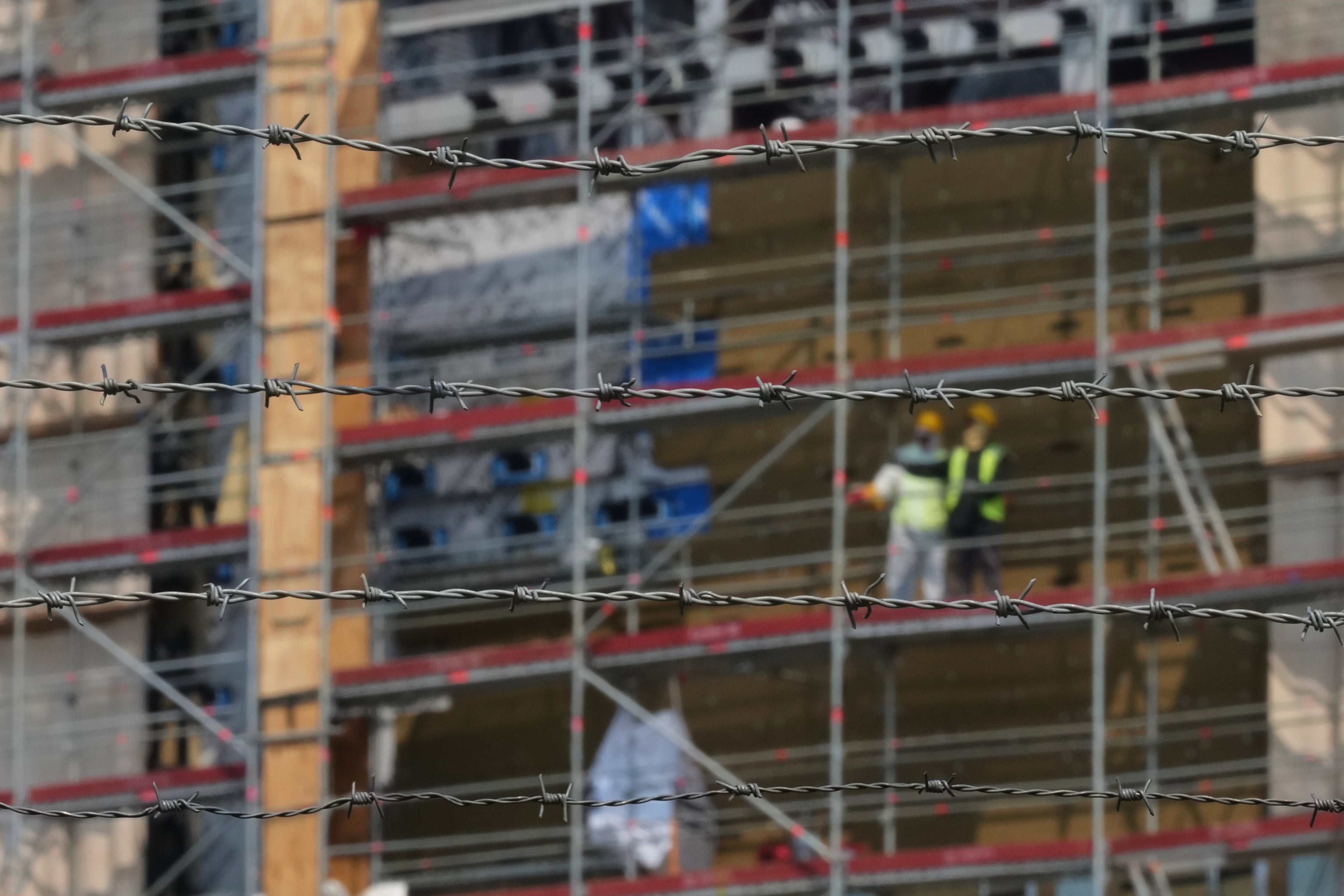
Prosecutors allege that Caddell illegally deducted room and board from wages and compelled employees to work 10-hour days, six days a week.
Some workers reportedly received as little as 500 euros (less than $580) monthly after these deductions.
Both Caddell and the U.S. State Department have stated they are investigating the allegations and are cooperating with Italian authorities.
 open image in gallery
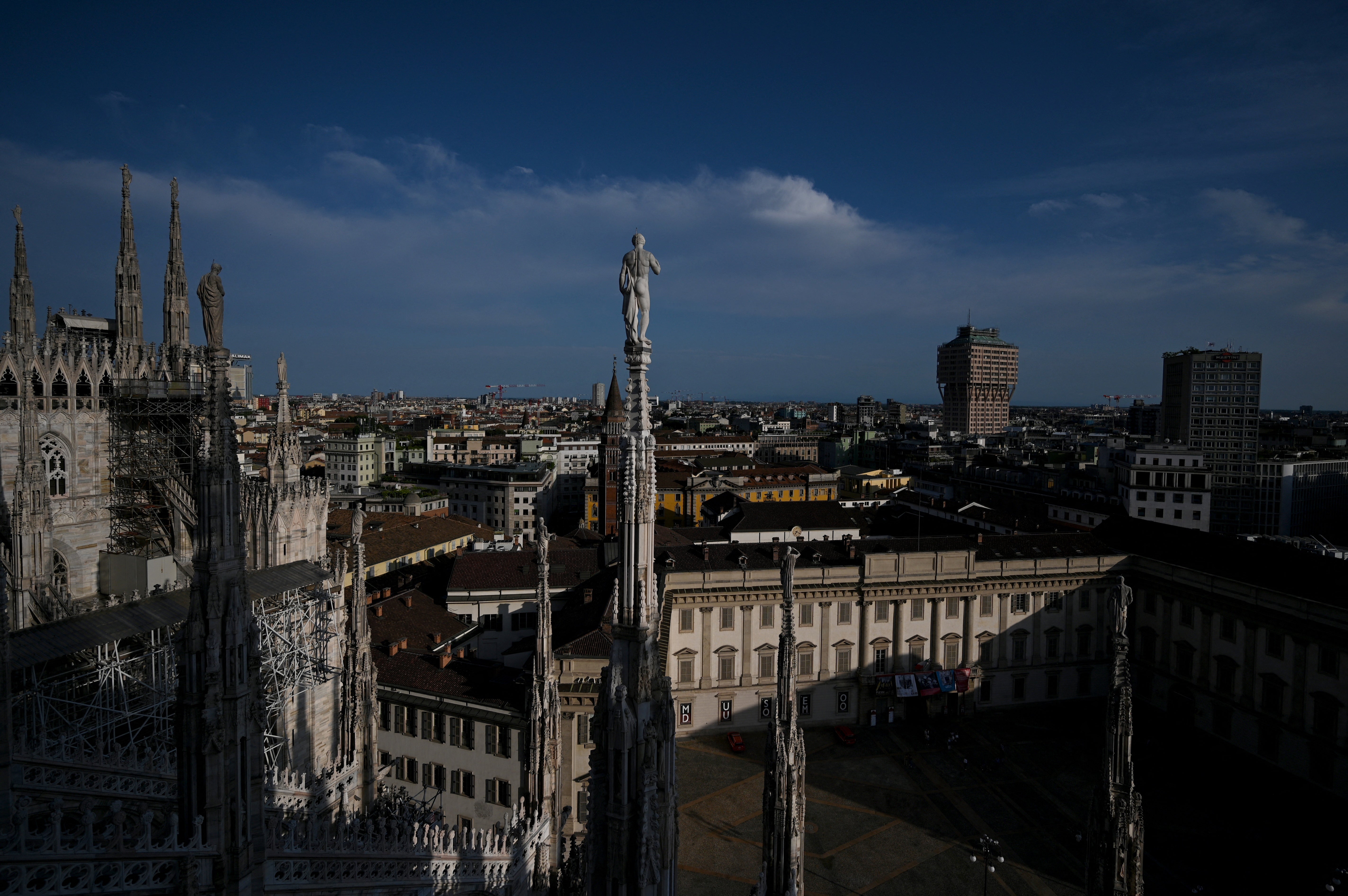
The consulate project is part of a two-decade construction boom that has modernized Milan’s skyline and elevated its international profile.
Workers describe unpaid wages and threats
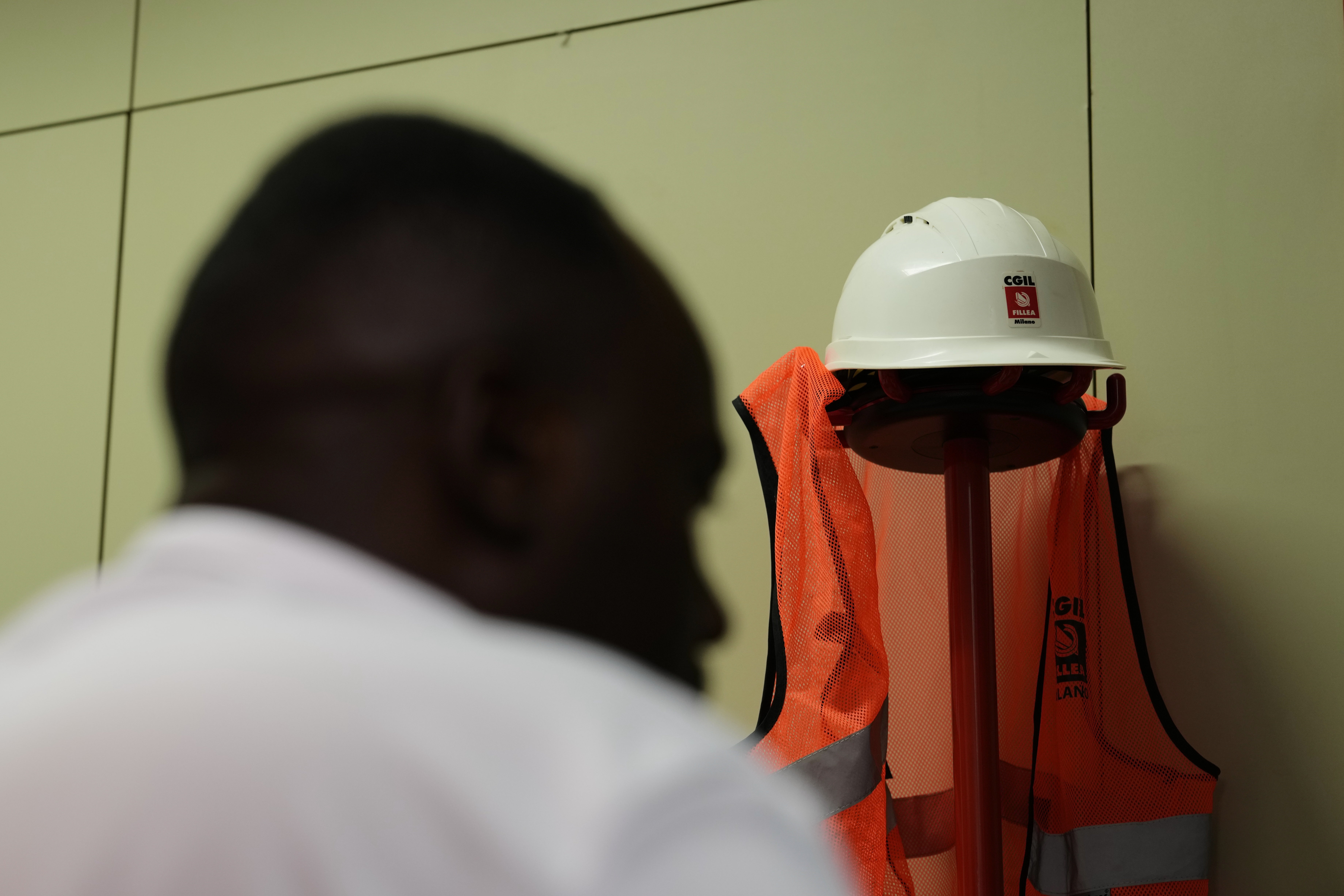
The Associated Press spoke with four workers from Kenya and one from India at a trade union center, where officials were organizing assistance, including legal aid and housing.
 open image in gallery
The workers provided documentation and spoke anonymously, citing fears of retaliation and a desire to protect the ongoing investigation.
The Kenyan workers recounted being hired by Caddell after having previously worked on a multimillion-dollar extension of the U.S. Embassy in Nairobi.
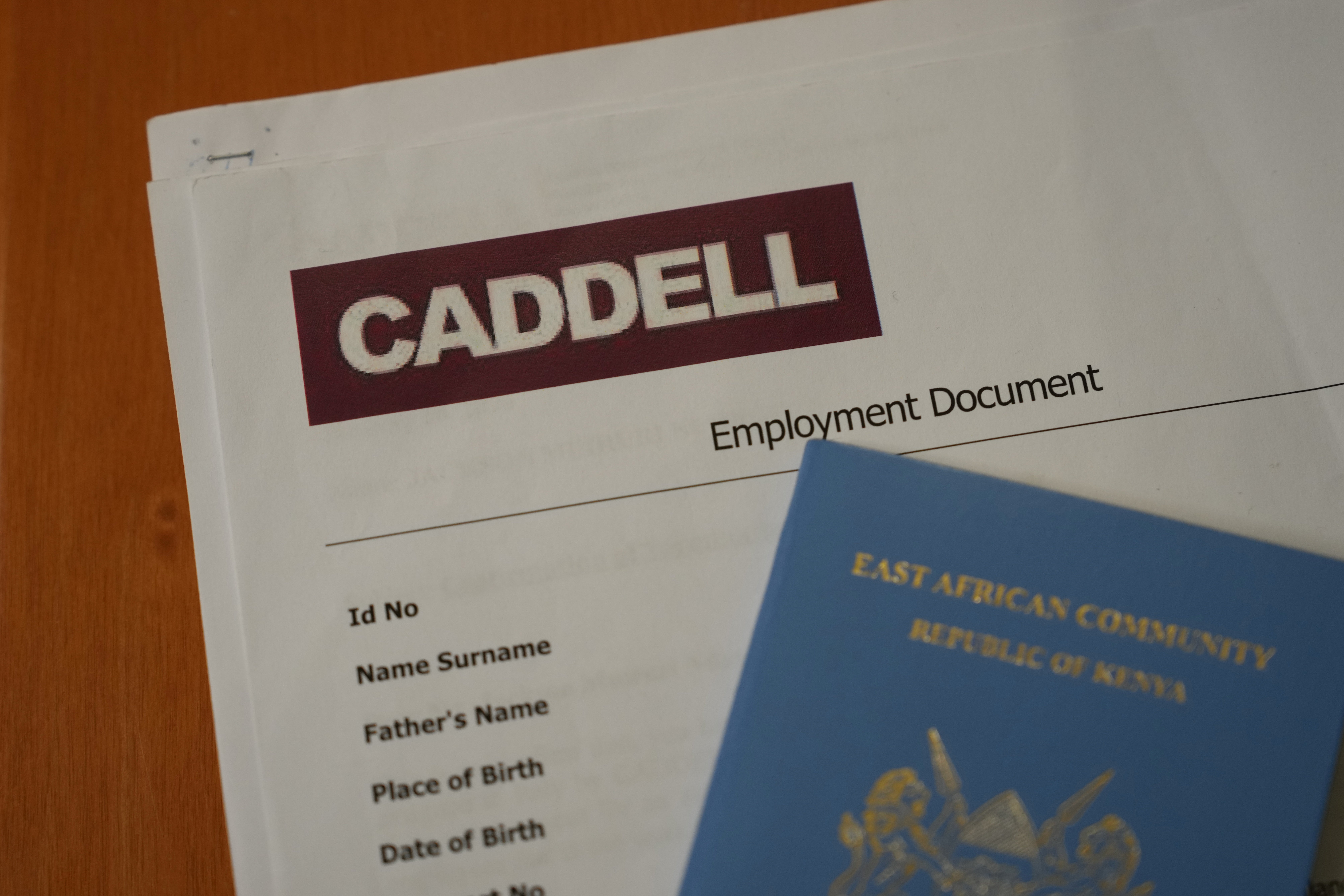
Two presented employment letters on Caddell stationery, signed by a company representative, promised annual salaries exceeding 25,000 euros (nearly $29,000).
 open image in gallery
They asserted they were paid nowhere near this amount and faced threats from on-site human resources personnel after questioning management.
“When you go to the office to ask any question, you are being told, ‘Either you work or you will be returned to your country. That’s the amount you are supposed to be paid,’” one Kenyan electrician stated.
He added that he received only 800 euros after being promised 2,300 euros ($2,660).
 open image in gallery
Another Kenyan electrician claimed he was threatened with defamation after presenting an AI summary of Italian labor law and was informed that the 25,000 euros mentioned in his employment letter were “for visa purposes,” not a guarantee of payment.
US government and Caddell say they are investigating
The State Department confirmed it is investigating the allegations made by prosecutors and that U.S. law enforcement is collaborating with Italian authorities.
“The U.S. government does not tolerate labor exploitation,” the department said in a statement.
 open image in gallery
Caddell affirmed its “full cooperation” with Italian authorities and stated it is conducting its own “comprehensive inquiry into this matter to ensure all our global subcontractors and consultancies are in compliance with all labor standards and legal requirements.”
The company added, “Caddell is committed (to) treating and paying workers fairly. We will continue to work with authorities in good faith to ensure the welfare of those who work on this important project.”
More than a decade ago, Caddell paid millions to the U.S. government to settle allegations that it made false claims to access government incentives, a case on which the company did not comment when asked.
Fired workers seek help
All five workers interviewed by the AP, ranging from their late 20s to early 50s, reported being fired without cause this year.
One worker described returning from a visit to family in Kenya to find he no longer had a job or a place to stay.
Four of the workers were trained electricians, including the Indian worker whose resume indicated over a decade of experience with other companies in Persian Gulf countries.
The Indian worker said he was promised a monthly salary of 2,500 euros (nearly $3,000).
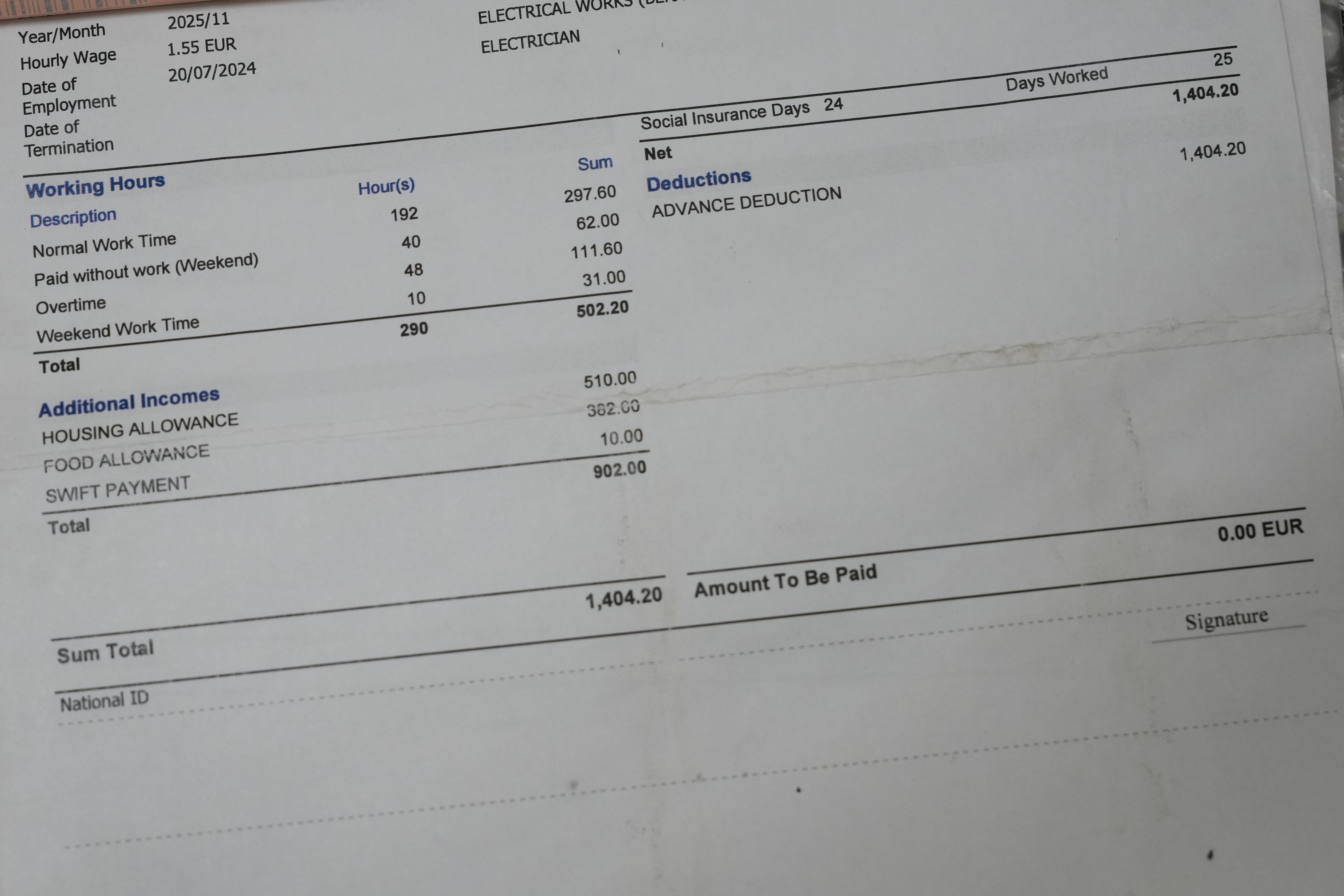
Instead, he had a pay slip showing his actual pay amounted to around 500 euros (less than $580) per month. It listed an hourly wage of 1.55 euros ($1.80).
The Kenyan workers said they contacted authorities after learning of the investigation. “I believe in justice,” one remarked. “Also the workers there should not be afraid.
They should come and speak up.” Two workers are currently sleeping in parks, while another is staying with a friend. One worker declined a job offer at a Caddell site in another country following his experience in Milan.
Caddell is a major diplomatic contractor
 open image in gallery
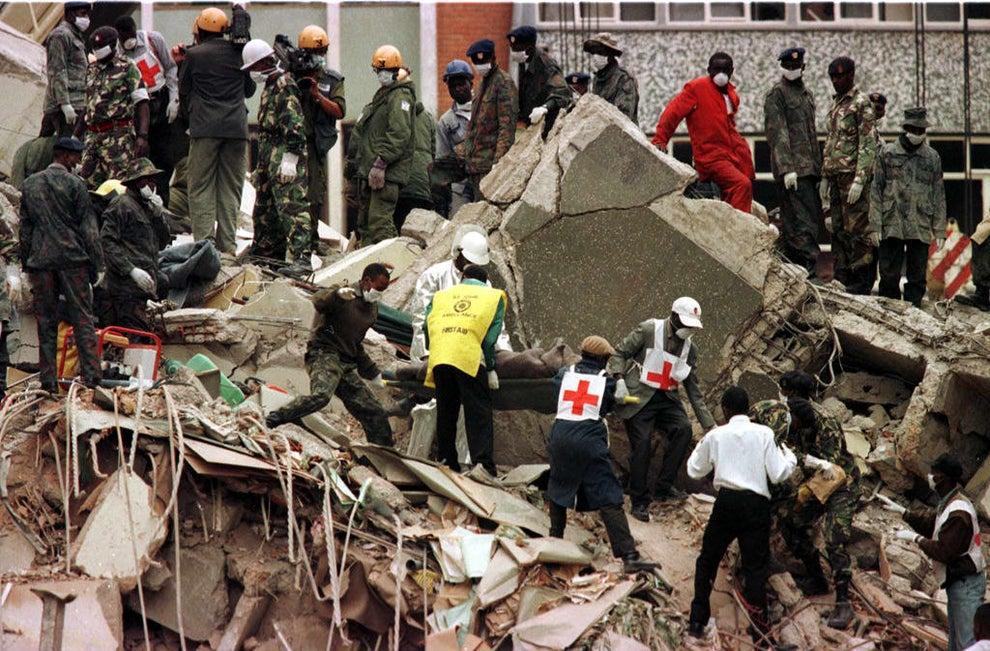
Caddell emerged as a leader in building U.S. diplomatic missions after the 1998 bombings of U.S. Embassies in Tanzania and Kenya, which killed over 250 people, prompted a major security upgrade by the State Department.
“Very few contractors can meet the strict requirements to even bid on secure work necessary for diplomatic facility projects,” Caddell stated on its website during its 40th anniversary in 2023.
At that time, the firm’s embassy portfolio included 39 projects valued at $7.4 billion, with four more added since.
The Milan consulate campus is being built on a 10-acre site at a former shooting range. The current U.S. Consulate is housed in a high-rise designed by acclaimed Italian architect Gio Ponti.
Plans for the new campus called for approximately 500 “locally employed workers.”
The project encompasses the restoration of a century-old building, a five-story consulate building, restored gardens, a reflecting pool, and a large outdoor gathering area.
Work is continuing under court supervision, with workers no longer facing room-and-board deductions and now limited to 45 hours a week, with two guaranteed days off.
Pay records appear to bolster allegations
The pay stubs presented by the workers listed apparent charges of 510 euros (around $590) per month for housing and more than 300 euros (around $350) per month for food.
But those deductions account for only a portion of the difference between the promised wages and the actual pay.
However, these deductions only account for a portion of the disparity between promised wages and actual pay.
Unions intend to seek damages for the workers to recover at least what they earned “through hard work and commitment,” said Laura Malguzzi, a labor representative at the Fillea Cgil union federation, which represents construction workers.
Malguzzi expressed surprise that the pay stubs appeared to document the alleged exploitation. Union experts are still examining the documents, which do not conform to Italian standards and whose origins could not be verified.
“They probably had in their minds the absolute certainty that they were untouchable,” Malguzzi commented.
The Kenyan workers noted they reluctantly accepted a $200 monthly salary in Nairobi, where unemployment is rampant, but expected better from a U.S. company operating in Europe.
“They can just hire you, and you just go running,” one worker said of the company. “Because you are poor you have nothing. And you have nothing you can do.”