


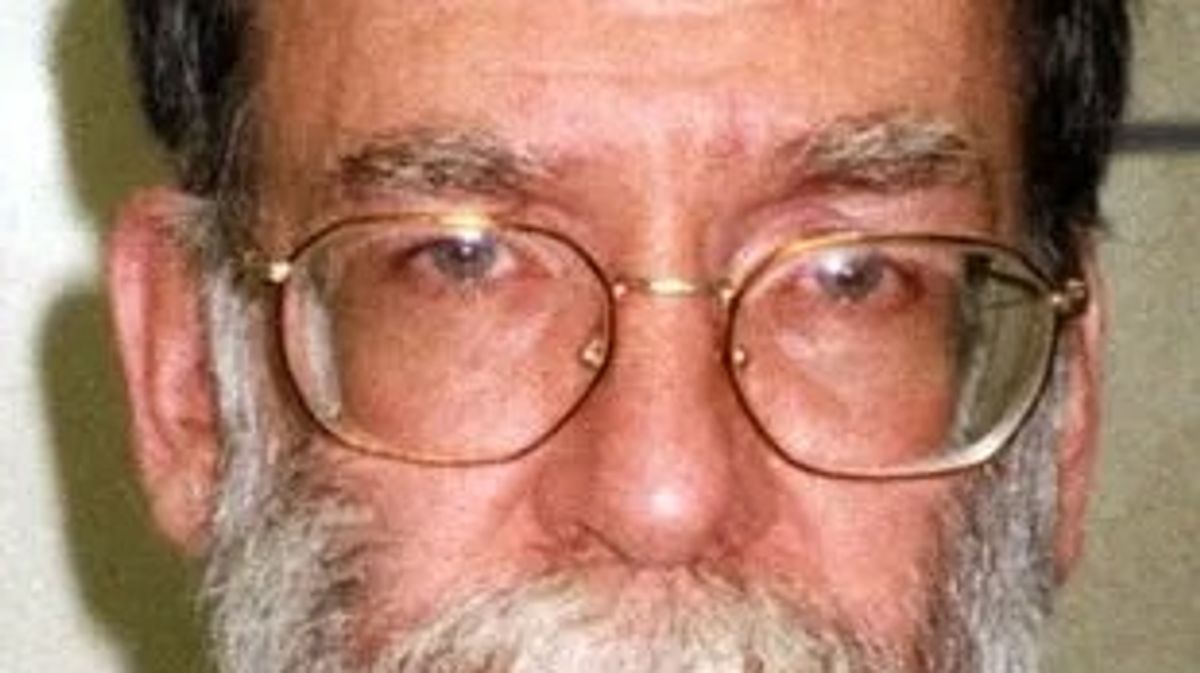
Lawyers are demanding to know how patients at a Scottish dementia ward could possibly have been illegally been given powerful opiates after stringent safeguards were introduced after the murders of the notorious Dr Harold Shipman.
The Harold Shipman Inquiry into the GP’s murder of up to 250 patients by lethal injections led to a major overhaul of the use of opiates like diamorphine.
But the multi-layered controls appear to have been disregarded at the Jura Ward, at Stobhill Hospital, Glasgow, where several patients were given the unprescribed painkillers – which hugely increase risk of death in dementia patients.
Shipman stockpiled diamorphine – pharmaceutical heroin – and used it to bring his victims’ lives to an early end in Hyde, Cheshire.
The last of several reports into his murders was published in 2005 and led to measures meant to prevent anyone – and especially older patients – being harmed by malpractice or error.
Opiates are not a recognised treatment for Alzheimer’s but may be used for acute pain or end-of-life palliative care.
 View 3 Images
Our original story in February reflected the concern of the family of George Maguire
Families we have spoken to believe their loved ones were receiving medication in the Jura ward that appeared to be palliative care.
Scottish hospitals have numerous legal safeguards that create an auditable digital paper trail for every single opiate administered. Prescriptions are linked to the patient’s Community Health Index (CHI) number and hospital stocks of opiates are stored in secure, locked metal cupboards that comply with the Misuse of Drugs Act.
Access is strictly limited to authorised personnel, such as the nurse in charge or a pharmacist.
To administer a controlled drug, two registered healthcare professionals must attend the patient’s bedside together and verify identity.
Every receipt, administration, and disposal of an opiate must be recorded in a legally mandated Controlled Drugs Register.
 View 3 Images
Jonathan Howat Thompsons Solicitors
Jonathan Howat a partner with Thompsons Solicitors Scotland, who leads the Firms medical negligence department, is preparing a case to sue NHS Greater Glasgow and Clyde over the opiate scandal.
He said: “What is striking about this case is the apparent lack of ambiguity surrounding the core facts. The families we represent have been informed by the health board that patients were administered medication which had not been prescribed for them. The medication concerned includes controlled drugs such as opiates, the prescribing, storage and administration of which are subject to some of the strictest safeguards within the healthcare system.
“Those safeguards exist for a reason. Controlled drugs must be carefully prescribed, recorded and accounted for at every stage. The public are therefore entitled to ask how medication came to be administered in these circumstances and whether all relevant safeguards operated as they should have done.
“The crucial question now is whether the incidents identified to date represent the full extent of the problem. The families are entitled to know whether any other patients were affected, over what period of time these events occurred, and whether the concerns were confined to a single ward. These are matters that require independent scrutiny and full transparency.”
Howat added: “Our experience in acting for patients and families in healthcare cases has taught us that it is important not to reach conclusions before all the evidence is available. Equally, it is important that legitimate questions are not dismissed prematurely. The families are right to seek a comprehensive investigation and complete disclosure of the facts.”
Harold Shipman was an English doctor who was convicted in 2000 of murdering 15 patients under his care. He was sentenced to life with a whole life order. On 13 January 2004, one day before his 58th birthday, Shipman hanged himself in his cell at HM Wakefield, West Yorkshire.
A spokesperson for NHS Greater Glasgow and Clyde said a Serious Adverse Event Review (SAER) remains underway following an incident involving a small number of patients within Jura Ward at Stobhill Hospit.
Article continues below
They added.: “We would be happy to meet with any other families who may have concerns.”