


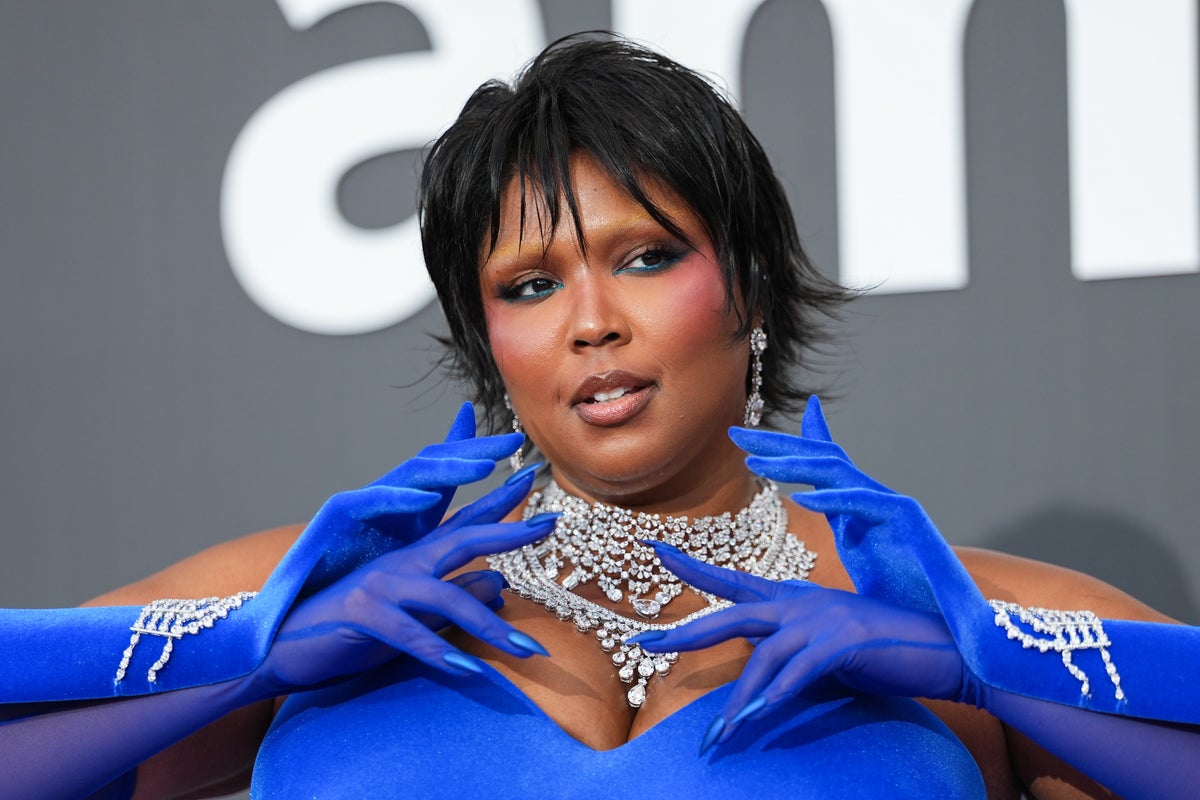
Remember when Lizzo took a DNA test and learnt she was “100 per cent that bitch”? That highly quoted lyric from her 2019 song “Truth Hurts” was one of several hits to exude an infectious confidence that made the Houston-raised singer the poster girl for empowering pop. She doubled down in the live arena: her shows were extraordinary, eye-popping affairs in which she shimmied and strutted around the stage in lace and latex. So strong was her appeal that this paper argued in 2023 that she should have headlined Glastonbury over Guns N’ Roses, much to Axl Rose’s chagrin.
This month Lizzo returns with her fifth album, Bitch. Unfortunately, it’s far from 100 per cent. Instead, this oddly frantic and brittle-sounding record seems to suggest that the once-reigning star has been knocked by a difficult few years. Just a few months after that triumphant Glastonbury performance, she found herself the subject of a lawsuit from three of her former backup dancers, whose claims of sexual misconduct and body-shaming in what they alleged was a “hostile” work environment went against everything Lizzo was supposed to stand for. Their accusations were backed by her former creative director, another dancer, and Oscar-nominated filmmaker Sophia Nahli Allison, who claimed she quit a documentary project after witnessing the singer exhibit “unkind and cruel” behaviour. Meanwhile, Lizzo has vehemently denied all the claims against her, some of which have been dismissed by a judge, and said last month that she will continue fighting her case.
Given Lizzo’s public statements and the fiery album title, you go into Bitch expecting a defiant tone. Yet this record is strangely muted and full of cliched platitudes that suggest she can’t even convince herself that she’s OK, let alone the rest of us. It certainly opens in grand fashion, with a dramatic flourish of orchestral strings. But these give way to Lizzo singing softly over stark piano (redolent of minimalist master Chilly Gonzales), as though delivering the elegy at a funeral: “I hope it makes you happy/ To hurt somebody else/ And when you lose it all/ I hope you find yourself/ And that you get what you deserve.” This is a toast, she sings, “to the ones who hurt me most”. She sounds bitter, and it echoes across several other tracks on the record.
Clearly, she wants listeners to know she’s shrugging off the haters: “I’m doing my best,” she declares. But is she really? The breathless “She Stole My Man” is an astonishing misfire that has her lusting after a man she’s never met, furious to discover that he already has a girlfriend. The dark bassline brings to mind Olivia Rodrigo’s “Good 4 U” or “Jealousy, Jealousy” – but where Rodrigo’s tracks captured the self-deprecating humour of it all, the mood of Lizzo’s track is more petty and vindictive as she venomously spits, “I hate that bitch forever”. There’s certainly plenty of space for songs that unpack rivalries between women (think Charli XCX’s “Girl, So Confusing”, Dolly Parton’s “Jolene” or Brandy and Monica’s “The Boy is Mine”), but Lizzo goes to no effort to investigate why she feels this way. It’s disappointing.
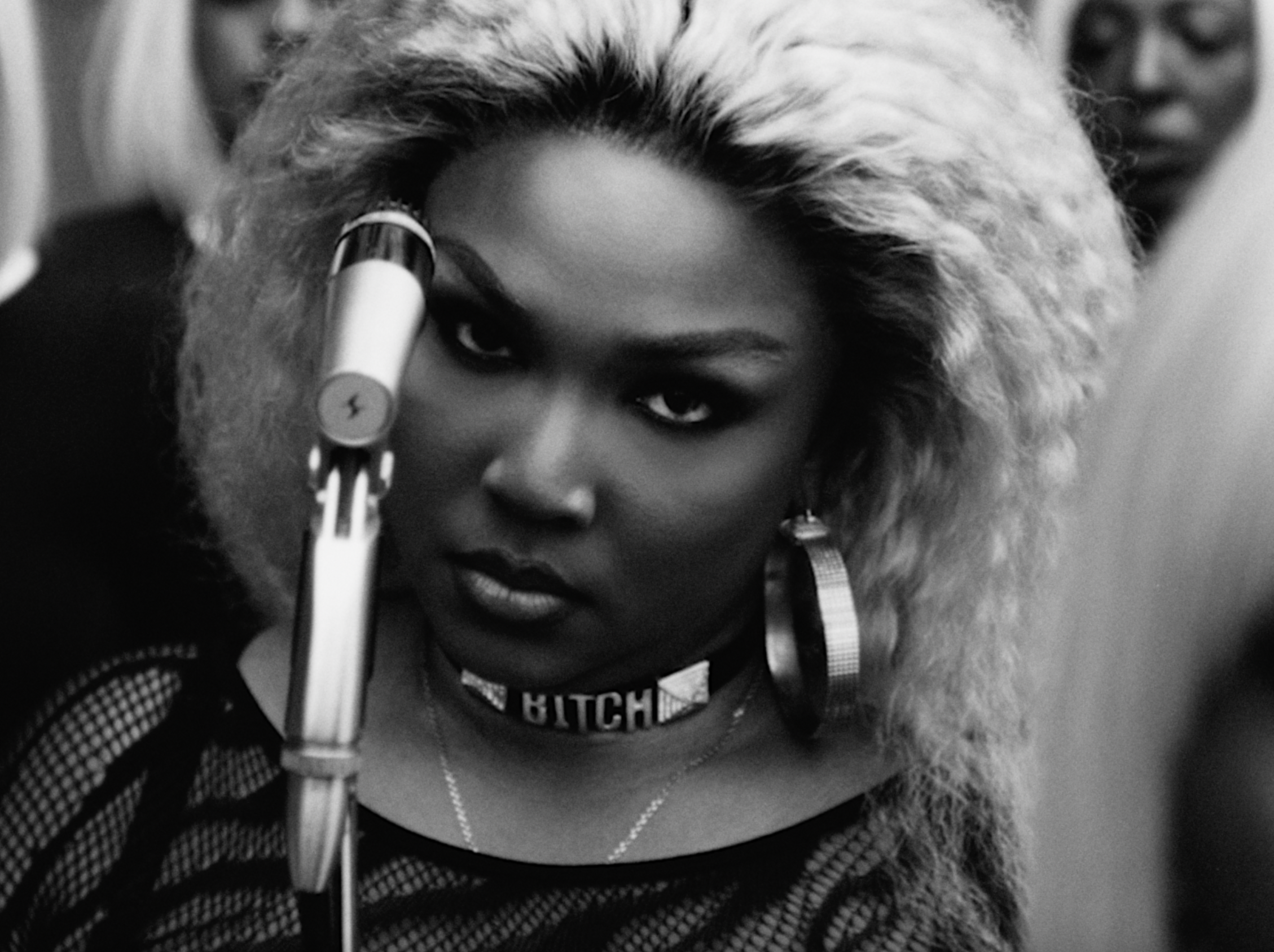 open image in gallery
Similarly, “That Grrrl” sets out its stall as her latest body positivity anthem but deploys the paranoid instrumentation – moody bass and skittery percussion – of Michael Jackson’s “Billie Jean”. She references The Human League’s “Don’t You Want Me” for the chorus (“I know you want my body/ I could change your world”), but the tone is plaintive rather than celebratory. Single “Don’t Make Me Love U” interpolates Tina Turner’s keyboard line from “The Best” and Bon Jovi’s “Livin’ On a Prayer” bass as Lizzo addresses her fraught relationship with the public and the press: “I’m fighting for us, but you just wanna fight.” In the music video, she sings to the bigger-bodied version of herself, perhaps a riposte to the noise surrounding her weight loss over the years.
Even there, though, the message is unclear. Indeed, such a reliance on samples of classic songs suggests Lizzo is struggling to back the themes she once owned. Bitch feels like an attempt to resurrect her image from before the controversy, one of an unbothered, unapologetic and confident queen. Yet in every respect, this record is all over the place. She sings the chorus from Meredith Brooks’ 1997 song “Bitch” on the title track with a fraction of the conviction heard in the original, complaining: “You want me to be everything except a human being.” But that’s the problem with Bitch. It seems Lizzo is trying to be everything except herself.