


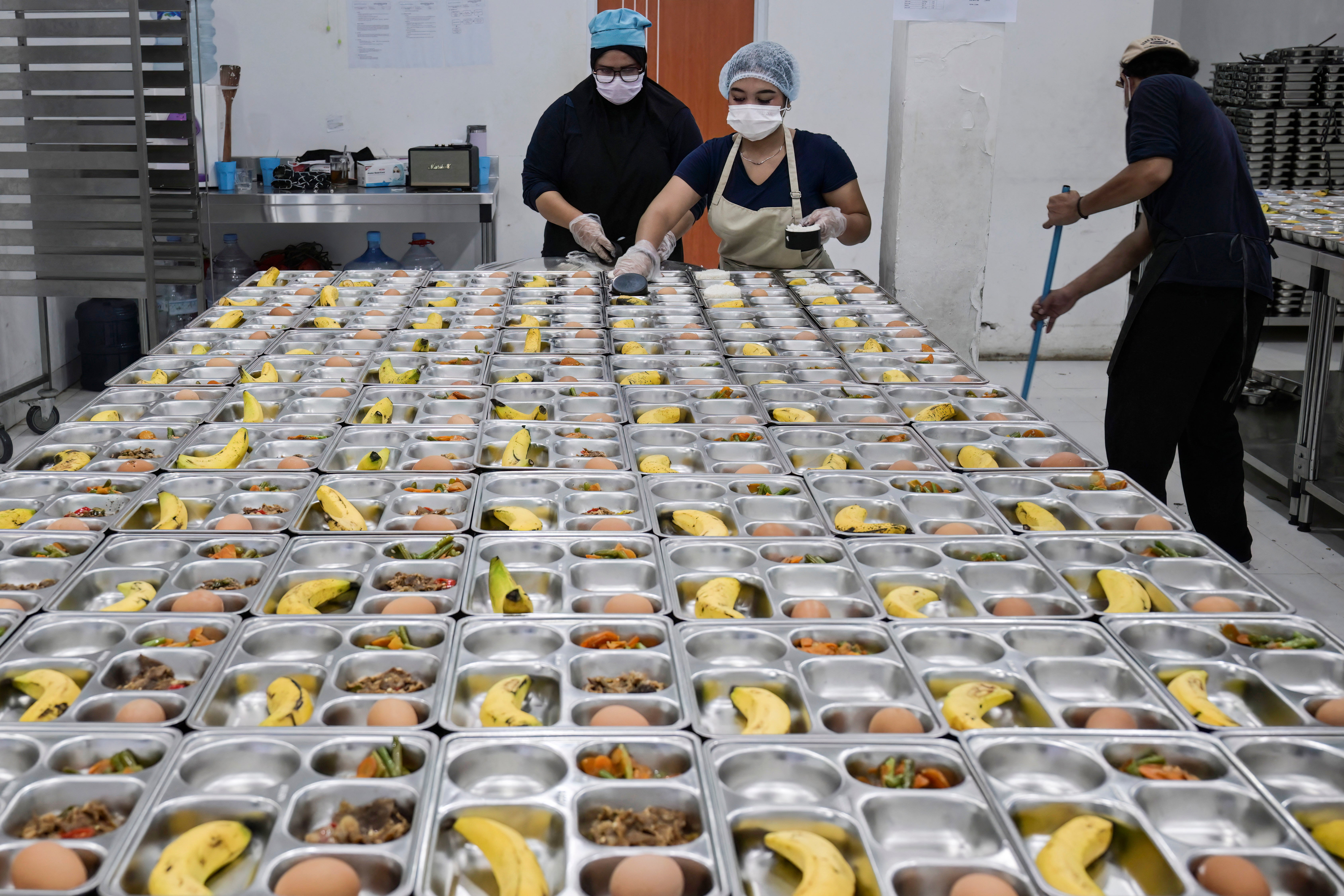
Indonesia‘s promise to feed 80 million school children every day has led to mass food poisonings, corruption arrests, and a criminal investigation, less than 18 months after the country launched one of the world’s most ambitious nutrition programmes.
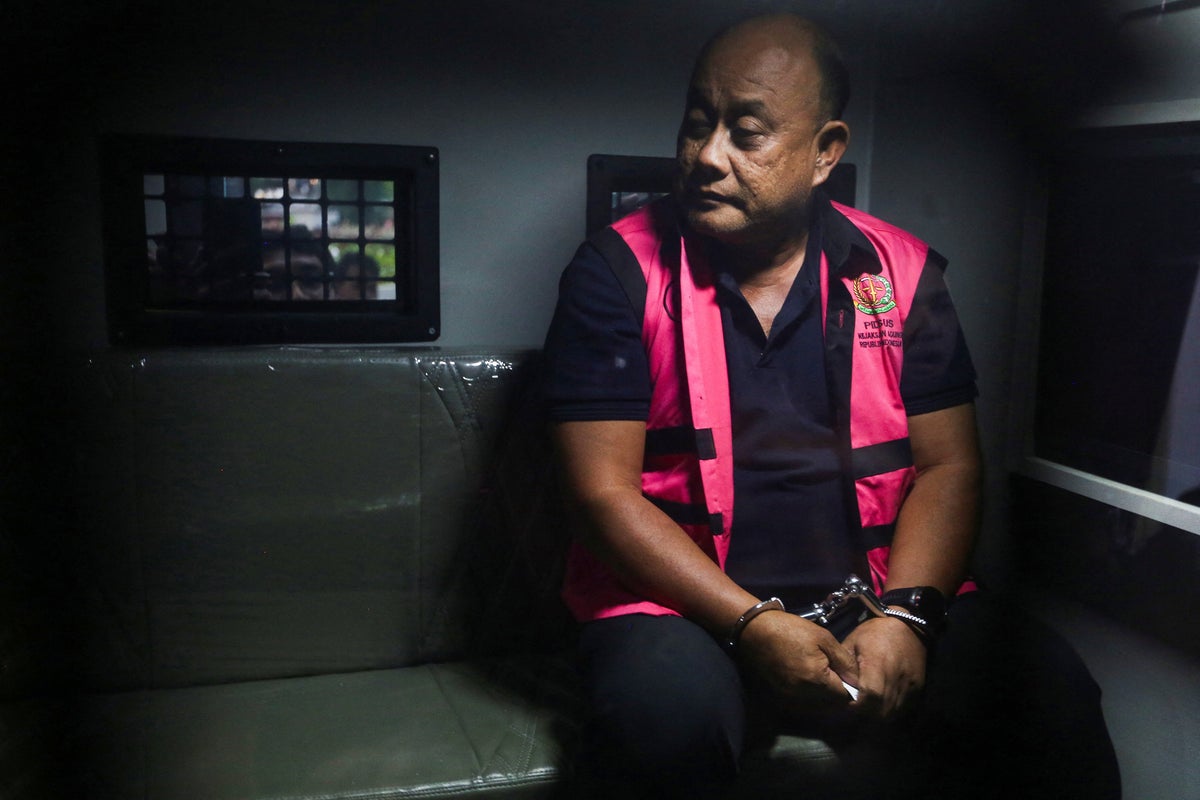
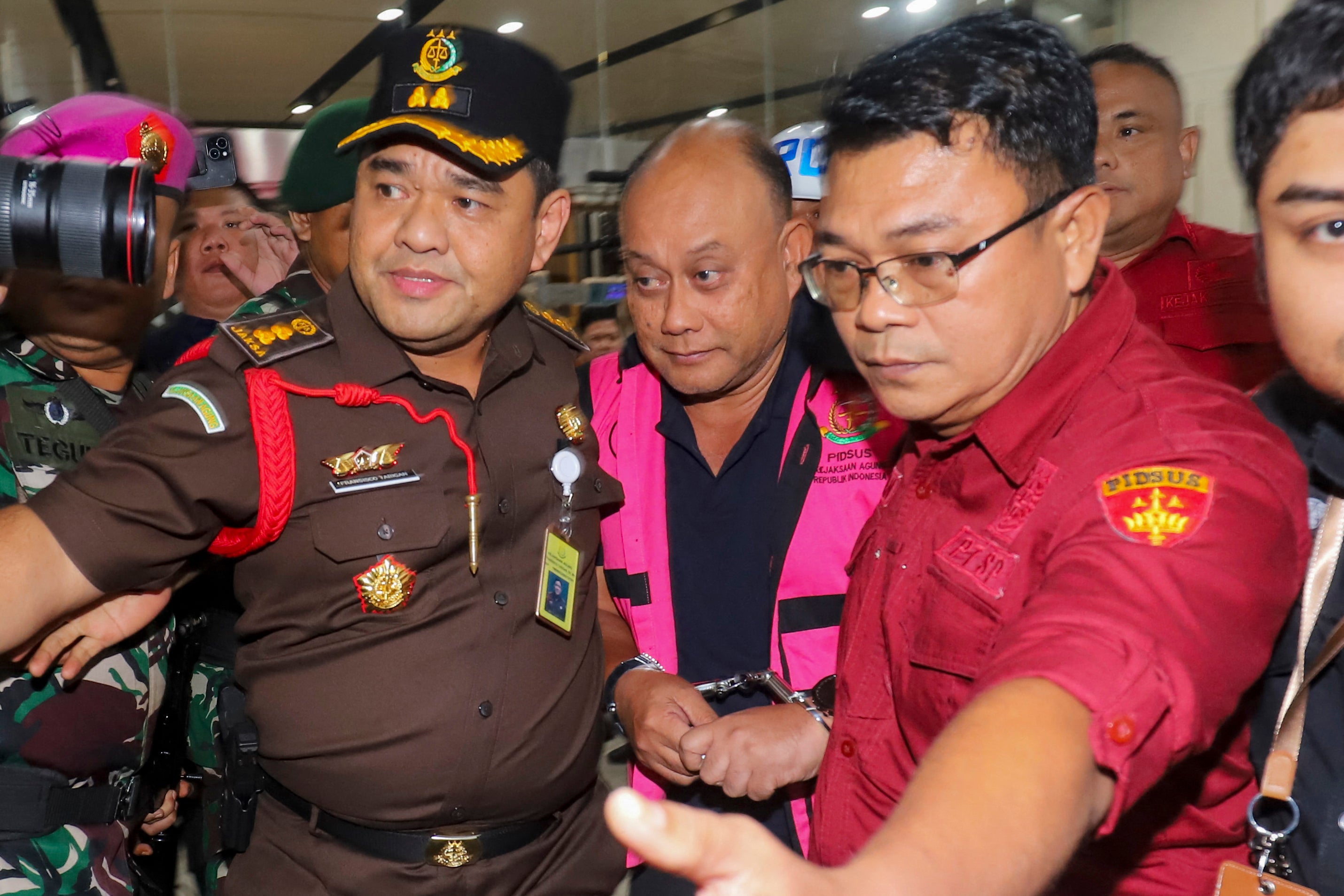
The head of the National Nutrition Agency overseeing the programme, Dadan Hindayana, was arrested on Wednesday on charges of causing state losses and enriching himself, according to local media. This came hours after investigators raided the agency’s offices in Jakarta and barred staff from entering.
He was seen being led away in handcuffs before being put into a vehicle as reporters surrounded him. Two other former officials were arrested on the same charges.
If found guilty, Mr Dadan faces a maximum 20-year prison sentence.
 open image in gallery
The arrest came less than 24 hours after president Prabowo Subianto fired Mr Dadan over food quality and governance concerns. It followed a complaint filed a week earlier by Indonesia’s anti-graft watchdog alleging budgeting discrepancies of nearly $50m (£39m) in the programme’s halal certification procurement alone.
The multi-billion dollar programme run by the organisation was a centrepiece of President Prabowo’s 2024 election campaign. It aimed to provide daily meals to 80 million school children to tackle malnutrition. It was one of the largest such programmes in the world.
But since its launch in January last year, tens of thousands of children have fallen ill. At least 33,000 food poisoning cases have been linked to the programme as of April, according to the Network for Education Watch, a local NGO.
The criticism of the programme has led to the president dismissing Mr Dadan on Tuesday evening. The firing and arrest came a week after Indonesia’s corruption watchdog filed a complaint alleging budgeting inconsistencies across the programme’s kitchens.
 open image in gallery
Mr Dadan was replaced by his deputy, Nanik Sudaryati Deyang, a former journalist and member of Mr Prabowo’s 2024 presidential campaign team.
Mr Dadan was accused of influencing the selection of several foundations managing the programme’s kitchens even though they had not met standards, and is accused of owning those foundations through external parties, according to local media reports.
He was also allegedly involved in the marked-up procurement of more than 21,000 electric motorbikes, 32,000 pairs of shoes and 5,400 televisions. Two other former agency officials were arrested on the same charges. The full extent of state losses is still being calculated, prosecutors said.
“Some issues relate to discipline in following standard operating procedures, while others relate to discipline in implementing governance, including discipline in maintaining food quality,” minister of state secretariat, Prasetyo Hadi, told reporters after the firing. Services to the public would not be disrupted, he added.
The problems, however, have extended beyond the poisoning cases. Mr Dadan drew controversy for suggesting each person should drink two litres of milk a day and proposing that insects and sago worms be used in meals.
The scheme was recently scaled back from six days a week to five as authorities sought to manage costs amid dwindling trade surpluses, a weak currency and economic pressures from the US-Iran war.
Almost all of the programme’s initial funding came from cuts to Indonesia’s education and health sectors, with funds diverted, reducing resources for teacher salaries and school operations. More than 20 per cent of Indonesian children are affected by stunting caused by severe malnutrition, the problem the programme was designed to address.
Speaking at a nutrition event after the arrests, Mr Prabowo said he had heard of violations at the agency but did not want to comment further to avoid interfering with the legal process. “I was forced to replace those I loved, trusted,” he said, adding that the free meals programme “should not be a source for self-enrichment.”
Mr Prabowo earlier acknowledged the programme was beset “with many problems” and vowed in a speech last month to act against anyone who “violates the rules or abuses their authority”.
He has maintained that despite challenges, the programme still retains public support.
“Everywhere I go, I meet ordinary people, farmers, saying: ‘Sir, please don’t stop the free nutritious meals programme, this really helps my grandchildren to be able to eat,'” he said.
The Independent has reached out to Mr Prabowo’s press and media bureau for comment.