


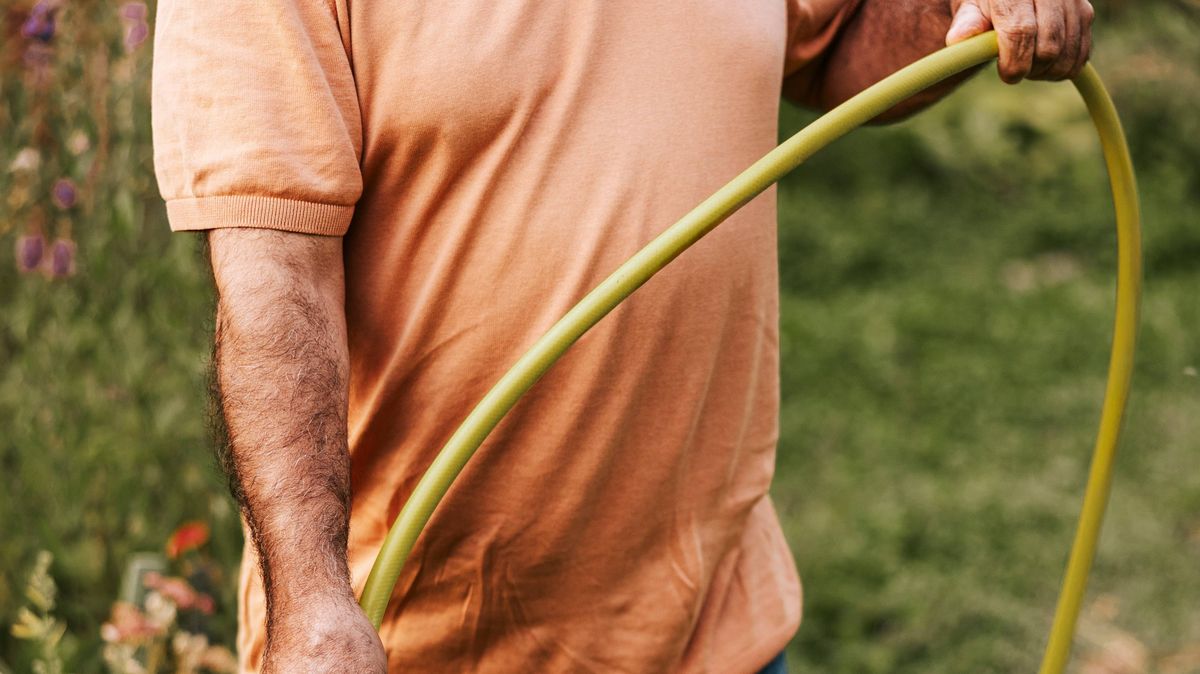
June boasts the longest day of the year, and the additional light and warmth throughout the month spur the garden into a period of rapid growth. It heralds some of the earliest harvests from the vegetable patch, alongside flowers bursting into full bloom.
According to the Royal Horticultural Society (RHS), there’s also a considerable amount to keep gardeners busy this month.
This encompasses watering carefully, pinching out tomato side shoots, and keeping weeds under control. Gardeners may also find their new potatoes and salad crops are ready to pick this month.
The RHS said: “Choose vibrant bedding plants for a summer show of herbs, shrubs and evergreens for a long-lasting display.”
Hanging baskets and container plants dry out considerably faster than bedding plants, so it’s essential to stay on top of watering to prevent them from drying out.
Summer baskets also benefit from occasional feeding with a liquid fertiliser, and gardeners should deadhead regularly.
The RHS said: “Watering is key to growing plants well, and it’s important to look at how to get it right. If you haven’t already got a water butt, installing one is a great way to help the environment.”
The experts advised watering early in the morning, calling it the “best time”. This is due to reduced evaporation, allowing plants to absorb the water throughout the day.
Watering in the evening is acceptable, though damp leaves overnight can attract pests and encourage fungal diseases.
 View 2 Images
Gardeners should pinch tomato side shoots off(Image: Getty)
The RHS noted: “Removing the sideshoots is simple-every time you water, check the plant for any shoots in the joint between the leaf and the stem.”
Getting rid of these helps the plant channel its energy towards the main fruit, resulting in larger, more succulent tomatoes for gardeners to enjoy.
Article continues below
Garden weeds can be tackled without resorting to chemicals, according to the RHS, by hoeing off seedlings, pulling or forking them out, or using a specialist weeding tool.
For larger, well-established weeds, use a spade or border fork to dig them out completely.
Should they appear on the lawn, simply mow regularly, and they’ll be cut by the mower blades.