


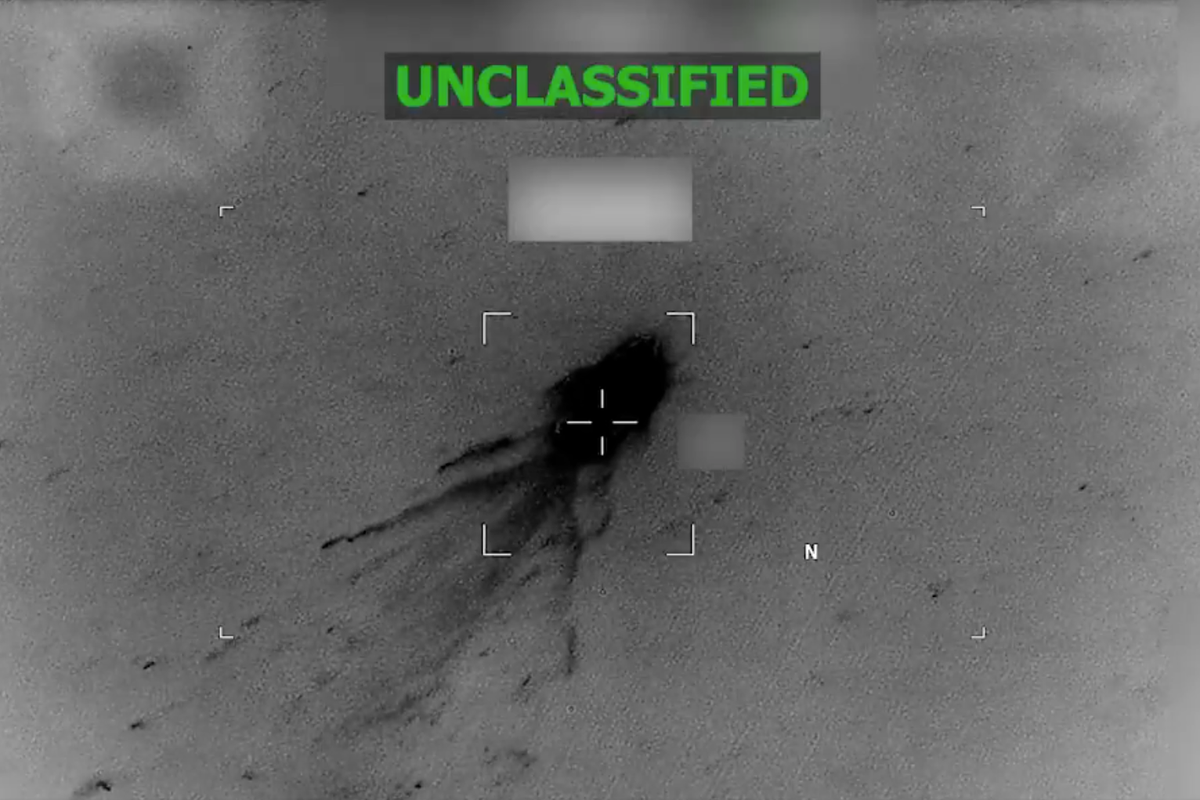
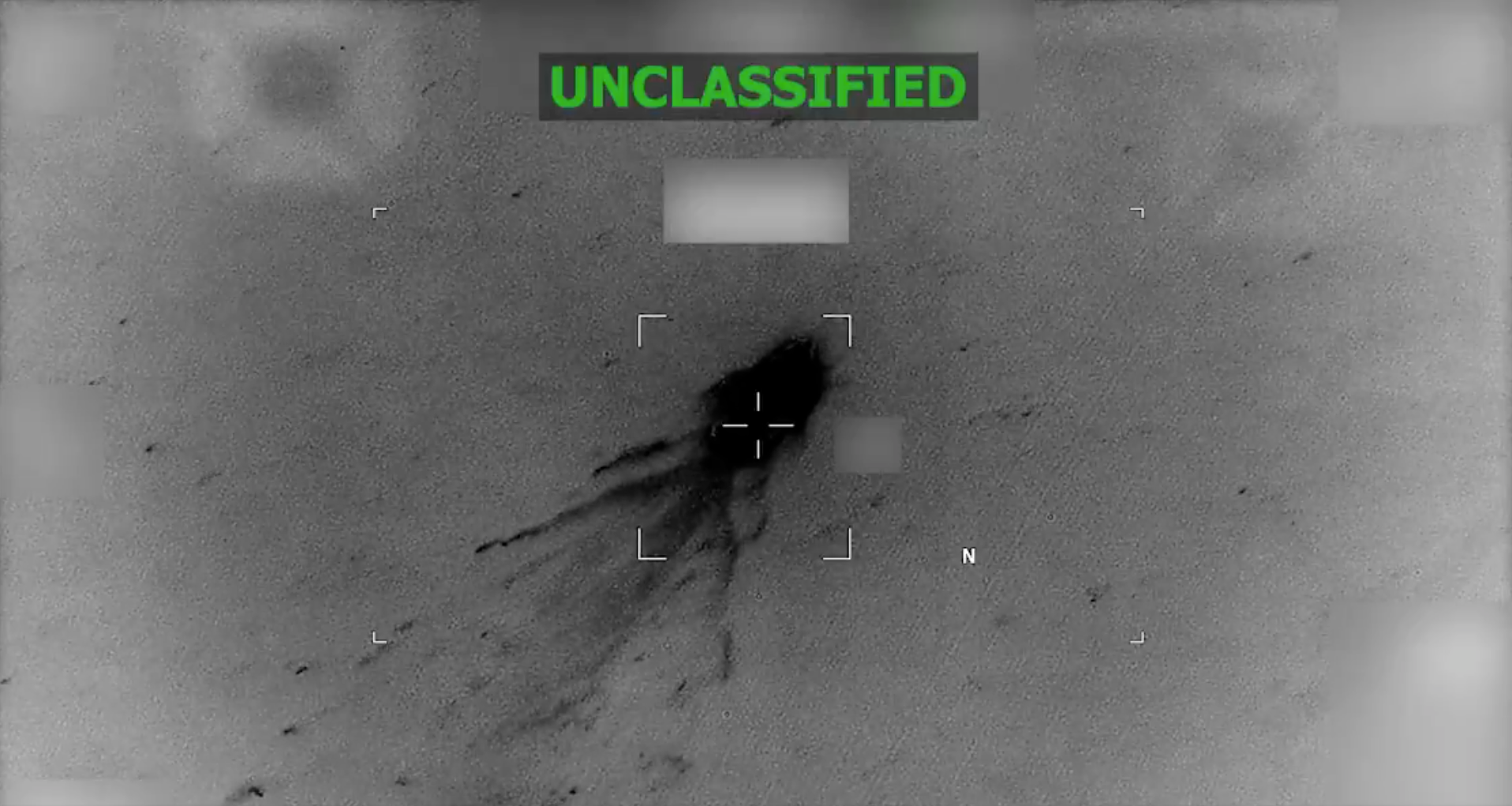
Donald Trump’s administration has launched dozens of airstrikes that have killed nearly 200 people in the eastern Pacific and Caribbean, a campaign that military officials have described as a campaign against “terrorist” groups trafficking drugs into the U.S.
But the months-long attacks have reportedly done little to combat the flow of illicit drugs into the country, raising questions about the effectiveness of an operation that law of war experts say amounts to extrajudicial killings and war crimes.
Cocaine is as easy to get in the U.S. today as it was nine months ago, when the president began launching a series of strikes that have killed at least 195 people, as of May 29, according to researchers speaking to The New York Times.
The cost of the operations has exploded to at least $4.7 billion, according to research from the Watson School of International and Public Affairs at Brown University. That total includes more than $3.8 million on naval deployments, $616 million on aircraft deployments, $15 million on special operation forces, and tens of millions of dollars spent on munitions, researchers found.
And yet cocaine, by far the most-exported drug from South America, “remains highly available, highly prevalent and relatively inexpensive,” Dr. Carl Latkin, a professor of public health at Johns Hopkins University, told the newspaper.
 open image in gallery
U.S. military assets are simultaneously intercepting suspected drug boats and recovering contraband, suggesting that the U.S. can deploy law enforcement to stop the flow of drugs into the country without killing everyone on board. Top military officials — including the commander in charge of the campaign — have also told members of Congress that the killings are not the way to stop them.
The Coast Guard seized more than 511,000 pounds of cocaine in 2025, more than three times the annual average, but that amount “pales in comparison” to the amount produced in South America, according to The Times. Drug researchers and the United Nations estimate that annual cocaine production is roughly 5.7 million pounds.
The Trump administration insists that strikes against suspected traffickers are fully within legal bounds, supported by the administration’s notice to Congress that the U.S. is formally engaged in an “armed conflict” with drug cartels that the president has labeled “unlawful combatants.”
The administration still has not publicly provided sufficient evidence or legal justification for the attacks, according to members of Congress and civil rights groups who are pushing for answers.
Military officials argue that the attacks are disrupting trafficking routes, but analysts have found that smugglers are merely shifting to other trafficking methods, including smuggling cocaine on container ships.
U.S. Customs and Border Protection officials are also intercepting larger quantities of drugs, which researchers say isn’t necessarily a sign that law enforcement agents are stopping the flor of illegal drugs. Those seizures can also be representative of the volume of drugs moving into the U.S
“They’re not moving the needle at all,” according to Adam Isacson, director of research group Washington Office on Latin America. “Is that worth killing all these people?”
 open image in gallery
Public health researchers told The New York Times that street prices would likely increase if boat strikes were successful; cocaine is still roughly $60 to $100 per gram in many U.S. cities, according to University of North Carolina addiction scientist Nabarun Dasgupta, a leading expert on the epidemiology of street drugs in the U.S.
Purity levels have also not noticeably decreased, researchers said. Dealers do not appear to be stretching out products with adulterants and synthetic ingredients compared to previous years, Dasgupta said.
Gen. Francis Donovan, who is overseeing the strikes as head of U.S. Southern Command, told members of Congress that the strikes are forcing alleged traffickers to change their patterns — but they’re not “the answer.”
“Boat strikes aren’t the answer,” the four-star Marine Corps officer told the Senate Armed Services Committee in March. “Boat strikes will be one of the main tools, and probably not the most effective.”
The Department of Defense is “taking the fight to the cartels and defending our Homeland from Designated Terrorist Organization’s [sic] illicit activities before their violence and poison reaches our shores — this includes all our nation’s borders,” a spokesperson for Southern Command told The Independent earlier this month.
Southern Command “will continue to counter illicit drug trafficking by narco-terrorists using maritime routes, in support of the National Security Strategy and the National Defense Strategy,” the person said.