


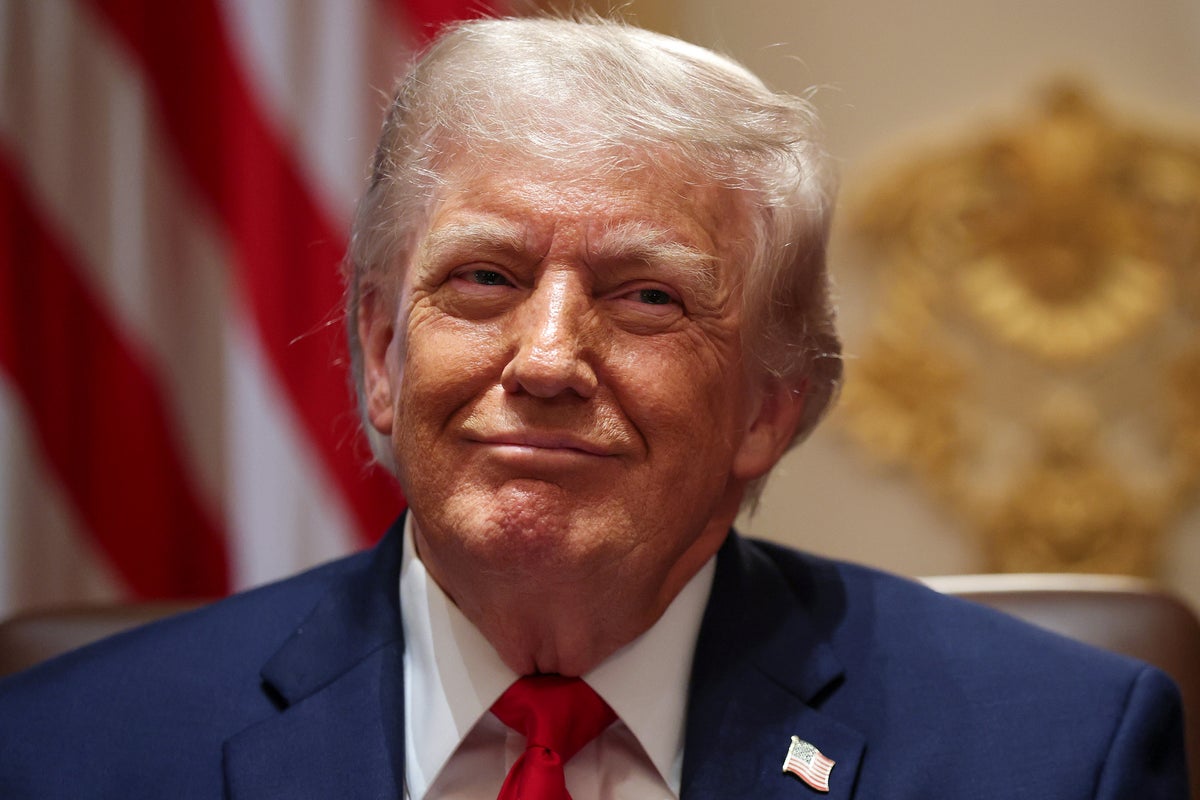
Iran says it has targeted a US air base in retaliation for fresh American strikes on an Iranian naval base and airport in the Strait of Hormuz.
Donald Trump’s military launched more strikes late on Wednesday targeting a military site that was believed to have posed a threat to American forces and commercial traffic in the Strait, a US official told Reuters. The US said it was intent on continuing a fragile ceasefire.
Iran’s Revolutionary Guard said it attacked a base without specifying which one, and warned that any further US aggression would draw a “more decisive” response. The attacks came after Trump said he was not yet satisfied with a deal with Iran.
“Iran is very much intent, they want very much to make a deal,” he said at a White House cabinet meeting on Wednesday. “So far they haven’t gotten there … we’re not satisfied with it, but we will be. We will be either that or we’ll have to just finish the job”.
Meanwhile, Kuwait‘s army said on Thursday that its air defences were intercepting hostile missile and drone threats, but did not say where they were coming from.
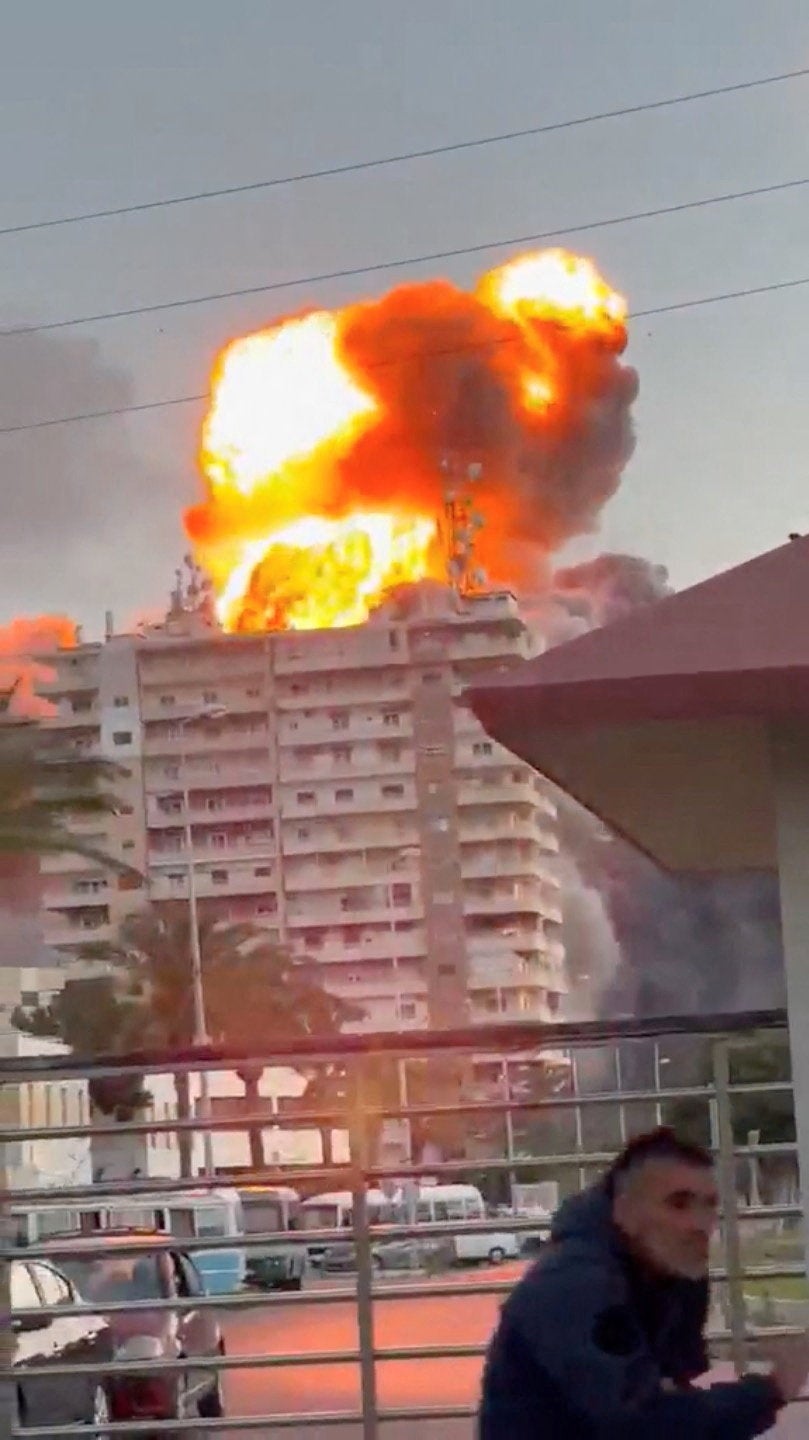
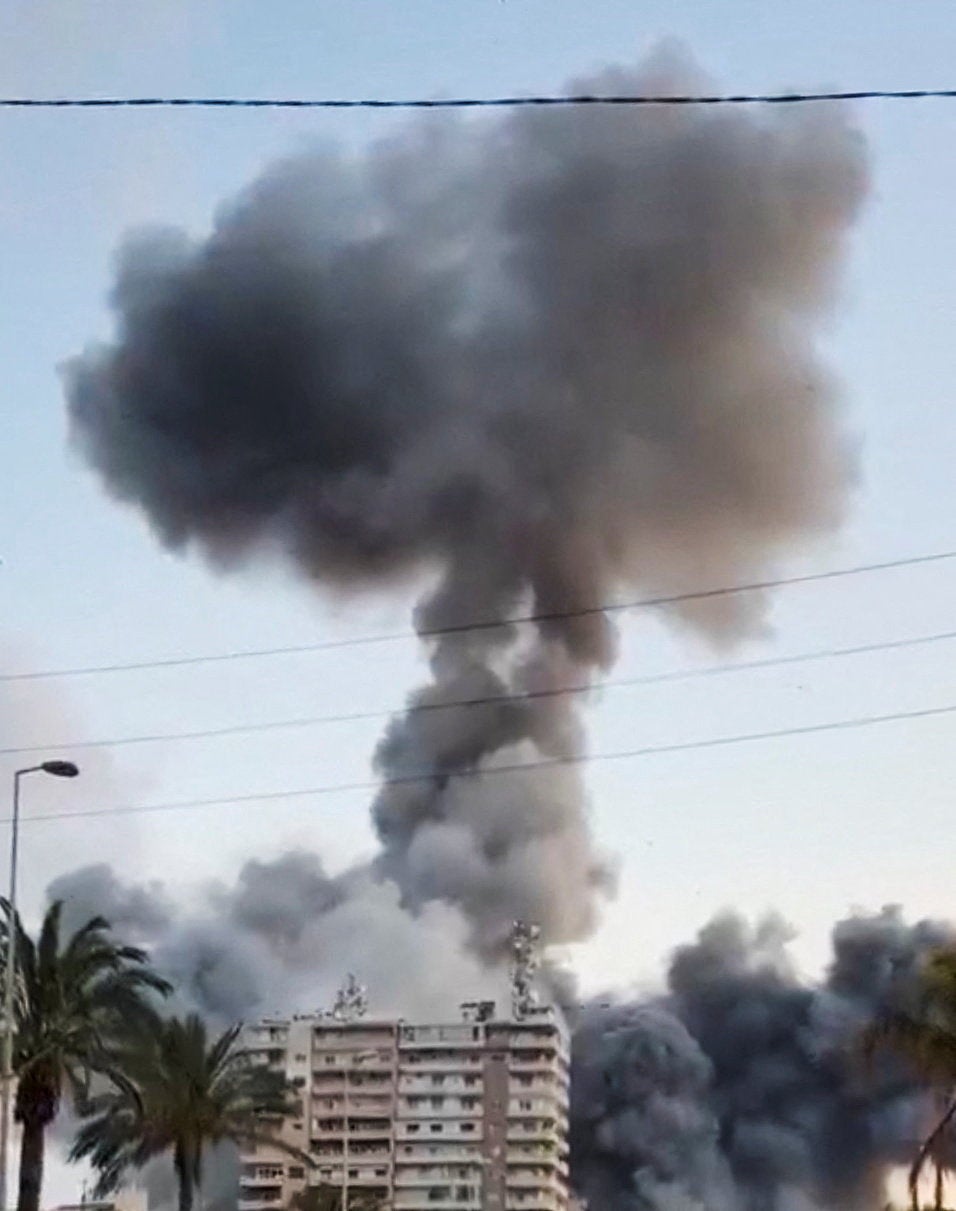
Watch: Fire erupts as Israel strikes Hezbollah infrastructure in southern Lebanon
What are the $24bn of frozen Iranian assets?
Our foreign affairs correspondent James Reynolds reports:
Iran has long been burdened by Western sanctions, limiting its ability to earn revenues from its lucrative trade in oil and gas.
There are primary sanctions, by which a sanctioning country or bloc, like the EU, bans its companies and citizens from doing work with Iran. And then there are secondary sanctions, or extraterritorial sanctions, which bar entities in third countries from doing business with Tehran.
Washington’s secondary sanctions have resulted in companies suspending payments to Tehran, as international banking restrictions have made transfers illegal under rules set out by the US Treasury department.
By way of example, Iran has sought the release of $6bn now held in Qatar. Those funds stem from Iranian oil sales to South Korea that were blocked after President Trump reimposed sanctions on Iran in 2018 and scrapped a deal with Iran over its nuclear programme.
The figure had been due for release in 2023, under Joe Biden, as part of a US-Iranian prisoner swap before being effectively frozen again in the wake of the October 7 attacks on Israel by Iran’s ally, Hamas.
While no comprehensive public ledger is available, trackers estimate there are around $100bn (£74.5bn) worth of frozen assets around the world, representing between a third and a quarter of Iran’s GDP.
These are mostly held between China, India, Japan, Qatar and Iraq, with smaller amounts tied up in Europe and the United States.
Kuwait says air defences intercepting hostile missile and drones
Kuwait’s army said this morning that its air defences were intercepting hostile missile and drone threats, but did not say where the attacks were coming from.
The army said any sounds of explosions heard in the country were the result of air-defence systems intercepting the attacks.
Iran demands release of all its frozen assets
All of Iran’s frozen assets must be released and returned without conditions, Iran’s deputy secretary of the supreme nation council has demanded this morning.
He said: “We are seeking the release of all of Iran’s funds by the US and this is the legal right of Iran.”
Earlier, Iran’s Fars news agency reported that the last sticking point to be agreed to secure a peace deal between the US and Iran concerns some $24bn (£17.85bn) in Iranian funds frozen in banks around the world.
Alisha Rahaman Sarkar28 May 2026 07:03
Trump’s war costs more than $29bn in three months
The conflict in the Middle East is entering its fourth month with negotiators yet to make a breakthrough, which would pave the way for an enduring peace.
Both sides have been back and forth with revisions of draft agreements to restore shipping through the Strait of Hormuz and lift the dual blockades, allowing for more comprehensive talks on the central nuclear issue.
But the effects of three months of conflict have been seismic, with an estimated 7,000 people killed in the region, major disruption to the global economy and more than a million people displaced from their homes – without delivering on any of Donald Trump’s stated objectives.
More here.
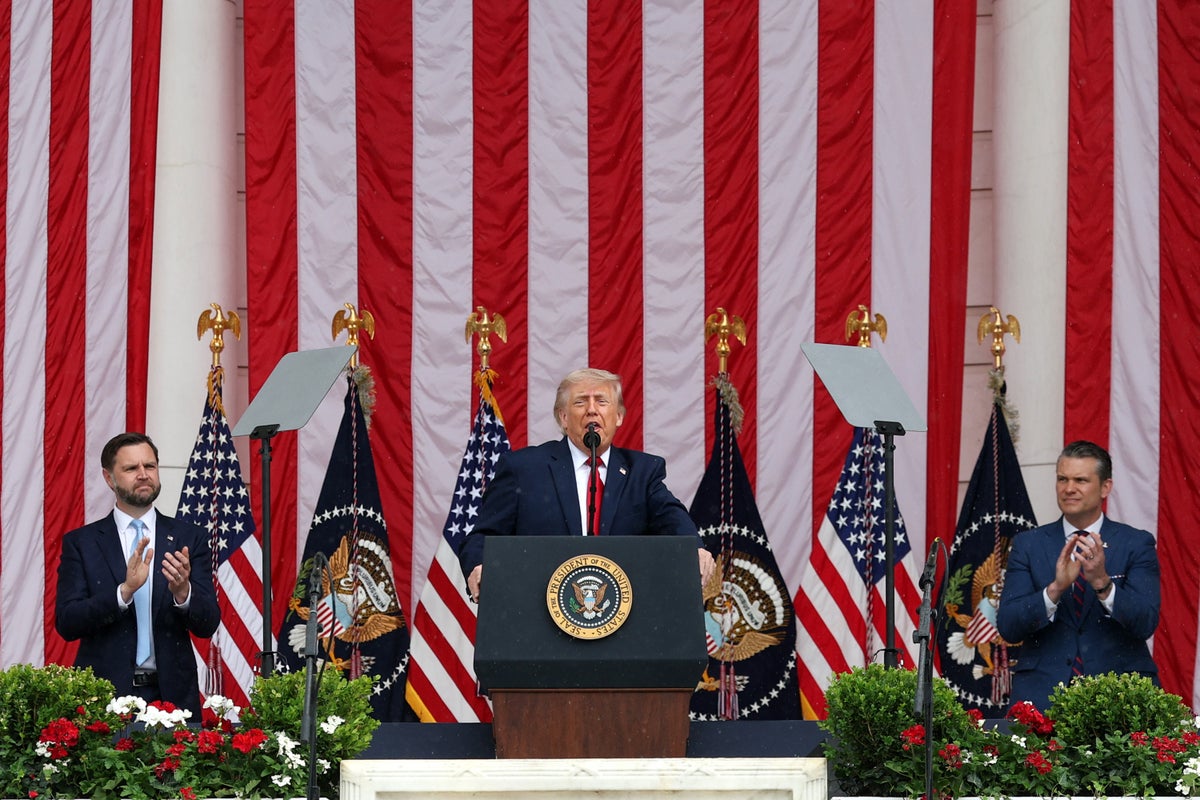
US-Iran war in numbers: Trump’s war costs more than $29bn in three months
As the war grinds on, conservative estimates put the cost of munitions to the US in the multi-billions, with some analysts suggesting the figure could already be as high as $1 trillionAlisha Rahaman Sarkar28 May 2026 06:45
Israel strikes southern Lebanon
Alisha Rahaman Sarkar28 May 2026 06:31
Israeli soldier killed in Hezbollah attack
An Israeli soldier was killed while two reservists suffered injuries in a drone attack by Hezbollah in northern Israel, close to the border with Lebanon.
The soldier died after two drones launched by Hezbollah exploded in a military zone on the border during the attack, according to reports.
Separately, the Israeli military said it intercepted an apparent Hezbollah drone over an area of southern Lebanon where Israeli troops are operating.
Alisha Rahaman Sarkar28 May 2026 06:25
Trump threatens to blow up Oman
Donald Trump has now threatened to blow up Oman after claiming that no single country would have control over the Strait of Hormuz.
“Nobody’s going to control it,” Trump said, responding to reports that Iran and Oman would control shipping through Hormuz as part of the deal to end the war.
Trump added: “It’s international waters and Oman will behave just like everybody else or we’ll have to blow them up. They understand that, they’ll be fine.”
Alisha Rahaman Sarkar28 May 2026 05:53
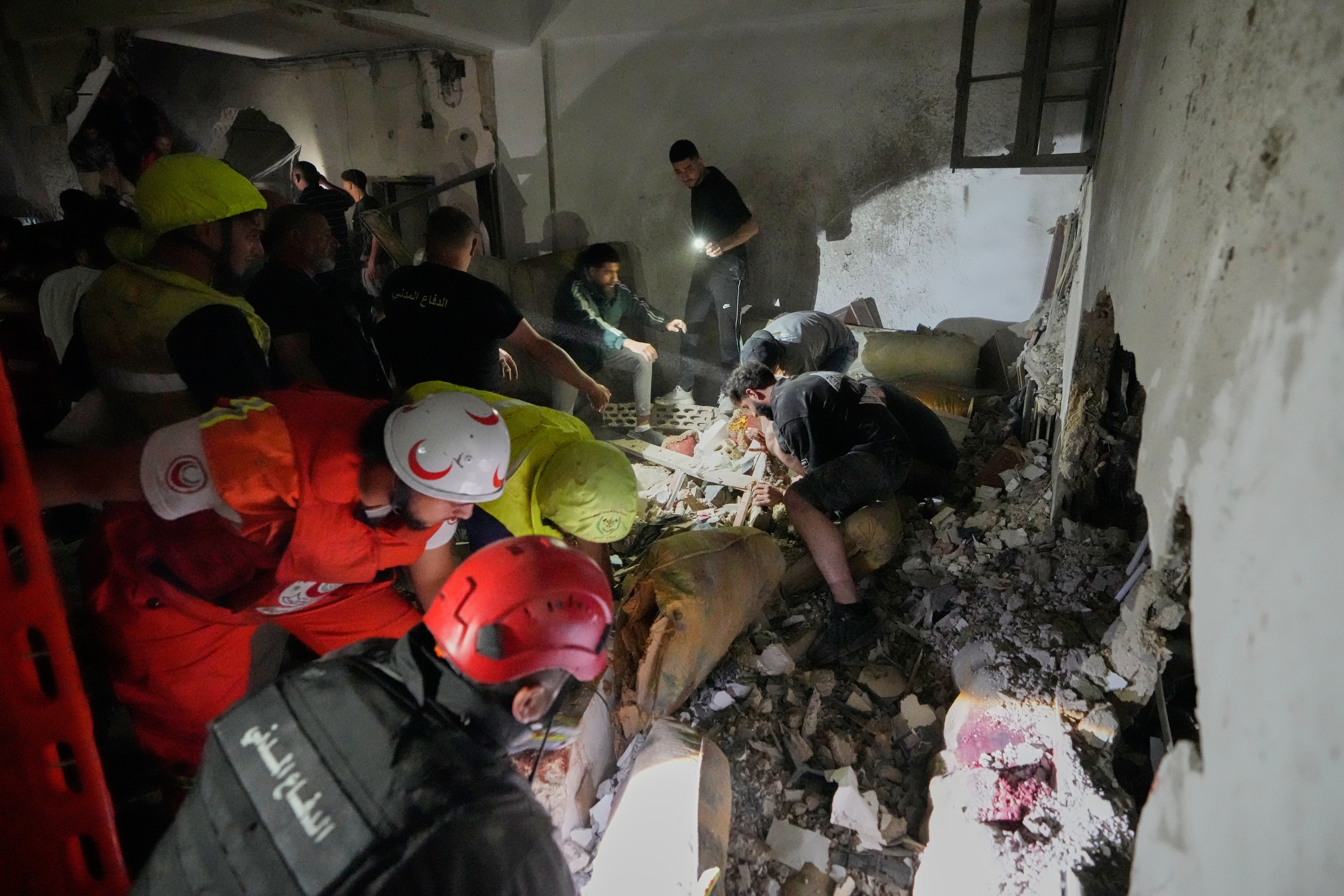
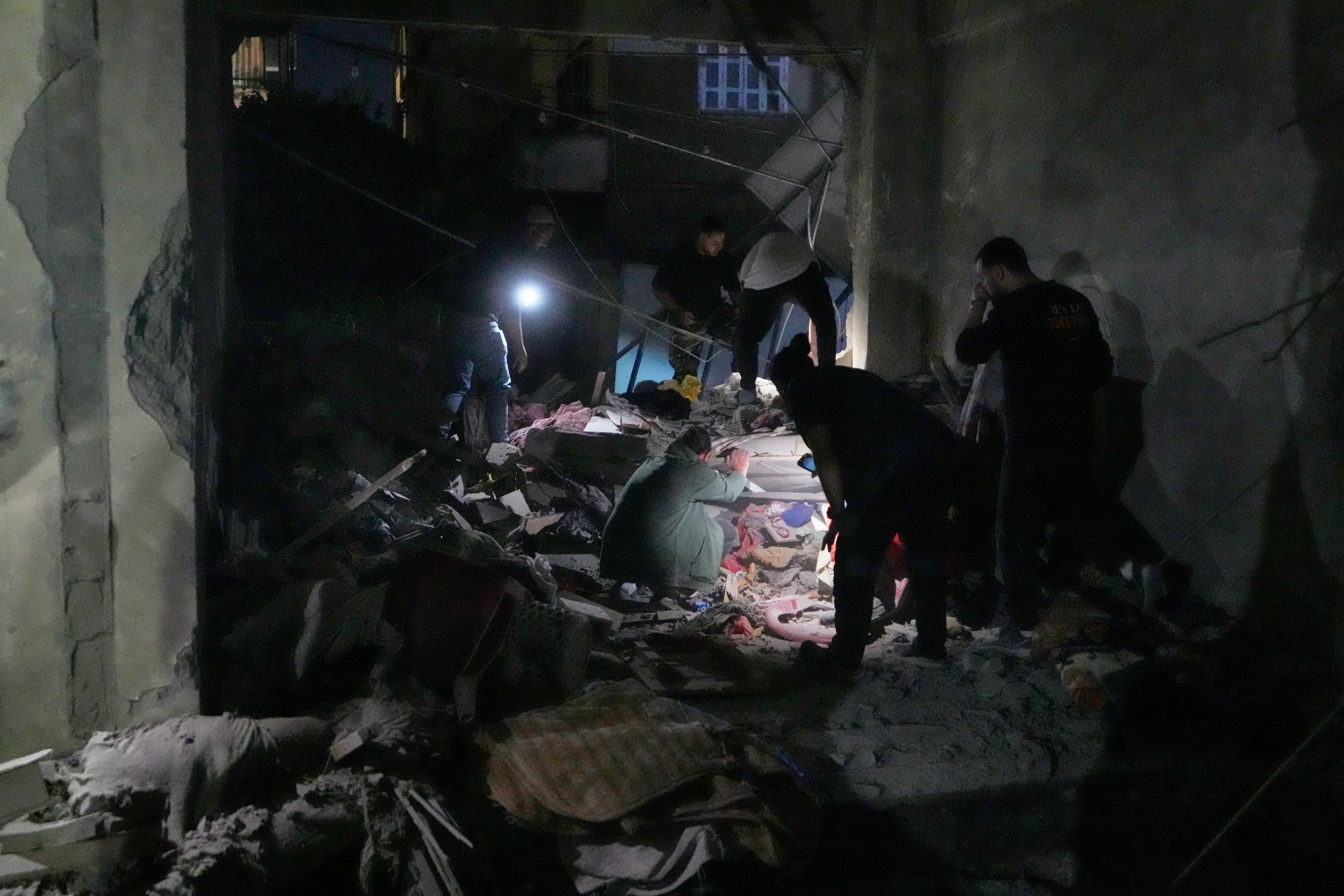
Israel continues to attack Lebanon
Alisha Rahaman Sarkar28 May 2026 05:25
Watch: Trump says he doesn’t care about midterms when asked about Iran negotiations
Rachel Dobkin28 May 2026 05:00NewerOlder