


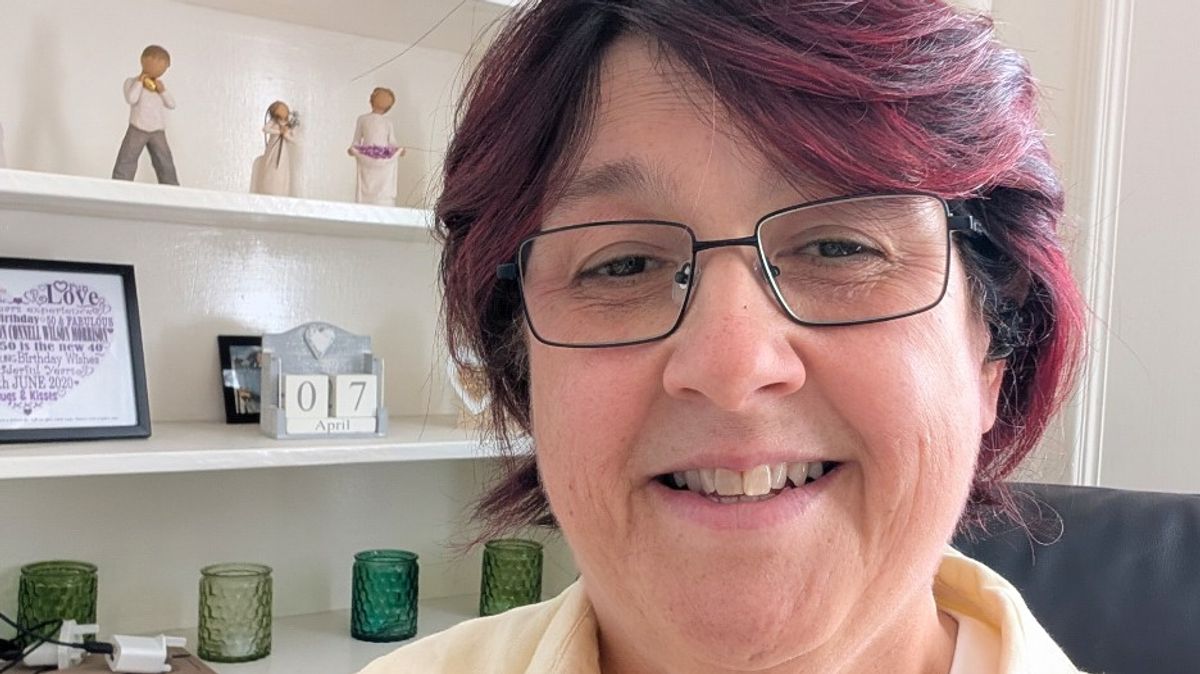
A woman who spent decades in agony before finally being diagnosed with arthritis says she was left “existing, not living” as doctors repeatedly dismissed her pain.
Kathy Morrison, 55, says she suffered from chronic pain from the age of 13 but was told it was “growing pains” because of her 6ft frame, before later being blamed on her weight.
By her late 40s, the Helensburgh woman was on powerful morphine and fentanyl patches as the pain spread through her knees, back, spine and hips.
“Life before diagnosis was a nightmare,” she said.
“I didn’t sleep because the pain was so bad and, at one point, I was on both morphine and fentanyl patches, really harsh medication.
“The pain affected my mental health so badly that I was diagnosed with severe depression which was compounded by grief after losing my husband 11 years ago.
“I closed myself away. I didn’t know how to deal with the pain, and nobody was helping me.”
 View 5 Images
Kathy’s pain left her isolated and overweight.(Image: Supplied)
The medication left Kathy covered in bruises and losing skin from her arms.
“I just couldn’t live my life like that any more, I was merely existing,” she told the Record.
Kathy says she was finally diagnosed with osteoarthritis at 50 after seeing a new GP who referred her for tests and X-rays — more than 35 years after her symptoms first began.
She is sharing her story as Arthritis UK warns thousands of Scots are being left “in pain and in limbo” because of delays in diagnosis and treatment.
A new report by the charity found patients are often forced to navigate multiple barriers before finally getting answers.
There are currently 1.7 million people in Scotland living with arthritis and musculoskeletal conditions, while previous Arthritis UK research found 38 per cent of patients felt their diagnosis took too long. More than half reported unreasonable waits to see a specialist.
Kathy believes earlier intervention could have changed her life. After finally getting answers — and support through Arthritis UK — she has transformed her life.
Kathy, who once relied on crutches, manage to achieve the impossible and completed a half marathon last year after taking up exercise and movement to help manage her condition.
 View 5 Images
Kathy who has crutches is now running after support for her condition.
“I went from someone using crutches to running a half marathon,” she said.
“The difference is staggering.
“I still live with pain every day, but I can manage it more now and stopped taking the pain medication, which was causing me so many problems.”
Kathy is backing Arthritis UK’s call for the Scottish Government to introduce a long-term musculoskeletal action plan and invest in reducing orthopaedic waiting times.
 View 5 Images
Kathy wants to see others get they help they need.
“It is disappointing that diagnosis took so long because my life could have been different so many years ago,” she added.
“I could have been spared a lifetime of pain, but it was always just blamed on something else.
“I feel very lucky that I’ve had my diagnosis and I’m in a better place purely because of my GP and Arthritis UK.
“But there are so many people being left far too long and let down.
“The Scottish Government really needs to make changes and come up with an action plan.”
 View 5 Images
Lauren Bennie(Image: Arthritis UK)
Lauren Bennie, Head of Scotland at Arthritis UK: “People with arthritis are being let down. Too many Scots are waiting far too long without answers.
“With the First Minister’s cabinet appointments now made, MSPs and Ministers have a real opportunity to finally give arthritis and musculoskeletal conditions the focus they deserve.
“Faster routes to diagnosis, earlier intervention and better support must now become part of a long-term MSK action plan to improve outcomes for the millions of Scots living with these conditions.”
A Scottish Government spokesperson said: “The Scottish Government is committed to improving care and support for people with chronic pain and progress continues with our Implementation Plan which sets out the actions we will take to address the things people with chronic pain have told us matter most to them.
Article continues below
“This includes work to support specialist pain management services to reduce waiting times for treatment by implementing improvements in how care is planned and delivered, and considering workforce solutions.”
Get more Daily Record exclusives by signing up for free to Google’s preferred sources. Click HERE