


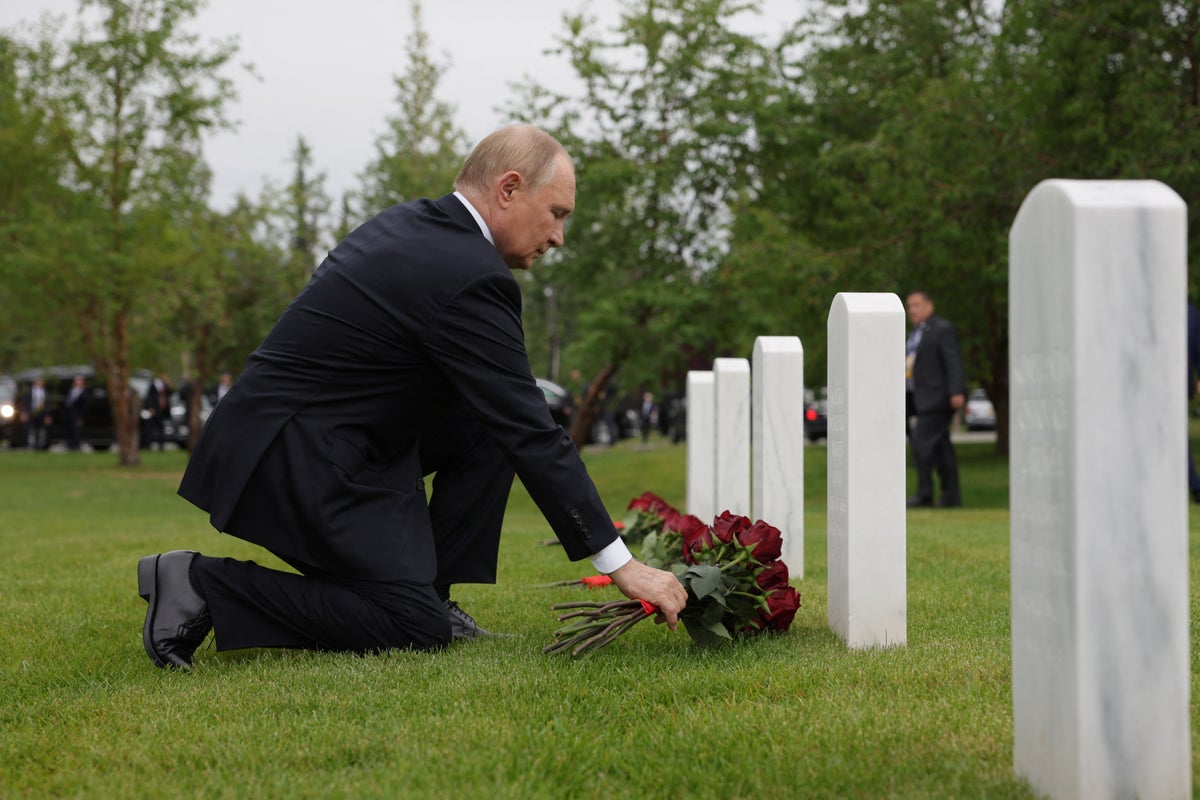
Russia has lost 500,000 soldiers since it began its full-scale invasion of Ukraine in 2022, the UK’s intelligence chief said in London.
GCHQ director Anne Keast-Butler gave the latest figure for Russian casualties in Ukraine during her first public speech at Bletchley Park, saying it proved Vladimir Putin was “going backwards in the battlefield”.
Ms Keast-Butler warned Russia was risking a wider conflict in Europe by targeting critical infrastructure and supply chains across the continent.
She also said Russian security services were behind espionage plots in multiple countries and blamed Moscow for “scaling up its daily hybrid activity against the UK and Europe”.
Assessments by Western intelligence and independent analysts suggest both Russia and Ukraine have seen hundreds of thousands of troops killed in the war, with Moscow’s losses likely significantly higher than Kyiv’s. Neither side publishes regular figures on its own casualties, and both accuse each other of exaggerating their enemy’s losses.
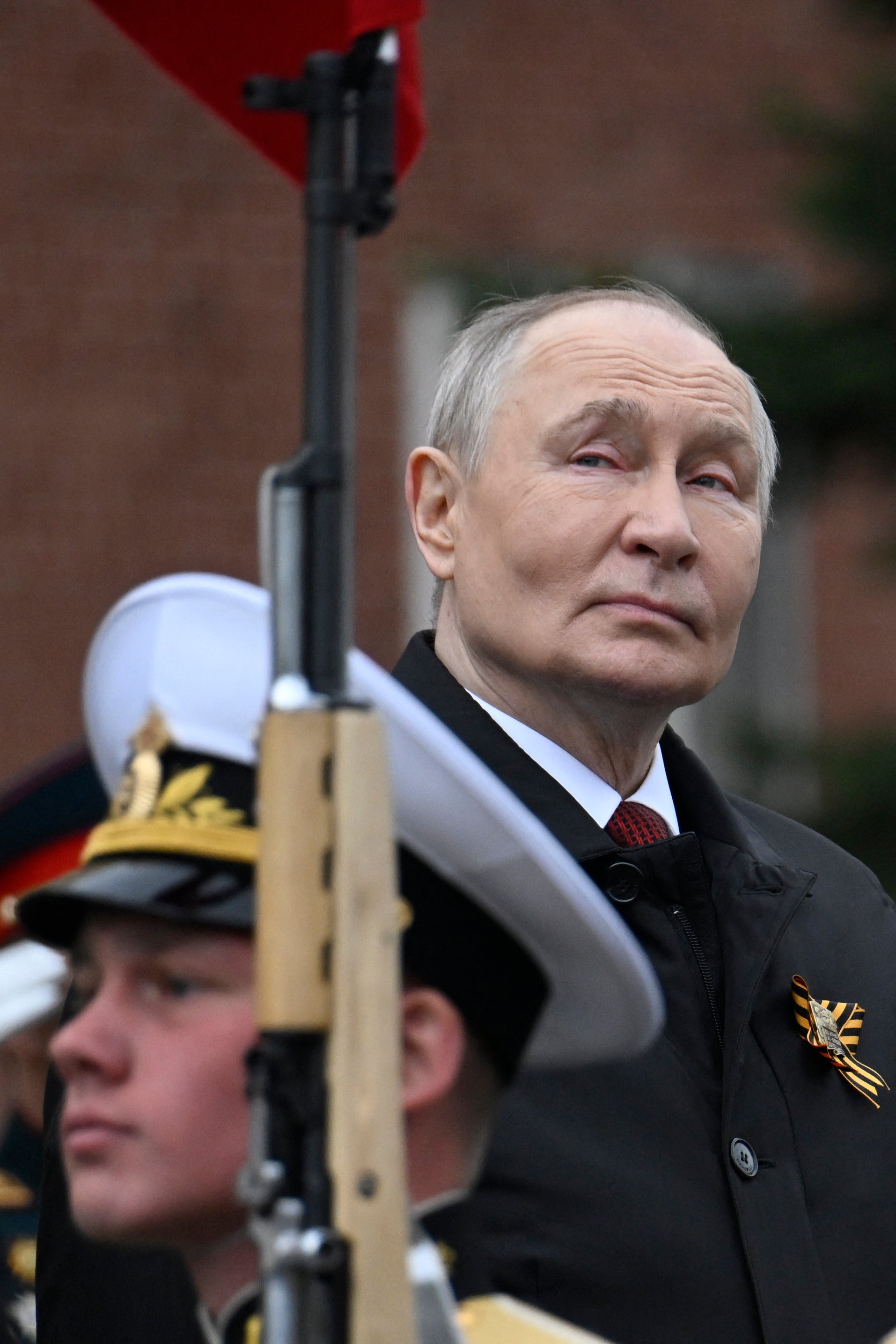
An estimate by exiled Russian media outlets Meduza and Mediazona recently suggested that close to 352,000 Russian soldiers had been killed as of the end of 2025.
In February, Ukraine’s president Volodymyr Zelensky said Ukraine has lost 55,000 soldiers on the battlefield.
Russia has not released figures on its battlefield deaths since January 2023, when it said more than 80 soldiers were killed in a Ukrainian strike, bringing the total military deaths Moscow has confirmed to just over 6,000.
Elsewhere in her address, Ms Keast-Butler warned that artificial intelligence was emerging as “an unstoppable force” that was being weaponised in ways that fall just short of traditional warfare.
“I’ve spent three decades working in national security. And the risk of miscalculation is as high as I’ve ever seen it,” she said in her speech at the historic World War II code-breaking centre near London.
“Tech companies are releasing AI-driven innovations at a remarkable pace, with untold consequences, as algorithms are weaponised often just below the threshold of traditional warfare,” she said.
She singled out Russia for “relentlessly targeting critical infrastructure, democratic processes, supply chains and public trust” in Britain and Europe.
Both Russia and China have been investing in this space, for both military and other purposes, she said, adding that they have been working to fend off cyberattacks as well as “reckless sabotage and assassination attempts”.
Moscow and Beijing have routinely denied accusations of cyberattacks or attacks targeting critical infrastructure. There was no immediate response from the Russian embassy in London.
“As we remain steadfast in our support for Ukraine, Putin is going backwards on the battlefield,” Ms Keast-Butler said.
European leaders from Poland, Sweden, Norway, and Lithuania have blamed Russia for a series of alleged aggressions in their countries since the war began. Poland blamed Russia for a swarm of drones and explosives placed on a rail line, jamming aviation navigation systems in Sweden and hacking a dam in Norway. Lithuania blamed it for plotting murders and sabotage across Europe and also arrested nine people in connection to the cases.
In her speech, Ms Keast-Butler also highlighted China, describing it as a science and technology superpower with highly sophisticated intelligence, cyber and military capabilities.
She noted that Beijing had carried out extensive cyber operations, including the “Salt Typhoon” campaign, which has targeted more than 80 countries.
“The ground beneath our feet is shifting, and shifting fast,” she said. “Cyber security is a critical priority for all businesses.”
“Our experts are producing unprecedented levels of advice and guidance, but we need businesses to take immediate action,” she added.
“Not just to protect livelihoods and customers, but for the front line defence of our nation and our economy,” she said.