


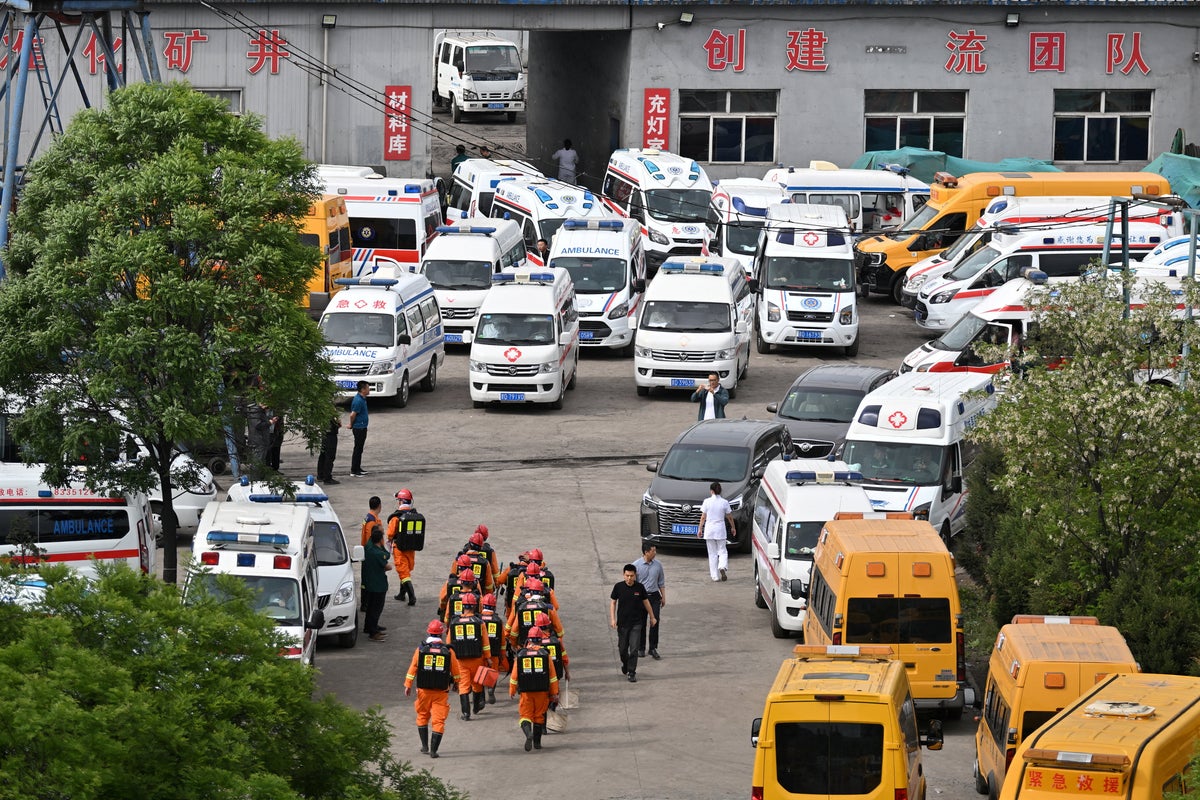
Public outrage over a deadly coal-mine explosion is intensifying in China, with social-media users pointing to safety lapses and rule violations at the Liushenyu site in Shanxi province.
At least 82 people were killed and over 120 were injured when a gas explosion tore through the privately owned mine in Changzhi city on Friday.
Authorities said preliminary findings showed the mine operator, Tongzhou Group, had committed “serious illegal violations” while state media revealed a series of alarming discrepancies that many described as evidence of systemic negligence.
Social-media users were especially angered by allegations that some workers had gone in without mandatory tracking devices, making rescue operations far more difficult after the blast.
State media reported that blueprints submitted by the mine to regulators did not match the actual underground conditions, further complicating emergency operations.
It was also alleged that the number of workers underground at the time of the explosion was nearly double the figure listed by the company.
“Why are there more than 100 unregistered workers appearing out of the blue? Was it to exceed production limits? To reduce costs? Or to conceal the number of workers during an accident?” one Weibo user asked.
Other users accused local regulators of failing to properly enforce safety rules despite warning signs.
 open image in gallery
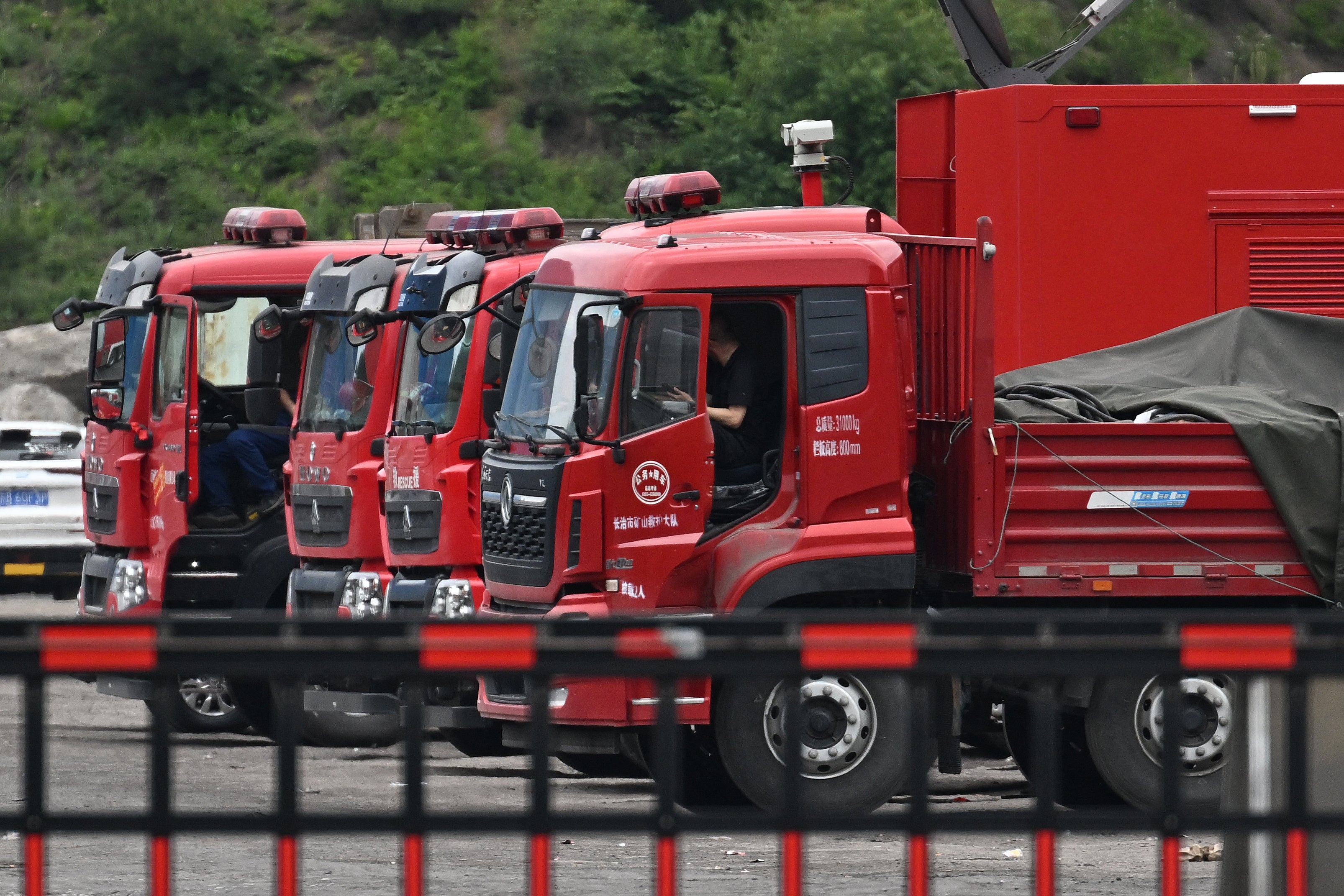
Tongzhou Group reportedly received administrative penalties earlier this year over safety issues while the Liushenyu facility was placed on a national list of coal mines with “severe hazards” in 2024.
“This incident not only exposes the superficiality of local daily supervision and the low cost of violations, leading to repeated violations by the company,” another Weibo user wrote.
Public anger over the accident is unusually visible online in a country where criticism surrounding major disasters is often censored. This time, much of the outrage is focused directly on the mining company and its management rather than government authorities.
The news agency Xinhua reported that levels of carbon monoxide – a highly toxic gas – had exceeded limits at the mine.
 open image in gallery
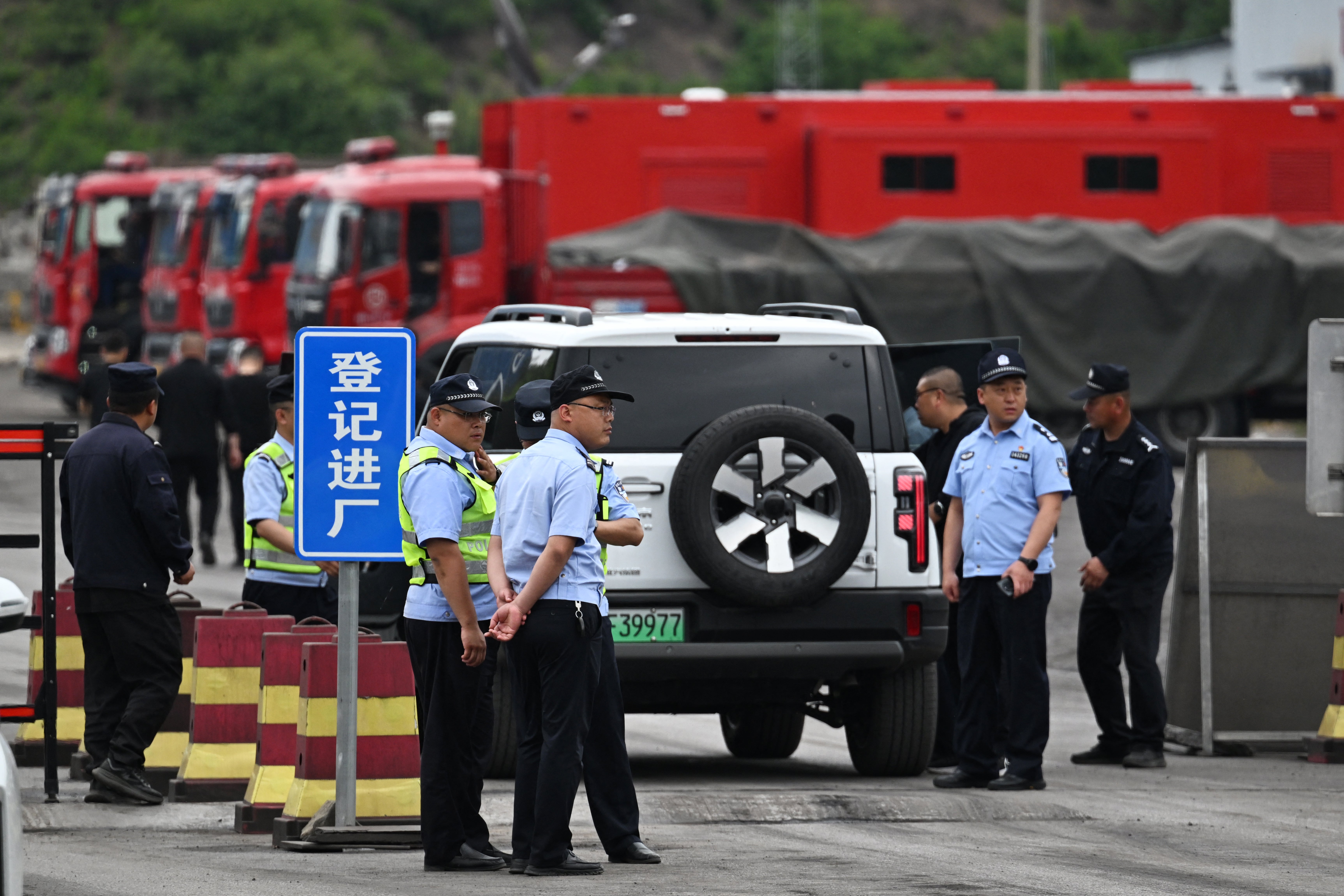
The disaster, meanwhile, rattled commodity markets. China’s coking coal futures surged 8 per cent after local authorities launched sweeping safety inspections that traders feared could disrupt coal production and tighten supplies.
Officials in Shanxi ordered a sweeping inspection of the coal mining industry, including reviews of gas control systems, ventilation, underground layouts, and mine safety monitoring equipment.
On Sunday, the ruling Communist Party’s People’s Daily newspaper had urged authorities across the country to “always keep safety in mind” and learn lessons from the disaster.
 open image in gallery
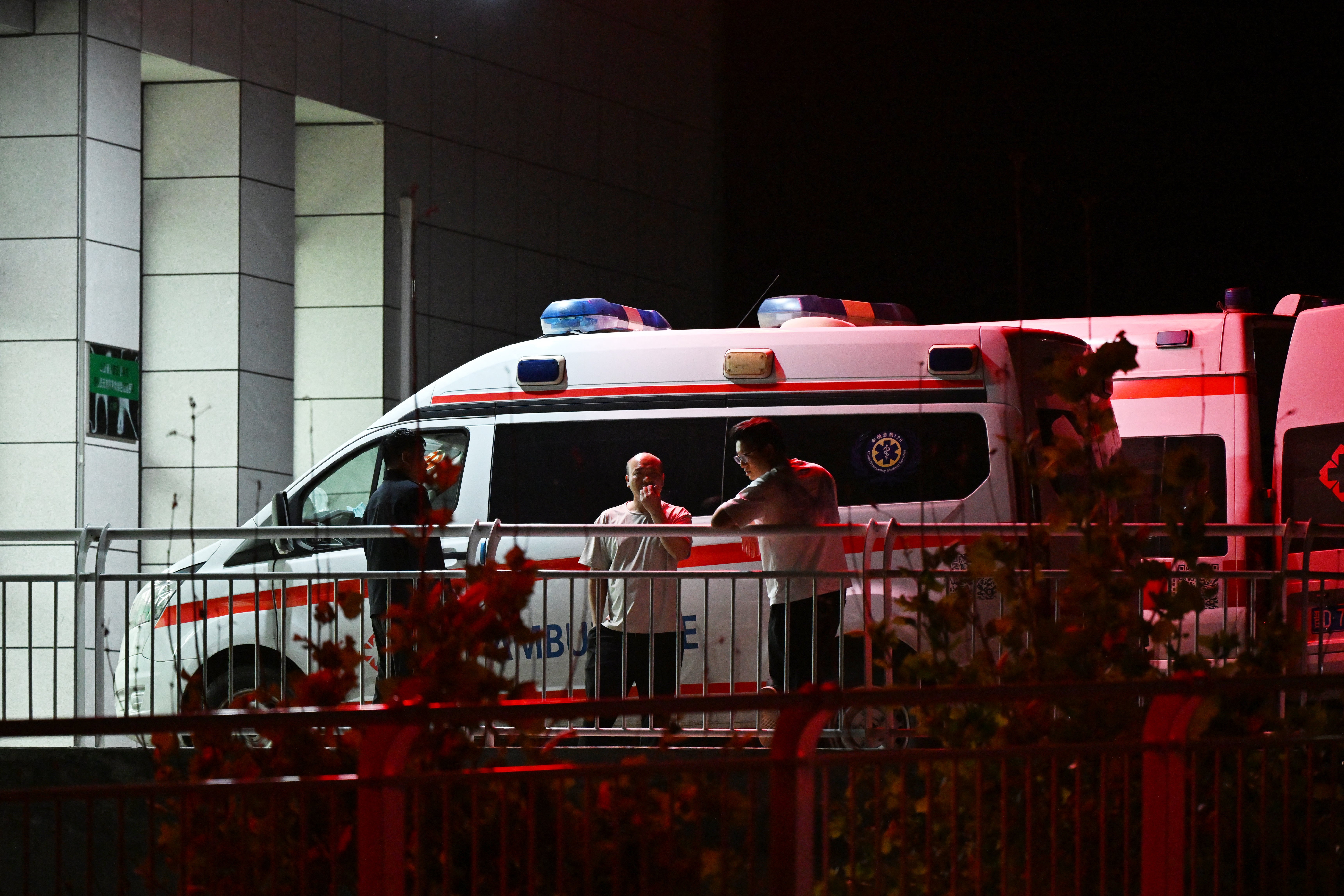
Wang Linjun, a miner at Liushenyu, said he was home when the explosion occurred. “My heart is very heavy,” he told the news agency Associated Press.
“Thinking that those who eat together and work together suddenly are gone, no one would feel good.”
He said he was unsure whether he wanted to continue with the job.
Chinese president Xi Jinping ordered a “tough and uncompromising” investigation into the accident while officials vowed to “severely punish” anyone found responsible.
State media reported that executives of Tongzhou Group had been put under unspecified “control measures”, and operations at all four of the company’s mines in Shanxi had been suspended.
The mining accident was China’s deadliest since 2009, when a gas explosion at the Xinxing mine in Heilongjiang province killed 108 people.