



Walmart is holding firm on its conservative annual sales and profit targets, even as surging fuel costs push value-seeking shoppers toward its low-priced groceries and essential goods.
The retail giant has deliberately kept prices down on everyday necessities amidst tight household budgets, with U.S. gasoline prices exceeding $4 a gallon and inflation remaining stubbornly high.
The broader U.S. retail sector faces increasing pressure on consumer spending, with plummeting sentiment and the largest surge in inflation in three years. Geopolitical factors, including the war in Iran, have driven up raw material costs, further straining supply chains recovering from last year’s import tariffs.
 open image in gallery
Despite these headwinds, Walmart reiterated its forecast for annual net sales growth of 3.5% to 4.5% and adjusted earnings per share between 2.75 and 2.85.
Analysts had deemed this outlook conservative. The company’s shares dipped approximately 2% in premarket trading after it also projected second-quarter sales and profit below market estimates.
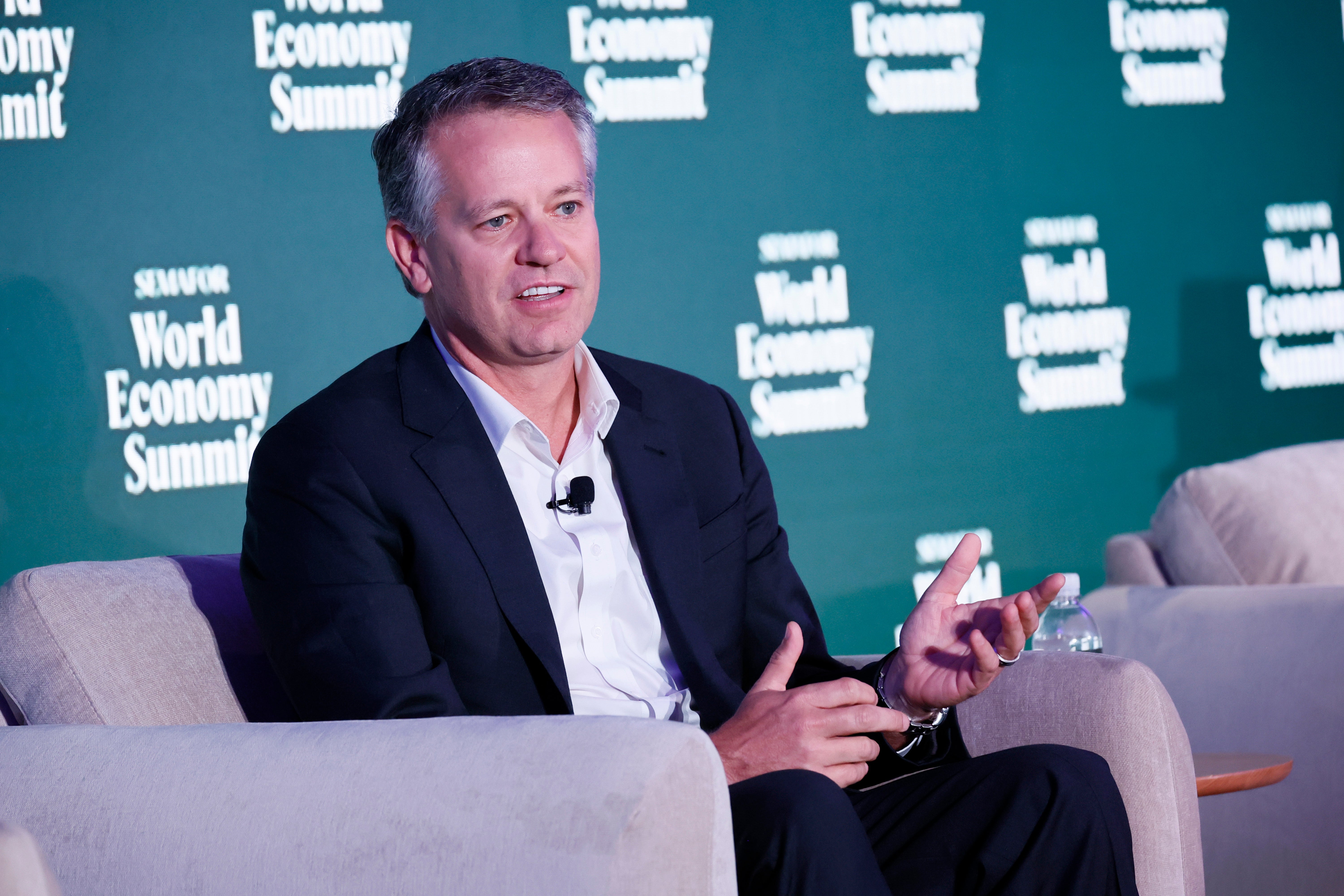
CEO John Furner expressed caution regarding the second-quarter outlook. Higher fuel costs alone shaved about 250 basis points off Walmart’s operating income, with the company absorbing these expenses in its delivery operations to maintain low consumer prices.
“While consumers are telling us they’re feeling some pressure, sales strength has persisted, and we saw one of our strongest quarters of share gains,” the company reported.
 open image in gallery
Walmart has successfully attracted a growing number of higher-income shoppers seeking convenience, many signing up for its delivery services.
This contributed to a 26% jump in e-commerce sales in the first quarter, significantly increasing e-commerce’s share of total sales. The company’s U.S. gross profit also increased by 29 basis points, bolstered by membership revenue and advertising.
“Our results reflect our continued focus on delivering across the enterprise — better shopping experiences, a broader assortment, and faster delivery,” Furner stated.
Walmart’s first-quarter total U.S. comparable sales, excluding fuel, rose 4.1%, surpassing estimates.
However, it anticipates second-quarter net sales to grow 4% to 5% and adjusted earnings per share of 72 to 74 cents, both below expectations. This cautious stance contrasts with rival Target, which raised its annual sales forecast despite executive caution, and grocers Kroger and Albertsons, who offered conservative annual outlooks.