


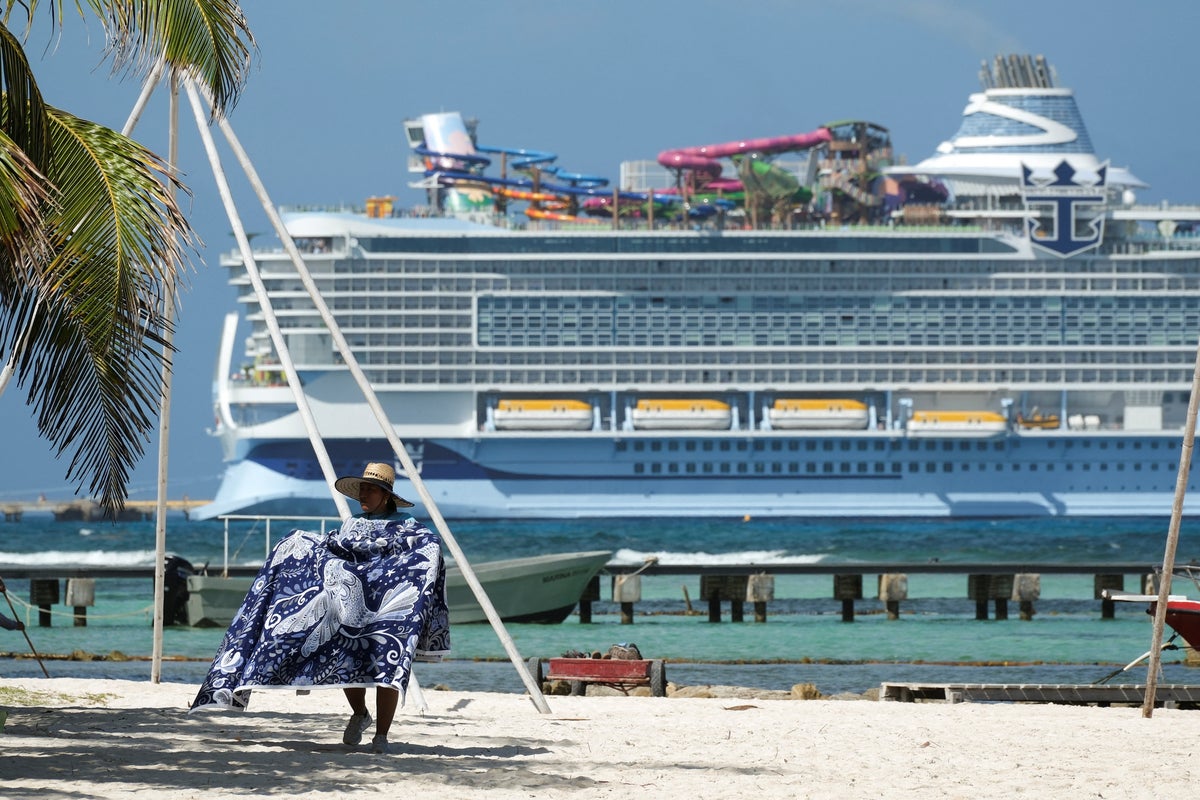
Mexican authorities have rejected a major water park project proposed by cruise giant Royal Caribbean on Mexico‘s Caribbean coast following significant backlash from local residents and environmental groups concerned about its ecological impact.
The decision, announced by Environment Minister Alicia Barcena on Tuesday, highlights growing resistance to large-scale development in Mexico’s sensitive coastal regions.
“It is not going to be approved,” Ms. Barcena stated during a press conference, adding that the company was already taking steps to withdraw its proposal.
Royal Caribbean expressed regret over the outcome but affirmed its respect for Mexico’s environmental authorities.
The company also indicated optimism about future investments in Mexico, planning discussions with stakeholders in the coming weeks regarding local job creation and environmental infrastructure.
 open image in gallery
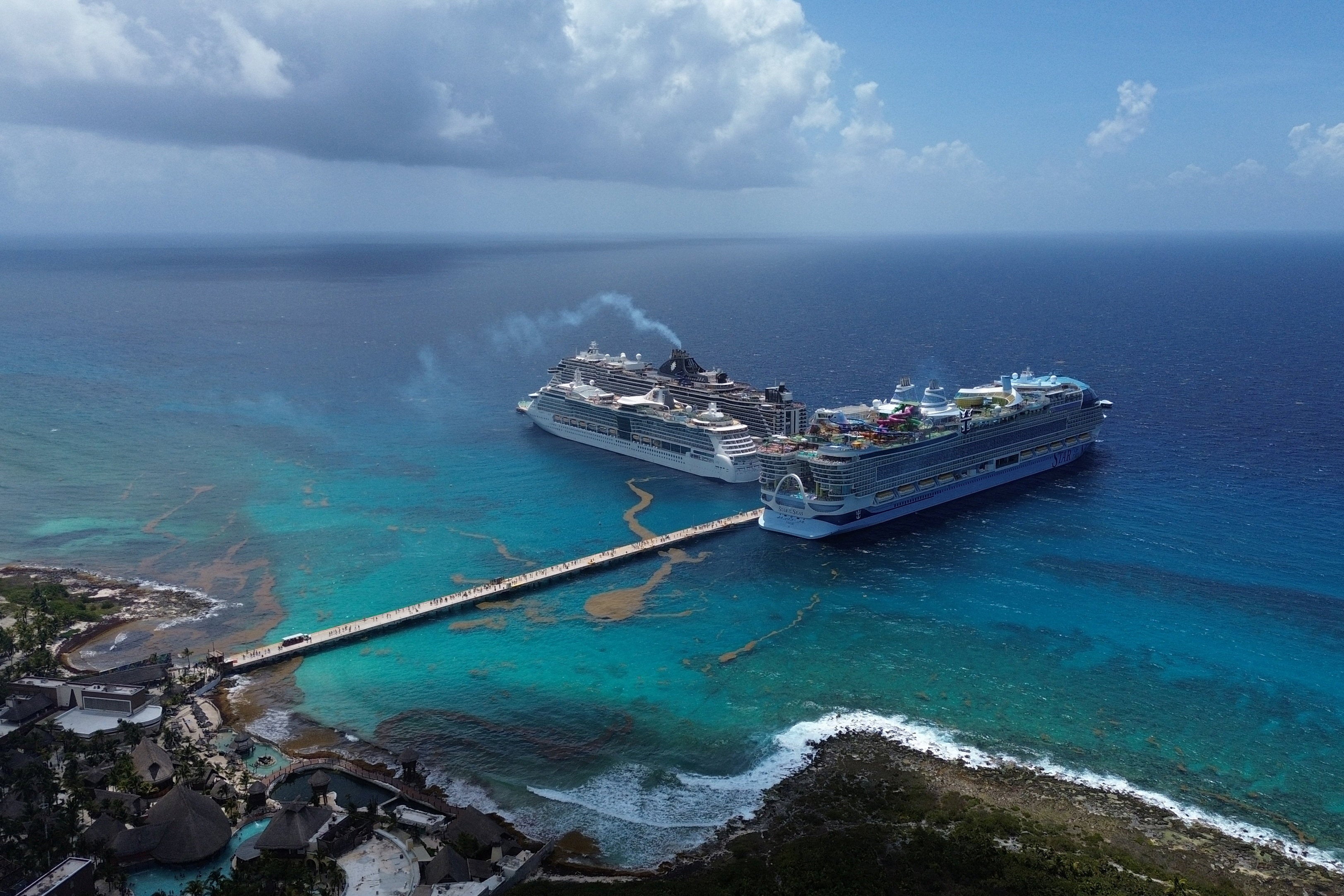
Dubbed “Perfect Day Mexico,” the project was slated to open in fall 2027 in Mahahual, a beach town situated near a vital coral reef.
Advertised as the “biggest, baddest, boldest destination,” it promised beach clubs, pools, bars, and over 30 waterslides.
Mexican President Claudia Sheinbaum had previously echoed environmental concerns, stating on Monday, “We must not do anything that affects that area, which has a very important ecological balance, and is particularly important for the reefs.”
Mahahual, home to fewer than 3,000 people, is renowned for its pristine waters and its proximity to the Mesoamerican Reef, the largest reef in the Western Hemisphere, attracting divers to its rich marine life.
The coastline is also crucial for nesting turtles and features dense mangrove forests and tropical jungle, habitats for jaguars. Environmental group Greenpeace had warned that the region was at a “crucial juncture,” fearing the project and expanded cruise tourism could lead to significant environmental damage.
Public opposition also mounted online, with a Change.org petition launched in July 2025 recently surpassing four million signatures.
Organizers claimed the planned 90-hectare (222-acre) water park would be built on protected mangroves, threatening local livelihoods, community access to beaches, and the survival of marine species. The area is also near the route of the Mayan Train, another government project that has drawn criticism from local groups and environmentalists.