


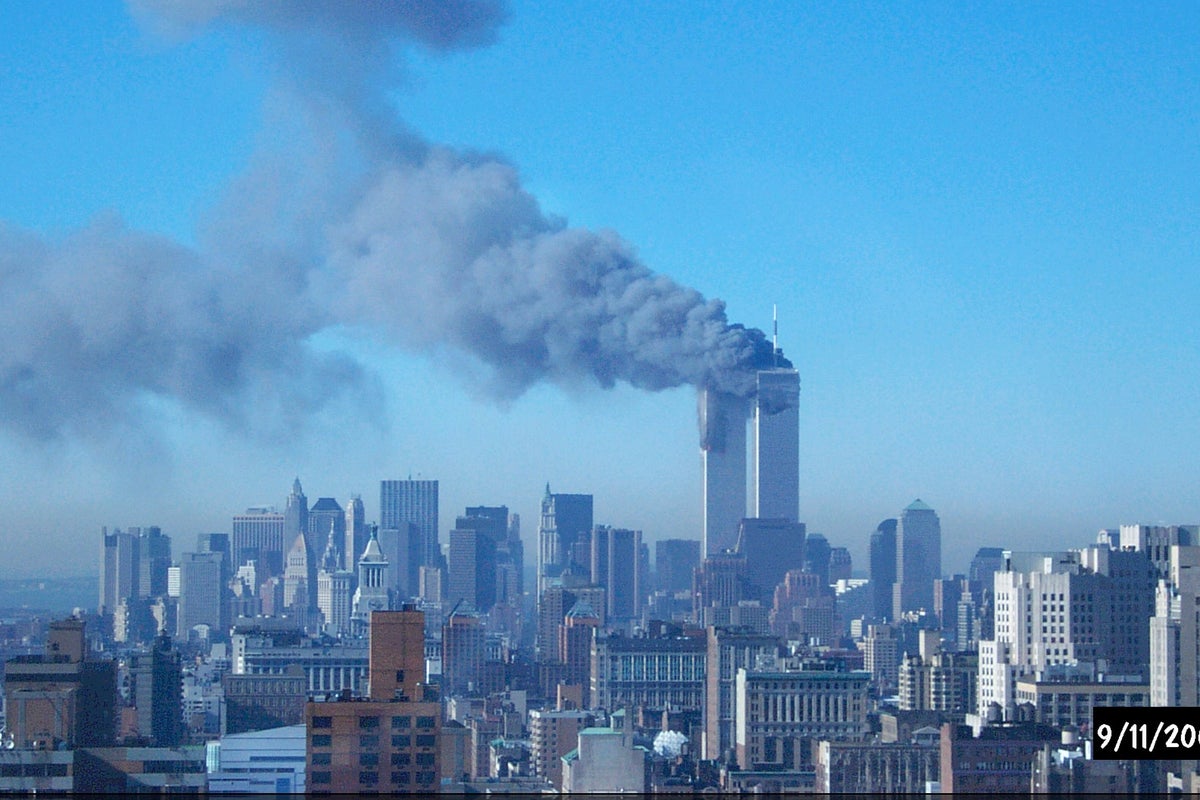
When the World Trade Center towers fell on September 11, 2001, Scott Larsen was just four years old. His father, a New York City firefighter who shared his name, lost his life in the disaster.
The elder Larsen, 35, was stationed temporarily in Lower Manhattan, away from his usual firehouse in Woodside, in the borough of Queens, on the morning two hijacked commercial airliners flown by al Qaeda militants struck the buildings. He was among the 343 New York City Fire Department personnel killed in the attack 25 years ago.
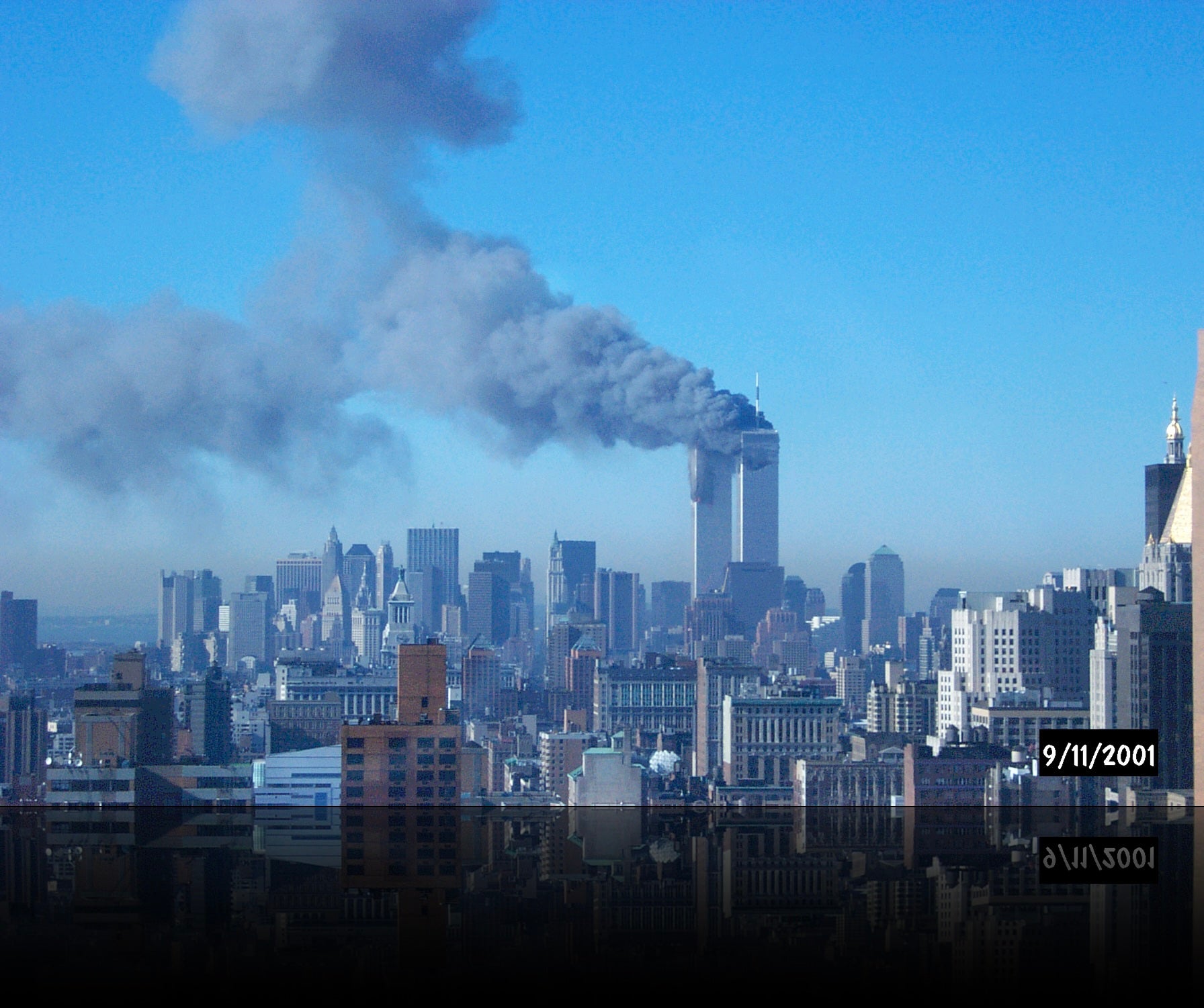
Nearly 3,000 people perished across the attacks, which included those strikes in New York, a third plane flown into the Pentagon, and a fourth crashing in a Pennsylvania field. The unprecedented tragedy shocked the world and left vast numbers of families mourning lost spouses, parents, and children.
 open image in gallery
Occurring early in the first term of President George W. Bush, the atrocities fundamentally transformed American national security policy. The fallout precipitated multi-decade conflicts that resulted in more than 900,000 fatalities, primarily across Iraq and Afghanistan.
Beyond geopolitics, the catastrophe reoriented countless personal journeys. In the aftermath, several children of the fallen were moved to enter emergency services, while others pursued roles across medicine, the military, and public service. Millions of citizens, first responders, and survivors continue to grapple with the enduring legacy of that day.
These are the stories of three of them.
His dad’s name hangs on the wall. Now he serves in the firehouse he left behind
Driven to follow in his father’s footsteps, Larsen joined the New York City Fire Department and requested an assignment to the Woodside firehouse where his dad previously served.
 open image in gallery
“It was something in me. I just always wanted to go here,” Larsen, now 29, said during an interview at the firehouse.
He is not alone in his choice: 58 children of FDNY firefighters who died on 9/11 have taken the same path, according to data from the International Association of Firefighters.
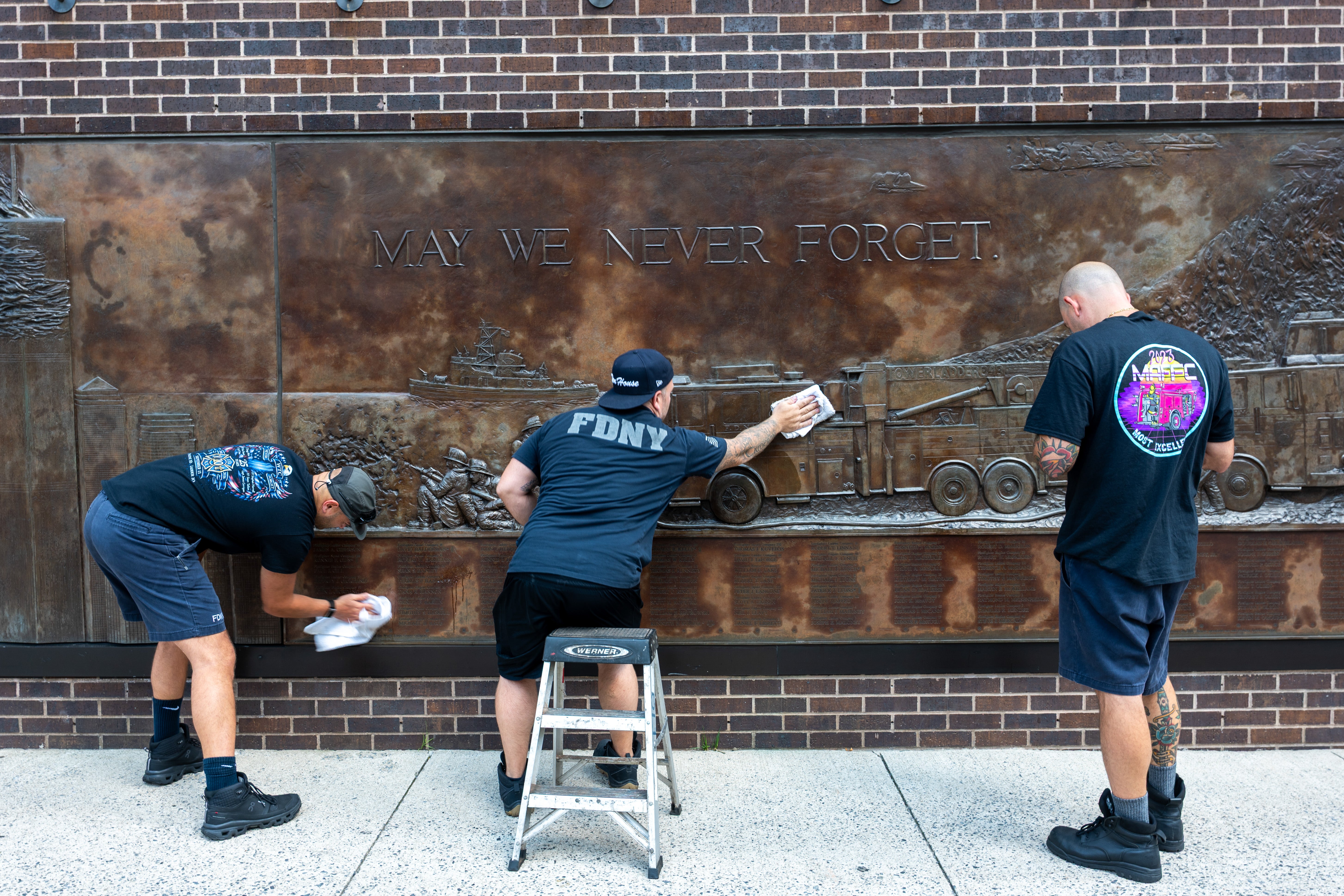
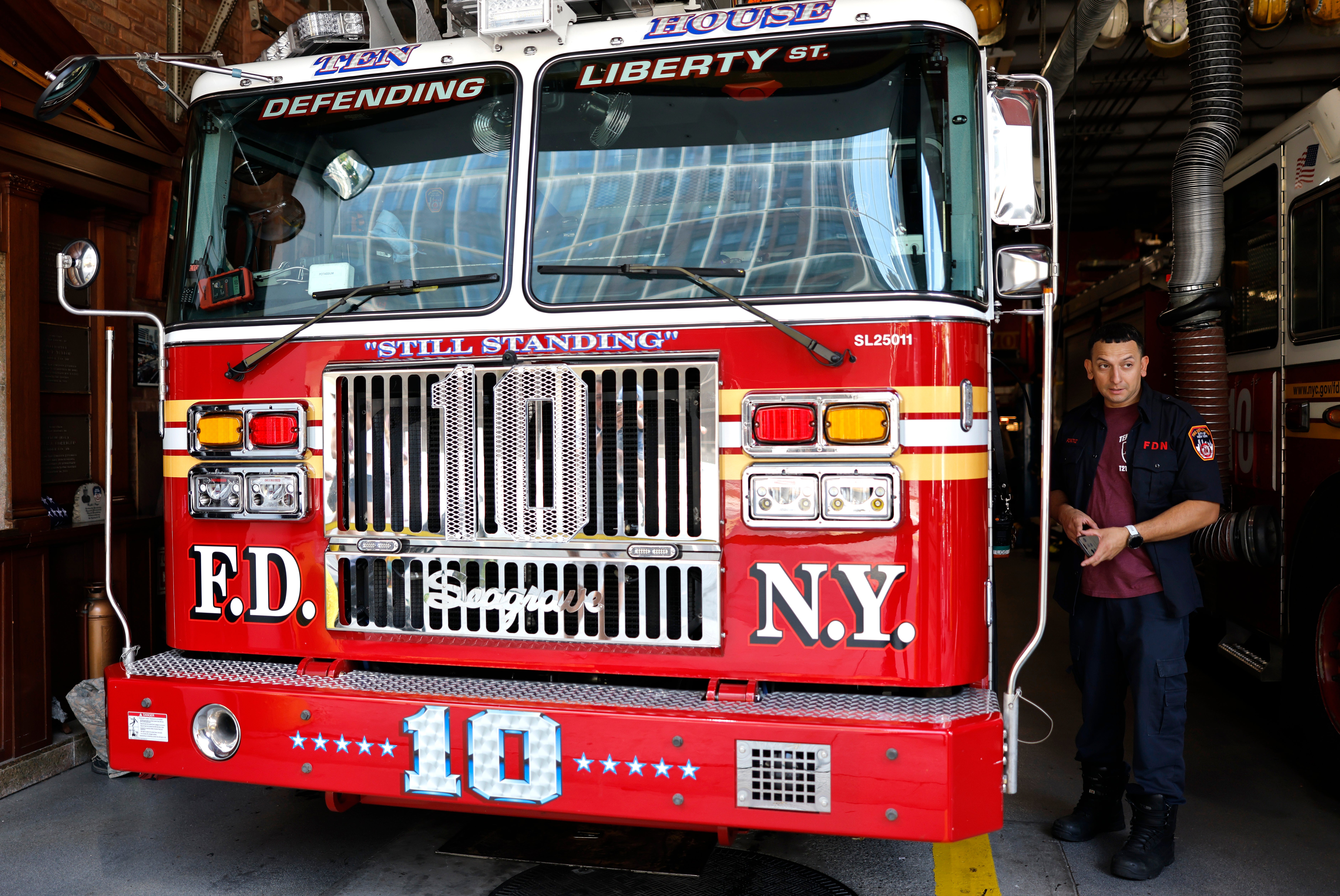
Reminders of his father fill the firehouse, with his name engraved on a memorial plaque and painted on a fire truck, while photographs hang in the kitchen and break room.
“His memory comes up every day, honestly,” he said. “There is never a day I come here and I don’t look at him.”
Larsen represents a third generation of firefighters in his family. His younger brother, born two days after 9/11, has passed the entrance exam and aims to join the FDNY next year.
“Hopefully, when I have a son or a daughter, either one, they’ll continue on the legacy,” Larsen said.
‘It was something in me’
 open image in gallery
Driven to follow in his father’s footsteps, Larsen joined the New York City Fire Department and requested an assignment to the Woodside firehouse where his dad previously served.
“It was something in me. I just always wanted to go here,” Larsen, now 29, said during an interview at the firehouse.
He is not alone in his choice: 58 children of FDNY firefighters who died on 9/11 have taken the same path, according to data from the International Association of Firefighters.
Reminders of his father fill the firehouse, with his name engraved on a memorial plaque and painted on a fire truck, while photographs hang in the kitchen and break room.
“His memory comes up every day, honestly,” he said. “There is never a day I come here and I don’t look at him.”
Larsen represents a third generation of firefighters in his family. His younger brother, born two days after 9/11, has passed the entrance exam and aims to join the FDNY next year.
“Hopefully, when I have a son or a daughter, either one, they’ll continue on the legacy,” Larsen said.
’I didn’t listen to my gut’
 open image in gallery
Like so many individuals profoundly impacted by the events of 9/11, Michael Tuohey lives with haunting, unanswerable questions.
Working as an airline customer service agent, Tuohey helped process two of the eventual hijackers as they checked into their flights at Portland International Jetport in Maine—the initial leg of a journey that culminated in American Airlines Flight 11 crashing directly into the North Tower of the World Trade Center.
Mohammad Atta and Abdul Aziz al Omari arrived barely a half hour before their scheduled departure.
Tuohey examined the men’s paper tickets to see whether they had been recently bought or paid for using cash, both of which would have raised immediate red flags even under pre-9/11 standards. Instead, they had purchased the first-class seats weeks in advance and paid with credit cards.
“I was getting a vibe from the older, shorter guy that he didn’t like being there,” Tuohey said, referring to Atta. “And I’m thinking: it’s 5::green-background[30] in the morning. Nobody wants to get up at 5::green-background[30] in the morning.”
Following the tragedy, U.S. intelligence failures that missed the al Qaeda conspiracy were widely analyzed and dissected. The Department of Homeland Security was subsequently established, airport safety procedures were completely revamped, and the nation introduced a comprehensive network of new security laws.
Yet as the very first glimmers of sunlight warmed the eastern skies over Portland that crisp fall morning, Tuohey had no possible way of anticipating the catastrophic horrors the day would bring.
“My gut instinct was good but there were laws, there were laws against profiling people,” said Tuohey, now 80 and retired. “I didn’t listen to my gut. And it turned out to be an awful thing. But it wasn’t that I was right. It’s just that it could have changed something. Not that it would have, but it could have. Who knows?”