


 Image source, Getty Images
ByArchie MitchellBusiness reporter
Households should stock up on food to prepare for extreme weather as the strongest El Niño event in a generation develops over the Pacific Ocean, a government minister has warned.
Environment Secretary Dame Angela Eagle told the Guardian the powerful natural climate phenomenon will lead to “more extreme storms in this country”.
Her comments came as the National Audit Office (NAO) warned Britain’s food supply chain is at risk given the growing threat of cyber-attacks and the climate crisis.
The NAO said the government was too reliant on the private sector to deal with food supply disruption. The government is due to unveil a strategy about preparing for national emergencies later this year.
Dame Angela said, external: “We’re about to experience probably the largest El Niño that has ever been seen, and that will lead to drier summers, wetter winters, with more extreme storms in this country.
“It will do a lot more damage in Asia with flooding, and therefore I think that we need to take it seriously.
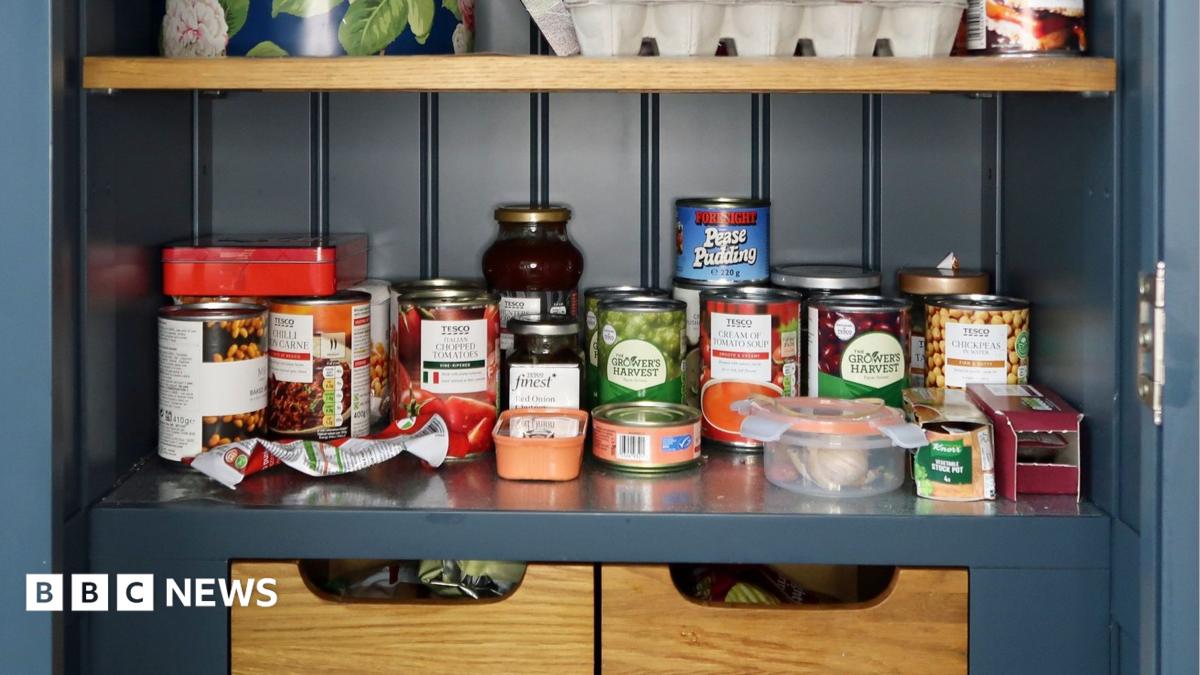
“If you’ve got a store of a bit of food that can keep you going for a while before the emergency services can get to you, you’re going to be a lot better off than if you haven’t.
“So some of it is that kind of preparation for just being a bit more resilient.”
Her comments came as an NAO report warned Britain’s food supply chain is vulnerable to plant or human disease outbreaks, cyber-attacks and extreme weather.
It also cited climate change as a longer-term chronic risk which could leave Britain’s food supply at risk.
The disruptions could push up prices and leave vulnerable people struggling to buy food, it said.
The NAO said the Department for Food, the Environment and Rural Affairs (Defra) was too reliant on private companies to handle disruptions to food supply.
It added the department had not done enough in recent years to improve supply chain resilience.
UK households are less prepared for emergencies than those in several other countries such as Finland, Sweden and European Union nations, the NAO added.
It said ministers should encourage households to prepare for supply chain disruptions and learn from the approaches taken by other countries.
Defra said the report showed food supply risks were becoming more complex and the government was working with farmers and industry to strengthen the UK’s resilience.
“While our food businesses and supermarkets have continued to feed the nation through significant disruption, we will carefully consider the report’s findings and recommendations as part of our ongoing work to build a more resilient, productive and sustainable food system,” a spokesperson said.
In July, the government announced plans to set out the “small but important steps” households can take to prepare for food and water shortages in the event of extreme weather or cyber-attacks.
These will form a strategy to be unveiled by the end of 2026 aimed at bringing the UK closer into line with European countries in terms of emergency preparedness.
Phil Pluck, chief executive of the Cold Chain Federation, the body which represents firms transporting temperature-controlled foods, said Britain was “pretty close to crisis”.
He told the BBC’s Wake Up to Money programme that the country was being targeted by Russian cyber-hackers who “know that there are pinch points in the food supply system”.
He added that El Niño, as well as global shipping disruption and the threat of pandemics, mean you cannot “just rely on the private sector coming through every single time”.
Asked whether people should be stocking up in case of disruptions, Pluck added: “Yes, we should.
“There should be some sensible stocking in each household. And the government in the autumn will be telling all of us to do that.”