


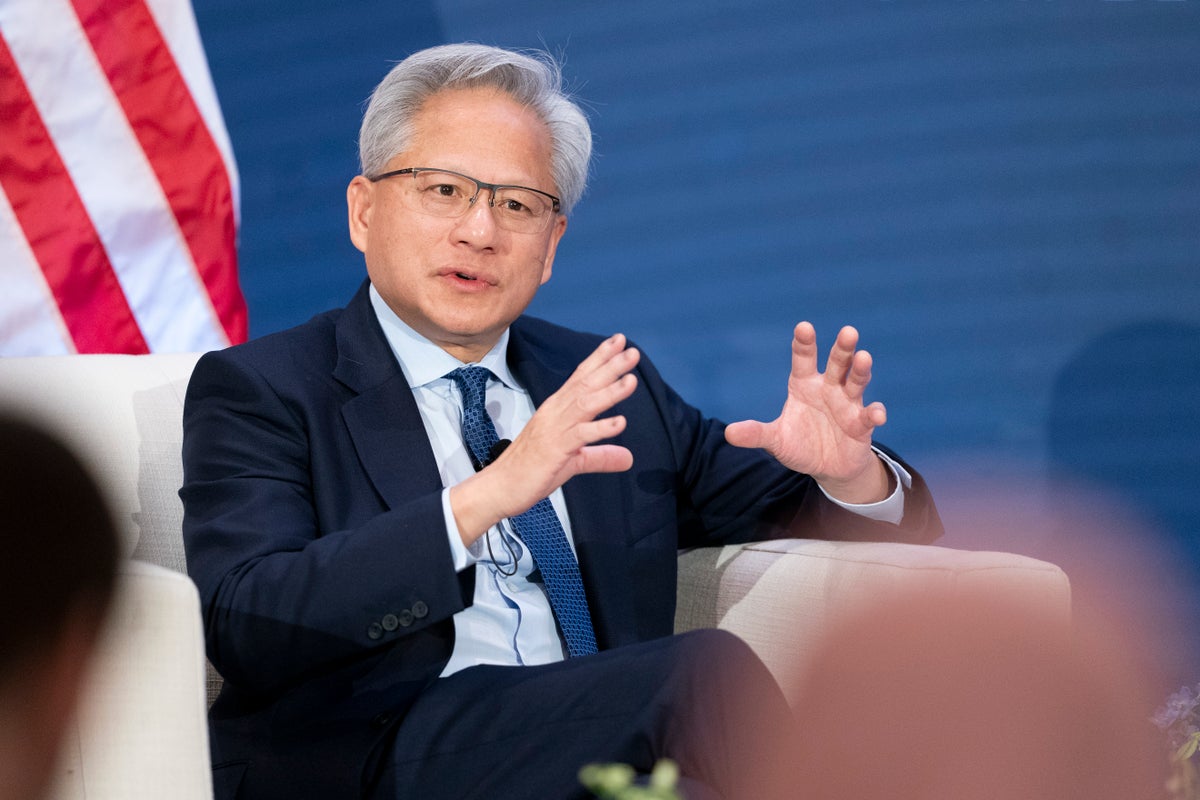
Semiconductor firm Nvidia has agreed to acquire the artificial intelligence software platform Hugging Face in a deal valued at $12.93 billion.
In a blog post on Thursday, Nvidia CEO Jensen Huang said that over 18 million developers, researchers and creators utilise the platform to share more than 3 million models, 500,000 datasets and 1 million applications. He added that more than 200,000 companies also rely on the service.
The announcement comes after ChatGPT creator OpenAI disclosed in July that its artificial intelligence system had breached Hugging Face’s data processing systems, leading the platform to suspect an AI agent went rogue and was operating autonomously.
Nvidia emphasised that Hugging Face will remain an open platform.
“Hugging Face will remain an open platform for the entire AI ecosystem. Developers will choose the models they want, the frameworks they want, the clouds and inference service providers they want and the computing platforms they want,” Huang wrote. “Nvidia compute will not be required to build on or deploy through Hugging Face.”
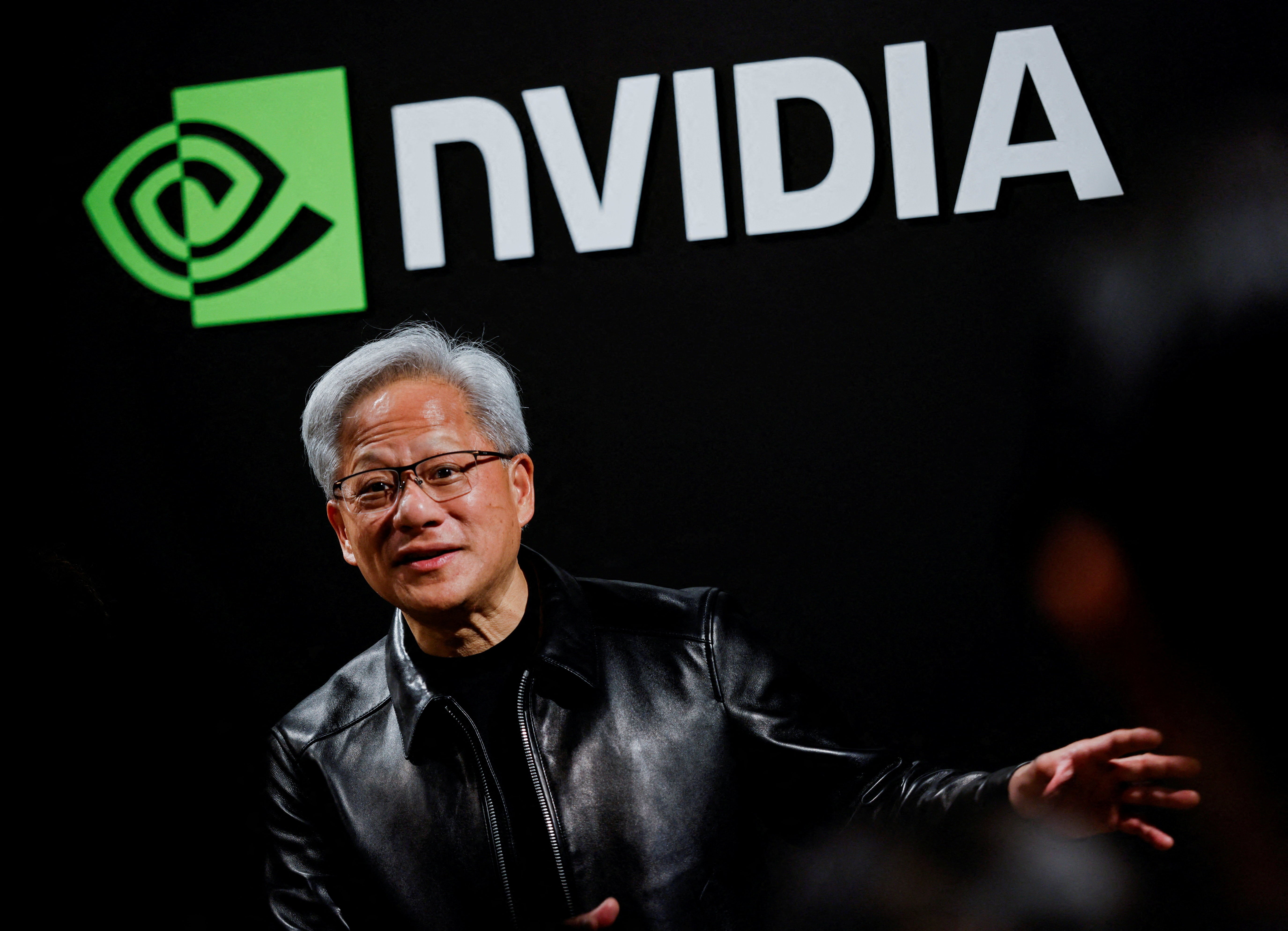
Hugging Face will maintain its support for open-source and open-weight models, in addition to multi-cloud and multi-accelerator development and deployment. Nvidia itself has published over 500 models and more than 250 open datasets on the platform.
Following the announcement, Nvidia’s shares experienced a slight rise ahead of the market opening.
Based in Santa Clara, California, Nvidia manufactures high-end chips that have become vital components for AI, with the company’s quarterly earnings regularly outperforming Wall Street forecasts.
However, despite AI propelling stock market performance and US economic expansion in recent years, scepticism is growing over whether the technology can justify the trillions of dollars currently being poured into its development.
The wider AI industry is also encountering heightened criticism over the construction of data centres and anxieties that rapid integration could result in extensive job losses across America.
A United Nations panel recently warned that AI’s developments are outpacing scientific understanding and government policy. The UN said recent events, including the Hugging Face hack, added to concerns about how closely leading AI companies are monitoring tests of their products. AI agents are programs that run with minimal human supervision.
On Tuesday, the U.S. urged G20 members to take a hands-off approach to AI regulation and avoid creating rules for the technology. The message from the U.S. largely matches the belief held by the world’s biggest AI companies, nearly all of which are American. They desire less global regulation for their rapidly growing businesses.
Federal government regulations could hurt profits if they slow the release of new AI models or force companies to change how their products perform to address security concerns.