


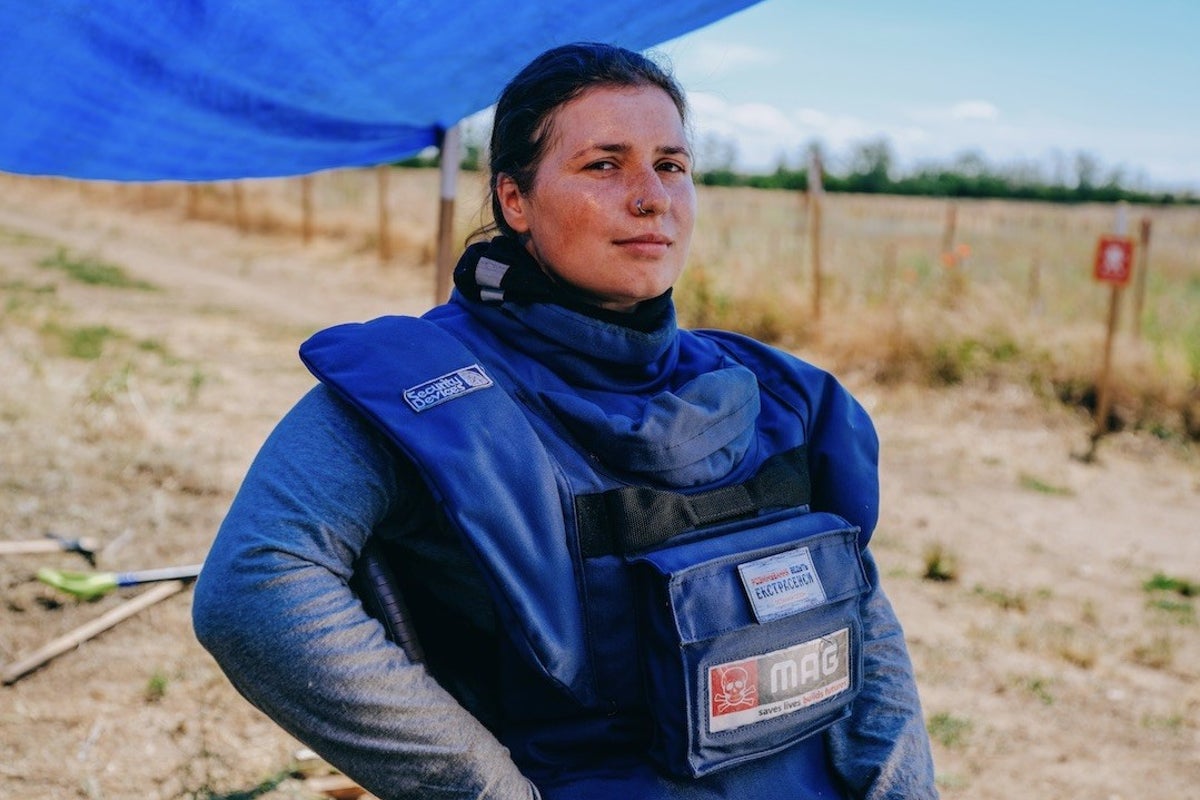
Every morning, Antonina Kulhava wakes up to the whirr of Russian drones.
After checking local alerts to ensure her family and friends are safe, she commutes to her job as a humanitarian deminer at one of Ukraine’s many fields littered with bombs. Her team face grave danger as they comb through craters of mud left by missiles, in fields once tilled by farmers.
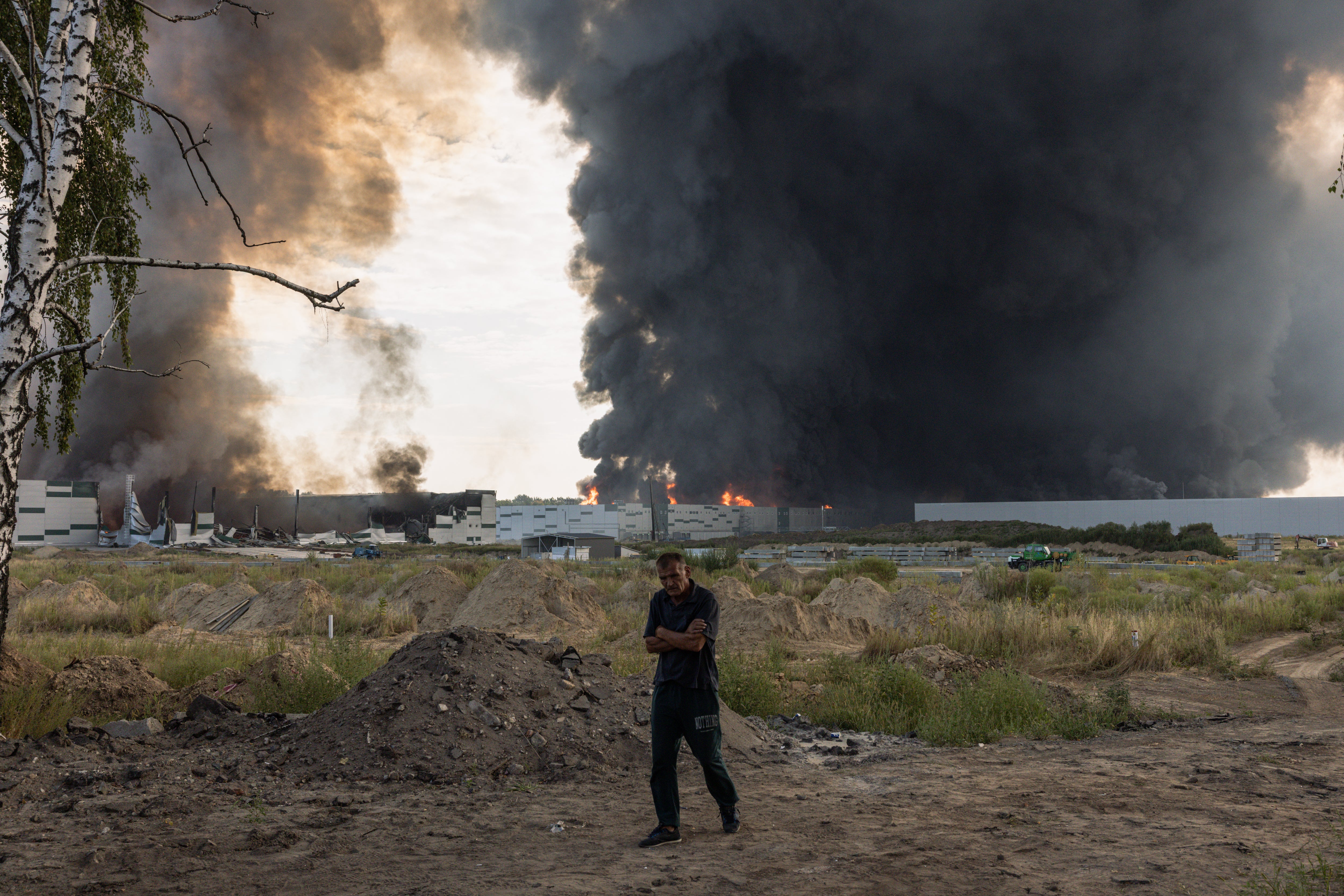
Ukraine is one of the world’s most heavily mined countries with between 20 to 25 per cent of its surface covered with potentially dangerous weapons. This amounts to more than 139,000 square kilometres of land, a size larger than England and Wales combined.
The existence of these mines is devastating for civilians, contributing to one of the world’s highest rates of civilian casualties. Children are among those at risk if the mines are not safely cleared.
“It’s an interesting and challenging job,” she tells The Independent.
“It’s nothing like I’ve done before. It helps people in Ukraine because the more we clean our lands, the more people will come back to their homes, to their lands, and also just to make Ukraine safer.”
 open image in gallery
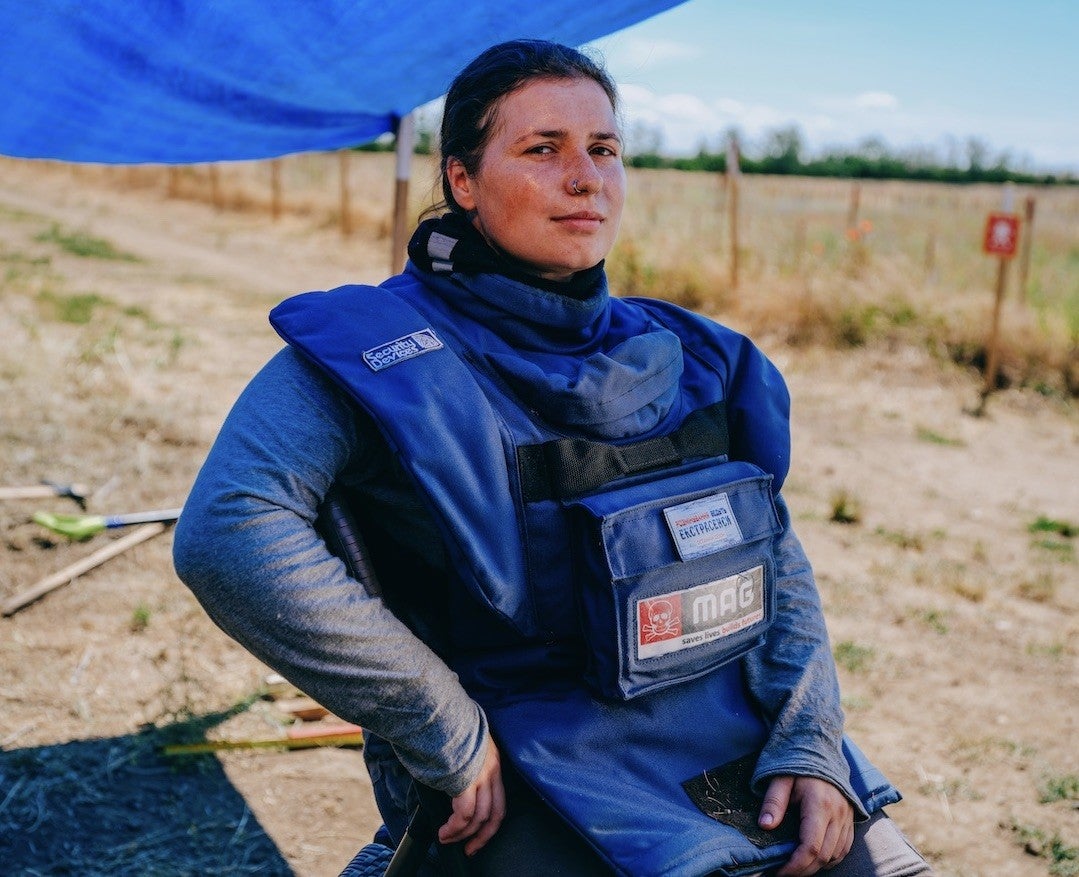
Ms Kulhava, 32, came to the role in an unconventional way, having worked in finance and then as a pastry chef. While waiting for a visa to leave for Czechia, she came across a job with the Mines Advisory Group (MAG), but initially thought the job was too dangerous. After googling more about the position, she decided to go for it.
At first she worked in secret, keeping the job hidden from her parents who she knew would disapprove.
“I didn’t tell my family because I didn’t want them to worry about me,” she says.
But when they eventually found out, they were shocked.
”I think that some somewhere deep in their in their souls they would like me to not to work in this area, to not to be involved, but what we can do?”
She adds: “It is dangerous, of course. Everything depends on the threat because on different sites we have different threat [levels] but it can be really dangerous.”
 open image in gallery
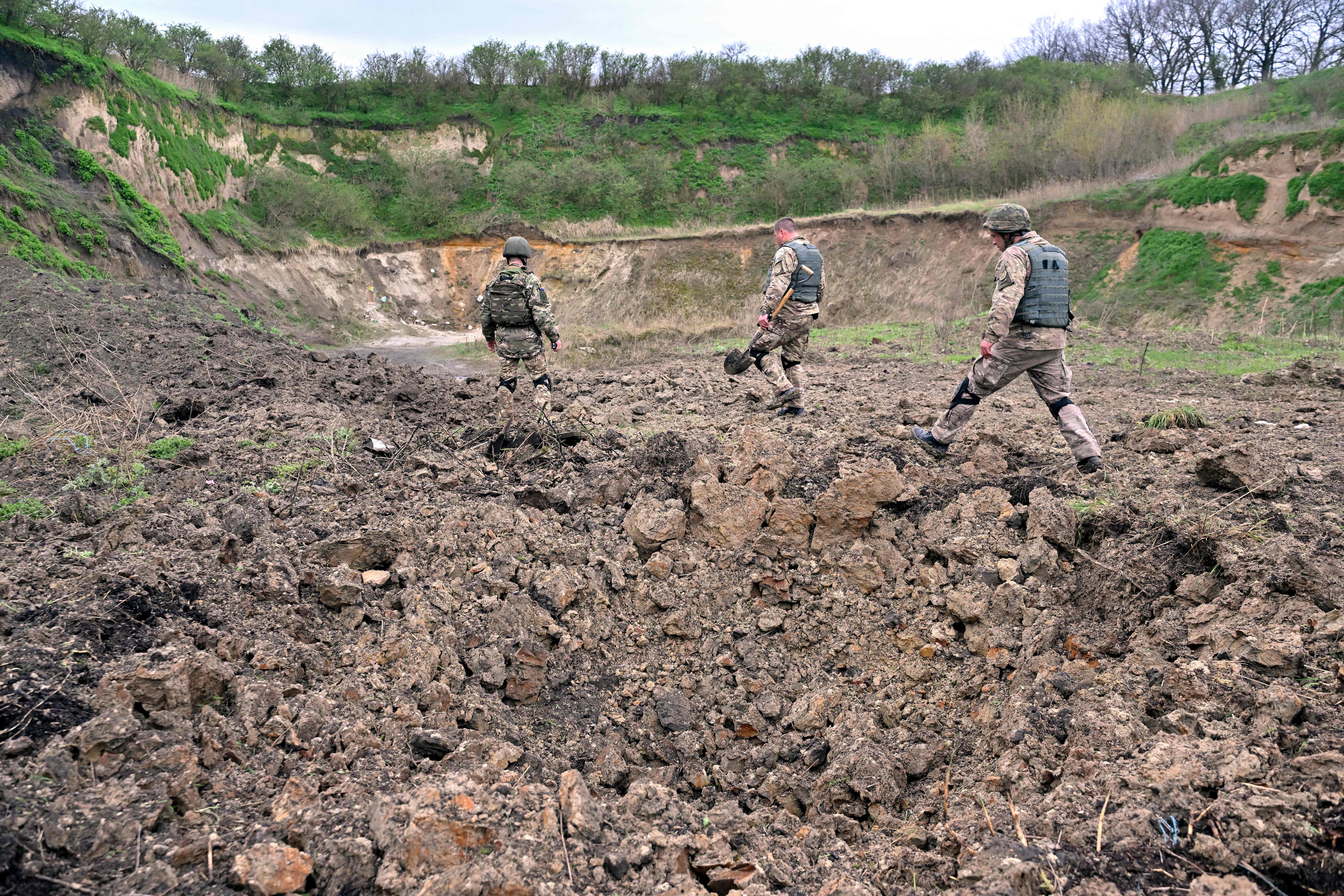
The first step of the process includes a technical survey to assess the ground. As a team leader, she guides her group through the process, ensuring everyone is wearing appropriate personal protective equipment.
There are three types of clearance: mechanical, manual and canine. Manual clearance involves deminers combing through fields looking for explosive ordnance individually and marking them for detonation, mechanical clearance involves machinery and the last method uses dogs to sniff out explosives.
Seven types of explosive ordnance are cleared including mines, grenades, rockets, missiles, aircraft bombs, cluster munitions, drones and mortars.
 open image in gallery
The vast majority of deminers are men, according to UN Women, with women making up around 30 to 35 per cent of the total humanitarian mine action workforce and only around 12 per cent directly working in operational fieldwork.
“It was difficult for me because my inner thoughts were like, ‘All this explosive ordnance, mines, bombs, it’s male stuff’,” says Ms Kulhava of working in a male-dominated industry.
“I thought they play computer games and are more used to this. While I was learning about it all for the first time, they already knew about this. I didn’t feel confident but with experience and practice I feel more confident.”
 open image in gallery
Ms Kulhava’s family were proud when she was invited to the UK by the Imperial War Museum to record an oral history interview about her experiences of the war, as part of an archive that will preserve her story for generations.
She says that the work has enabled her to feel she is making a difference. In the winter they are left without heating and electricity and power outages as Russia continues its attacks.
“I’ve started to appreciate my life more because there are things that you think: ‘I can do it later, I can do it later’. But you realise that you need to live your life now.”
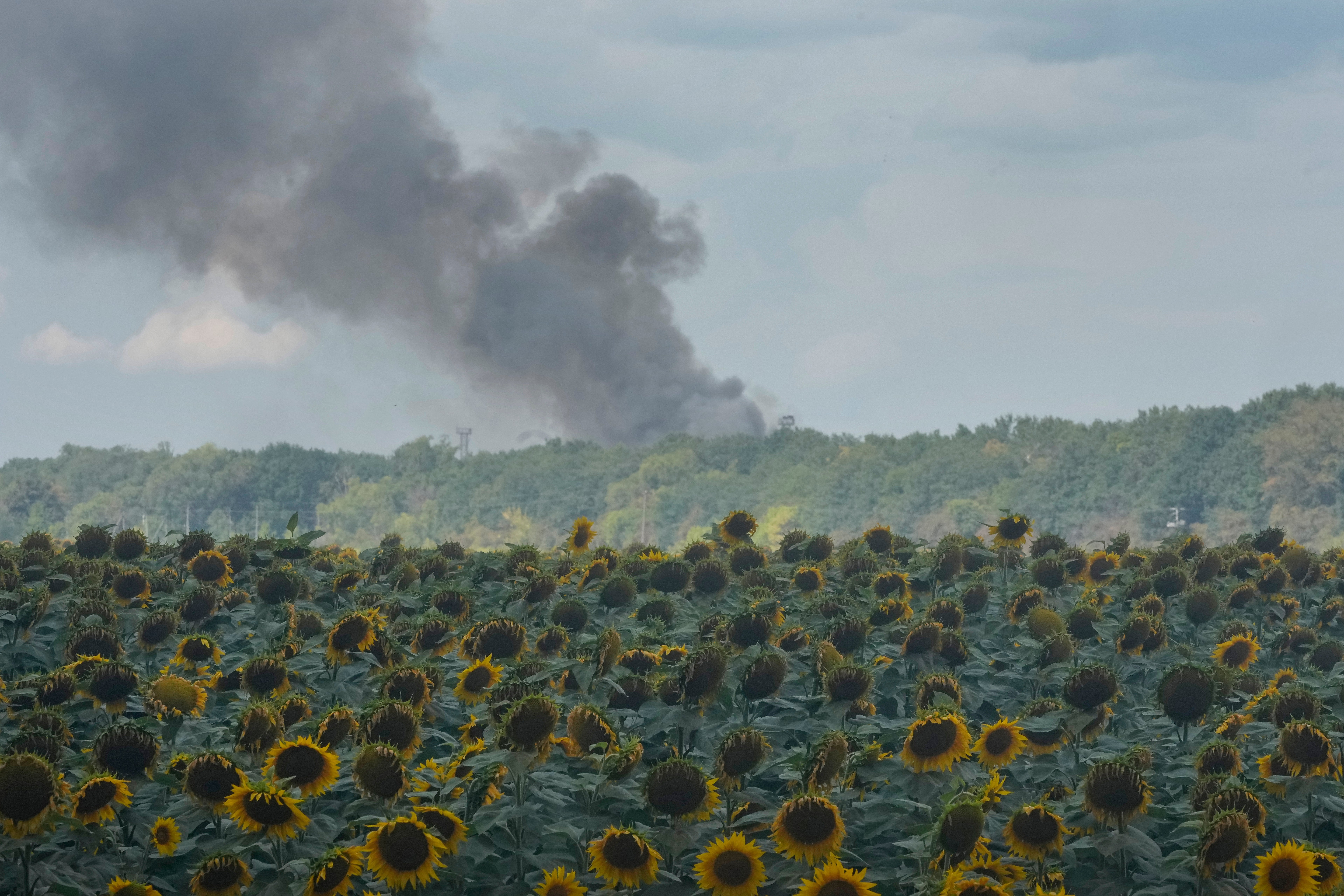
And she says her work is already making a difference: ”The fields where we previously worked are being cultivated by farmers, and there are a field of sunflowers where the mines were.”