


An early trial of a new vaccine has shown “encouraging” signs that it could protect against the common cold, scientists have said.
The jab, called APL-10456, was found to induce immunity against three main species of rhinovirus, the virus behind common winter coughs and sniffles.
The findings from Imperial College London (ICL) and biopharmaceutical firm Apollo Therapeutics have been hailed as a “significant milestone” in rhinovirus vaccine development, which has long been considered one of the most difficult viruses to vaccinate against because of the high number of strains circulating worldwide.
 open image in gallery
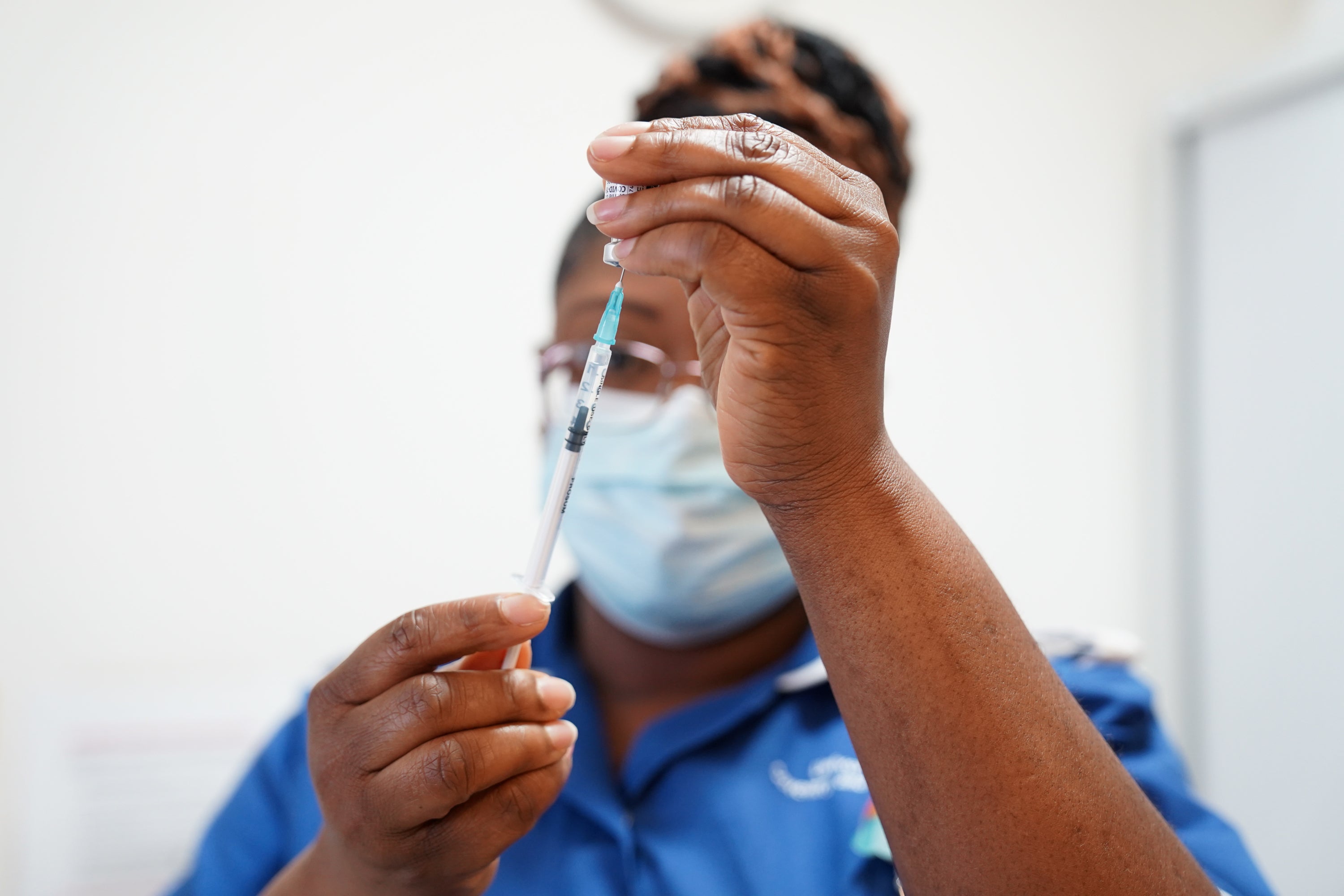
Scientists gave the vaccine to 144 healthy volunteers and found it was “well tolerated” and resulted in immune responses against all three of the major rhinovirus species.
Despite symptoms of the common cold usually being mild in healthy adults, rhinoviruses are a major cause of flare-ups or exacerbations in people with asthma and chronic obstructive pulmonary disease (COPD).
This can place a significant burden on patients and health services, but it is hoped a successful jab could help alleviate that pressure.
Professor Sebastian Johnston, professor of respiratory medicine and allergy at ICL, said: “We’ve now achieved a significant milestone in the rhinovirus vaccine programme with the first human participants receiving our novel vaccine candidate, with initial results showing it is well tolerated and effective.
“With so many different strains of rhinovirus currently circulating, developing a vaccine was long thought to be out of reach. It is very encouraging to see this progress into clinical results, which follow years of research and development. Reaching this stage is a testament to the strength of the Apollo-Imperial partnership, and we look forward to learning more from the future studies.”
 open image in gallery
There are around 180 strains of rhinovirus circulating worldwide across three species (A, B, and C).
The first phase of the trial examined three single-dose levels of the vaccine in adults aged 18 to 54 years. The trial will now move to a second phase, and the next results are expected at the end of the year.
While the early results are promising, scientists said further research is needed to understand whether the vaccine can prevent rhinovirus infections or reduce illness in people with asthma, COPD, and other respiratory conditions. A study in COPD patients is expected to start in the first half of 2027.