


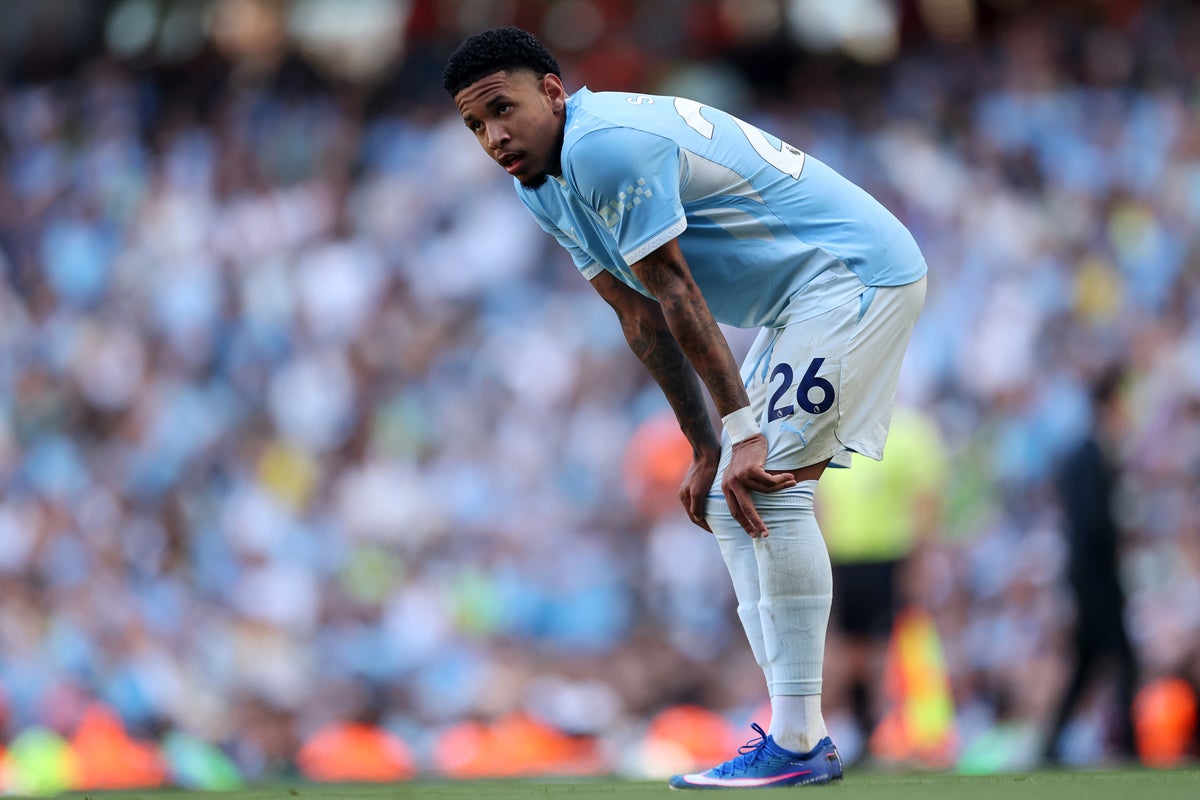
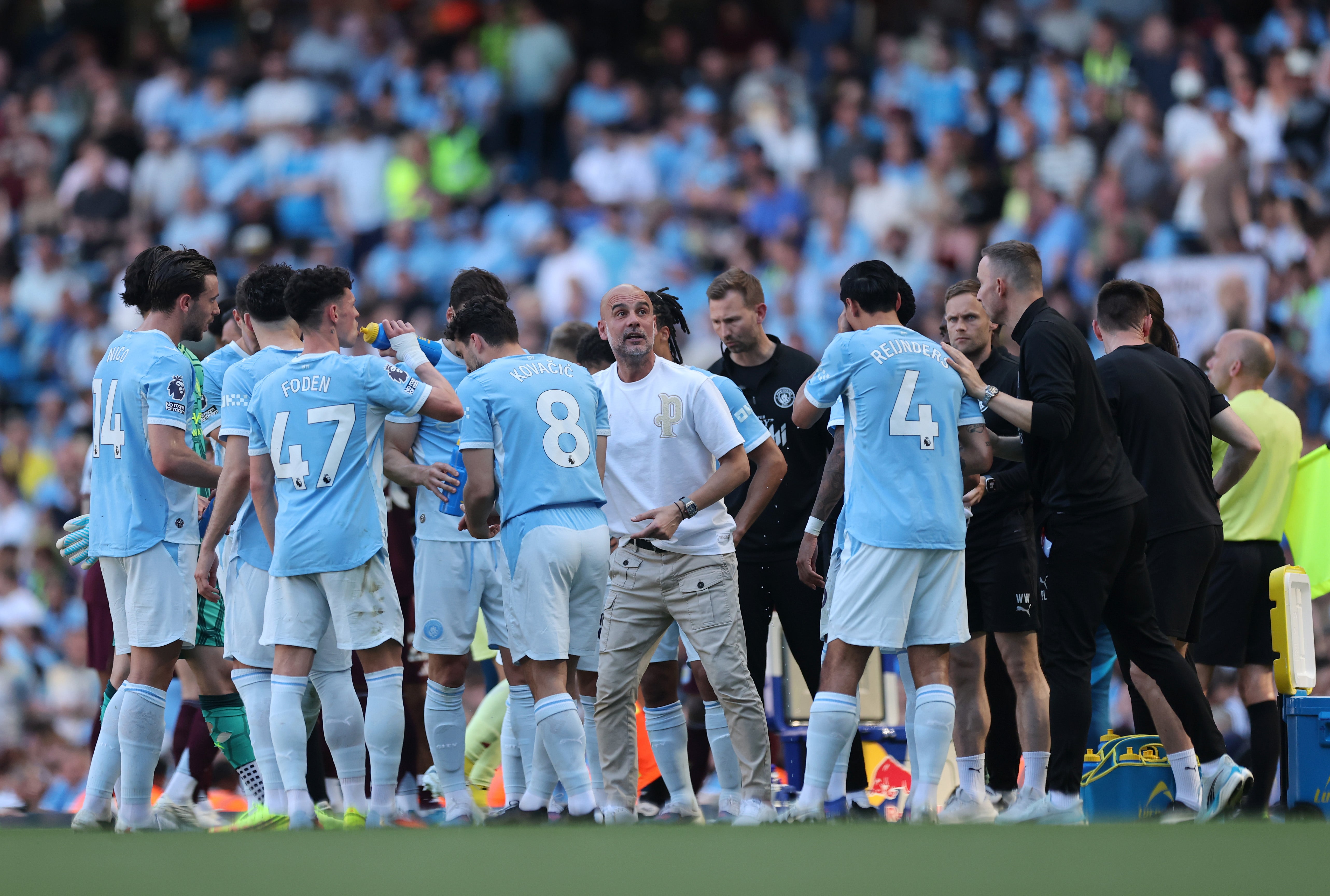
It has been a goodbye to the greats in Manchester City’s summer of change, adios to Pep Guardiola and Bernardo Silva and John Stones and Rodri, with tributes reflecting their importance in the club’s history. Nathan Ake, another Champions League winner, was afforded less of a fanfare, but then he always did tend to fly under the radar.
But there is a different kind of farewell: to the men who have come and gone at some speed, often with sizeable sums of money changing hands, but without the longevity of Guardiola, Silva and Stones, who all gave either nine or 10 years of service. Some may have been designed as the successors to the Treble team, but are leaving in the same summer as a couple of them, barely a year after others. Which, in turn, can show the difficulty of coming after legends; anyone else can look a downgrade.
 open image in gallery
Yet if one interpretation is to note how quickly City abandoned some of their plans for the future, another is that they are extricating themselves in such a way to fund further rebuilding, to buy the players who came after the players designed to take over from Rodri and Silva and co.
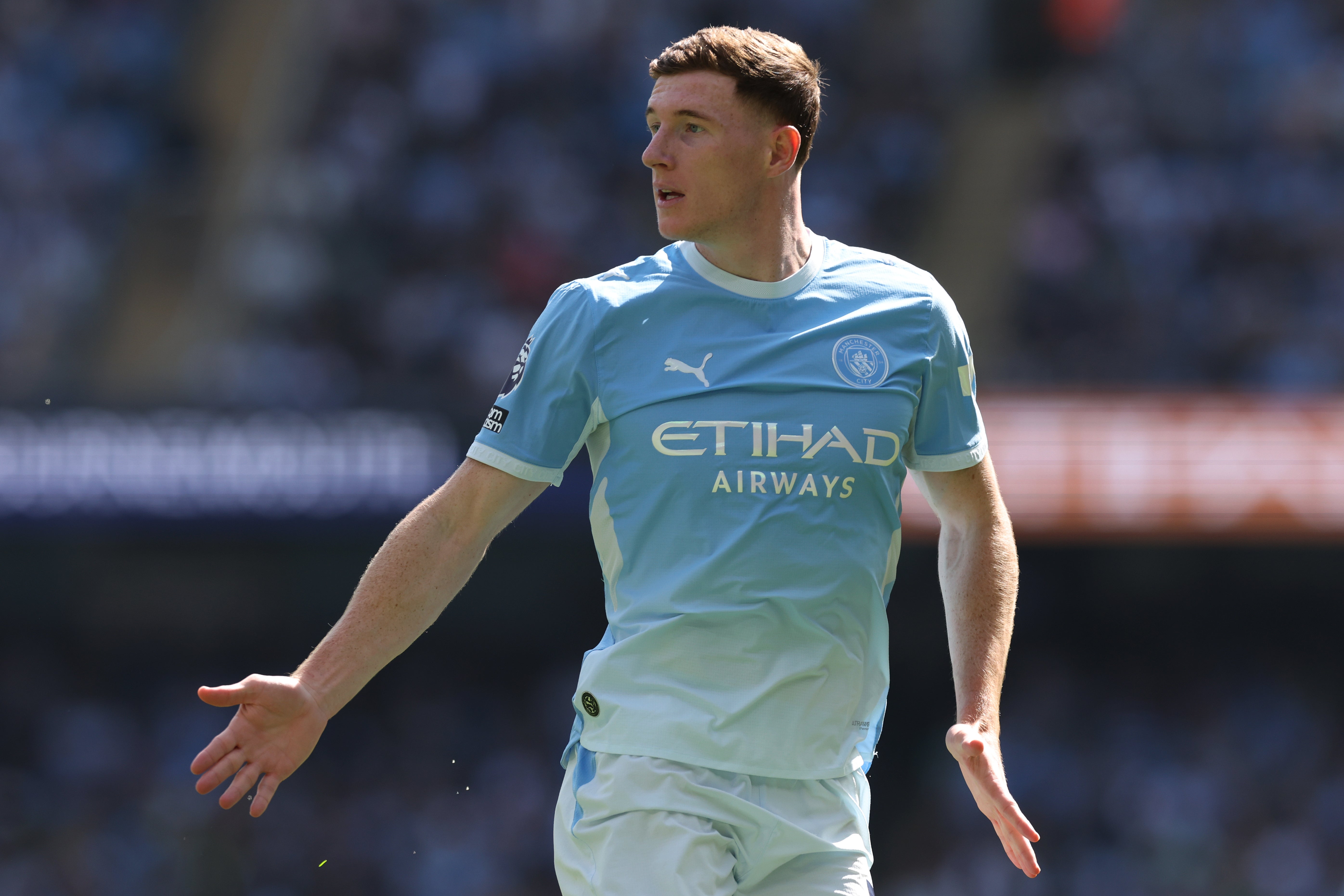
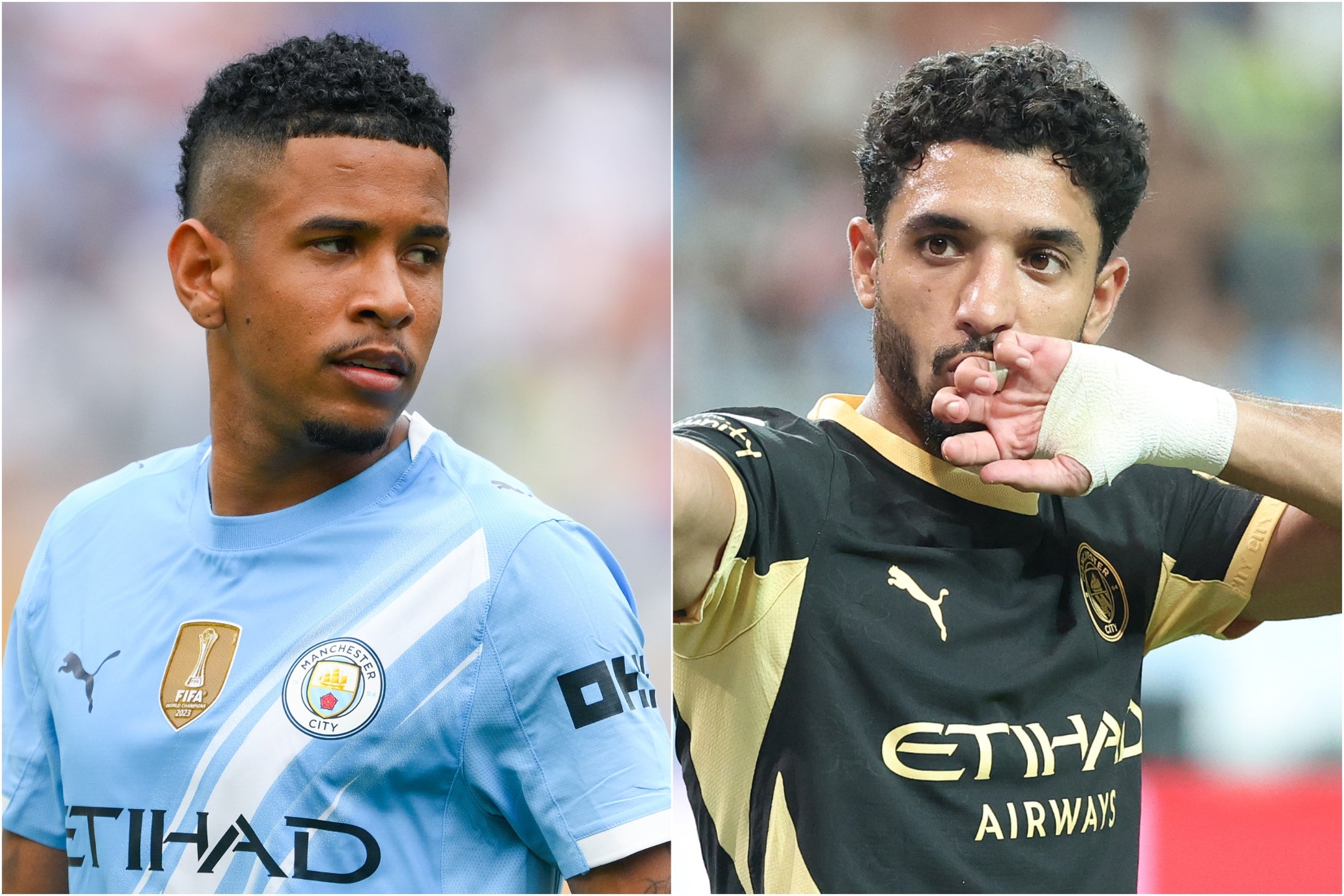
James Trafford, Tijjani Reijnders and Savio have already gone this summer. Nico Gonzalez and Omar Marmoush probably will follow. It will be profitable business for City, with £91m banked before the a club record £85m from Savio’s switch to Spurs, with perhaps a further £100m on top of that if the Egyptian joins him at Tottenham and the Spaniard heads to Newcastle. That more than pays for a new midfield – the £116m buy of Elliot Anderson and the proposed £85m arrival of Ayyoub Bouaddi – and goes quite some way towards funding a third arrival in the centre of the pitch.
 open image in gallery
The common denominator among the departures is that Trafford, Reijnders, Savio, Gonzalez and Marmoush all arrived in Guardiola’s last two years; they came in his final four transfer windows, rather than playing in the four-in-a-row team. None won the title with City; Savio’s 84 appearances were the most of that quintet, Marmoush’s 16 goals the highest.
Rather than becoming constants in the team, they became symbols of a time of transition: from Guardiola to Enzo Maresca, from a great team to a merely good one, from Txiki Begiristain to Hugo Viana, with two directors of football having varying roles in their respective arrivals.
They also marked a point where continuity gave way to change. City have a reputation as big spenders but were relatively restrained in the transfer market for a while; too long, as they suddenly needed to replace an ageing group. They spent £450m in four windows, more than half on players who have either gone or may play a negligible part in the new regime. They had to rush recruitment, particularly in January 2025; at times they got quantity more than quality, players who either lacked the characteristics or the brilliance of the men they were supposed to replace.
 open image in gallery
If it underlined the difficulty in unearthing footballers to suit Guardiola’s style of play, it is also hard to get those as good as their predecessors. Savinho, for instance, had some similarities to Riyad Mahrez, and took his No 26 shirt, but never had his goalscoring habit. Marmoush offered the ability to operate as a striker that City needed for Erling Haaland’s rare absences, but when opponents defend deep, his pace was negated. Had either really succeeded – and each was poor in the first half of last season – then perhaps City would never have signed Antoine Semenyo.
Reijnders is more of a box-to-box midfielder than a quintessential Guardiola technician and lost his place. Gonzalez was bought to be Rodri’s understudy. But while Maresca has talked of late of finding “a new Rodri”, City concluded it was not Gonzalez; again, he was overlooked for more technical players last season. Trafford, meanwhile, rejoined scarcely expecting City to buy Gianluigi Donnarumma. There was a failure of communication.
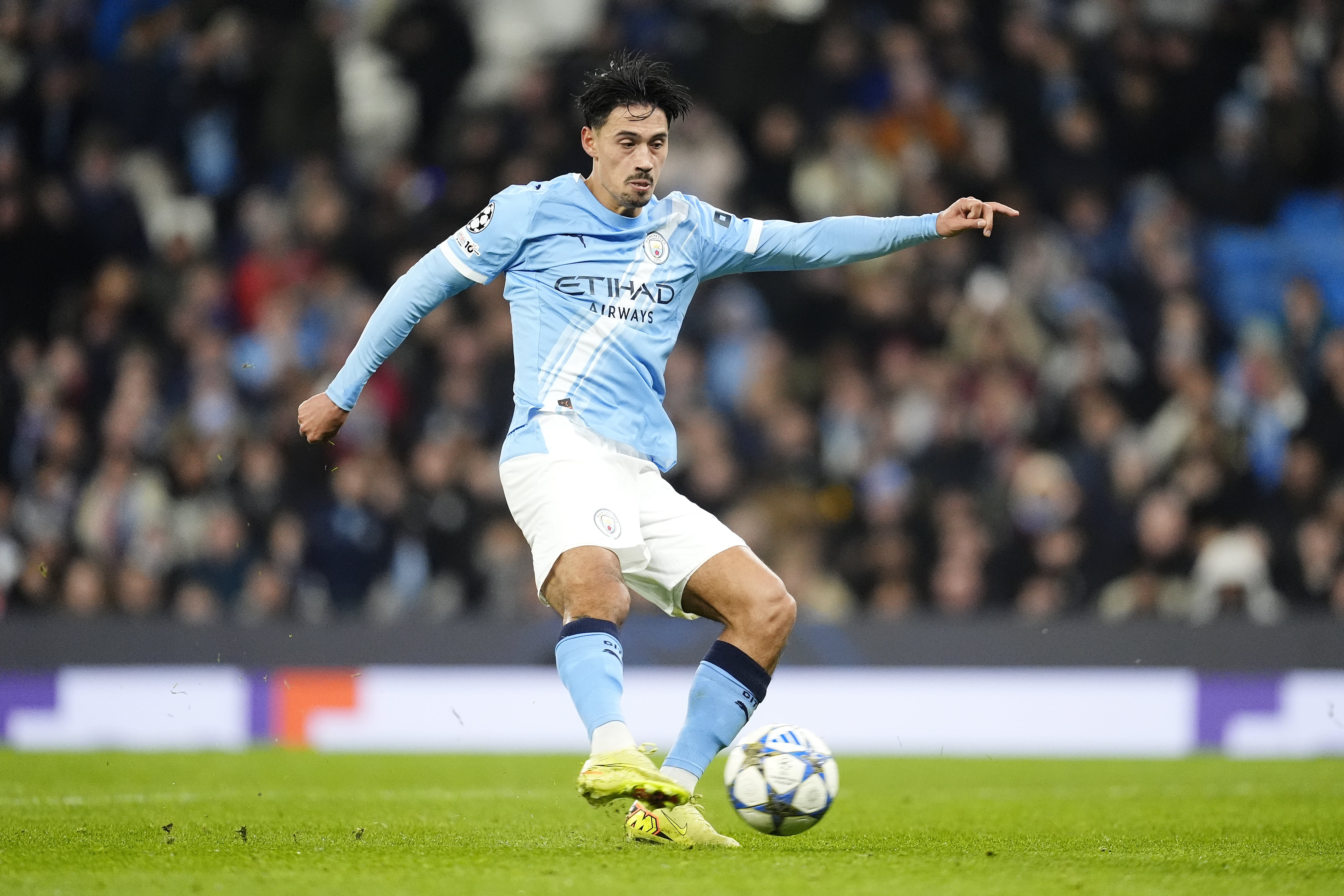 open image in gallery
Reijnders was required in part because the 2024 deal to bring back Ilkay Gundogan, another of the luminaries, backfired. The German went again after a year. Four relatively recent arrivals remain on the books, but Sverre Nypan has been loaned out again. Vitor Reis has returned from his own City Football Group loan to be fifth-choice centre-back. Marcus Bettinelli is third-choice goalkeeper. Rayan Ait-Nouri, who never felt a Guardiola left-back, may not be a Maresca one either and has started the season as an unused substitute.
It only leaves a core five recruits from the in-between years, a quintet who should be pivotal. It feels notable that three of them were low-risk recruits anyway: Donnarumma, already established as one of the world’s finest goalkeepers, and Semenyo and Marc Guehi, Premier League-proven players who were among the best in the division in their positions.
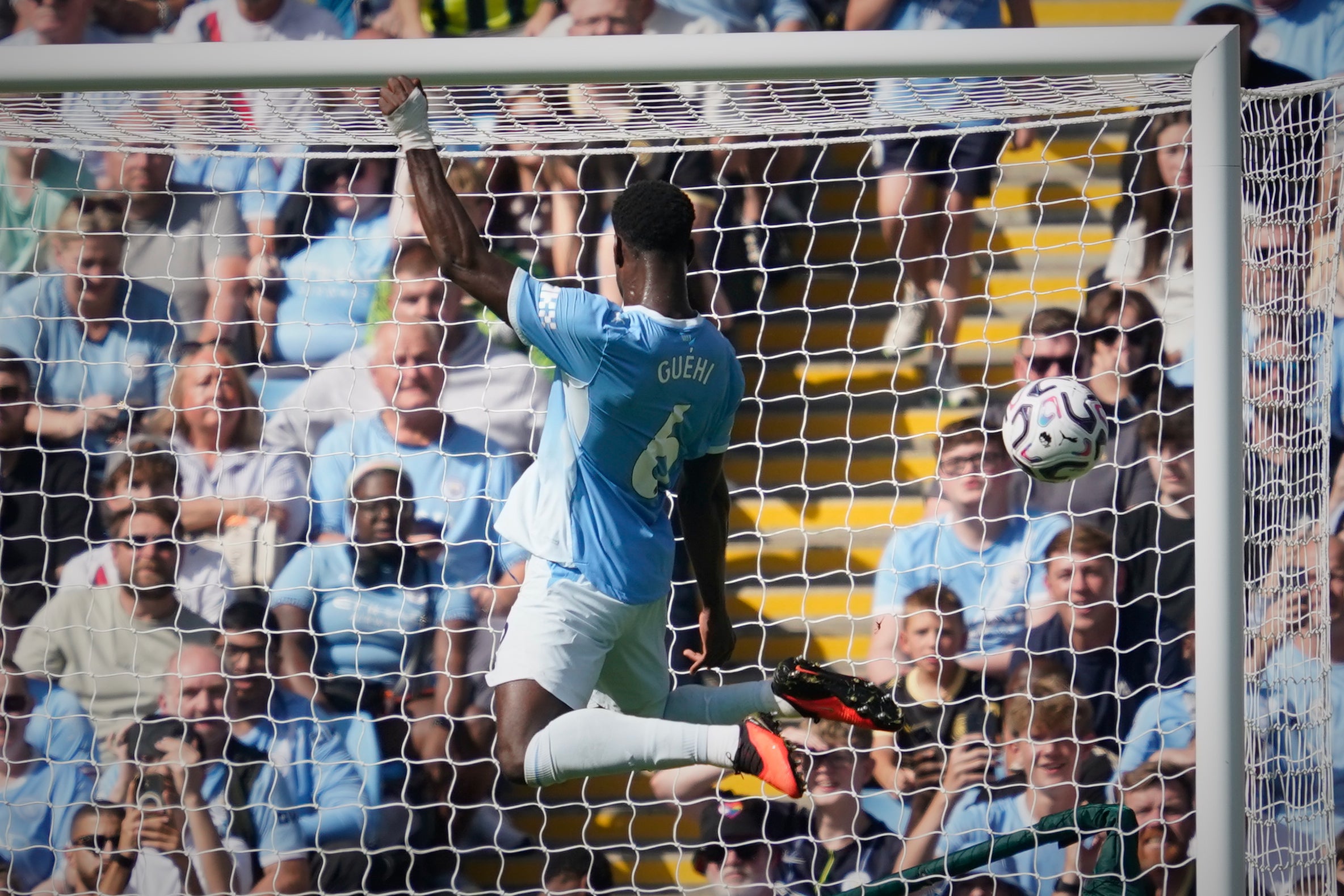 open image in gallery
That leaves two coups from the two years of rapidly rebuilding the squad: Cherki, a huge talent and, at £31m, a bargain, and Abdukodir Khusanov, raw when signed but with the speed to make him formidable. It also gives him some echoes of Kyle Walker just as, in his creativity, Cherki can seem a successor to Kevin De Bruyne.
There may be a lesson there especially as Guehi, like Stones, is a ball-playing centre-back. It shows a consistency of thought. Some of the other recruits may not. Some came, went into the team, out again and headed to the exit.
While City have commanded premium prices for back-ups, the fact they have paid a club record sum for Elliot Anderson may suggest they concluded the mix-and-match buying for £30m and £50m had too much trial and error to make them the best again. But arguably the abiding lesson is that it is impossible to completely rebuild a champion team in four transfer windows; or they could not, anyway. They instead got half a side, and got their money back and more on the other half.