



The ocean just broke a temperature record for what may be the first time in millennia.
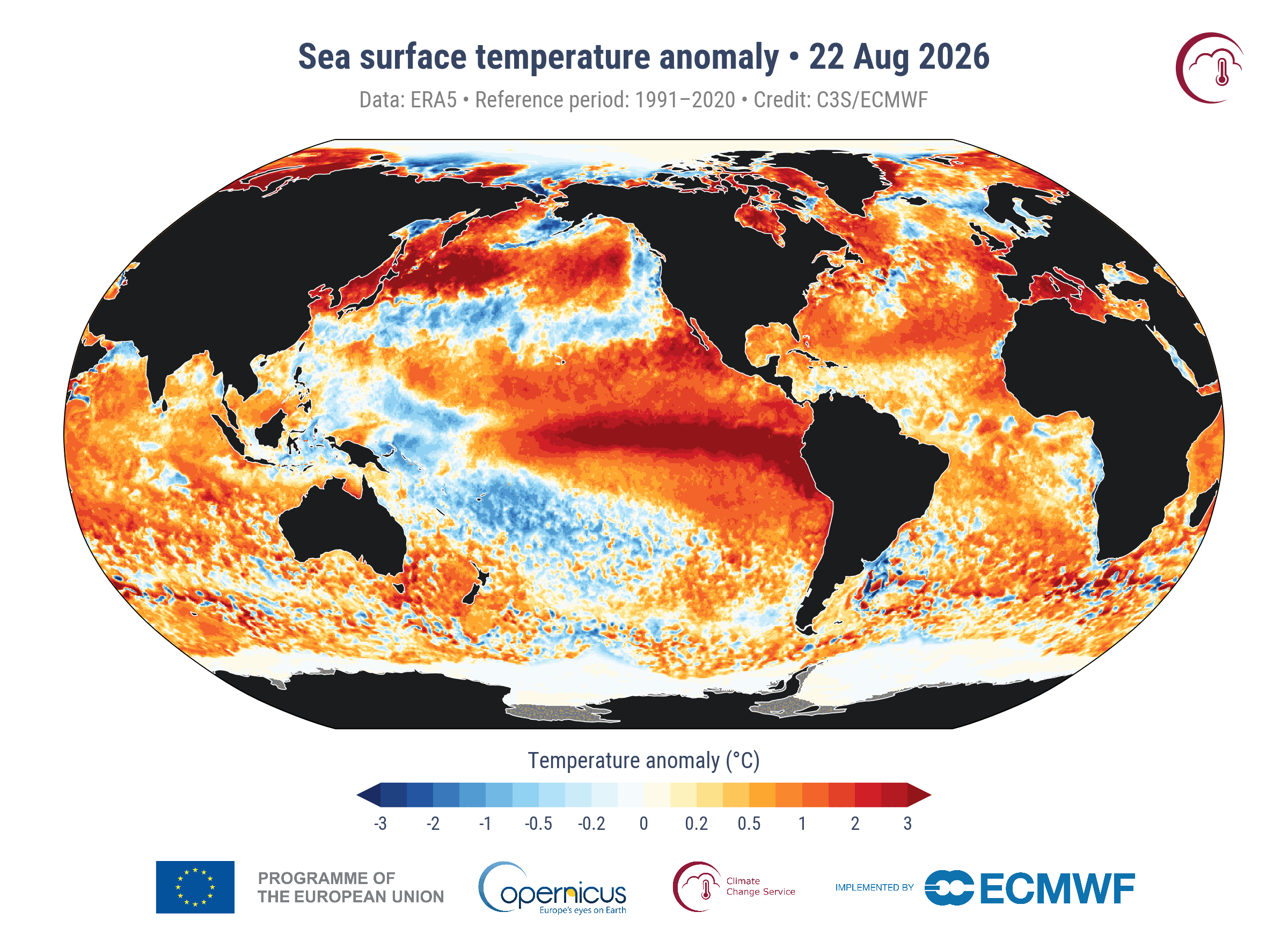
Average daily global sea surface temperatures rose to nearly 70 degrees Fahrenheit last week, according to Monday data from the Copernicus Climate Change Service.
“August 21st likely marked the warmest Sea Surface Temperatures have been for the entire Holocene period, and possibly even as far back as the last Interglacial 125,000 years ago,” University of Ottawa professor Ryan Katz-Rosene wrote in a post on X, reacting to the news.
That mark is up from the previous record of 69.2 degrees Fahrenheit set in 2024, which was the warmest year since record-keeping began in 1880.
The temperatures signal the impact of the coming super El Niño climate pattern, as well as warming from fossil fuel industry-driven climate change.
 open image in gallery
“While daily records should always be interpreted within a broader climate context, this milestone is consistent with the continued long-term warming of the global ocean and the emergence of an extreme El Niño event in the tropical Pacific,” the European Union group wrote in a release provided to The Independent.
Copernicus noted that global ocean temperatures are typically the highest in March and April – not in August.
That’s because that period follows the end of the warm summer season in the Southern Hemisphere.
 open image in gallery
“This latest daily record follows a succession of monthly sea surface temperature records and near-records observed throughout 2026 across the extra-polar ocean (60°S to 60°N), underscoring the persistent warmth seen across much of the global ocean,” Copernicus said.
More than 40 percent of the planet’s oceans are currently experiencing marine heat waves that threaten marine life and the global food supply, according to data from the National Oceanic and Atmospheric Administration.
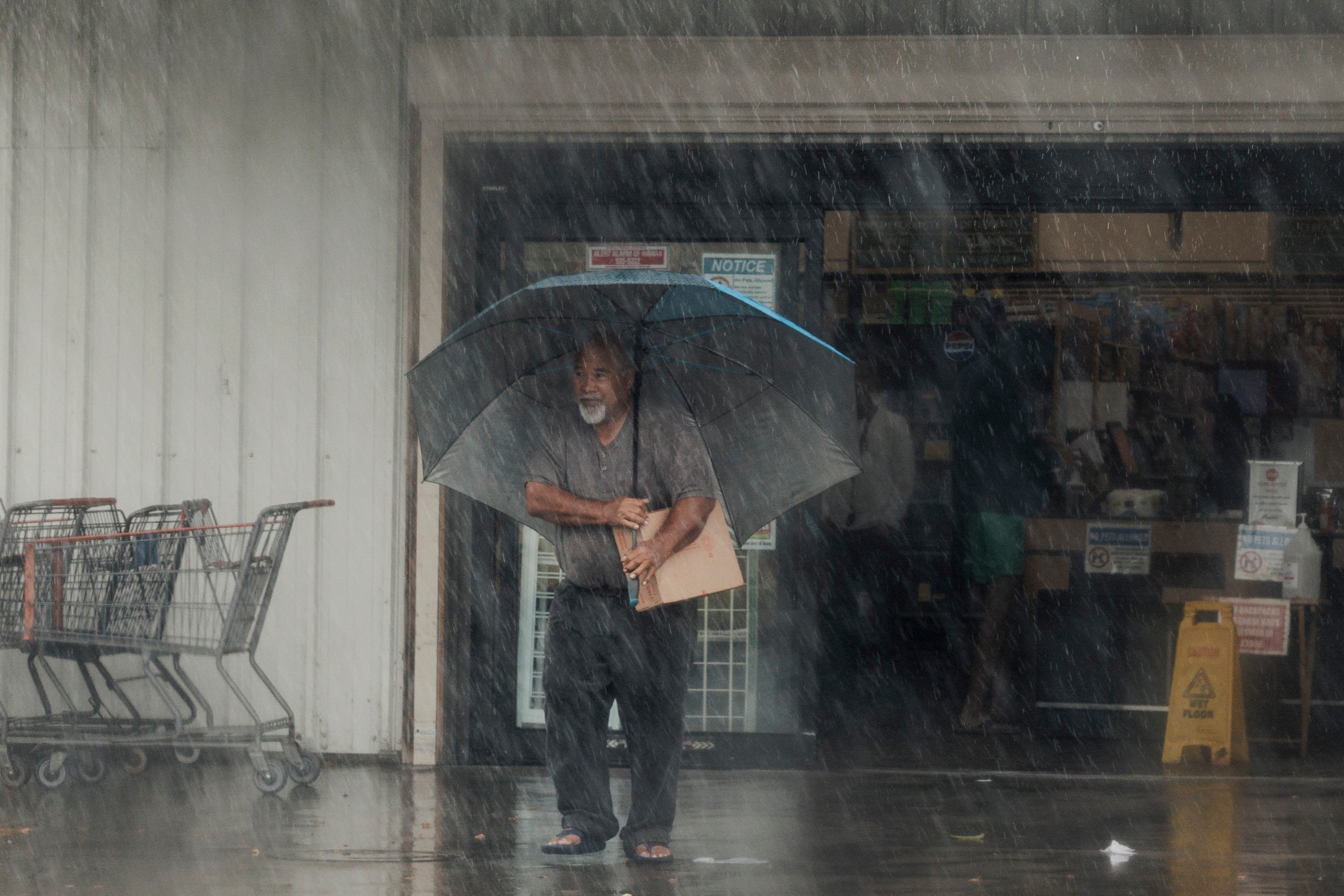
The warm temperatures have helped to supercharge storms in the Pacific Ocean, including Hurricane Lala near Hawaii, which sideswiped the island last week.
 open image in gallery
Lala brought flooding and torrential rain, killing a 93-year-old former kindergarten teacher named May Doi.
More of the same can be expected heading into the next year, according to climatologists and meteorologists.
“All things being equal, we might expect the ocean temperature record to be broken again in March [or] April 2027,” Dr. Jeremy Grist, senior research fellow at the National Oceanography Centre, told the BBC.