


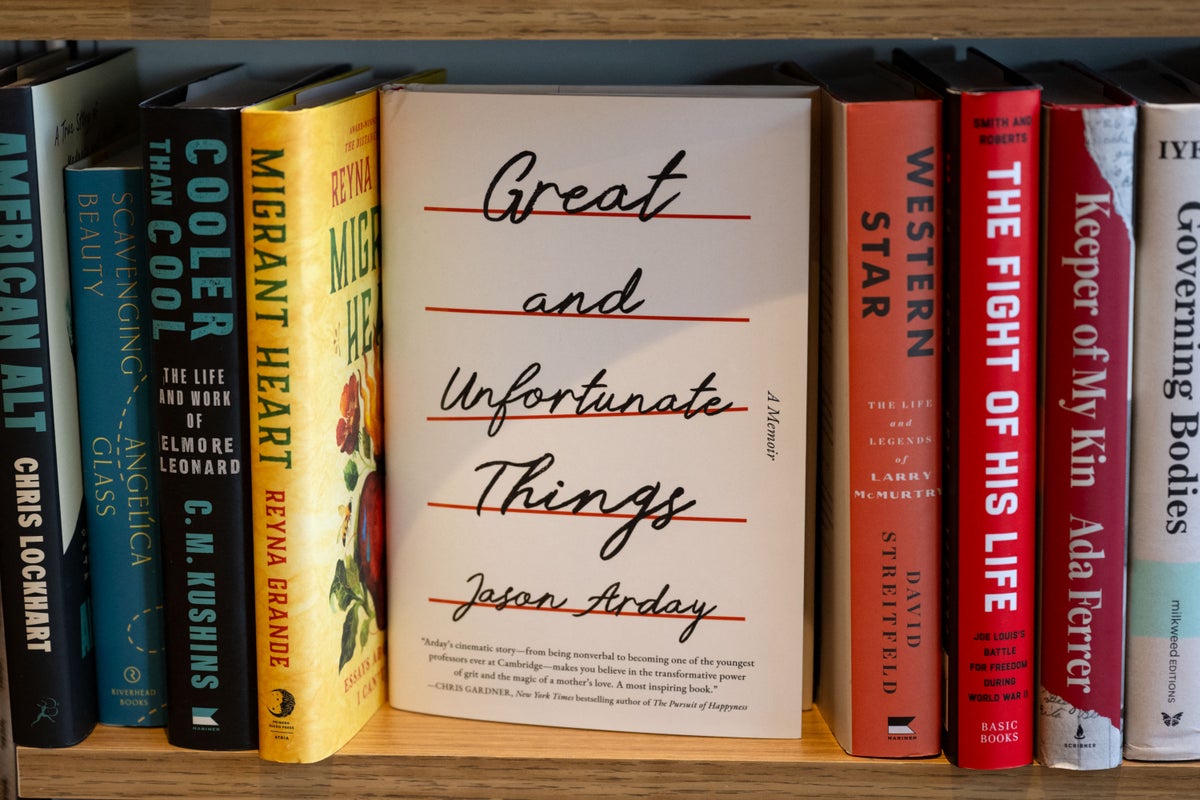
The UK publication of Professor Jason Arday’s memoir will proceed as scheduled this week, after his family said: “It is only right that we honour his wishes”.
The academic resigned from his position at the University of Cambridge earlier this month following intense scrutiny over accusations of plagiarism. On August 14, he was found dead in Battersea, south London.
Publisher Simon & Schuster announced on Monday that the book, titled Great And Unfortunate Things, will be released in the UK on Thursday as planned.
In a statement issued through the publisher, Prof Arday’s family said: “To the very end, Jason was clear that he wanted his memoir to be published and it is only right that we honour his wishes.
 open image in gallery
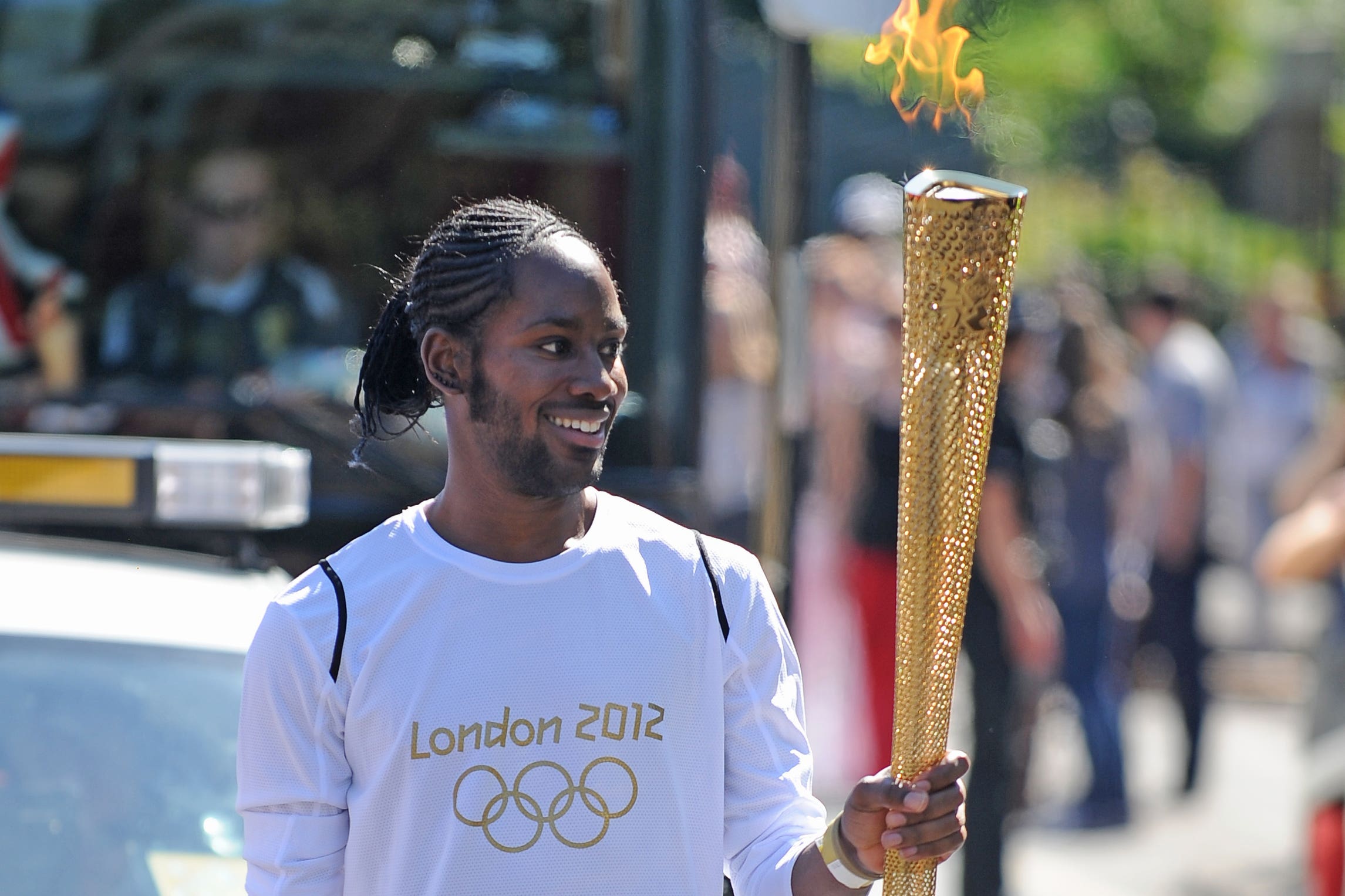
“There has been so much that has been written and said about our beloved brother, son, father, partner and uncle, mostly by people who don’t know the truth of what he experienced, and we experienced as a family, or what an extraordinary person he was.
“We are happy to allow the book to speak for itself and won’t comment further on its content.
“The family is still in shock and we are grieving. We call upon the media to give the family the space it needs to come to terms with this terrible loss.”
The publisher confirmed it would make no further comment at this time.
The plagiarism accusations against Prof Arday, who became Cambridge’s youngest black professor in 2023, were originally made by academic Nathan Cofnas.
 open image in gallery
Mr Cofnas, who has advocated for “race realism”, was suspended from his post at Ghent University last week, with the Belgian institution announcing that it had launched a preliminary disciplinary investigation, stating that Prof Arday’s death “should prompt reflection” and affirming that it “opposes discrimination, hatred and racism”.
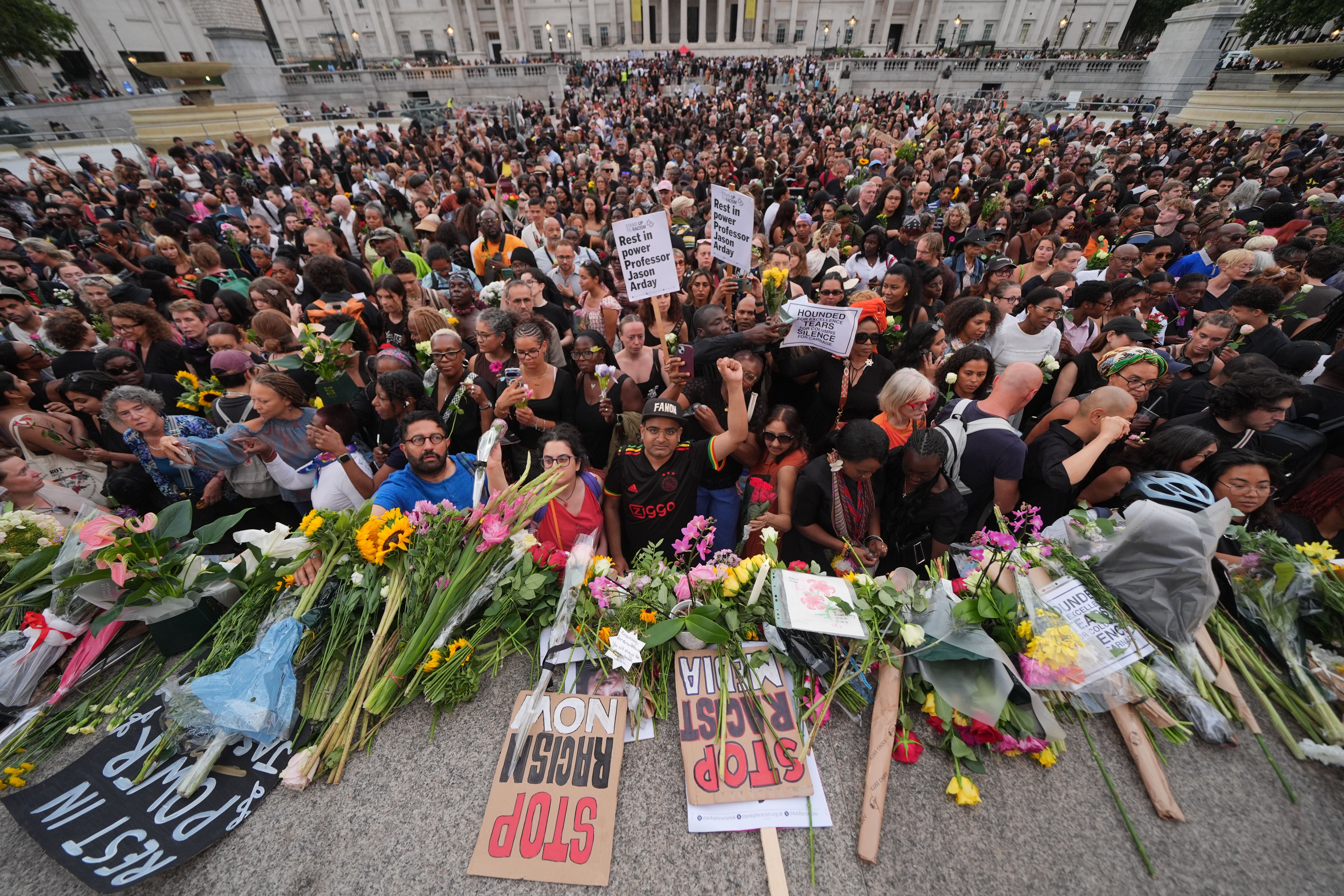
Organisers said more than 30,000 people gathered in central London’s Trafalgar Square last week for a vigil for the 41-year-old following his death
Speakers at the event criticised press coverage of Prof Arday, with MP Diane Abbott calling it a “vicious” and “bitter” campaign, and Lord Woolley describing it as a “public execution” and a “lynching”.