 Image source, Getty Images
ByZoe KleinmanTechnology and AI editor
The maker of ChatGPT is rolling out a range of new safety features today for under-18s who use the AI chatbot.
Those with new teen accounts will be able to switch off the human voice response, in order to minimise the tech’s ability to appear like a person.
OpenAI is also introducing regular reminders for young people to take a break from using the tool, reminding them ChatGPT is AI, and saying “it can wait”.
The firm insisted this was not in response to a particular issue with children believing ChatGPT to be alive – but there are growing concerns about people becoming convinced that the AI tools they interact with are sentient.
Last year Mustafa Suleyman, the head of AI at rival firm Microsoft, said “seemingly conscious” AI products “kept him awake at night” because he was so worried about their impact on society.
In other areas, OpenAI seems to be loosely following the teen account model developed by the large social networks.
In a blog post announcing ChatGPT for Teens, external, the firm said teenagers’ use of AI “should come with protections that reflect their developmental stage, reinforce real-world relationships, and support healthy use over time”.
It said teen accounts would become the default for those who identified themselves as teenagers when they signed up, and others whom the firm itself identified as under 18.
But it did not elaborate on how it would identify these teens.
Under-13s are not allowed to use the product.
Last year, ChatGPT launched Study Mode for students, in which it talks through schoolwork without giving away the answers.
Young people will now be able to set Study Mode hours during which this will be the default setting.
They will also be able to activate “quiet times” when the tool will be switched off for them.
OpenAI says of the young people who use ChatGPT, nine out of 10 use it to help them with learning.
A report released yesterday, external by the Policy Exchange think tank claimed that the majority of UK universities are leaving themselves exposed to students enhancing their grades using AI by relying on online exams completed remotely.
It said 94% of the students it spoke to admitted to using the tech in assessments.
OpenAI is also adding eating disorder-themed prompts to a list of harmful user requests which will be flagged to parents with linked accounts.
The company said each alert would be reviewed by a human before it was sent, and it aimed to have them with parents within an hour of the request being made.
In its blog, OpenAI said it would focus on “moments when offline support may matter most”.
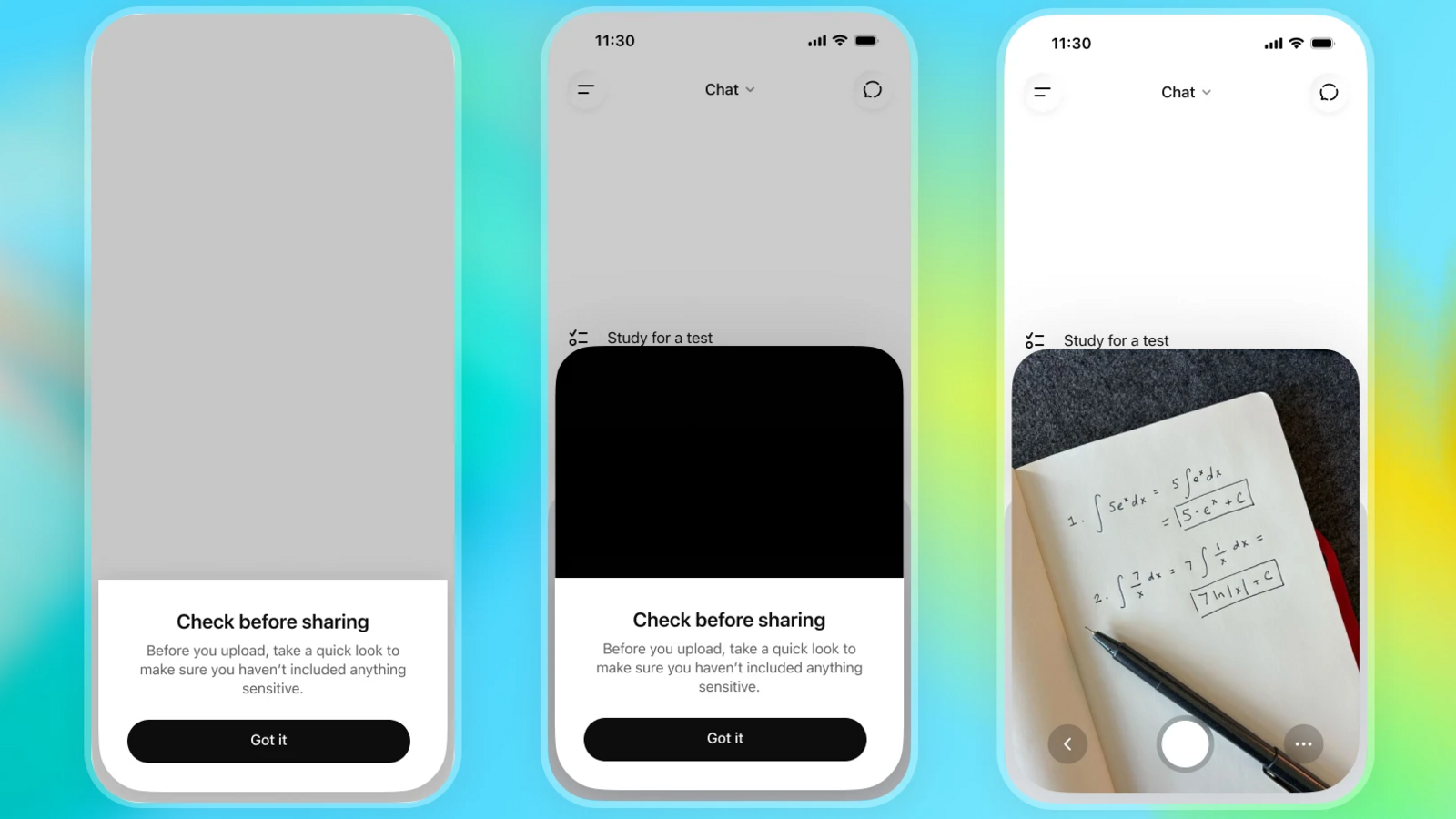 Image source, OpenAI
OpenAI said it would alert teens not to share sensitive content with ChatGPT
So far, there is no bespoke AI regulation in the UK. The government under former prime minister Sir Keir Starmer considered restricting AI chatbots for under-18s alongside its other reforms on social media use by children.
Anthropic’s AI tool Claude is still for adults only. When Google first launched its Gemini AI tool, initially called Bard, it also did not allow children to use it.
Dr Susan Shelmerdine, a medical imaging doctor at Great Ormond Street Hospital and an AI academic, told the BBC last year that one day doctors may start asking patients how much they use AI, in the same way that they currently ask about smoking and drinking habits.
“We already know what ultra-processed foods can do to the body and this is ultra-processed information. We’re going to get an avalanche of ultra-processed minds,” she said.

Sign up for our Tech Decoded newsletter to follow the world’s top tech stories and trends. Outside the UK? Sign up here.