


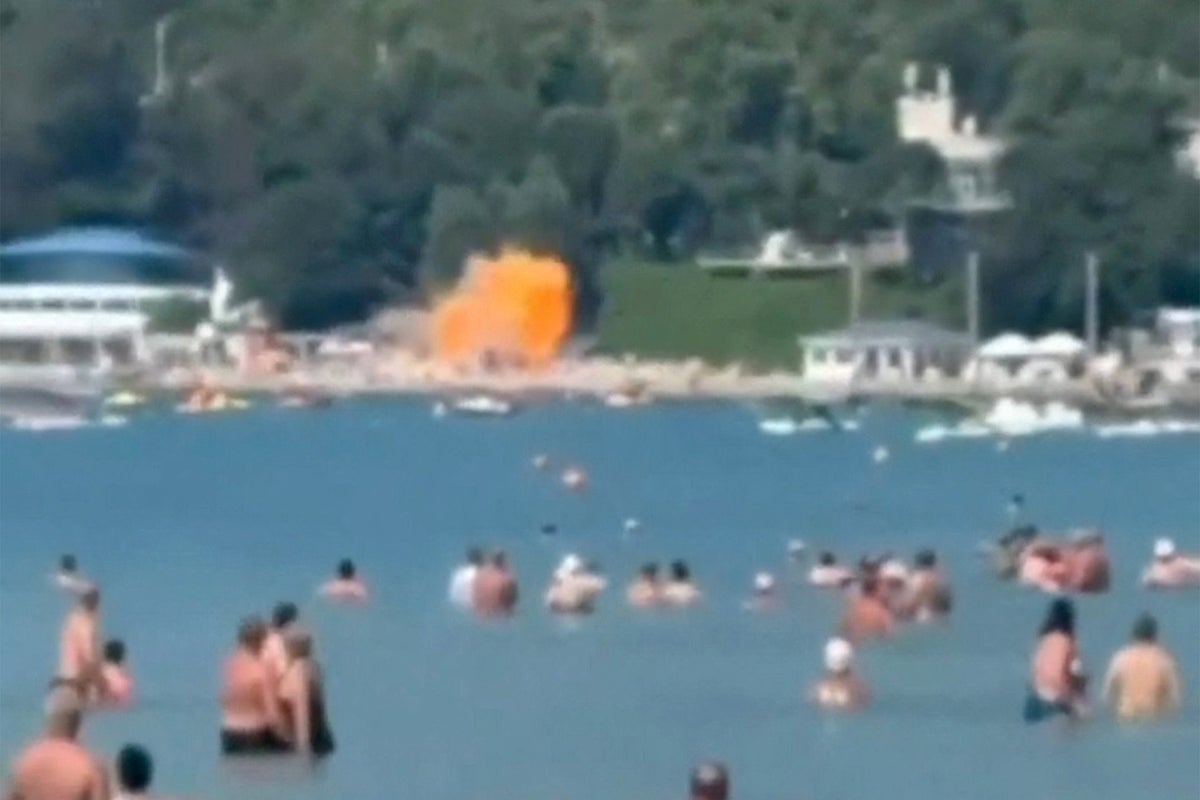
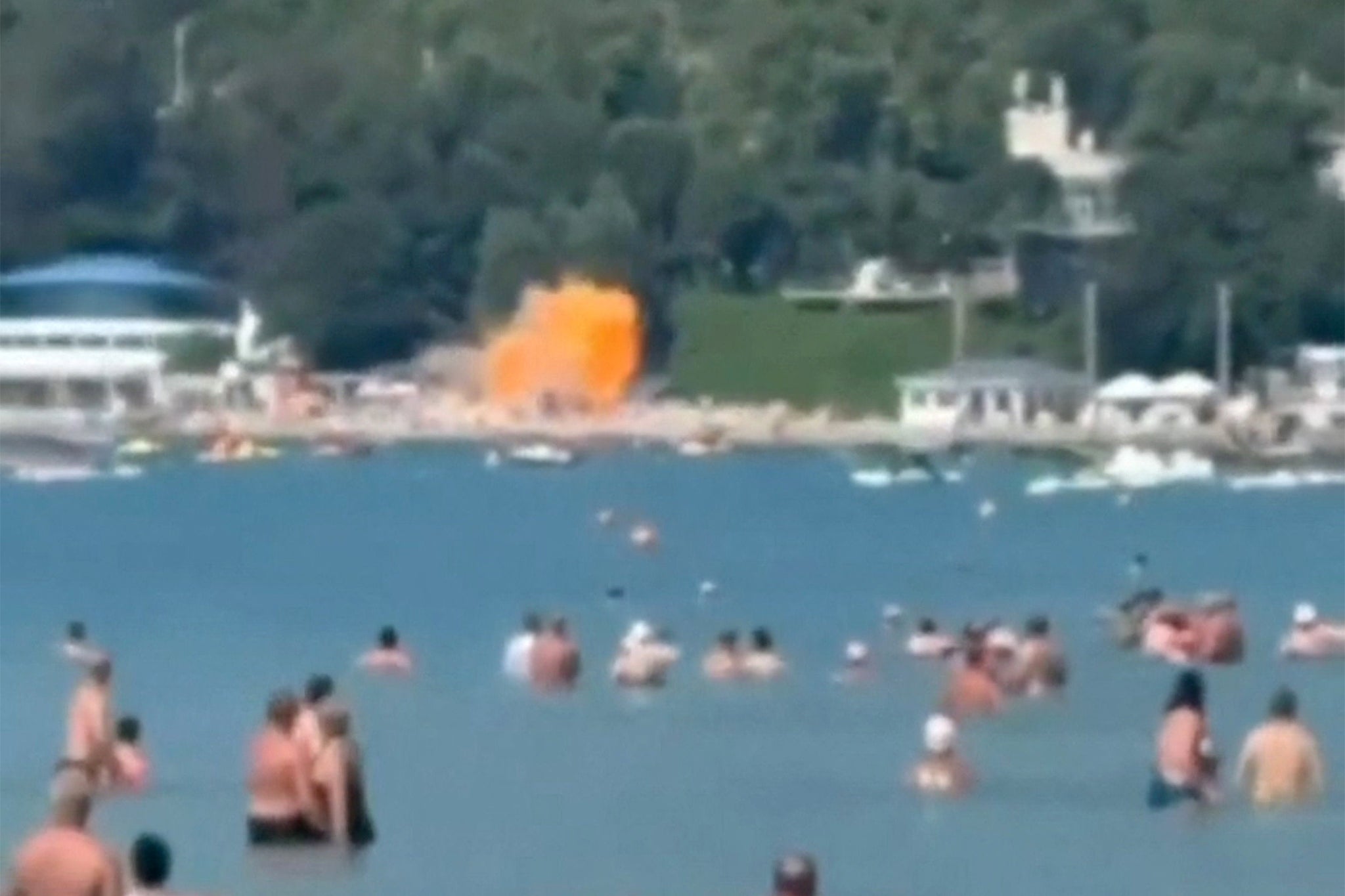
The gentle splash of breaking waves on a resort beach and the laughter of children having innocent fun gives way to the screech and crack of an explosion. Seven people dead – three of them are children.
This was the scene on Monday in the Russian Black Sea town of Gelendzhik where, even if every adult killed and all 40 of those injured were wide-eyed fans of Vladimir Putin and part of his war machine, the children were innocent.
It was the sort of attack that, if carried out by Russia against Ukraine, would have sparked international outrage and allegations of war crimes by targeting civilian areas.
 open image in gallery
“What happened today was a deliberate attack by the Kyiv regime on the civilian population, which has no connection whatsoever to military infrastructure,” Veniamin Kondratyev, the governor of southern Krasnodar region, which includes the resort, said in a statement on Telegram.
Ukraine does not have a policy of attacking civilian targets.
Russia does.
But as Kyiv steps up its war inside the Russian Federation, there have been, and will be, more civilian deaths. These may be dismissed with a shrug by many Ukrainians who have lived with Russia’s targeting of schools, hospitals, energy systems, trains, cafes, and hotels since February 2022.
Ukrainians will feel little sympathy for the dead in Russia because they know of the “hunting safaris” that trainee drone pilots enjoy in the city of Kherson. They learn to kill by targeting civilians on the city’s streets in first-person view (FPV) training runs.
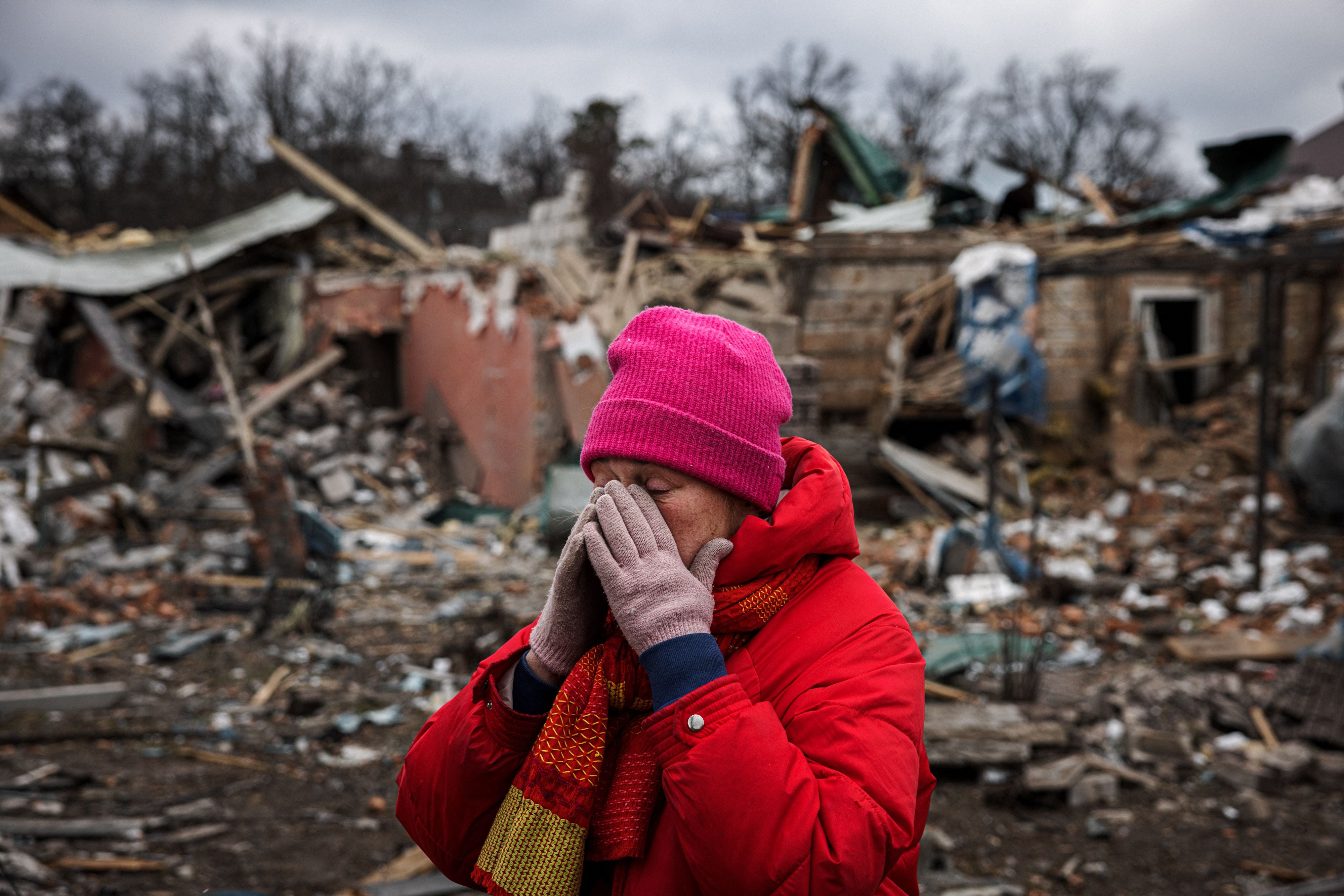
In many Russian attacks, including the massacres in Buch and in Irpin in the early months of the war on the outskirts of Kyiv, there is no question that ordinary Ukrainians were, are, and will be deliberately targeted in a very first-person way.
 open image in gallery
Kyiv is taking the war deep into Russia, though. That means that Volodymyr Zelensky, Ukraine’s president, and every one of his military staff are comfortable with killing civilians – even by accident – because the innocent will be seen as collateral damage by his allies.
Ukraine has a homegrown long-range guided missile programme. These weapons are often described as “drones” but, as with Russian “drones”, most are not piloted aircraft carrying explosives but flying bombs with onboard navigation systems.
They are accurate. But they are not infallible. And they are often shot down.
Ukraine’s longest-range missile, the Flamingo FP-5, has a range its manufacturers claim of about 3,000km.
More importantly, for Russians under its long flight path, it can carry 1,150kg of high explosives.
A Russian-Iranian Shahed “drone” carried a warhead of about 50kg. It can destroy several floors of a tower block, as we have seen all over Ukraine. The Russian Iskander missile family, of the kind that was used to target the Kramatorsk railway station in Ukraine and killed 63 people in April 2022, carried around 700kg of explosives.
So any of these shot down by surface-to-air defences become unguided bombs that can tumble from the sky and explode on a Ukrainian residential building or a Russian beach.
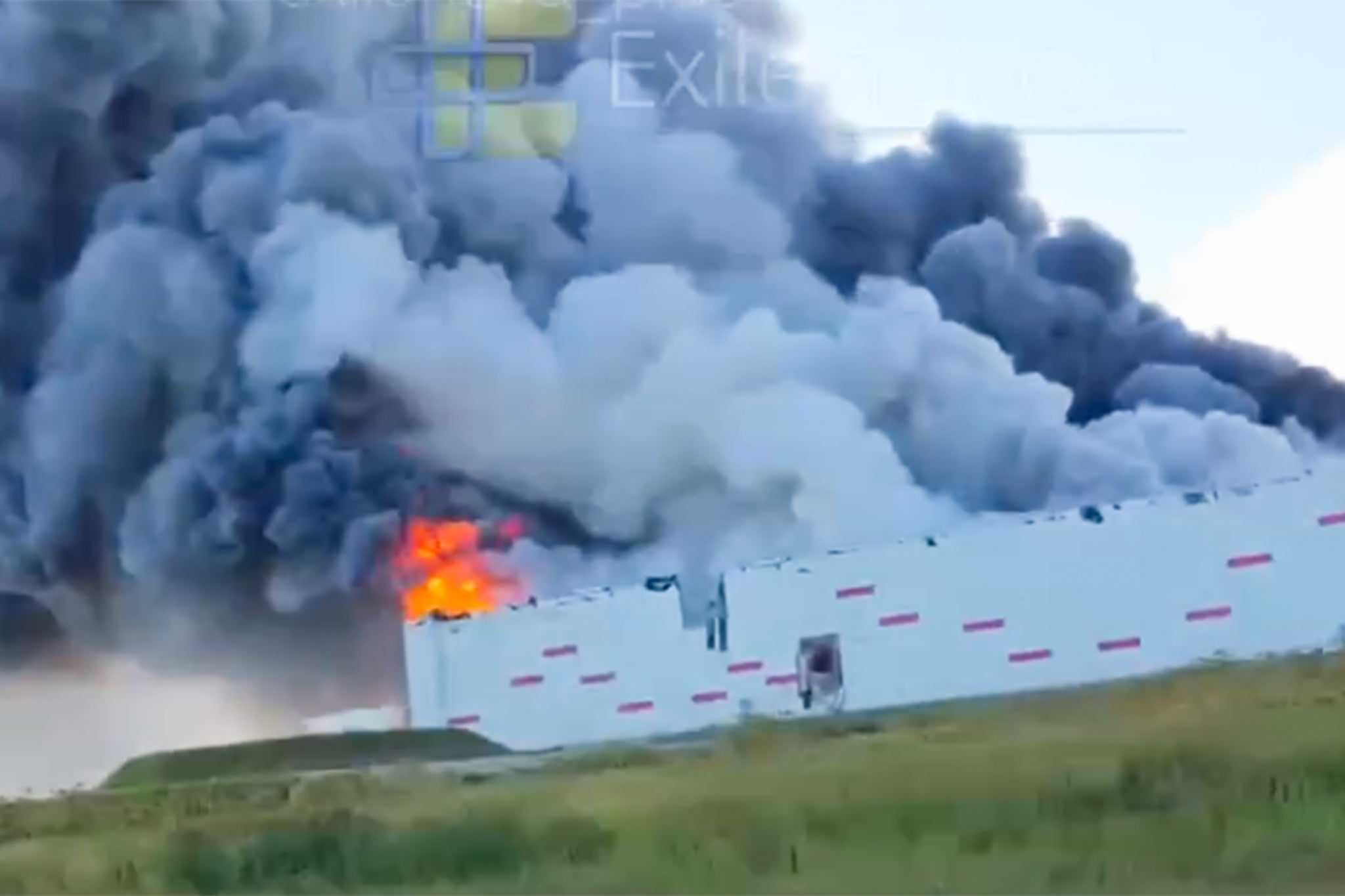
Kyiv has targeted at least 20 Wildberries facilities since 18 July in attacks on Russia’s equivalent of Amazon. Residents of Russia’s Black Sea coast know they’re in danger because these days they get air raid alerts on their mobiles, just like Ukrainians. In Moscow, it is now hard to get petrol for a weekend jaunt – even for the middle classes – because Ukraine has been successfully targeting Putin’s oil refineries, notably the stills used to “crack” crude oil into fuel oil.
There are reports of capital flight from Moscow’s banks.
Putin has relied on sending prisoners and conscripts from far-flung Russian colonies in his empire that is known as a “federation”; non-Russian-speaking soldiers from Buryatia in Siberia, from Tuva and the Altai republics are majority ethnically Mongol or Turkic speaking. They have suffered the heaviest losses and have been cannon fodder for the white Europeans who rule in Moscow.
Zelensky’s generals have worked hard to end the idea that Moscow can ignore the war it started.
Kyiv is succeeding in this. Ukraine’s military has recently seen a reshuffle of its top commanders but remains on the front foot in a war in which it is outgunned, outmanned and outsized by the invaders.
Kyiv is not yet winning, but it is showing that a victory over Russia is now conceivable. Not a fight for a better bad deal, but an outright victory in which Russia’s forces collapse inside Ukraine and are routed because they cannot be supplied, motivated, or led by Moscow.
 open image in gallery
But in doing this, Ukraine will be spooking its allies. They don’t like to see civilian deaths, of course – especially not if they have helped to cause them.
Above all, they still fear the “what next” if Ukraine does win.
Would the Russian Federation fly apart into ethnic states, all with access to nuclear weapons?
The Black Sea incident was likely to have been an accident. Ukraine’s allies will struggle with the ethics of that.
But the realpolitik of Moscow’s future is what troubles Europe’s capitals – the accident of a catastrophic victory over Putin.