


A Spain destination popular with British holidaymakers has been struck by a 4.1 magnitude earthquake.
Dozens called emergency services after the tremor hit Murcia today (Sunday). The incident was logged by the National Geographic Institute (IGN) at 11.59am and is believed to have lasted for a number of seconds.
The quake follows hot on the heels of a sizeable 4.7 magnitude tremor that rattled Naples, Italy, on Friday, causing damage to buildings and vehicles while leaving around 20 people injured.
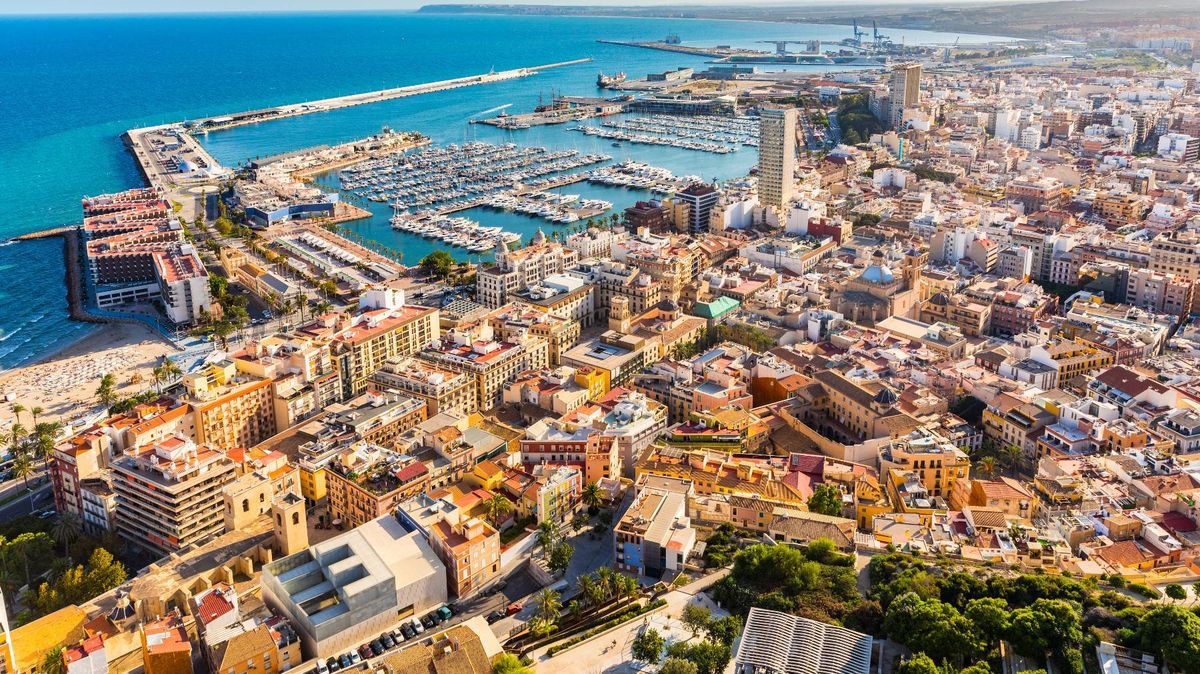
Today’s seismic event in Spain is reported to have been felt across neighbouring regions of Alicante – a much-loved getaway for Brits who also descend on nearby Benidorm – and Albacete.
The epicentre was located in the town of Librilla at a depth of roughly 3 miles, with Murcia lying approximately 18 miles away, according to the Mirror.
Emergency services 112 announced on X: “The 112 Emergency Coordination Centre for the Region of Murcia has received more than 80 calls (…) at various points in the region. So far, no personal or material damage has been reported.”
 View 2 Images
Map showing the epicenter of an event, marked by a red circle, located near the town of Caravaca de la Cruz, in the region of Murcia.
Spain’s National Geographic Institute (IGN) has confirmed that seven tremors struck the region in the days preceding this earthquake, with heightened seismic activity accounting for 21 events over the past month. Notably, this latest quake is the most powerful recorded in six months, surpassing the magnitude 2.3 tremor on June 3.
In 2011, Spain experienced its deadliest earthquake in decades, which killed 10 people in the southern town of Lorca. The 5.2 magnitude quake sent hundreds of locals fleeing as multiple structures collapsed in the town, situated southwest of Alicante.
Lines of cars were crushed under enormous piles of rubble, while a local hospital was also compelled to evacuate its patients.
The southern regions of Spain are particularly vulnerable to earthquakes, as Andalusia and Murcia lie along the northern boundary where the Eurasian and Nubian (African) tectonic plates meet, with the latter moving northward into Eurasia at approximately 4–5 mm annually.
This continuous collision, which previously created the Atlas Mountains in Morocco and the Alps across central Europe in earlier geological eras, manifests itself in southern Spain today through the fault lines of the Betic Cordillera – the mountain chain that extends from the Gibraltar Arc in the west, passing through Malaga, Granada, Almeria and Murcia towards the Mediterranean coast.
Article continues below
Ensure our latest stories always appear at the top of your Google Search by making us a Preferred Source. Click here to activate or add us as your Preferred Source in your Google search settings.