


AdvertisementSemiconductorsTechTech Trends
China’s rapid chipmaking expansion threatens AI memory chip boom, Samsung adviser warns
Rising Chinese output and shifting investment patterns may weigh on the semiconductor sector’s outlook, Samsung adviser says
2-MIN READ2-MIN Listen
Yeon Woo LeePublished: 5:30pm, 19 May 2026The AI-driven “super cycle” in memory chips may lose momentum by 2028 as Chinese chipmakers aggressively expand production and global tech firms curb spending, a Samsung Electronics executive adviser said.
“South Korea’s memory chip industry is performing very strongly this year and some forecasts suggest conditions could improve further next year,” adviser Kyung Kye-hyun said at a forum hosted by the National Academy of Engineering of Korea. “But caution is needed for 2027, particularly 2028.”
Kyung, who led Samsung’s semiconductor business from December 2021 to May 2024, identified the rapid expansion of Chinese chipmakers’ manufacturing capacity as a major challenge for South Korean chipmakers.
AdvertisementChinese firms had already captured about 20 per cent of the NAND flash market, he noted, adding that their share of the DRAM market could exceed 10 per cent with support from ChangXin Memory Technologies (CXMT).
“Chinese companies are planning to increase capacity by 300,000 wafers over the next three years, and I’m concerned this could allow them to capture around 12 to 13 per cent market share,” Kyung said on Monday.
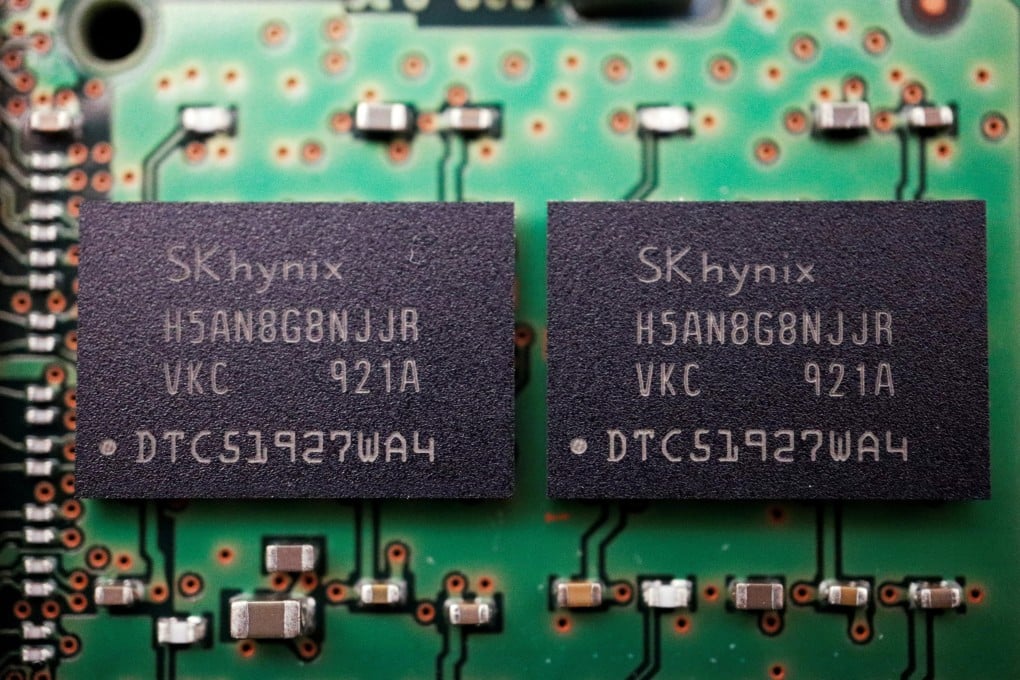
AdvertisementKorean chipmakers – including Samsung and SK Hynix – are enjoying strong earnings thanks to surging demand for memory chips, a crucial bottleneck for AI data centres. But analysts said Chinese firms, including Yangtze Memory Technologies and CXMT, are scaling up NAND and DRAM production by leveraging cost advantages and subsidies.AdvertisementSelect VoiceSelect Speed00:0000:001.00x