
 Image source, Getty Images
NHS targets “streak” culture to get nation walking
ByChloe Hayward, Hugh Pym
Getting your steps in has long been linked to better health – and for the first time the NHS is to start giving people rewards for doing exercise.
Early next year, NHS England will launch a “marathon a month” challenge, asking people to walk for around 30 minutes a day.
Those who do it every day will hit roughly 26 miles a month – the distance of a marathon.
Users will be able to log their walks online, or through their phone or smartwatch.
And the NHS says those who complete the challenge will then be eligible for rewards – which could include incentives and discounts.
Lauren Andrew says she thinks it sounds like a good scheme.
“I’d do it. Small chunks would be easy to fit in,” she says. “I don’t have a gym membership or any of that but I could go for a walk. That’s free.”
But when it comes to incentives, discounts wouldn’t cut it. “If my walking is converted into a freebie, like a drink or food, then that would help get me to do it.”
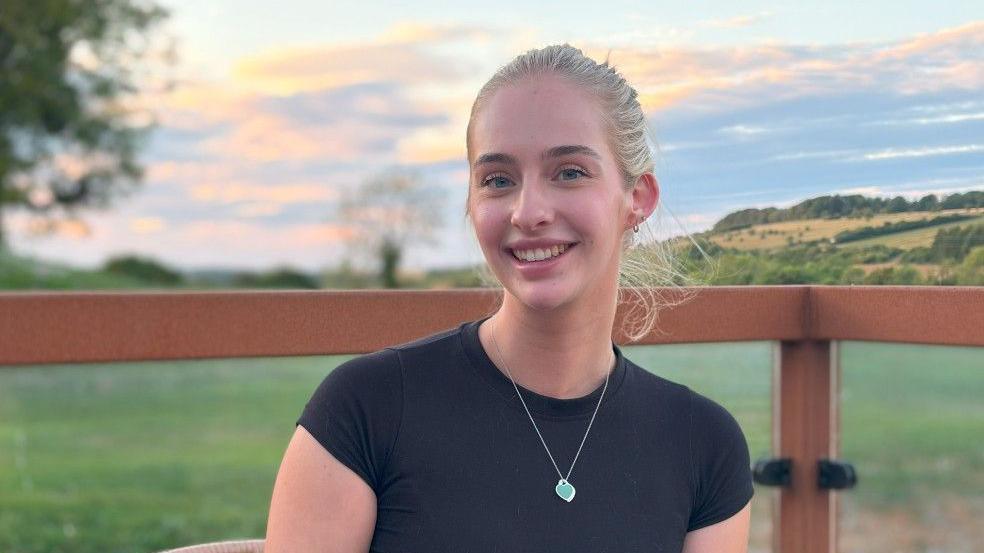
“I could go for a walk. That’s free,” says Lauren Andrew
The under‑25s the BBC spoke to were broadly upbeat about the scheme. One said the gamified challenge would push her to be more active. Not wanting to break a “streak”, or run of consistent days, is definitely a motivator for her and her friends.
Another, who already clocks up roughly a marathon’s worth of walking each month, admitted he’d happily take a free reward for something he’s already doing.
When it comes to funding, the NHS is covering the initial set‑up, but the wider plan is to draw in philanthropic backing from major corporates as the scheme rolls out.
The scheme is being developed in partnership with former Olympic medallist Sir Brendan Foster, founder of the Great North Run, who was asked by NHS England to set a campaign to get people walking.
“I’m known for running, but the ambition here is far simpler. We just want people to walk. Simple,” he says.
It is part of the 10-year health plan for England. He told the BBC that getting more people active is his mission.
Physical inactivity is associated with one in six deaths, according to NHS England. A person is classified as physically inactive if they do less than 30 minutes of moderate-intensity equivalent physical activity per week.
A survey by Sport England showed that in the year to November 2025 nearly a quarter of adults, or around 12 million people, were in that category.
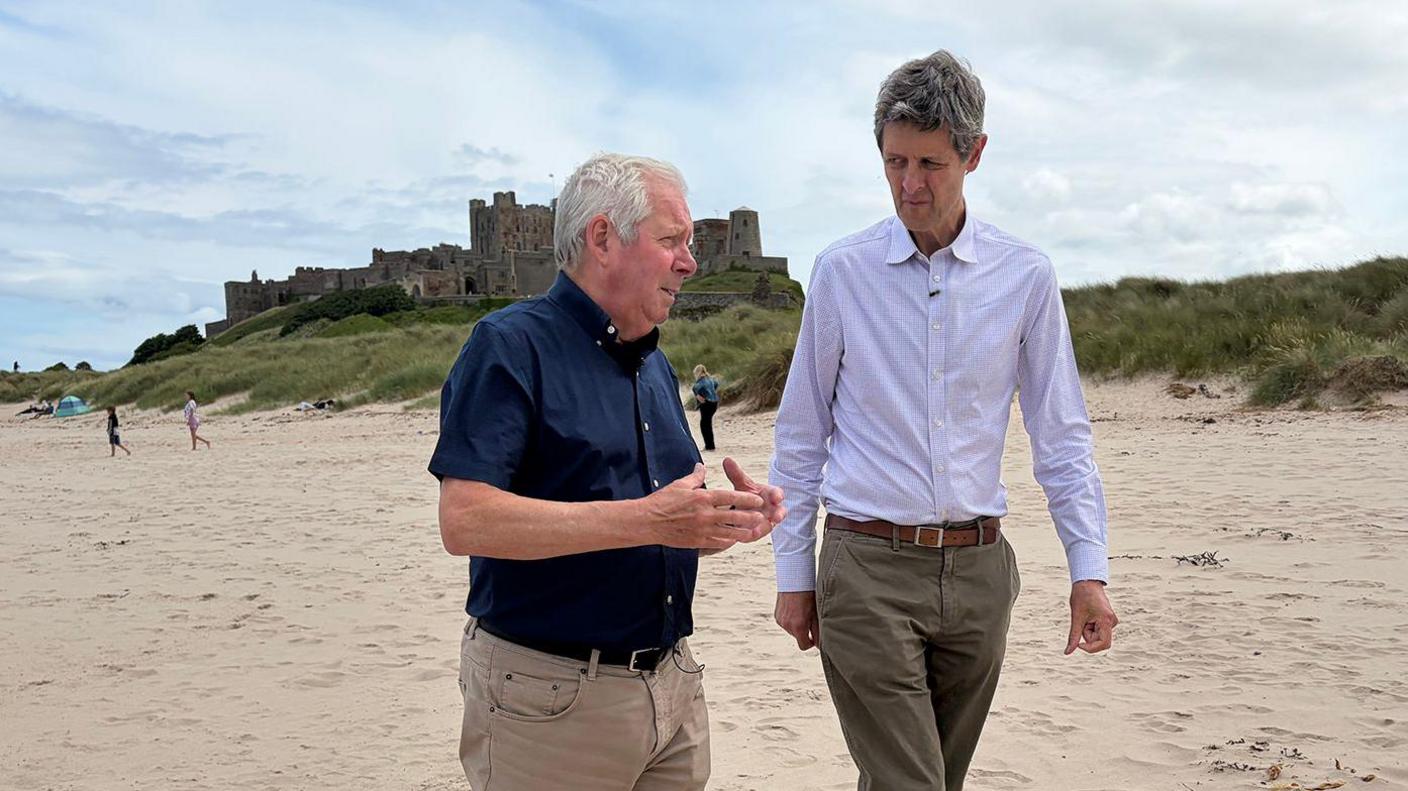
Sir Brendan Foster walking on a Northumberland beach with the BBC’s Hugh Pym
The aim is to sign up more than 100,000 people, with daily stats recorded digitally.
If the target is hit, Sir Brendan says it would count as the biggest marathon in history.
He hopes streak culture, the habit forming behaviour as seen on Snapchat and Duolingo, will help people stick with the challenge.
The health benefits, and potential NHS savings, will also be significant.
“If someone walks 30 minutes five times a week, they could gain up to four extra years of healthy life,” he says.
Sonia Pombo, head of research and impact at Action on Salt & Sugar, says: “Encouraging people to build regular movement into their daily lives can support better health, and making it simple, achievable and rewarding may help more people get started.
“But we cannot rely on individual behaviour change alone. If the government is serious about improving the nation’s health, particularly for children, it must pair initiatives like this with stronger prevention measures.”
Full details of the voucher scheme will be released in the coming months, along with information on how to sign up.