


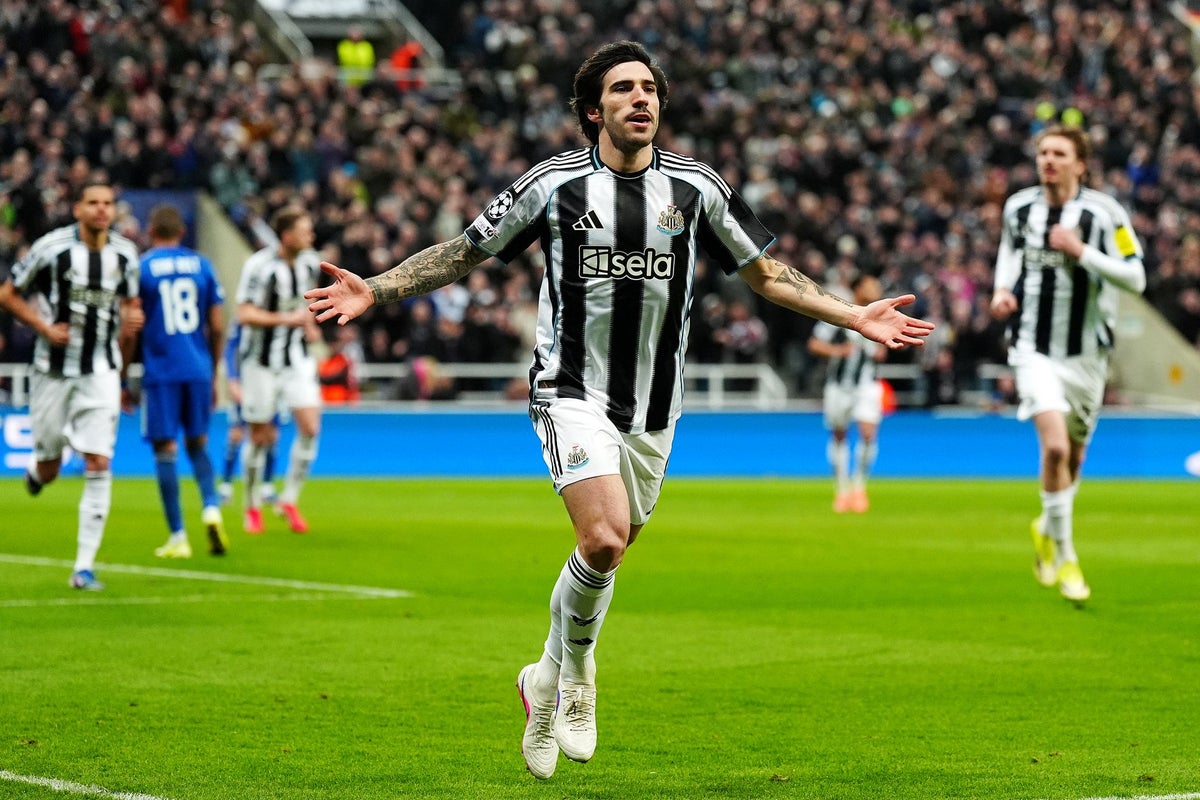
The world’s richest club is getting even richer. Although it feels a while since Newcastle were described as such and it scarcely seems an achievement to celebrate when their method of enriching themselves involves selling their star players.
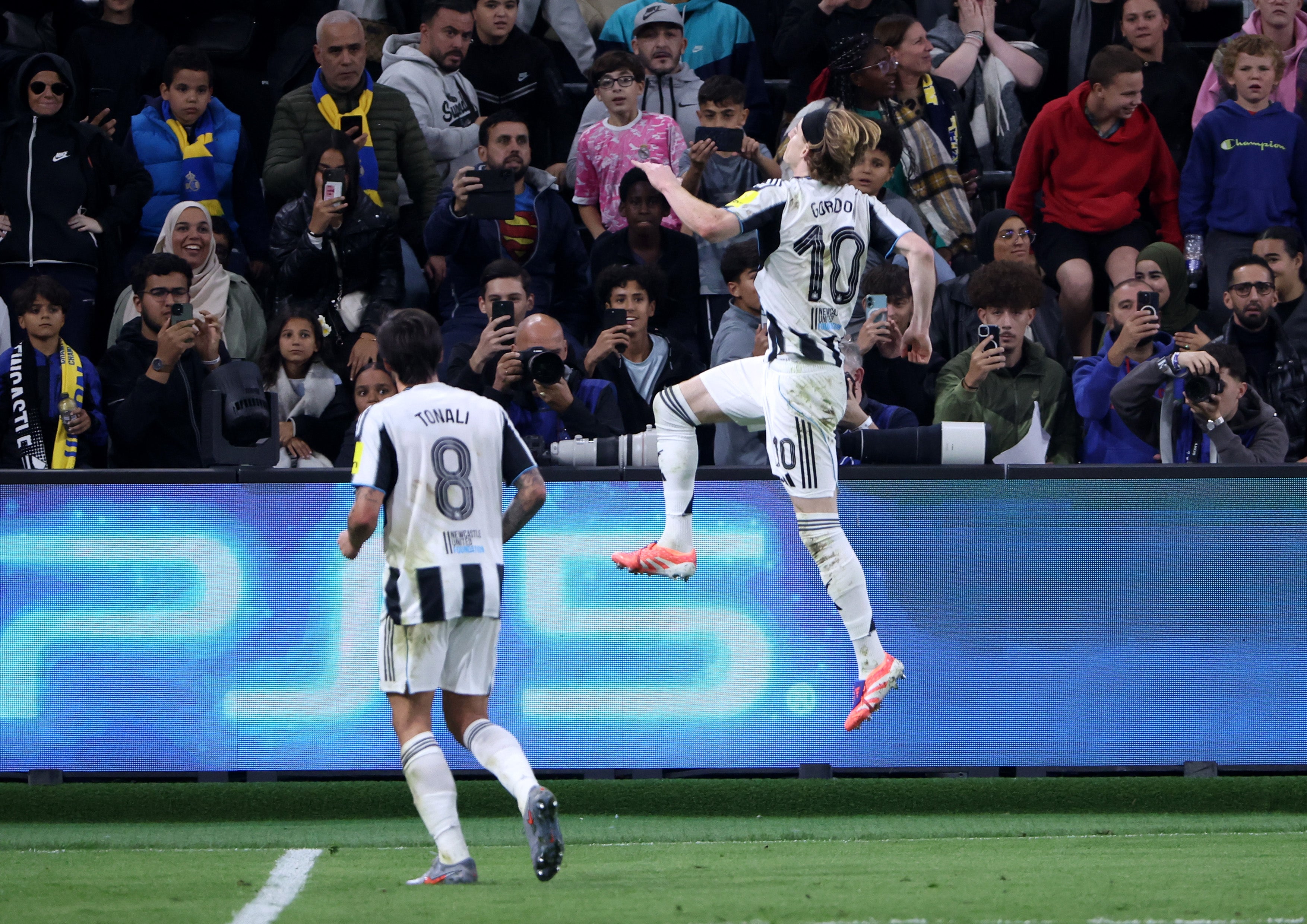
Getting £69.3m for Anthony Gordon brought in a sizeable fee. A £100m windfall for Sandro Tonali would be a seismic one. A 26-year-old who has already served a ban for gambling would not normally command such a fee. And yet that is still not the most remarkable element: not when the Italian is set to join the club who have finished 17th in each of the last two seasons, in Tottenham.
 open image in gallery
Newcastle have already received too many unwanted reminders of their place in the footballing food chain but this is something different. Chief executive David Hopkinson has voiced an ambition to be in the conversation about the world’s top club by 2030, but those who tend to be in the discussions for the country’s biggest have repeatedly shown they have more pulling power than Newcastle. Liverpool have taken Alexander Isak from St James’ Park and bought Newcastle targets from Hugo Ekitike to Victor Munoz, via Giovanni Leoni. Manchester City ended Eddie Howe’s annual pursuit of James Trafford by buying him back from Burnley last summer. Chelsea signed two of those on Newcastle’s striking shortlist, in Liam Delap and Joao Pedro, with contrasting results. Manchester United got two more, in Bryan Mbeumo and Benjamin Sesko.
 open image in gallery
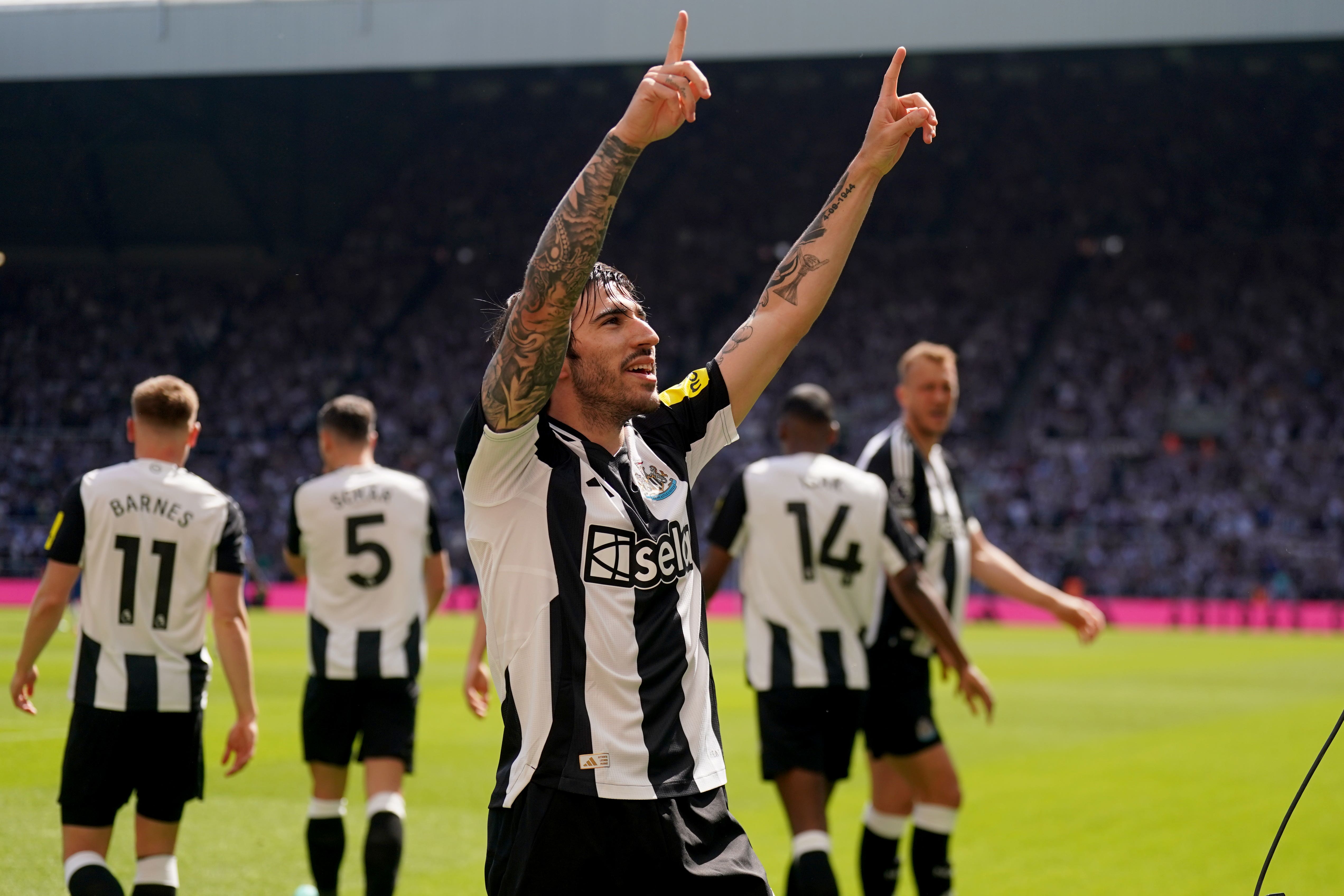
But Spurs? It looks like Tonali is trading downwards. Disappointing as Newcastle’s Premier League campaign was, they still finished five places and eight points above Spurs. The allure of London could be cited, or the presence of another Italian, Roberto De Zerbi, in the dugout; but had Tonali gone to City, also among his suitors, it would have made more sense. A nine-figure move to Tottenham, however, may be a triumph of negotiating but otherwise seems to cap a year of regression since Newcastle won their first silverware since the 1960s and qualified for the Champions League for the second time in three seasons.
And if money threatened to dominate the discourse around Newcastle when they were bought by the Saudi Public Investment Fund, it has; just not in the way many expected. A €6m fine from Uefa for overspending forms part of the backdrop. Some would say football’s financial rules have worked, reining in a club who might otherwise have had access to limitless funds.
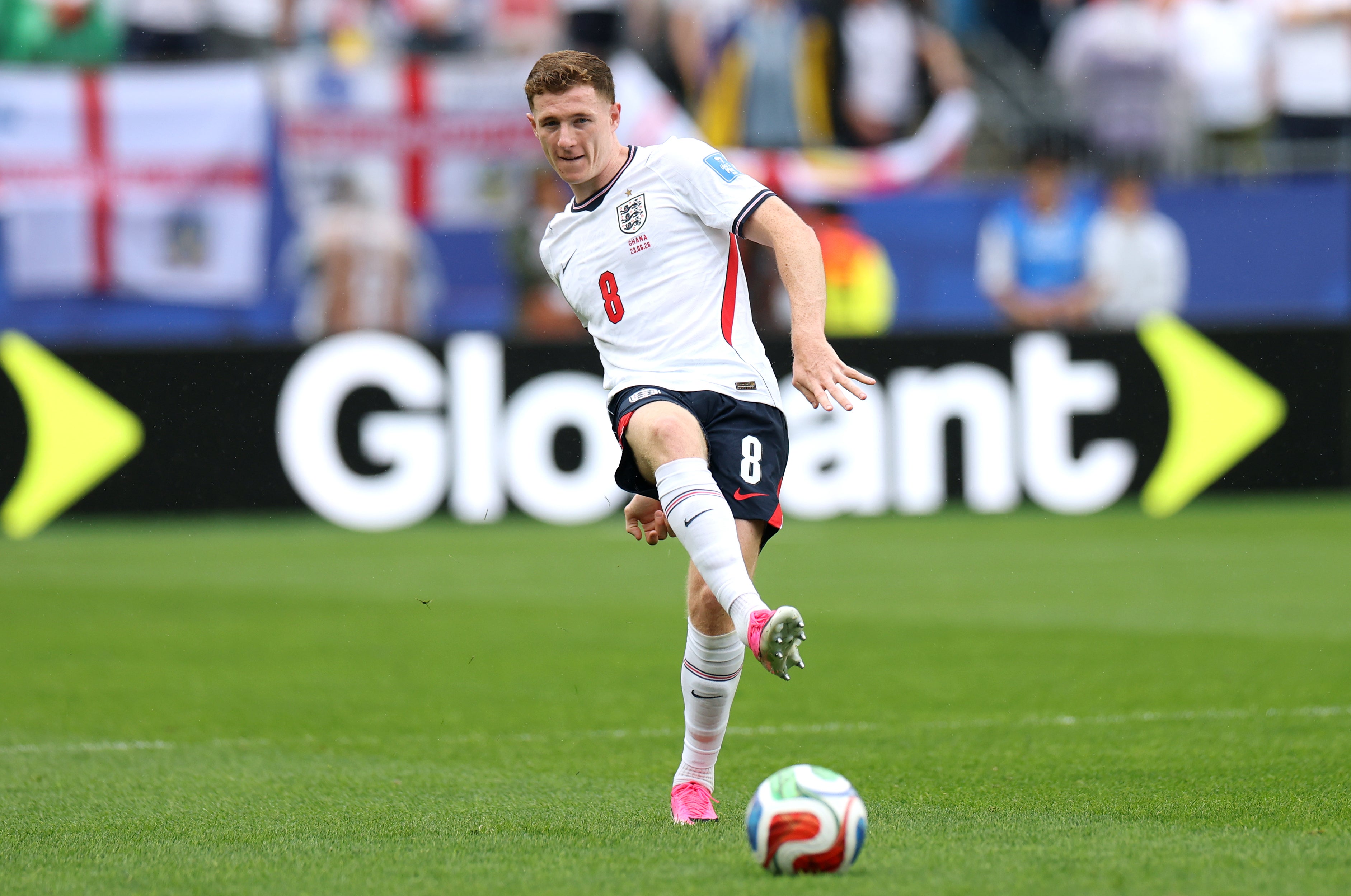
The world’s richest club could have been richer, though. Newcastle can eye Elliot Anderson’s impending £116m move from Nottingham Forest to City with frustration, and not merely because a Geordie could have been running their midfield for a decade. Perhaps, though they knew they had a talent in their ranks, they underestimated the scale of his.
Like Yankuba Minteh, Anderson went in the frantic firesale of 2024, to avoid failing Profitability and Sustainability Regulations. Whereas other imperilled clubs, such as Chelsea and Aston Villa, had a revolving-door strategy, there seemed something admirable in Newcastle’s attempts at continuity, to keep the first 11 together.
 open image in gallery
If they had their time again, however, they may wish they had sold Gordon then; perhaps Joelinton, too, if it would have freed up room for Anderson in midfield.
They can look at last summer, too, and question transfer-market decisions. They secured another supersized fee when Isak went to Liverpool for £125m; but, by holding out until the last day of the window, at considerable cost to their own season. They ended up spending the whole proceeds on Nick Woltemade and Yoane Wissa, overpriced panic buys. They would have been better off selling Isak six weeks earlier for £110m.
 open image in gallery
This season can be seen as a reaction to last. After the Isak saga, Newcastle have resolved to sell the wantaway earlier. Before last year, too, virtually every signing in the Howe era – not merely Isak, Tonali and Gordon but Bruno Guimaraes, Kieran Trippier, Dan Burn, Nick Pope, Lewis Hall and Tino Livramento – ranked as a success. Wissa and Woltemade don’t, and neither do Anthony Elanga or Jacob Ramsey, a £200m quartet.
It feels that Newcastle were set back several years in one. Compared to the Carabao Cup-winning side, a possible first XI when Tonali goes looks far weaker. Even their rebuilding seems less focused on the immediate future. They could add winger Bazoumana Toure to goalkeeper Ewen Jaouen in a spending spree on 20-year-olds.
Buying younger is a sign Newcastle may be recognising they have to look for resale value and be more of a trading club. Yet part of their obduracy about Isak was understandable; if one domino fell, would others? Now captain Bruno Guimaraes looks the last and most loyal of the big guns, and he is attracting interest from Arsenal. Tonali’s transfer could fund further arrivals, but it cannot look like a rush to the exits, with only the unwanted staying.
It was always evident that, if Howe stayed, he would have to build a second team. But now it seems to come from a lower base, and when Newcastle still aim to be in Europe every year. Tonali, though, was bought as a Champions League semi-finalist in his AC Milan days. Newcastle seemed in a stronger position in 2023 than 2026. But then they felt a club on the up. They don’t now, in their summer of discontent.