


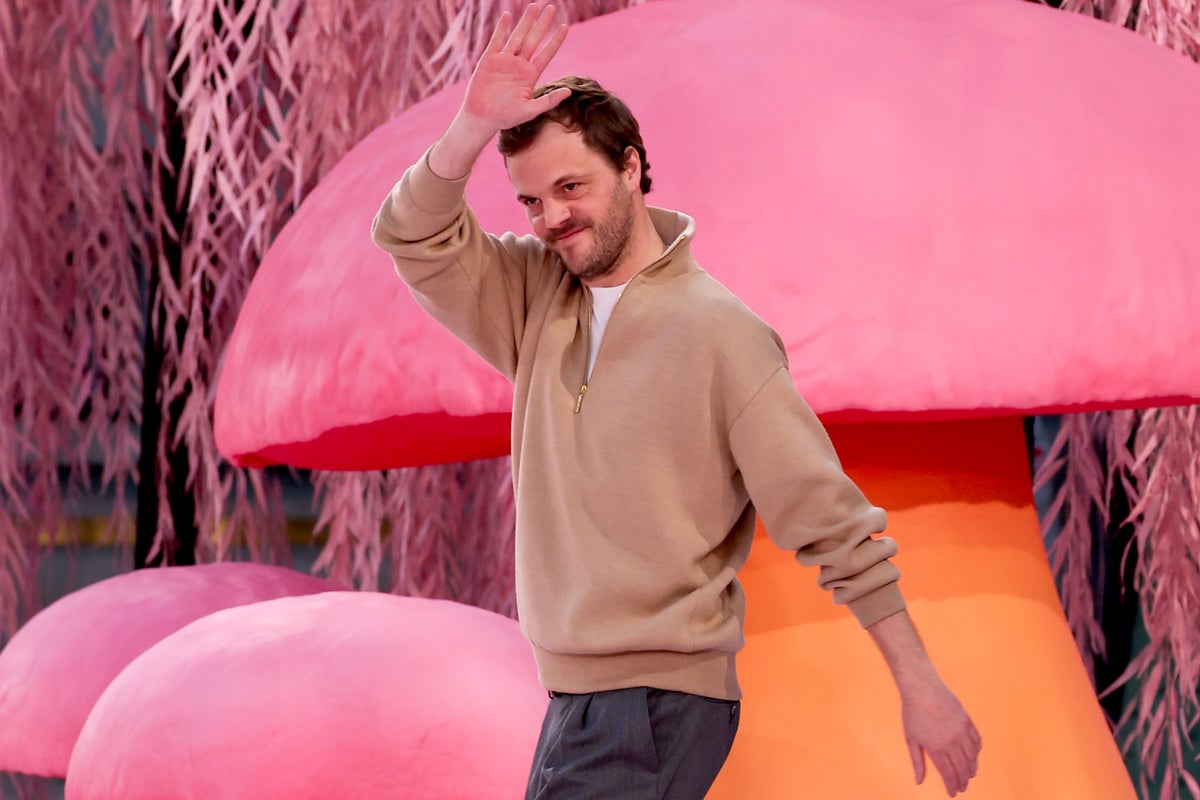
When Dua Lipa shared photos from her Italian wedding extravaganza last month, there was one question on everyone’s lips. Who dreamed up that glorious wedding dress, decked out in beading and dramatic feathers, which felt like a wonderful rejoinder to years of tastefully minimal celebrity bridal style? The answer was Matthieu Blazy, the French-Belgian fashion designer who joined Chanel as its creative director in December 2024.
Lipa’s gown made history as his very first bridal design for the storied French house. It also cemented the 41-year-old’s status as the industry’s man of the moment – because over the past few months, the fashion world has been gripped by “Matthieu-mania”, ablaze for Blazy, gone Coco for his version of Chanel… and whatever other puns the style press might come up with.
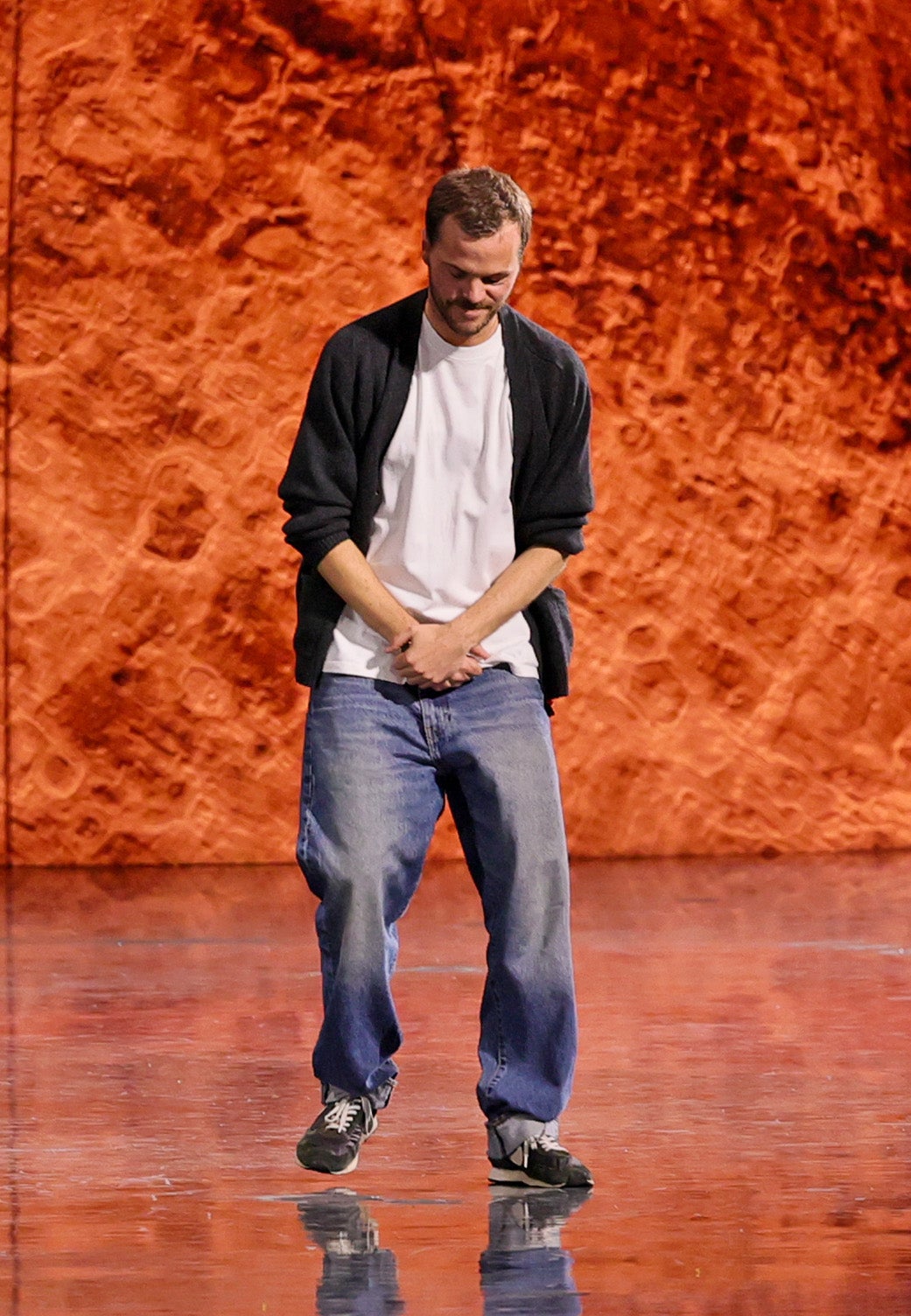
And what made it all the more alluring is that Blazy cuts a much more unassuming figure than most of fashion’s pantheon. Typically dressed in a quarter-zip jumper and jeans combo, he maintains a quiet life outside of the fashion circus with his partner, an artist based in Italy whom he prefers not to name publicly. On the night that he signed his Chanel contract, he eschewed a fancy celebration in favour of babysitting for some friends. It’s all worlds away from the pomp and myth-making of his predecessor, “Kaiser Karl”.
Fashion types might well be prone to hyperbole, but when Blazy’s spring-summer 2026 collection arrived on shelves in Chanel’s Paris Rue Cambon flagship branch back in March, stylish people seemed to go absolutely wild. The collection debuted to a warm response at Blazy’s first runway show for the brand in October 2025, which followed his hiring to replace outgoing creative director Virginie Viard – previously right-hand woman to Chanel legend Karl Lagerfeld – the year before.
It arrived in store to coincide with the city’s fashion week, and so the international circus of editors, models, influencers and buyers was ready to pounce. There were reports of queues lasting hours, of customers grabbing two-toned pumps from the feet of their fellow shoppers – not very chic behaviour! – and of rapid sell-outs and lengthy waitlists. The fashion influencer Bryanboy told The New York Times that he had “never seen women go absolutely feral like that”.
 open image in gallery
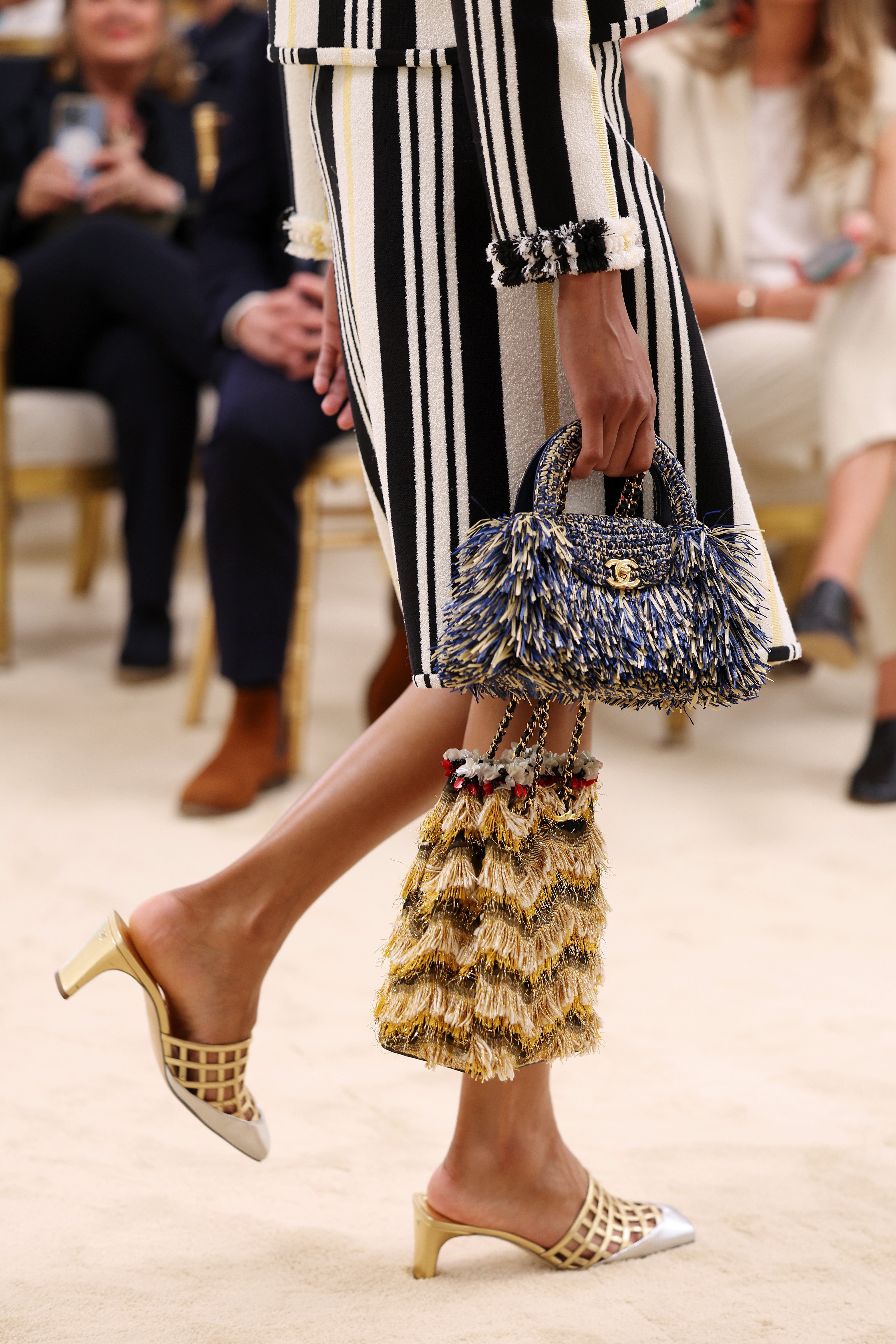
Those pumps, a reimagining of the classic Chanel “bicolores”, were among the most lusted-after pieces, along with the mega-tote bags seen on celebrities such as Hailey Bieber, Kendall Jenner and Blackpink singer Jennie, and the embroidered shirts made in collaboration with Parisian brand Charvet.
The biggest sign that it was a true hit with the most stylish crowd, as the NYT’s veteran fashion critic Vanessa Friedman sagely pointed out, was the fact that they seemed willing to actually buy it, instead of holding out for a gift.
“You know a brand has reached official ‘it’ status when fashion editors, influencers and stylists start spending their own money actually shopping, rather than simply accepting what is offered for free,” she wrote in a piece deconstructing this new “Chanelmania”.
The Blazy effect, then, adds up to a rare success story in a luxury fashion landscape that has proven tricky for even the biggest brands to navigate over the past few years
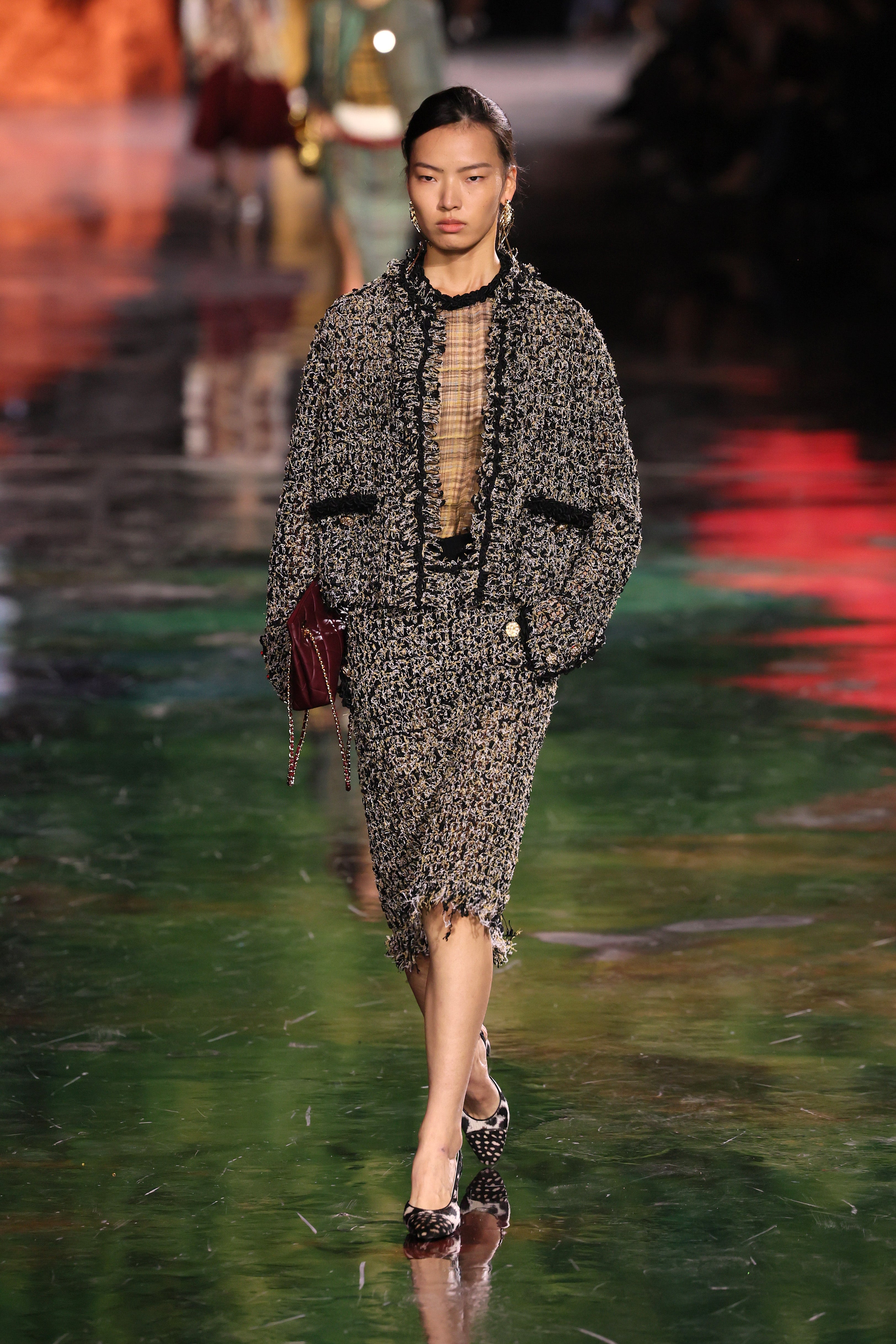
So what is it about Blazy’s clothes that has whipped up such a frenzy? Faced with the legacy of a fashion house like Chanel, some designers might feel weighed down by heritage or beholden to tradition, in a way that might cause their creativity to ossify. But Blazy seems to have struck the elusive balance between past and present, reworking signature Chanel styles like the bouclé jacket, the two-tone pumps or the quilted bag in colours, shapes and textures that feel fresh and desirable.
It’s clear that he’s revelled in going back through the archives to play with shapes like Coco Chanel’s signature breezy drop-waist silhouette from the 1920s, but the end result doesn’t feel too much like a history lesson. “To be modern, you don’t have to be disruptive or crazy,” he told the Financial Times earlier this year. “It can be a small gesture – you just have to give a little twist.”
 open image in gallery
And he’s managed to make the “Chanel woman” come over as less straitlaced, too. For one of his first ad campaigns, for Chanel’s 25 handbag, he dressed brand ambassador Margot Robbie in a tweed jacket with casually distressed edges, over a simple white vest top and a pair of jeans.
The fact that said campaign was a nod to Kylie Minogue’s 2002 music video for “Come Into My World”, with a Paris street populated with dozens of boucléd-up Margot clones, only helped inject some fun – and Noughties nostalgia – into proceedings too. And Blazy isn’t averse to a bit of virality-chasing, either – just look at the fuss kicked up when he sent models down the runway wearing footless sandals, essentially a pair of heel protectors strapped onto the back of the feet, at his Cruise show in Coco’s old stomping ground of Biarritz.
Of course, fashion isn’t just about big creative swings – it’s also about the bottom line. Many a visionary creative director has been hired in a flurry of publicity, only to be disposed of unceremoniously when the disappointing sales figures roll in. But revenue for last year was up by 2 per cent to $19.3bn, and Chanel recently told the Financial Times that sales were growing by “a high single-digit percentage” in 2026 so far, with chief executive Leena Nair hailing Blazy’s “extremely positive reception”. There are plans afoot for the brand to expand its presence in China, a crucial market for luxury goods.
Meanwhile LVMH, the conglomerate that owns labels such as Louis Vuitton and Christian Dior, reported that its fashion and leather goods division had declined by 2 per cent in the first quarter of this year, while revenue at Gucci dropped by 10 per cent in the final quarter of 2025, its parent company Kering confirmed in February.
 open image in gallery
The Blazy effect, then, adds up to a rare success story in a luxury fashion landscape that has proven tricky for even the biggest brands to navigate over the past few years. Even super-rich customers seem to have tightened their (Hermes) belts against a backdrop of global financial tumult, while the more aspirational shoppers who might invest in, say, a designer bag every few years, have been turned off by so-called “greedflation” in the industry, with brands bumping up prices in the wake of the pandemic as a way of boosting margins, without offering their shoppers anything new or innovative.
Before Chanel, Blazy’s CV was already impeccable. He started out working in menswear for Belgian designer Raf Simons, who hired him on the spot after judging the collection Blazy produced while studying at Brussels’ prestigious La Cambre art school. He moved to Maison Margiela and later spent a stint at Céline under minimalism icon Phoebe Philo. Blazy reunited with Simons when he was hired by Calvin Klein, then headed to Italy to work at Bottega Veneta; here, his signature was exquisite craftsmanship, helping to make the brand’s bags some of the most in-demand in the business once again.
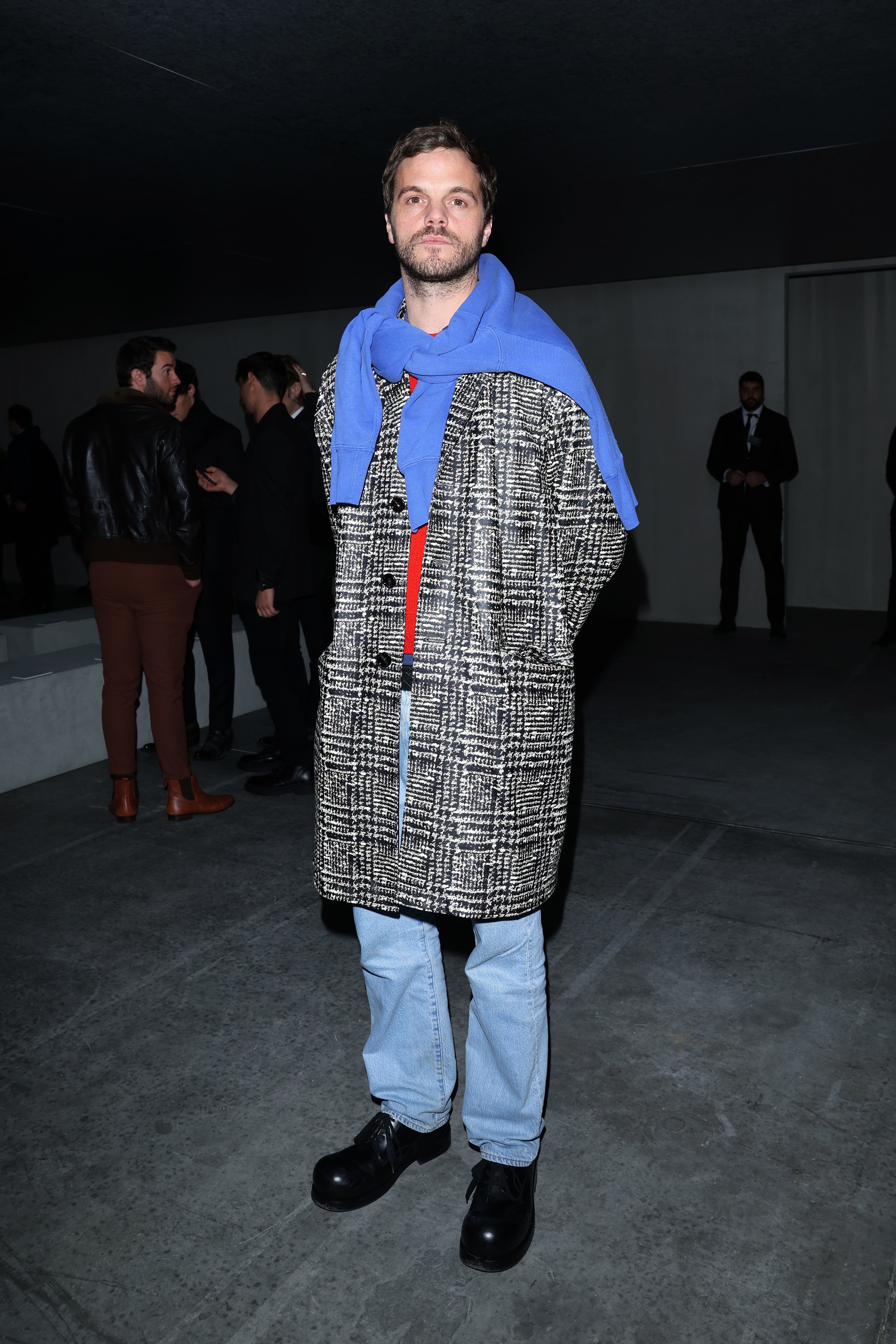 open image in gallery
When his Chanel appointment was announced, it came as something of a surprise to industry prognosticators, who had been name-dropping flashier figures like Hedi Slimane, John Galliano or even Marc Jacobs as potential successors to Viard and Lagerfeld.
But Blazy’s record spoke for itself, and Bruno Pavlovksy, the brand’s president of fashion, has said that he was immediately won over by the way he talked about Coco, and what he could do with her legacy. “We didn’t choose Matthieu to just ‘do Chanel’, we chose him so he could push the boundaries of what Chanel is, for the future,” Pavlovksy told Business of Fashion. “He will bring his modernity, his way of working – Chanel is ready to let itself be transported.”
And a new generation of shopper, it seems, is clamouring to be transported into Blazy’s world too.