


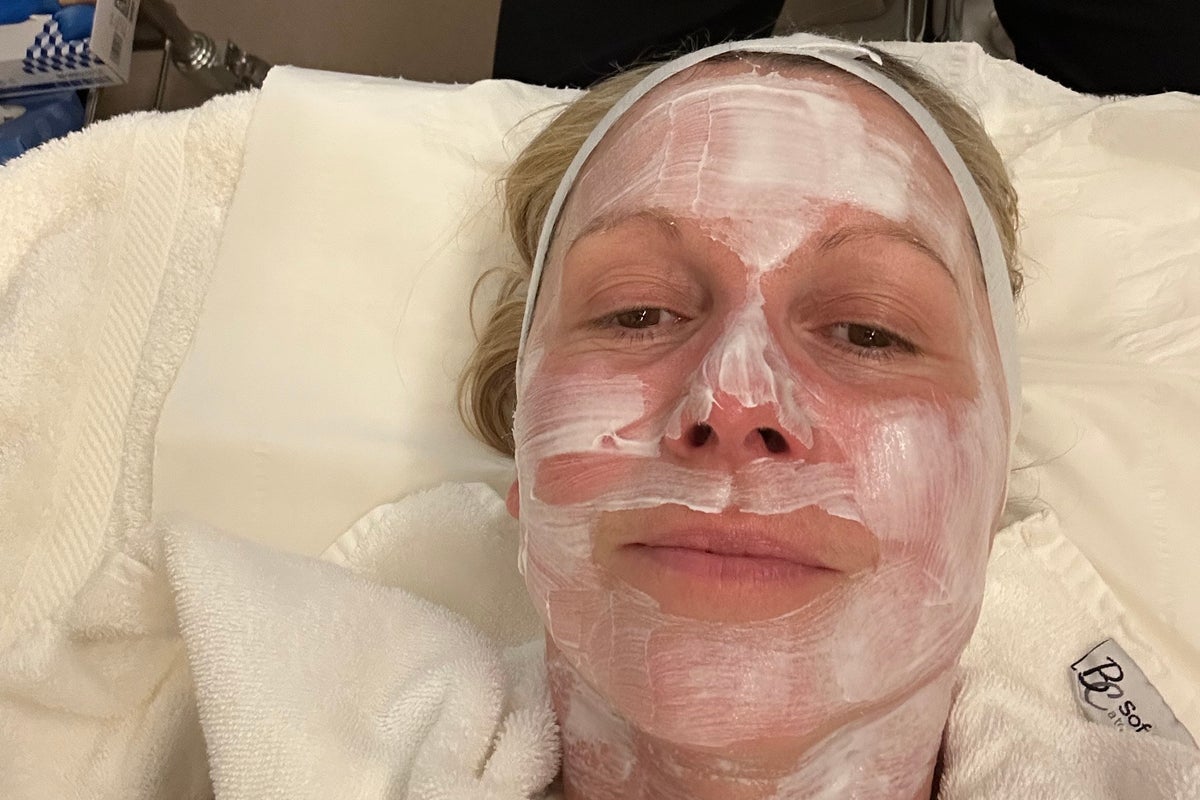
I’m lying on a bed having a peptide facial. I am not the kind of person who usually pops off for a luxurious 60-minute facial – but I was offered one with a “potent peptide infusion” and couldn’t resist. That’s because peptides are calling out to me everywhere, from my local Boots to social media.
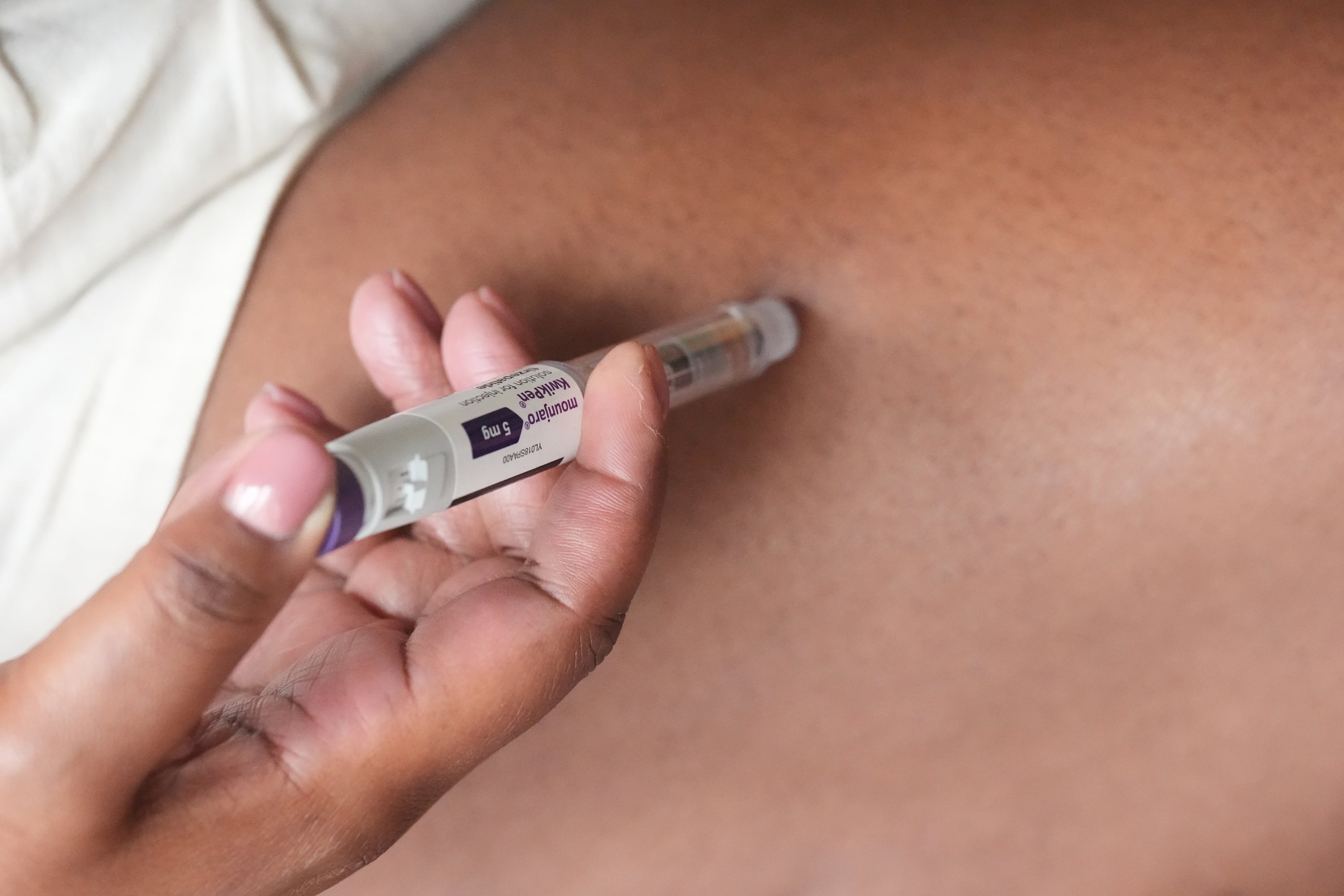
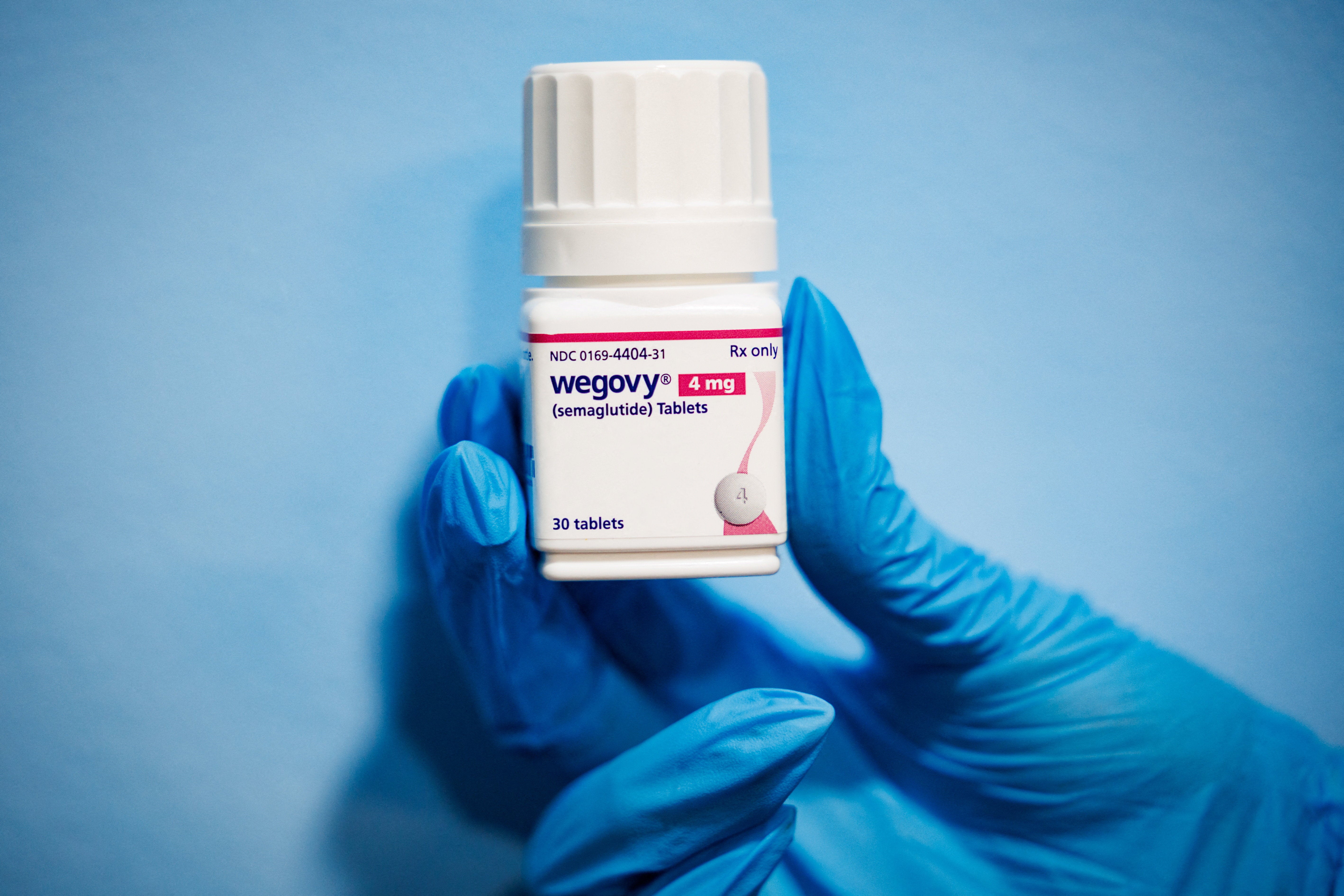
They seem to be advertised on every skincare product. They are in the GLP-1 weight-loss drugs like Mounjaro and Wegovy. And wellness influencers and celebrities are fuelling the current trend around peptides for skin health, longevity and injury recovery by injecting themselves with peptides that aren’t even licensed yet but are widely available to buy online.
Jennifer Aniston revealed that she uses weekly peptide injections to combat ageing in an interview with The Wall Street Journal in 2023. Goop founder Gwyneth Paltrow raved about peptide injectables in American Elle earlier this year, and she reportedly “stacks” peptide injections with NAD+ (a co-enzyme used for cellular metabolism and DNA repair) and injectable vitamin B12 for longevity.
 open image in gallery
Hailey Bieber’s brand Rhode, is built on peptides, with products such as lip treatments and she has admitted to using the substances, telling Interview magazine in April that she thinks “peptides are really amazing”.
“I think there are certain peptides you can take that are really good for hair, skin, and nails, like GHK-Cu, which is the copper peptide, something I take,” says Bieber about the grey-market injectables craze. “And then I take these really good hair gummies that are peptides. I’ve taken immunity peptides before, which I think really worked.”
She added: “Some of them you have to inject; some of them you can take orally – they don’t all work the same. There’s one called BPC-157 that you can take orally. It’s really good for the gut, muscle repair, and recovery.”
So, peptides: it’s complicated. And despite the information tsunami, I still don’t really understand what peptides are exactly, nor which ones really work and for what.
Dr David Jack is a former plastic surgeon-turned-aesthetics doctor to A-listers. He tells me that the most straightforward way to understand peptides is to think of them as “tiny biological messengers”.
“They are short chains of amino acids, the building blocks that make up proteins throughout the body, which also function as cellular signallers that carry instructions between cells,” he explains. He recently released a new night eye cream Stellar, which contains peptides, and I met him at his clinic at London’s Liberty, where I am having my facial.
Different peptides deliver different messages, but the underlying principle is remarkably similar. “Some tell skin cells to produce more collagen, some help regulate inflammation and tissue repair, while others act as hormones involved in appetite and metabolism,” he says, adding that he has noticed an increasing interest in regenerative medicine and longevity driven by injectable peptides, which have surged in interest on TikTok.
 open image in gallery
It’s all part of a move away from fillers and the overdone frozen Botox look to regenerative treatments that encourage the skin to function more like younger skin.
The challenge here is how to get peptides into the skin. “The skin is designed to keep foreign substances out, so formulation and delivery technology are extremely important,” he says.
Professional treatments often use techniques such as nano-infusion, micro-needling, ultrasound or electroporation to improve penetration. “At home, well-formulated leave-on serums and creams can support these pathways over time,” he adds. But the benefits tend to accumulate gradually over weeks and months rather than appearing overnight.
Firstly, I have a burst of Electrical Muscle Stimulation (EMS) to lift the facial structures, which feels like a gentle face workout, followed by radio frequency energy using controlled heat to stimulate fibroblasts, the cells responsible for collagen production.
The clinician then lathers on a peptide peel, which feels nicely tingly as it purifies and prepares my skin for the “infusion”, encouraging cellular turnover and improving texture.
It’s followed by Korean fractional laser technology to create microchannels, which also stimulates the skin’s natural repair response and triggers collagen remodelling. Microneedling can also be used at this stage. An Air Jet Booster then delivers a concentrated peptide and PDRN complex into the skin, a powerful regenerative molecule made of purified DNA fragments, most commonly sourced from salmon sperm.
“PDRN is used alongside peptides as it is also thought to support regenerative processes and wound healing within the skin,” explains Dr Jack.
The facial is finished off with ultrasonic infusion technology to lock in the moisture and cryotherapy to deliver a controlled stream of extreme cold air to the face and neck to calm redness.
This is no regular facial, and I had no idea it was going to be so hi-tech. But as Dr Jack explains: “The most effective treatments increasingly combine several approaches together, using technology to stimulate repair while simultaneously delivering ingredients that support the regenerative response.”
At £300 per treatment, it’s not cheap. I am certain it is going to be wasted on my next trip to collect my children from school. So is it worth it? All I can report is that I have a rosy, fresh and smoother complexion, which is still ongoing a few weeks later.
1.9m
The number of UK adults using weight-loss drugs that include peptides
But am I just buying into the latest peptide craze?
Immediate improvements people notice after treatment, such as softness, radiance and hydration, are usually driven by increased water content within the skin, improved circulation and temporary smoothing of the skin surface.
The longer-term benefits, I am told, are more likely to come from collagen remodelling and the cumulative effects of the regenerative processes being stimulated.
“This is where peptides may contribute something more useful as they are helping deliver some of the molecular instructions that encourage the skin to repair and renew itself”, Dr Jack explains.
Without robust testing, it is hard to know if these [injectable] peptides are doing what people hope
Adam Taylor, Clinical Anatomy Learning Centre at Lancaster University
But there is also the “Wild West” of grey-market peptide injectables to consider – with users becoming “lab rats” as they buy unlicensed peptide injections claiming to improve skin, anxiety, sleep and muscles, grow longer, thicker, and healthier hair, boost energy, immune systems, and libidos.
Professor Adam Taylor, director of the Clinical Anatomy Learning Centre at Lancaster University, says that while some of the pre-clinical research shows promise, these kind of peptide injectables lack reliable safety data and have uncertain long-term safety profiles because very few have been tested in humans. It hasn’t put people off from buying them online, however.
“That means that the expected results seen in lab models may not translate into a full human system,” says Taylor – which, he says, in many cases is the reality. “Without robust testing, it is hard to know if these peptides are doing what people hope.”
 open image in gallery
Injectables such as BPC-157 and TB 500, he says, are being used to aid recovery from workouts or injuries – “to help repair and rebuild the tissue”. In professional sports, it’s a different story, though, as both are considered doping substances for some sports.
People are raving about their wonders – and “stacking” peptides for maximum results. But while different injectable peptides are being used to achieve individual goals, Professor Taylor says, the risk is that these peptides might be having effects in other tissues in the body, not just the specific areas users wish to address. The FDA warns they pose “serious safety risks”, including allergic reactions.
This week, the regulators announced that there wasn’t enough evidence to allow compounding pharmacies to produce certain peptides; they will soon weigh up whether Americans should be able to gain access to injectable peptides to treat ulcerative colitis and other conditions.
“Many of these peptide-based formulations are designed to support cellular communication, collagen production, tissue repair, hydration and the skin’s response to inflammation and oxidative stress,” says Dr Paris Acharya, founder of Clinic Dr Paris, a doctor-led aesthetics, regenerative and longevity clinic in London’s Marylebone, who points out licensed peptides are very different from the unlicensed ones currently being purchased online, but are medical aesthetic products manufactured specifically for intradermal use.
She uses peptide-based regenerative mesotherapy injectables from ABG Lab, including Meso-Wharton and Meso-Xanthin (both commonly used for overall skin rejuvenation, DNA repair and stem cell stimulation), MesoSculpt (often used to improve contour and tissue quality in the lower face and jawline) and MesoEye (for the delicate skin around the eyes). It’s a step up from what I had in my facial.
“The product is delivered directly into the skin via multiple microinjections or microneedling, which allegedly allows a higher concentrations of bioactive ingredients to reach the cells responsible for collagen production, tissue repair and regeneration. As a result, the effects tend to be deeper and longer-lasting than those achieved with topical application or superficial infusion alone. She says, in this way, Botox and peptide mesotherapy work completely differently. “Botox targets movement; peptide mesotherapy targets skin health.”
Dr Paris believes peptides are at the forefront of a change in facial aesthetics.
“Peptide technology is part of this shift because it allows us to communicate with cells using highly targeted biological signals rather than simply filling or freezing tissue.”
She would say that, of course, and with any injectable treatment, there are potential side effects. The most common are temporary redness, swelling, tenderness and small bumps at the injection sites, which typically settle within a few hours to a few days.
Bruising can occur, particularly around delicate areas such as the eyes. “More serious complications are uncommon when treatments are performed by appropriately trained medical professionals using regulated products and suitable injection techniques,” Paris says. Peptides have been used in skincare, wound healing and regenerative medicine for decades.
Examples include copper peptides used in skincare to support collagen production and healing, signal peptides incorporated into anti-ageing formulations, and peptide-based medicines used across a variety of medical specialities, she tells me.
What is changing is not the existence of peptides themselves, but the growing understanding of how different peptide signals can be used more precisely to target specific cellular pathways involved in ageing, repair and regeneration.
“As clinicians, we are becoming increasingly interested in how we can use these biological signals to improve tissue function and skin quality in a more targeted and personalised way,” she says.
Peptides are clearly here to stay – and while the science for peptide injections sounds convincing and is developing all the time, right now I’m sticking with the odd facial – and skincare products that I trust.