


AdvertisementChina’s private sectorBusinessCompanies
What’s driving China’s retailers to bet on own brands? Profit growth, price control: S&P
Analysts forecast in-house goods to rise sharply as Chinese retailers seek loyalty and offset lost supplier-funded fees
2-MIN READ2-MIN Listen
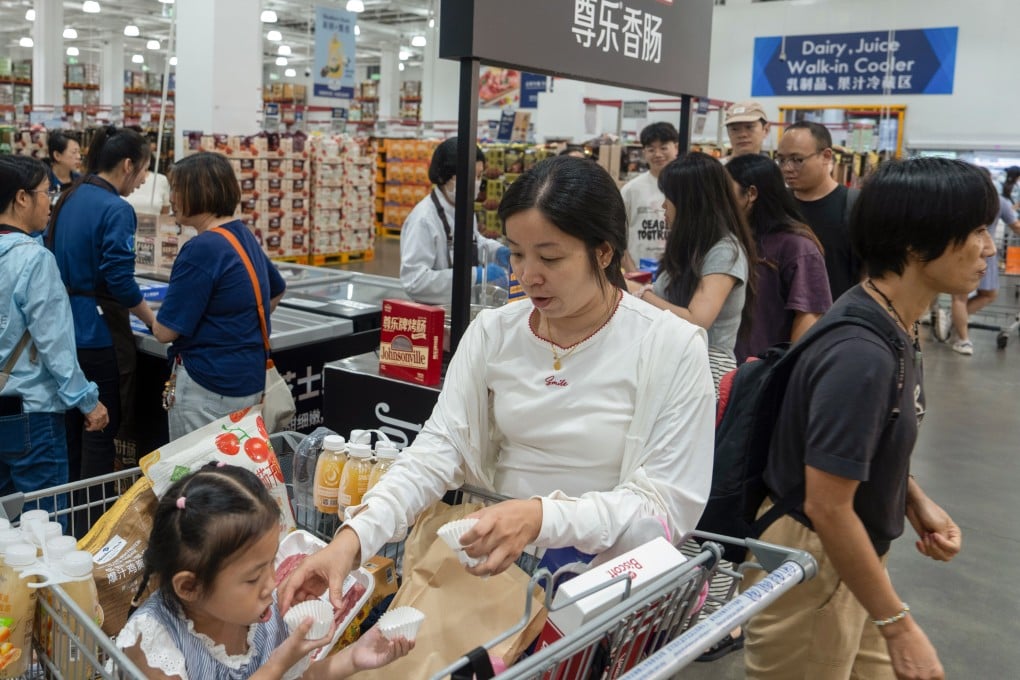
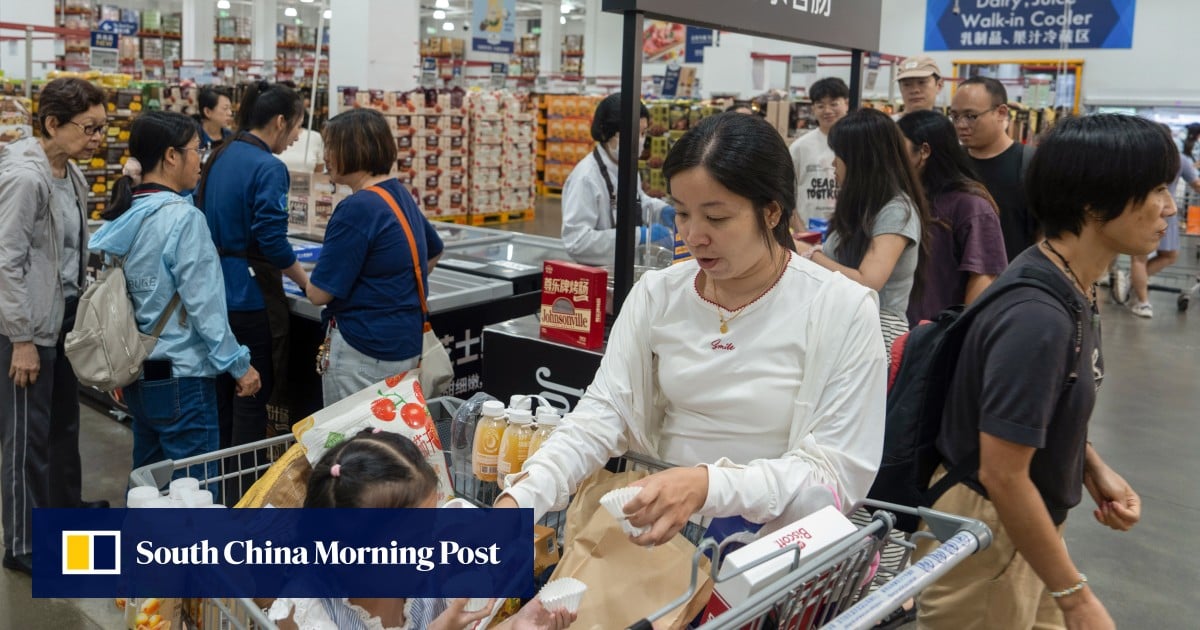
Chelsea YangPublished: 7:00am, 1 Jul 2026China’s biggest retailers are increasingly betting on private-label products as a long-term engine for profit growth and customer loyalty, with the category forecast to double its share of the country’s fast-moving consumer goods (FMCG) market over the next eight years, according to S&P Global Ratings.
“Private labels are becoming a more important profit driver for Chinese retailers as supplier-funded income declines and competition intensifies,” the rating agency said in a report released last week.
“By launching their own products, retailers can improve profitability, control pricing and promotions, and reduce reliance on branded suppliers.”
Unlike traditional store brands known mainly for low prices, private labels are evolving into retailer-owned brands that improve profitability, strengthen repeat purchases and give retailers greater control over pricing, sourcing and product development.
Private-label products could account for 20 per cent of FMCG sales among China’s top 100 chain retailers, up from less than 10 per cent in 2025, driven by the trend of consumers seeking value without sacrificing quality, S&P Global Ratings estimated.The shift comes as supermarkets lose income from supplier-funded listing and promotional fees because of tighter regulation, the rise of e-commerce and live streaming, and intensifying competition. To offset the decline, retailers are increasingly relying on higher merchandise margins generated by their own brands.
AdvertisementSelect VoiceSelect Speed00:0000:001.00x