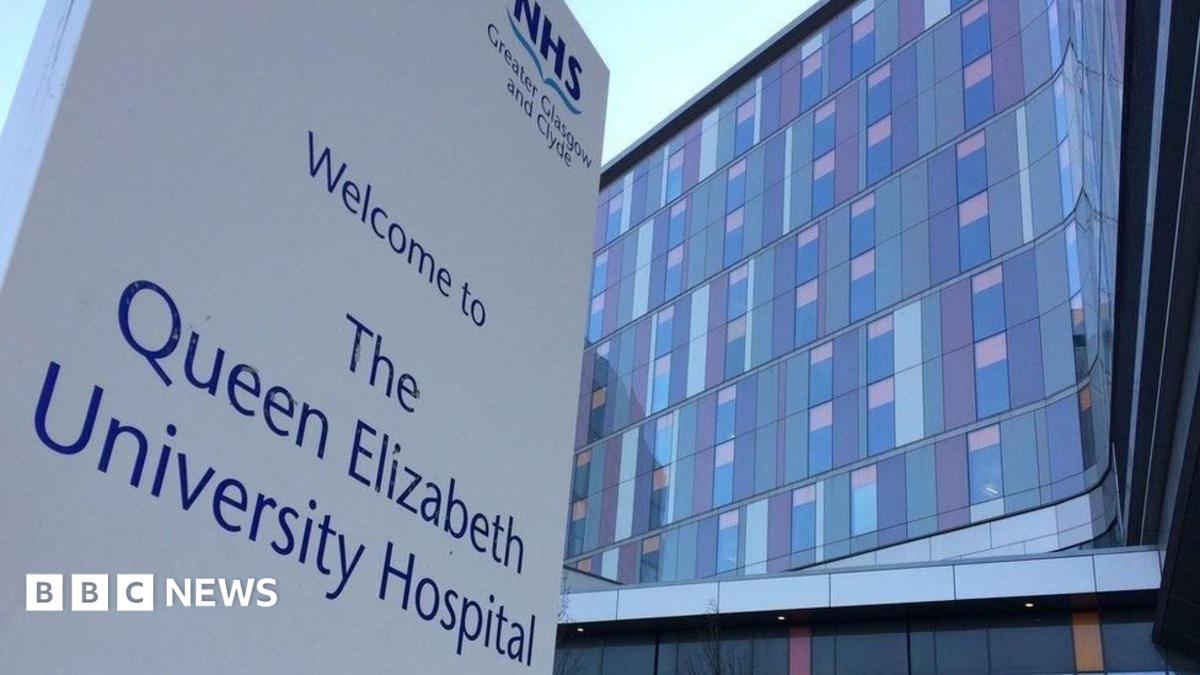
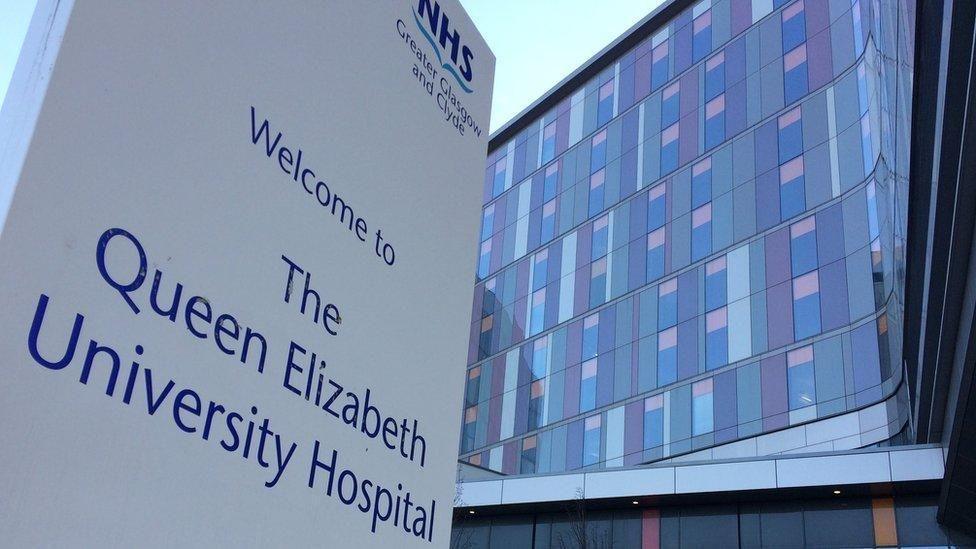
The patient is being tested at the Queen Elizabeth University Hospital in Glasgow
A patient is being tested for suspected Ebola virus at a Glasgow hospital.
It is understood they were admitted to the Queen Elizabeth University Hospital in the early hours of Tuesday.
Tests are currently being carried out to confirm whether the individual has contracted the disease.
If confirmed it would be the first case in the UK since a recent outbreak in the Democratic Republic of Congo was declared a public health emergency of international concern by the World Health Organization (WHO).
Public Health Scotland (PHS) said it was working closely with the UK Health Security Agency (UKHSA) to assess routes by which travellers may enter the UK from affected countries.
A spokesperson said: “There are currently no confirmed cases of Ebola in Scotland and the risk to the general public remains low.”
PHS added that, together with NHS health organisations, it had “well established protocols for assessing and testing travellers arriving in the UK from areas affected by Ebola”.
A spokesperson said: “Where required, contact tracing will occur and contacts may undergo clinical assessment and precautionary testing.”
PHS confirmed the UKHSA Returning Workers Scheme (RWS), external, which aims to protect and monitor the health of those who may travel from the UK to affected areas for their work, had been activated.
The spokesperson said organisations deploying workers to affected areas where they may be exposed to Ebola through their work, should register them with the scheme.
Last week France confirmed its first case of Ebola – a doctor who had returned from a humanitarian mission in the Democratic Republic of Congo.
Ebola is a rare but often deadly disease caused by a virus which attacks the body’s immune system and organs.
The virus normally infects animals, typically fruit bats, but outbreaks among humans can sometimes start when people eat or handle infected animals.
Unlike flu or Covid it is not airborne so you will not catch it simply by being near an infected person.
The virus is typically spread from direct contact with blood or other bodily fluids, contaminated objects or animals.
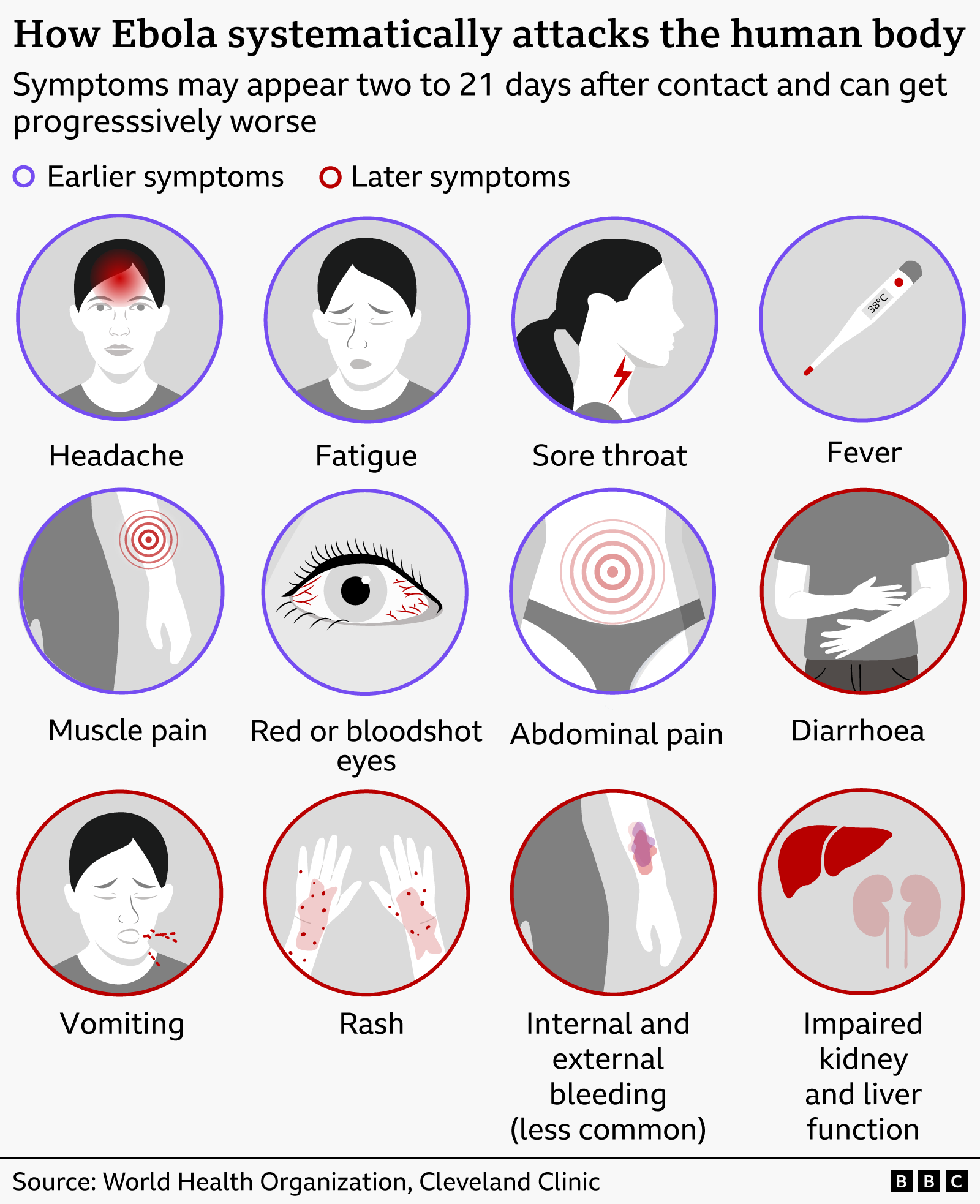
It takes two to 21 days for symptoms to appear. They come on suddenly and start like flu or malaria with fever, headache and tiredness.
As the disease progresses, vomiting and diarrhoea develop and it can lead to organ failure. Some, but not all, patients develop internal and external bleeding.