


AdvertisementChina consumptionBusinessChina Business
Pandora, Swarovski lose traction in China as shoppers shift to gold and lab-grown diamonds
In the first quarter, China’s gold consumption reached 303.3 metric tons, up 4.4 per cent year on year
2-MIN READ2-MIN Listen
Zhu Wenqianin BeijingPublished: 4:00pm, 29 Jun 2026
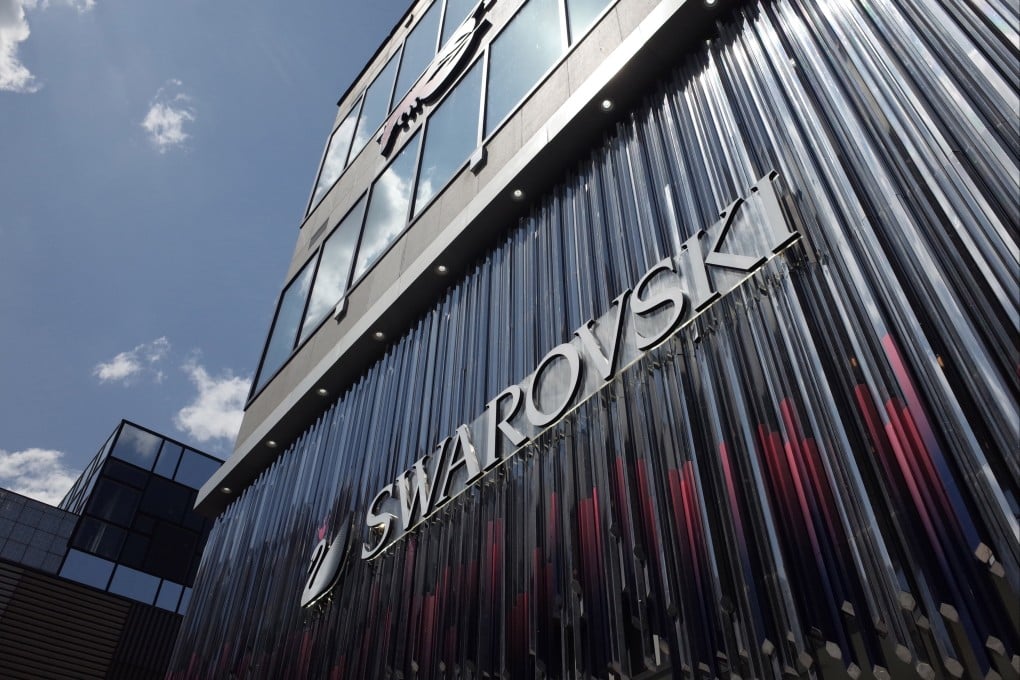
Once popular among young Chinese consumers, Danish affordable jeweller Pandora and Austria’s Swarovski have closed a large number of their mainland stores amid lost brand appeal, as shoppers now prefer high-end luxury goods or value-preserving products like gold.
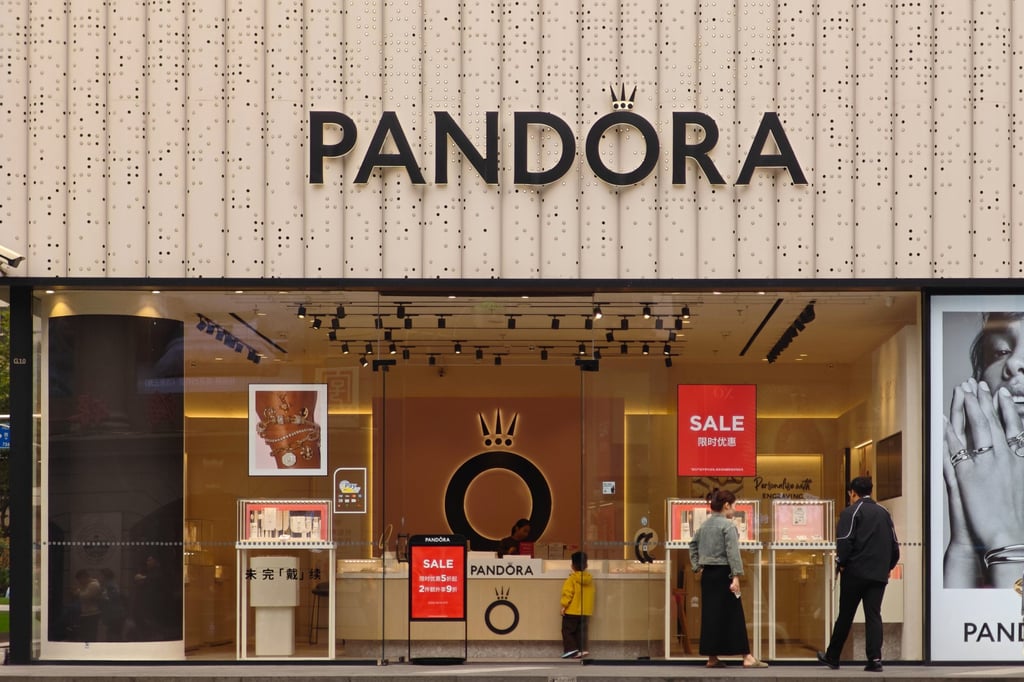
Copenhagen-listed Pandora was at its peak in China in 2019, operating more than 240 stores and posting revenue of 1.97 billion Danish kroner (US$300 million). Its mainland sales have declined annually ever since.
Last year, China made up just 1 per cent of its global revenue, down from 9 per cent in 2019, according to its annual reports.
“We have observed a divergent trend in Chinese consumer preferences towards high-end luxury with strong heritage or value-preserving products like gold,” said Maggie Xie, associate director at S&P Global Ratings, who added that rising awareness of domestic brands and upgraded designs and customer service were “eroding mid-market differentiation.”
“Core materials used by Pandora and Swarovski – silver and crystal glass respectively – are increasingly perceived by Chinese consumers as lacking long-term value and being prone to tarnishing,” Xie said.
Asia-Pacific was Pandora’s main growth driver in the first quarter, led by Japan, but the company closed 99 stores in China in the previous 12 months, according to its first-quarter earnings report.
AdvertisementSelect VoiceSelect Speed00:0000:001.00x