


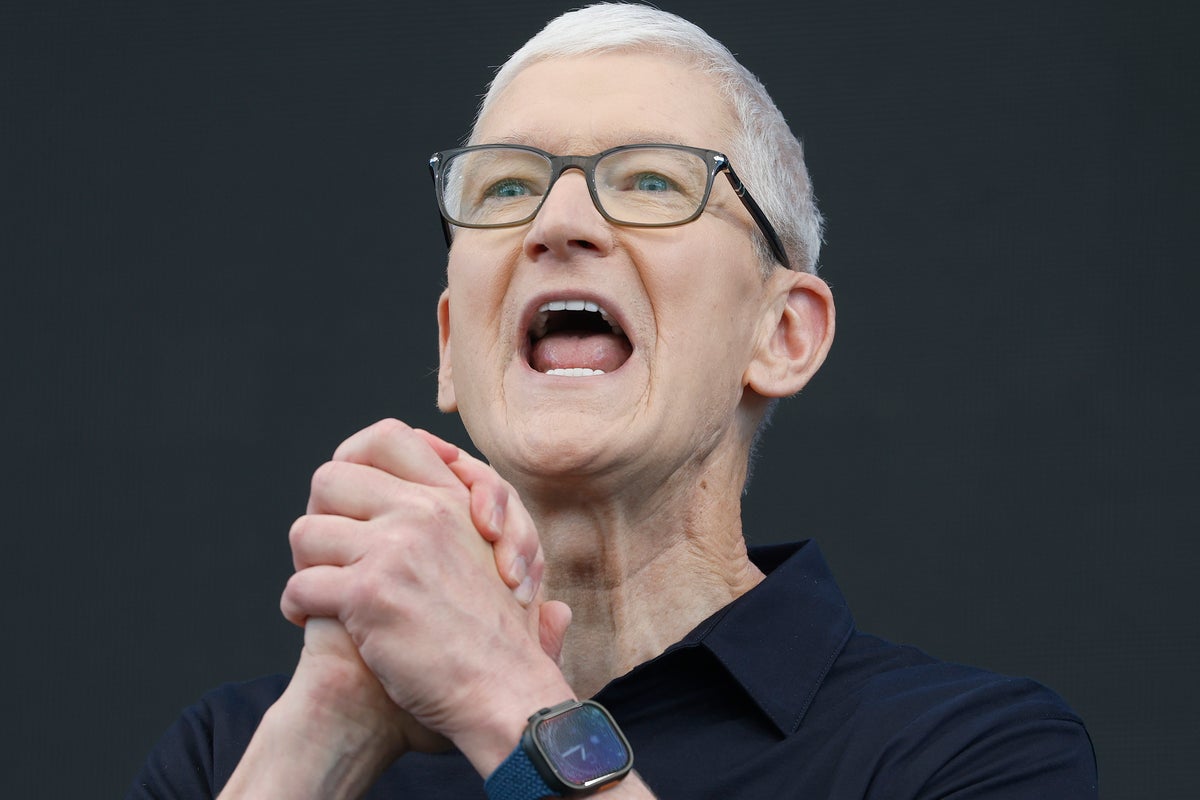
Apple has dramatically hiked the prices for its iPads and Macs – and the problem is only going to get worse. And the spiralling prices have one cause: artificial intelligence.
Apple increased the cost of its MacBooks substantially: the low-end MacBook Neo, specifically aimed at the market for cheaper computers, went from $599 to $699, just months after it was launched. Broadly, all of its iPads and Macs rose by about 20 per cent, no matter where they sit in the line-up.
The price increases have not yet hit all of Apple’s products, including the iPhone. But that doesn’t mean that the company’s most famous product is safe.
Apple is expected to launch at least one new iPhone in September, and could opt to hike the price then. This year’s line-up was already expected to be the most expensive ever – in part because it is rumoured to be launching a foldable version of the iPhone, which will be priced at a premium to the existing phones.
But while Apple is the most high-profile company to make the adjustments, they are already happening across the board. Other companies have already been forced to increase the price of their devices – or take other strategies, such as reducing specs or postponing launches.
The price of games consoles, for instance, has generally tended to reduce over time and as new generations arrive. But they have repeatedly increased: the same day Apple made its announcement, Microsoft announced that it would increase the price of an Xbox for the third time since last year.
That is already affecting sales. Research firm IDC has estimated that the smartphone market will see its biggest-ever decline this year, with phone sales dropping 14 per cent and the PC market falling 11.3 per cent.
All of the problems are a result of a global crisis in the market for dynamic random access memory, or RAM, which has led some to call the problem “RAMageddon”. RAM is used in just about every gadget, and is central to how they work.
The crisis has come about because the same equipment is used heavily in the hardware required for artificial intelligence data centres. AI depends heavily on RAM, and so the chipmakers who provide that hardware have bought up much of it so that they can keep proving equipment for those data centres, dramatically reducing the available supply and forcing up the price of the RAM that is available.
“The memory environment is tough and remains structurally tough for the foreseeable future,” said Ben Bajarin, CEO of technology consulting firm Creative Strategies.
In a way, Apple is later to hike its prices than many of its competitors. It explicitly referenced its attempts to avoid doing so in its statement.
“We have never seen a component price increase this much, this quickly,” it said in its announcement. “We have shielded our customers from these increases so far, but we have now reached a point where we need to begin raising prices on a number of products, including today’s increases for iPad and Mac.”
The company had long been warning that it was coming. In a conference call around Apple’s results in April, chief executive Tim Cook warned that “memory costs will drive an increasing impact on our business”, and just last week he gave an interview with the Wall Street Journal in which he said those increased costs would have to be pushed onto customers.
Apple has also had to make less dramatic changes because of its deep relationships with suppliers, which allowed it to purchase large amounts of memory and meant that its margins have remained strong even as the crisis spiralled. But the protection that offers is limited both in impact and by time, meaning that price rises eventually became inevitable.