


Datacentres facing increase in global climate-related legal cases, report finds
LSE analysis highlights litigation linked to energy sources, water consumption and air pollution
The proliferation of datacentres and AI is increasingly at the forefront of environmental litigation around the world from Chile to Ireland, a report has found.
In an analysis of about 3,600 climate-related lawsuits filed since 2015, the latest annual review of climate litigation by the London School of Economics (LSE) found a growing number of cases challenging the energy sources, water consumption and air pollution of datacentres, all of which have related climate implications.
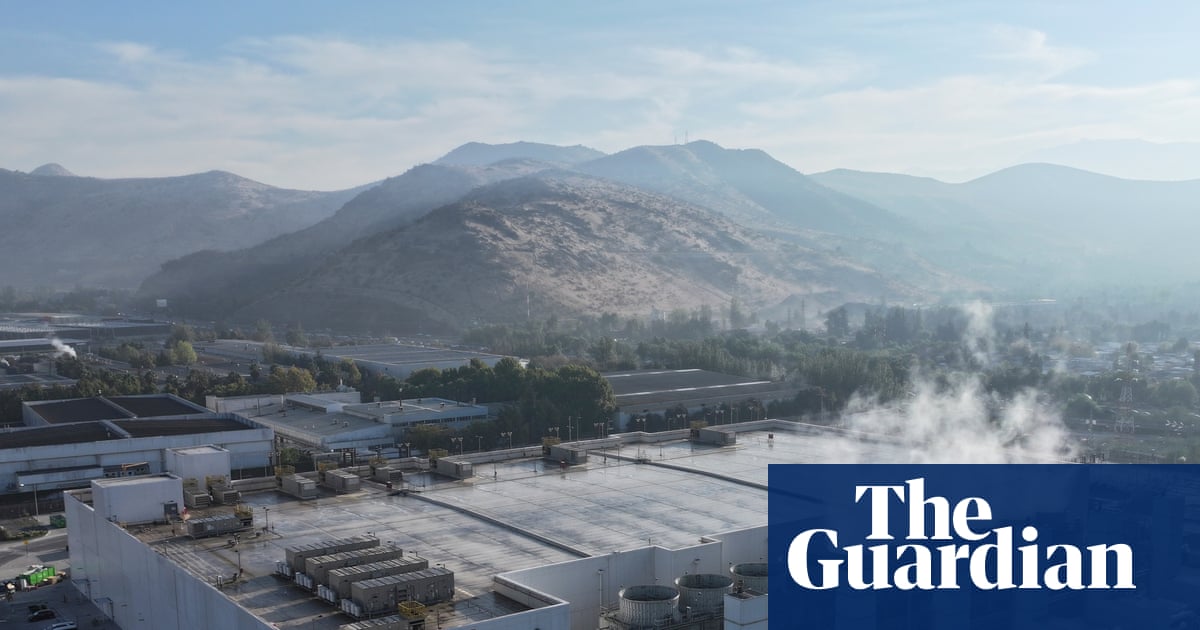
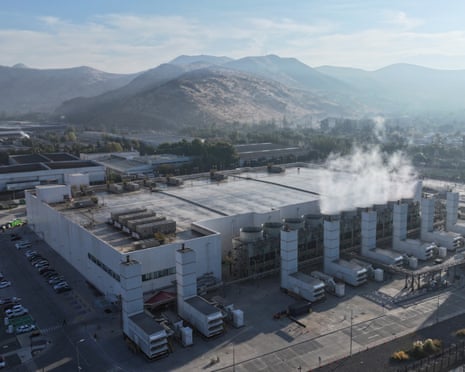
One of the first cases was filed in 2020 in Chile’s capital Santiago, where Google was planning a huge datacentre in the Cerrillos area.
A group of residents and the local council challenged the permits given to the global tech company, raising concerns about the impact of the development on the city’s already climate-stressed water supply. The lawsuit succeeded in halting the Cerrillos project – on the grounds that climate impacts had not been properly considered – but not the wider explosion of datacentres, which is draining Chile’s already drought-stricken wetlands.
The LSE report identified Ireland as a “hotspot” for litigation against datacentres. The government wants the sector to expand, even though it is already consuming more than a fifth of the nation’s electricity.
In December, Ireland’s Commission for the Regulation of Utilities (CRU) said that “large energy users” such as datacentres would be allowed to operate on fossil fuels for the next six years, after which they must run on at least 80% renewables. But Friends of the Irish Environment, Friends of the Earth Ireland and ClientEarth are seeking a judicial review of the decision because they argue it will lock Ireland into high-emitting, expensive fossil gas for years to come.
FIE has brought several other claims relating to datacentres in Ireland, including one against the Environmental Protection Agency over its approval of a project in South Dublin.
There is also a growing legal backlash against datacentres in the US. In California, the city of Pittsburg must now require a data centre to use renewable energy for power and recycled water to cool its servers. There is also ongoing litigation in Georgia and Pennsylvania against state regulators for approving new fossil fuel infrastructure linked to datacentres.
Another case in Mississippi argues that Elon Musk’s xAI is breaching the Clean Air Act, by running portable methane gas generators without the required permits. The case, brought by the National Association for the Advancement of Colored People says these pose serious public health risks to nearby Black and minority communities. The US Department of Justice is trying to block the lawsuit, claiming the company’s work is essential to the economy.
In the UK, campaigners took legal action against the government’s decision to force through construction of a “hyperscale” datacentre in Buckinghamshire. Tech justice non-profit organisation Foxglove and environmental charity Global Action Plan, represented by law firm Leigh Day, said the decision ignored the project’s electricity and water demands, and did not properly consider its climate impacts.
The government has since accepted there were flaws in the process and the lawsuit was dropped. The developer now admits that measures to mitigate environmental impact would need to be made binding through a contract with the council.
The LSE report said that cases in both the US and the UK showed how litigation “can drive changes in climate-related decision-making even in the absence of positive judgments”. It can improve transparency, such as in the case of the Buckinghamshire datacentre, where the full scale of environmental impacts “would not have come to light”.
These cases aren’t necessarily about stopping development, said report co-author Joana Setzer, associate professor at the LSE, but about avoiding locking in more dependence on fossil fuels. “It is an opportunity to get these massively energy-intensive developments powered by renewables at the moment in time where that is possible.”
Explore more on these topics