 Image source, Reuters
ByNathan Williams and Francisco Velasquez
Iran has denied a claim by Vice-President JD Vance that it will allow nuclear inspectors back into the country, after the first round of talks between Washington and Tehran to reach a final deal to end the war.
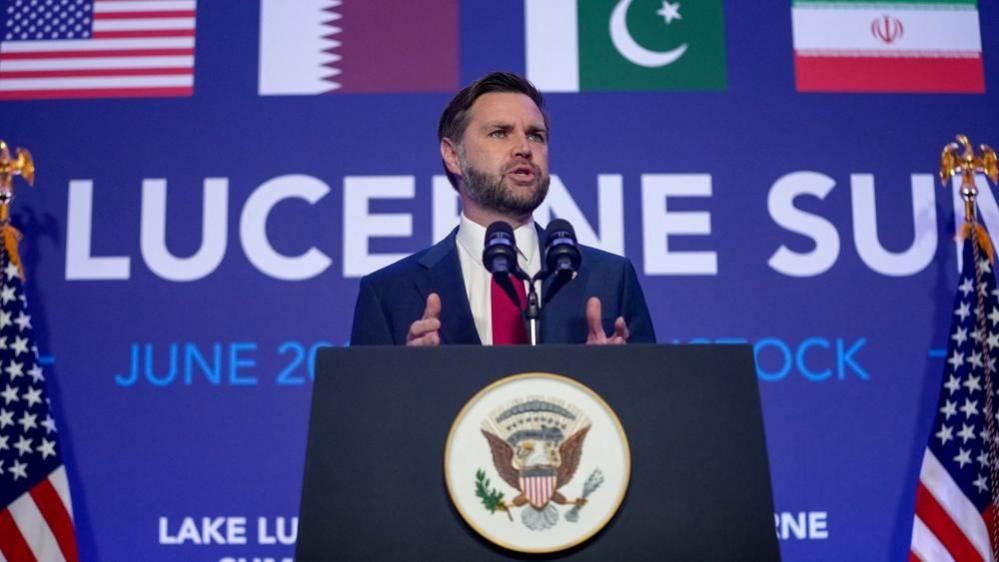
Following negotiations in Switzerland, Vance said discussions with the International Atomic Energy Agency (IAEA) could be happening “as soon as today”.
But Iran’s foreign ministry told state media that Tehran had made “no new commitments” on nuclear inspections.
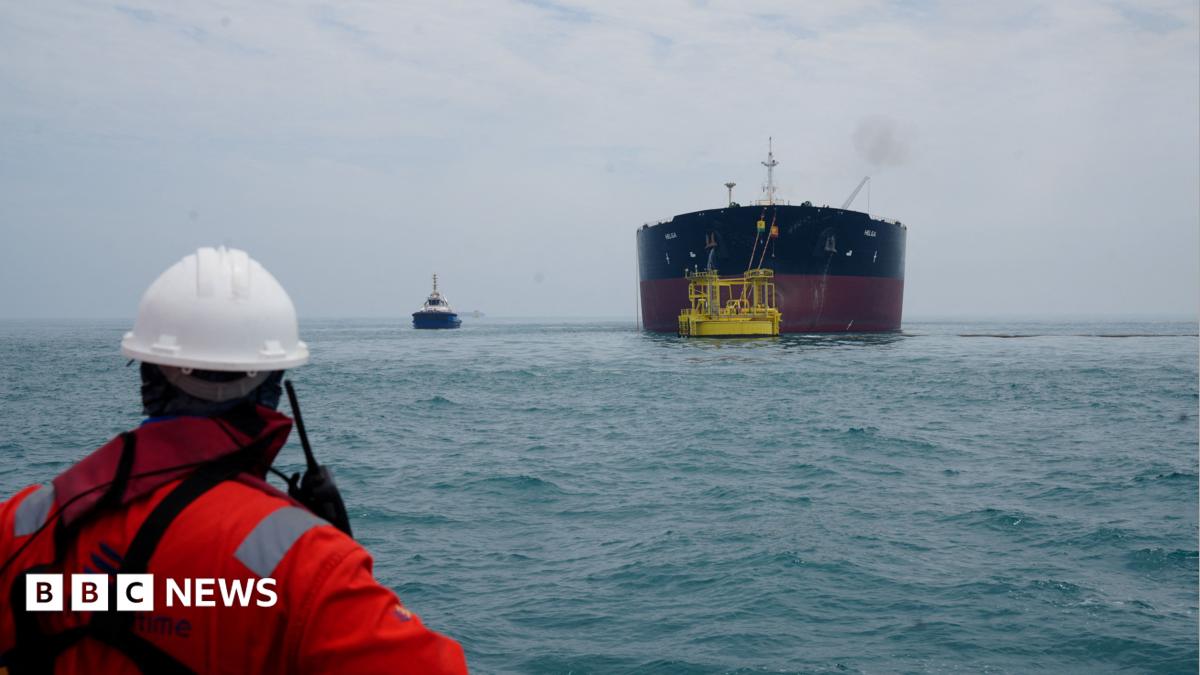
It came as the US temporarily waived sanctions, allowing Iran to sell oil in US dollars for the first time in decades.
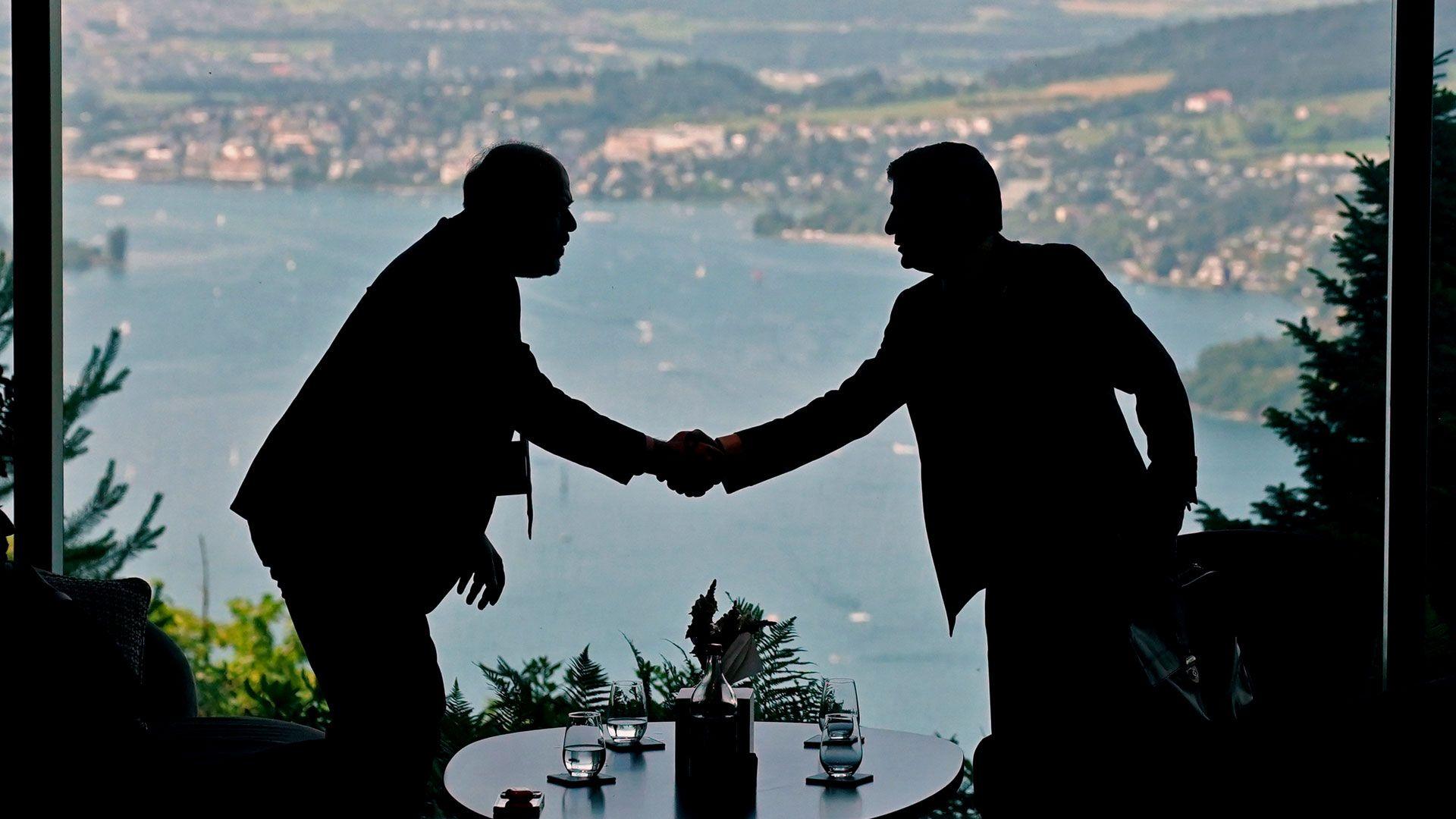
In a joint statement released on Monday, mediators Qatar and Pakistan said that after the first round of talks in the Swiss resort of Bürgenstock, the US and Iran had agreed to “a roadmap towards reaching a final deal within 60 days”.
Vance described the talks as having laid a “very good foundation”.
The US vice-president said the teams had discussed the reopening of the Strait of Hormuz and “de-confliction for the regional ceasefire”.
The 60-day sanctions waiver issued by the US Treasury on Monday dismantles central pillars of Washington’s long-running embargo, which has historically choked off Tehran’s economy.
The emergency licence authorises the production, sale and delivery of Iranian crude and petrochemicals until 21 August.
Iranian oil can even be imported directly into the US, under the sanctions relief.
It unlocks banking transactions, insurance and transportation and does away with the complex networks that Iran has previously used to sell crude.
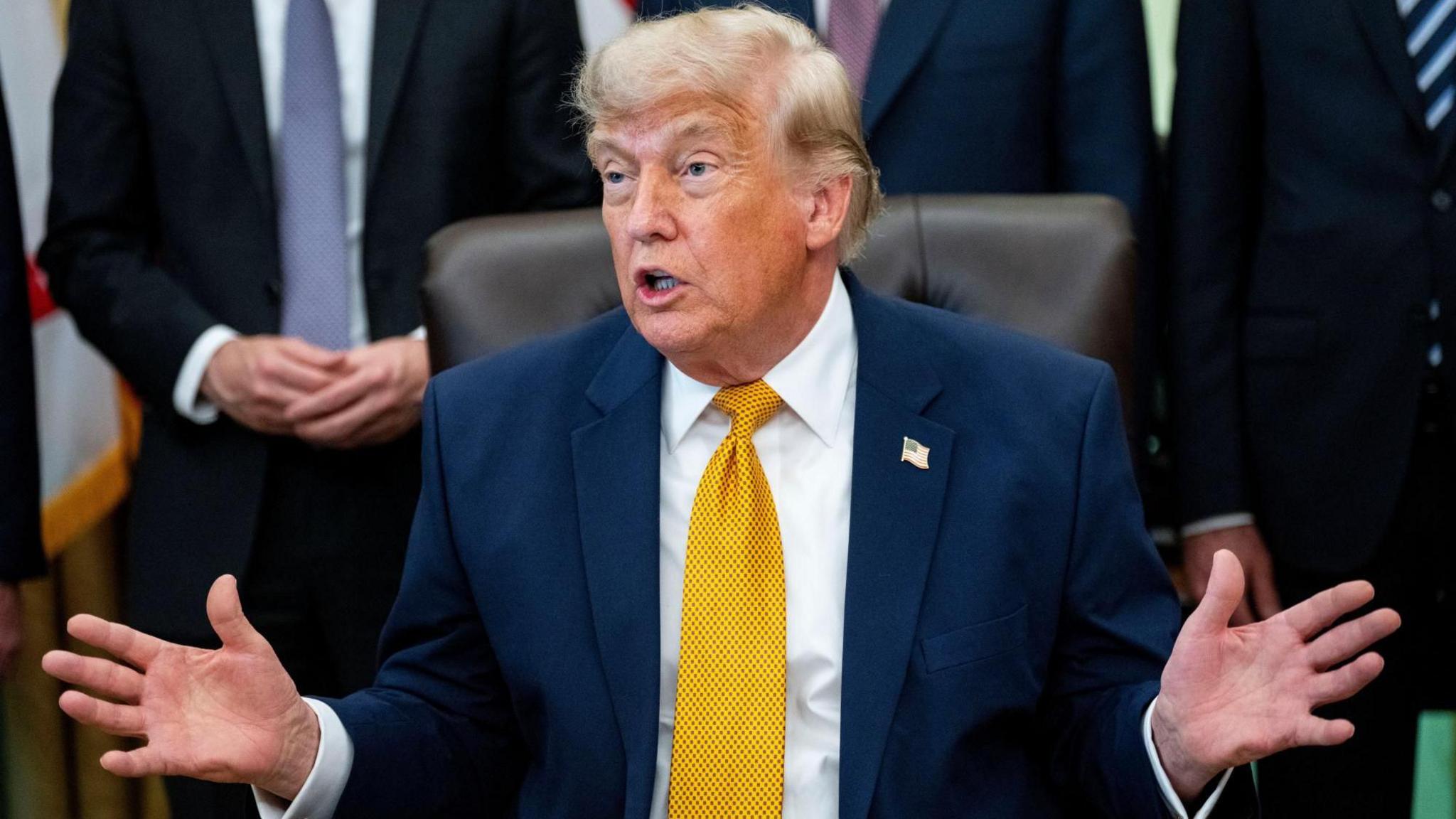 Image source, EPA
Treasury Secretary Scott Bessent said that in exchange for the 60-day waiver, Tehran had committed to keeping the vital Strait of Hormuz open and allowing IAEA nuclear inspectors back into the country.
Speaking in Switzerland on Monday morning, Vance was asked by reporters when nuclear inspectors would be returning to Iran.
He said he expected the process to start “at a minimum this week”, but conversations with inspectors “could happen as soon as today”.
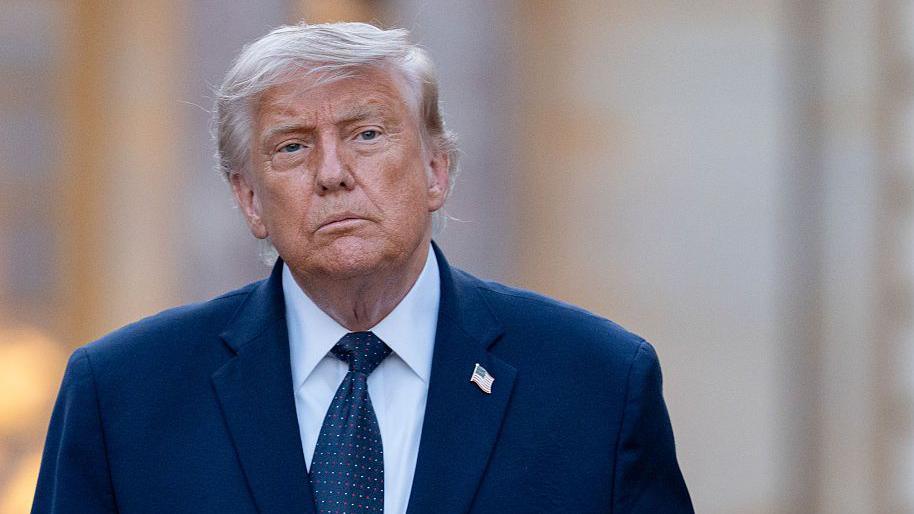
US President Donald Trump also posted on social media that Iran “will agree to have Major Weapons Inspections”.
However, in an interview with Iranian state news agency Irna, foreign ministry spokesman Esmail Baqai said Tehran had made “no new commitments” on nuclear inspectors.
He maintained that any engagement with UN inspectors would take place “under existing procedures set by Parliament and the Supreme National Security Council”.
The IAEA did not immediately comment.
Iran suspended IAEA access to sites bombed by Israel and the US during the 12-day war last summer.
The following month, the UN’s nuclear watchdog said it had pulled out its remaining inspectors from the country.
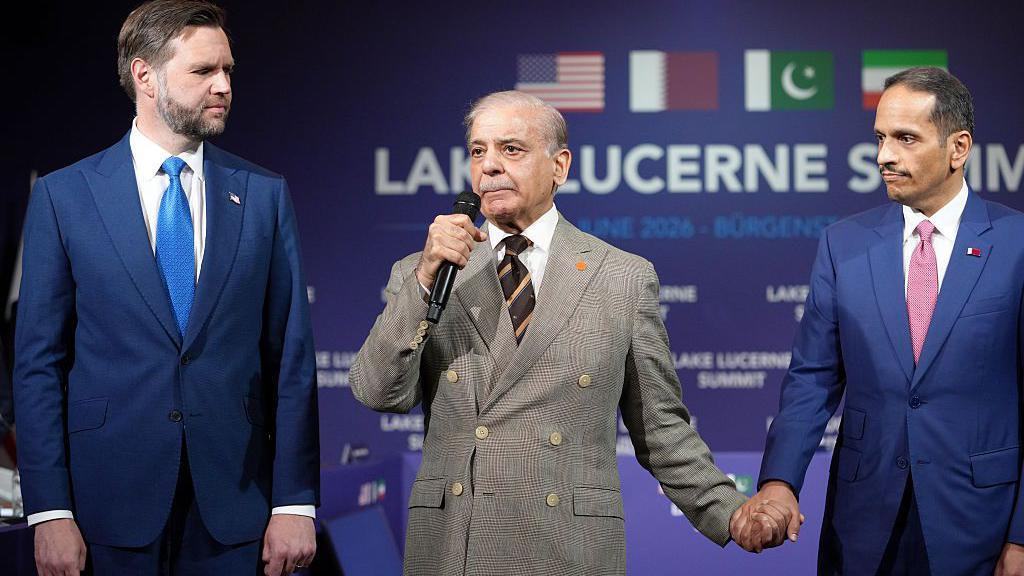 Image source, Getty Images
US Vice-President JD Vance, Pakistan’s Prime Minister Shehbaz Sharif and Qatar’s Prime Minister and Minister for Foreign Affairs Sheikh Mohammed bin Abdulrahman bin Jassim Al-Thani
In 2015, Iran and six world powers – the US, China, France, Russia, Germany and the UK – struck a deal allowing IAEA inspections of nuclear sites in Iran.
During Trump’s first term, in 2018, he withdrew the US from this agreement, arguing it was a “bad deal”.
Vance said on Monday that the Iranians had threatened to walk out of the talks on Sunday after Trump warned on Truth Social that the US could “hit Iran very hard again”.
The US vice-president said he told Iranian negotiators that Trump was merely responding to Iranian “trash talk”.
On Monday, Trump issued a fresh warning to Iran from the Oval Office.
“If Iran doesn’t live up to their agreement, or if they’re not behaving, I will do what I have to do,” the US president said.
The Qatari and Pakistani mediators’ joint statement said that a “communication line” had been formed “to avoid incidents and miscommunication with the aim of safe passage for commercial vessels through the Strait of Hormuz”.
Both sides also agreed to the creation of a “de-confliction cell” between the US, Iran and Lebanon, facilitated by the mediating countries, to end military operations in Lebanon, their statement said.
Iran’s Foreign Minister Seyed Abbas Araghchi said the first “real test” would be Lebanon.
Fighting between Israel and Hezbollah in Lebanon has abated since Saturday night and a fragile ceasefire was holding.
Negotiating groups are to be set up covering areas such as nuclear issues and sanctions as talks continue, Iranian state media reported on Tuesday.